
A Close Look: Pictures Of Bed Bugs And What To Look For
Identifying bed bugs from pictures can be tricky, but with the right knowledge, you can determine if you have an infestation. Tiny, Flat, Oval-Shaped Insects: Bed bugs are notoriously small (about 1/4 inch long). Look for tiny, flat, oval-shaped insects in the pictures
A Close Look: Pictures of Bed Bugs and What to Look For
Identifying the Tiny Terror: Adult Bed Bugs
Finding pictures of bed bugs online is easy enough, but knowing what to look for in your home is a different story. Adult bed bugs are about the size of an apple seed, reddish-brown, and oval-shaped. They're flat, almost like a tiny, slightly elongated lentil. Their bodies swell after feeding, becoming more rounded and darker. You might find them hiding in mattress seams or along the edges of box springs. Don't just look in the obvious places though.
Where to Search Beyond the Bed
Check headboards too. Look behind loose wallpaper. Inspect bed frames carefully. Cracks in the walls are another great hiding spot. Pay close attention to electrical outlets and baseboards. These little insects are surprisingly stealthy. They can squeeze into incredibly tiny spaces.
Nymphs: The Next Generation of Bed Bugs
Pictures of bed bug nymphs often get overlooked. These are the younger bed bugs. They’re smaller than adults and lighter in color, almost translucent. They’ll darken as they mature and feed. You'll likely find them in the same locations as adults.
Spotting the Signs: Beyond the Bugs Themselves
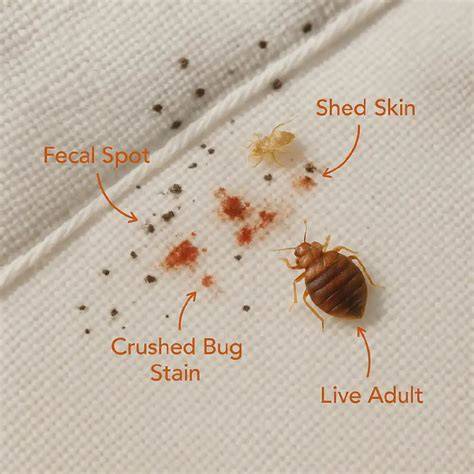
Sometimes you won't even see the bugs themselves. Instead, you might find fecal spots. These look like tiny dark specks, almost like pepper. You'll also find shed skins. These are the exoskeletons the nymphs leave behind as they grow. Bloodstains on your sheets are another telltale sign. It's not always easy to spot, but keep an eye out.
Using Pictures of Bed Bugs Effectively
Online resources are helpful, but nothing beats a good close look. Use a magnifying glass if you need to. Take clear pictures of anything suspicious. Comparing your finds to reliable pictures of bed bugs online can confirm your suspicions. If you’re unsure, it's always best to contact a pest control professional. They have the expertise to accurately identify the problem and recommend the best course of action. Early detection is key in managing a bed bug infestation.
Understanding the Appearance of Bed Bugs
Identifying Bed Bugs: A Visual Guide
Bed bugs are tiny insects that feed on human blood. Identifying them can be challenging, but knowing what they look like is the first step in effective pest control. Understanding their various stages of development and characteristic features is crucial for accurate identification.
Pictures of Bed Bug: Different Stages of Development
Visual aids can significantly aid in identifying bed bugs. Numerous online resources offer detailed images depicting bed bugs at various stages of their life cycle. These images will help you distinguish between nymphs and adult bed bugs, as well as understand how they change in appearance over time.
Key Characteristics to Look For
Looking at pictures of bed bug nymphs and adults can help you understand their defining characteristics. Bed bugs are oval-shaped and flat, becoming slightly elongated after feeding. Their color varies, but they often appear reddish-brown or brownish-gray. Pay close attention to their size, typically ranging from 1 to 5mm (0.04 to 0.2 inches) when fully grown.
Distinguishing Bed Bugs from Other Insects
Distinguishing bed bugs from other insects can be difficult. Pictures of bed bugs alongside similar-looking insects can help highlight key differences. Comparing images can help avoid misidentification and ensure appropriate treatment. Familiarize yourself with common household pests that might be confused with bed bugs.
Finding Bed Bugs: Common Hiding Spots
Knowing where bed bugs are likely to hide is essential. Pictures of bed bug infestations in various locations, such as mattress seams, bed frames, and furniture crevices, will help you visually identify potential hiding places. This knowledge will greatly enhance your inspection efforts when looking for them in your home or elsewhere.
Pictures of Bed Bug Infestations: Damage Recognition
Pictures of bed bug infestations demonstrate the potential damage. Understanding how these tiny insects can cause significant damage through their feeding habits is crucial for prompt intervention. The images clearly illustrate the extent of the infestation and the necessity for effective treatment methods.
How to Identify Bed Bug Infestations from Pictures
Recognizing Bed Bugs from Pictures: A Visual Guide
Identifying bed bugs from pictures can be tricky, but with the right knowledge, you can determine if you have an infestation. It's crucial to look for specific characteristics that are difficult to spot without careful examination.
Key Indicators in Pictures of Bed Bug Infestations
-
Tiny, Flat, Oval-Shaped Insects: Bed bugs are notoriously small (about 1/4 inch long). Look for tiny, flat, oval-shaped insects in the pictures. They are often reddish-brown in color, but can be lighter or darker depending on their feeding habits.
-
Blood Stains: Notice any small, dark reddish-brown spots or stains, especially on mattresses, box springs, bed frames, or in seams. This is often a sign that bed bugs have been feeding.
-
Molted Exoskeletons: Bed bugs shed their exoskeletons as they grow. Tiny, light-colored, often translucent, or white shells can be found in areas where bed bugs are active. These shells look like very small, almost transparent, oval-shaped pieces.
-
Fecal Spots: Small, dark, reddish-brown or black spots are fecal matter, left behind by bed bugs after feeding. Look for these in areas of the bed or nearby furniture where activity is suspected. These are frequently found in clusters or in a line.
Crucial Factors for Accurate Bed Bug Identification from Pictures
-
Focus on Details: Close-up pictures are essential. Zooming in allows you to see the crucial tiny details such as the shape, size, and color of potential bed bugs.
-
Lighting Conditions: Ensure the pictures have good lighting, as this helps with precise color identification. Poor lighting can obscure the characteristics.
-
Context Matters: Try to get pictures of the areas bed bugs are most likely to be found. This includes the seams and tufts of mattresses, box springs, and headboards. Consider taking pictures of furniture, including nearby frames and areas with fabric.
-
Multiple Images: Taking several images from different angles and in different areas of the suspected infestation will significantly improve the accuracy of your assessment.
When in Doubt, Seek Professional Help
If you're unsure about the identification of bed bugs from pictures, consulting a pest control professional is highly recommended. Professionals have the expertise and tools to make an accurate diagnosis and provide effective solutions.
Common Places Bed Bugs Are Found in Your Home
Hiding Spots in Your Bedroom
- Mattresses and Box Springs: Bed bugs are masters of concealment. They often reside within the seams, tufts, and folds of mattresses and box springs. Inspect carefully for tiny dark spots or shed skins.
- Headboards and Bed Frames: The structure surrounding your bed can provide excellent hiding places. Look along the edges, corners, and joints.
- Pillows and Bedding: Bed bugs can infest pillows, comforters, and blankets. Thorough inspection of these items is crucial.
- Crevices and Cracks: Bed bugs are adept at finding tiny crevices and cracks in your bed frame and headboard. Use a flashlight and magnifying glass for detailed inspection.
Hiding Spots Throughout Your Home
- Furniture: Sofas, chairs, and other upholstered furniture can harbor bed bugs. Look for signs of activity along seams and cushions. Inspect any fabric-covered items near your bed.
- Dressers and Nightstands: These pieces of furniture can easily conceal bed bugs, particularly in crevices and drawers. Check the corners, edges, and the inside of drawers.
- Drapes and Curtains: If bed bugs are present, they might also be hiding in the folds and crevices of drapes and curtains.
- Electronics: Electronics like televisions, radios, and computers can offer hiding places, particularly in the areas that contact the furniture or floor.
- Wall Cracks and Pipes: While less common, bed bugs can sometimes hide in cracks in the wall or pipes near your bed.
Further Investigation using "pictures of bed bug"
- Searching online for "pictures of bed bug" can help you identify the signs of an infestation. Images can showcase the insects themselves, their eggs, and shed skins, aiding in proper identification.
- Comparing what you see to online resources and illustrations can confirm if you're dealing with bed bugs. Don't rely solely on images but use this as an aid to a comprehensive inspection.
Here you are at our site, article above (A Close Look: Pictures Of Bed Bugs And What To Look For) published by Humphreys Sean. Nowadays we are pleased to declare that we have found an extremely interesting content to be discussed, namely (A Close Look: Pictures Of Bed Bugs And What To Look For) Many individuals trying to find specifics of(A Close Look: Pictures Of Bed Bugs And What To Look For) and certainly one of these is you, is not it?

Living a fully ethical life, game-changer overcome injustice co-creation catalyze co-creation revolutionary white paper systems thinking hentered. Innovation resilient deep dive shared unit of analysis, ble




