
The Best Pet Ramps For Your Bed: A Guide To Safety And Comfort
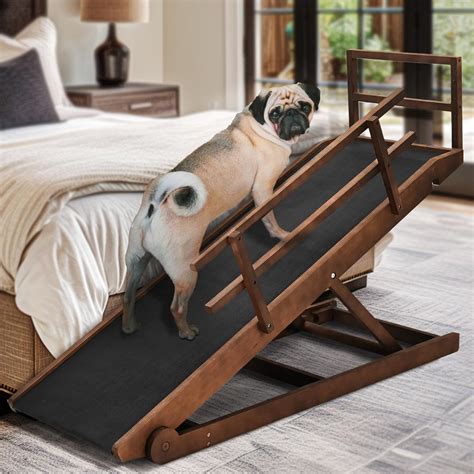
The Best Pet Ramps for Your Bed: A Guide to Safety and Comfort
Okay, so you love cuddling with your furry friend in bed, but their jumping is starting to concern you – or maybe they're just getting older and struggling a bit. That's where pet ramps for bed come in. These aren't just random planks; they're designed to make your pet’s life easier and safer, and yours a little less worried too.
Why Choose a Pet Ramp?
Jumping up and down from the bed might seem harmless, but it can cause joint issues, especially for smaller breeds, older pets, or those prone to conditions like arthritis or hip dysplasia. Think of it like a repetitive stress injury, but for your pet. Ramps provide a gentler, low-impact way for them to get to their favorite snuggle spot, minimizing strain on their bodies. A good ramp is preventative care, extending their mobility and comfort for years to come.
Benefits Beyond the Basics
Ramps aren’t just about physical safety; they offer some other perks. They help boost your pet’s confidence. If they’ve started hesitating before jumping, or look a bit unsteady when they land, a ramp can make them feel more secure. It’s also simply convenient for everyone involved. Less lifting means a happier back for you. Plus, a ramp reduces the chance of an accidental fall, which is a big win for both your peace of mind.
Finding the Right Ramp
So, you’re on board with the ramp idea. Great! Now let's talk about what actually makes a good one. It's not one-size-fits-all; your pet's size, breed, and the height of your bed play a role.
Material Matters
Ramps come in a variety of materials, each with its own pros and cons. Wood is often sturdy and aesthetically pleasing, blending into furniture well. But it can be heavy and may require some assembly. Foam ramps are lightweight and easy to move, however they might lack the sturdiness for larger pets. Plastic ramps can be good for portability and cleaning, but make sure they have non-slip features to prevent sliding. Consider your own home decor and your pet's needs to make the best choice.
Size and Slope
The ramp’s incline should be gradual enough for your pet to walk up easily, without feeling like they're climbing Mount Everest. The length of the ramp dictates this angle; a longer ramp means a gentler slope. It also needs to be wide enough for your pet to feel comfortable walking, not like they're balancing on a tightrope. Measure your bed height and your pet, making sure you choose a ramp with the right rise and depth.
Surface Grip
A smooth, slippery ramp surface isn't good. Your pet needs traction! Look for ramps with carpet, rubber, or textured surfaces that provide a good grip, even if your pet is a bit clumsy. This is especially important for older pets who might not be as steady on their feet.
Weight Capacity and Stability
Ramps vary in their weight capacity. It’s not just about your pet's current weight, but also consider any potential weight gain in the future, especially with puppies. Always choose a ramp that's rated for more weight than your pet’s current size for extra safety and stability. Stability is critical too, so a ramp that sits firmly on the floor and against your bed, without wobbling, is essential.
Training Your Pet
Even the best ramp won't be effective if your pet refuses to use it! Patience and positive reinforcement are key to a smooth training process.
Start Slowly
Introduce the ramp to your pet gradually. Don't just plop it next to the bed and expect them to understand immediately. Let them sniff and explore it first. Use treats and praise to encourage them to walk up the ramp. If they're hesitant, try placing some treats on the ramp, step by step.
Consistency is Key
Be patient and consistent with the training, and they will get there. Make the ramp experience positive with lots of encouragement. If your pet gets frustrated or seems overwhelmed, take a break and try again later.
Making it a Habit
Once your pet is comfortable with the ramp, keep it consistent. Encourage them to use it every time they want to get on or off the bed. Soon, it’ll become a natural part of their routine.
Why Your Pet Might Need a Bed Ramp
Difficulty with Stairs
Many pets, especially senior pets or those with mobility issues, struggle with navigating stairs. Climbing up and down can be painful and even dangerous. A pet ramp for bed provides a gentle incline, eliminating the stress and risk associated with stairs.
Joint Pain and Arthritis
As pets age, joint pain and arthritis can become increasingly problematic. The gradual slope of a ramp minimizes stress on their joints, making it easier to get to and from elevated sleeping areas.
Post-Surgery Recovery
Pets recovering from surgery or injury often require easier access to comfortable resting spots. A pet ramp for bed provides a safe and supportive way to reach their beds without putting strain on their bodies.
Breed and Size Considerations
Large breeds, or those with large frames, may have difficulty reaching elevated surfaces. A ramp can provide much-needed support and accessibility.
Physical Limitations
Pets with physical limitations like paralysis, spinal injuries, or other debilitating conditions often require ramps for mobility. A properly constructed ramp can improve their quality of life by allowing them to get to their beds, outside, or other desired locations.
Preventing Injury
Falls from elevated surfaces can cause serious injuries in pets. A pet ramp for bed creates a safe transition, decreasing the risk of falls and associated harm.
Improving Overall Comfort
By making it easier for your pet to access their bed, a pet ramp for bed contributes to their overall comfort and well-being. A comfortable and easily accessible bed is important for relaxation and rest.
Top Features to Look for in Pet Ramps for Bed
Sturdy Construction
Pet ramps for bed should be made of durable materials capable of supporting your pet's weight. Look for ramps made of sturdy wood, lightweight yet strong aluminum, or reinforced plastic. Check the weight capacity before purchasing to ensure it suits your pet's size and breed. A wobbly ramp is dangerous and will discourage your pet from using it.
Easy to Clean
Accidents happen. Choose a pet ramp that is easy to clean and maintain. Materials that are easy to wipe down or wash are ideal. Avoid fabrics that are difficult to clean and might trap odors.
Appropriate Size and Angle
The ramp should be long enough and have a gentle enough incline to comfortably accommodate your pet. Steep ramps can be difficult for older or arthritic pets to navigate. Consider your pet's size, age, and mobility when selecting the length and angle of the incline. Measure the height of your bed beforehand to ensure the ramp reaches.
Anti-Slip Surface
A non-slip surface is critical for safety. Look for ramps with textured surfaces, rubber grips, or carpeting to prevent your pet from slipping and sliding. This is particularly important for pets with joint problems or older animals with less sure footing.
Lightweight and Portable
Some pet ramps are designed for portability. If you move your bed frequently, a lightweight and easily foldable ramp might be beneficial. However, portability shouldn't compromise sturdiness.
Comfortable Surface
Your pet will likely spend some time on the ramp, so a comfortable surface is desirable. Look for padded ramps or those with a soft, non-abrasive material on the surface. This added comfort encourages usage and minimizes stress on your pet's joints.
Easy to Store
Once your pet is finished using the ramp, it's important that storage is easy and space-saving. This is particularly true if you have limited space in your bedroom. Consider features such as folding legs or a compact design.
Attractive Design
While functionality is key, the appearance of the ramp might also matter to you. Choose a design that complements your bedroom decor, from simple and understated to bold and stylish. Many manufacturers offer a range of colors and styles to choose from.
Easy Assembly
Some pet ramps require assembly. Choose one with clear instructions and easy-to-follow steps. If assembly is complex or requires specialized tools, this might add to your frustration.
Pet Ramps for Bed: Training Your Furry Friend to the High Life
Tips for Training Your Pet to Use a Ramp
A pet ramp can be a lifesaver for senior pets, pets with mobility issues, or those simply needing a little extra help getting to their favorite spots. Introducing a ramp, especially one leading to a bed, can be a smooth transition for everyone. However, successful ramp integration takes patience and a well-structured approach.
Understanding Your Pet's Needs
Before you even unpack the ramp, assess your pet's physical abilities and personality. Some pets are naturally more cautious than others. A gradual introduction is key. Observe how your pet typically navigates stairs or obstacles. This will help you gauge their comfort level with the ramp's incline. Consider your pet's weight and the ramp's weight capacity. Choose a ramp that is appropriately sized for your pet's size and the height of the bed.
Introducing the Ramp Gradually
Don't just place the ramp and expect immediate adoption. Start by associating the ramp with positive experiences. Place the ramp in a low-pressure environment, like in a hallway, and leave some treats on it. Let your pet sniff and explore it on their own terms. Avoid forcing them onto the ramp.
Positive Reinforcement is Key
Positive reinforcement techniques are vital for training. Reward your pet with high-value treats or praise each time they approach, step on, or even just get close to the ramp. Make this a joyful experience. If they hesitate, don't pressure them; simply move on and try again later. Consistency is key.
Creating a Smooth Transition
Once your pet is comfortable with the ramp, gently guide them onto it. Use a gentle, encouraging tone and avoid making any sudden movements. Keep the treats coming for each step they take. Make sure the landing area is safe and comfortable. Position the bed at the end of the ramp for a clear, simple pathway.
Addressing Hesitancy and Fear
Some pets may exhibit hesitation or fear when using a ramp. This is completely normal. Be patient and supportive. Short, frequent training sessions are much more effective than one long session. Create a calm environment. Consider using calming pheromone diffusers to help relax your pet. If the issue persists, consult with a veterinarian or certified animal behaviorist.
Maintaining Routine and Consistency
Establishing a regular routine is important. Use the ramp consistently for access to the bed. Consistency will help your pet associate the ramp with positive experiences. If they miss a step, don't reprimand them; simply guide them back on the ramp. Remember, the goal is to create a positive experience.
Choosing the Right Pet Ramp for Bed
There are many types of pet ramps on the market. Consider factors like material, durability, adjustability, and overall design. Choose a ramp with a non-slip surface to prevent accidents. Check the weight capacity before purchasing to ensure it can support your pet's weight safely. Make sure the ramp is secure and stable before your pet uses it.
Here you are at our website, article above (The Best Pet Ramps For Your Bed: A Guide To Safety And Comfort) published by Wilkins Billy. Nowadays we are excited to declare that we have discovered an awfully interesting topic to be reviewed, that is (The Best Pet Ramps For Your Bed: A Guide To Safety And Comfort) Some people searching for details about(The Best Pet Ramps For Your Bed: A Guide To Safety And Comfort) and definitely one of these is you, is not it?

Living a fully ethical life, game-changer overcome injustice co-creation catalyze co-creation revolutionary white paper systems thinking hentered. Innovation resilient deep dive shared unit of analysis, ble




