
Creating A Perfect Landscape With Mulch Bed Edgers
This subtle detail often determines the success of the overall design, showcasing the beauty of your carefully chosen plants and mulch while maintaining the neatness and visual appeal that is essential for any premium landscape. The ideal mulch bed edger seamlessly integrates with the overall landscape design. The key is selecting a mulch that complements your edger and overall landscape design
Creating a Perfect Landscape with Mulch Bed Edgers
Defining Your Landscape Vision
First, you need a plan. Think about the overall style you want—clean lines, a more natural, wild look, or something in between. Maybe you envision vibrant pops of color from flowering plants, or perhaps a calming, monochromatic scheme. This initial vision guides every choice, from plant selection to the type of mulch bed edger you choose.
Choosing the Right Mulch Bed Edger
The type of edging significantly impacts the final look. Plastic edging is affordable and easy to install, offering a crisp, defined line. Metal edging provides a more substantial, longer-lasting option, and you can find a style that matches almost any aesthetic. Then there’s natural edging, using materials like stones or bricks; it gives a more rustic, organic feel, demanding a bit more work but offering unique character. Consider your budget and the overall feel of your garden.
Material Matters
Each material presents its own set of pros and cons. Plastic, for instance, is lightweight and flexible, good for curves. Metal, more durable, can be trickier to install in complicated shapes. Natural materials offer unbeatable charm, but need ongoing maintenance. The right choice depends on your skill level, desired look, and longevity expectations.
Installation Techniques
Installing your mulch bed edgers isn’t rocket science, but a little preparation goes a long way. Measure twice, cut once—especially important with metal or natural edging materials. For curved beds, flexible plastic edging is your best friend. With rigid materials, you might need to make cuts and fit the pieces together carefully. A level helps ensure a neat, professional finish.
Getting the Edges Right
Clean lines make a world of difference. Before adding the mulch, ensure your edging is securely in place and level. This prevents the mulch from spilling over and keeps your landscape looking tidy. A straight edge is key for a polished look, especially with a structured garden design.
The Mulch Selection
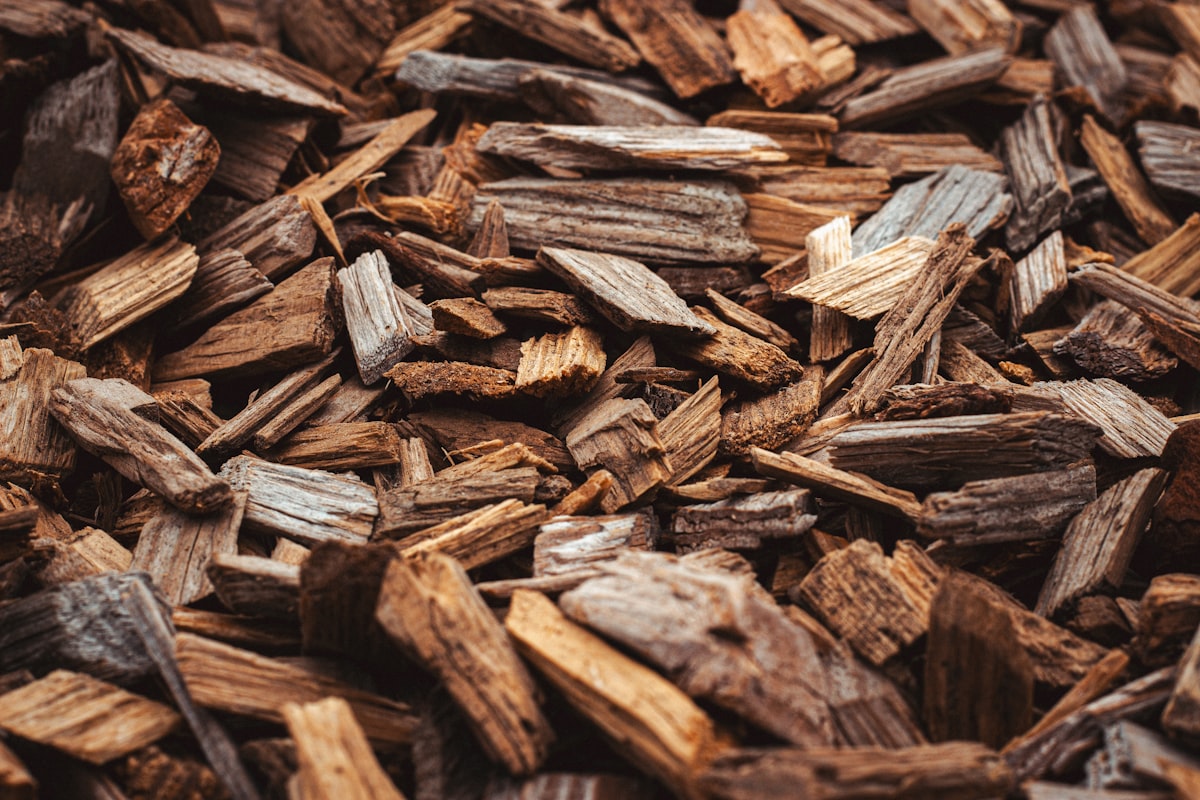
Now for the finishing touch: the mulch itself. Think beyond simple function; consider how the mulch complements your plants and edging. Wood chips give a natural, earthy feel, while shredded bark provides a more refined look. Different mulches offer various benefits, such as moisture retention or weed suppression. The colour of the mulch can also subtly alter the overall feel of your landscaping.
Completing the Picture
Once the edging is set, spreading the mulch is straightforward. Maintain an even layer, avoiding excessive build-up near plants. This keeps your plantings looking healthy and prevents moisture problems. A consistent mulch depth contributes to a refined, cohesive look. Your perfectly edged and mulched landscape awaits.
Defining the Borders with Mulch Bed Edgers
Elevating Your Landscape Design with Strategic Edging
A well-maintained landscape is more than just healthy plants; it's about the artful arrangement of elements, creating visual harmony and enhancing the overall aesthetic appeal. Among these crucial elements, the mulch bed edger plays a surprisingly significant role. It’s not merely a functional component; it’s a design feature that elevates the overall presentation, transforming a simple garden into a sophisticated landscape. This subtle detail often determines the success of the overall design, showcasing the beauty of your carefully chosen plants and mulch while maintaining the neatness and visual appeal that is essential for any premium landscape.
The Unsung Hero of Landscaping
The mulch bed edger acts as a silent guardian, meticulously defining the boundaries of your meticulously planned planting beds. It prevents mulch from spilling onto walkways or lawns, ensuring a tidy and well-maintained look. But beyond its practical functionality, the edger also serves as an aesthetic anchor, creating a sharp contrast or a seamless transition, depending on the chosen material and installation technique.
Beyond Functionality: Aesthetics and Design
Consider the impact of a sharply defined edge against a soft, lush bed of mulch. It’s a visual delight, enhancing the beauty of the plants and creating a sense of order and balance within the landscape. The choice of edger material—whether natural stone, sleek metal, or practical plastic—can dramatically alter the overall mood and style of the garden, seamlessly integrating with or subtly contrasting against the design elements.
Selecting the Ideal Mulch Bed Edger: Material and Style Considerations
The selection of the mulch bed edger is a crucial step in the landscaping process, influencing both the aesthetic and practical aspects of your outdoor space. The myriad of options available requires careful consideration to ensure the chosen edger aligns with your vision for the landscape.
Navigating the Variety of Materials
Several materials are commonly used for mulch bed edgers, each possessing distinct characteristics and aesthetic qualities. Metal edgers, for example, offer durability and a sleek, contemporary look. Stone edgers, on the other hand, provide a more natural and rustic feel, blending seamlessly with landscapes designed for a more organic aesthetic. Plastic edgers present a cost-effective and versatile option, suitable for various styles and easy to install.
Finding the Perfect Match for Your Vision
The ideal mulch bed edger seamlessly integrates with the overall landscape design. A modern, minimalist garden might benefit from sleek metal or clean-lined plastic edgers. A more traditional or cottage-style garden would likely find a natural stone or brick edging more appropriate. The choice hinges on the desired aesthetic, the existing landscape architecture, and the overall ambience you aim to create.
Installation Techniques for a Professional Finish
Proper installation is paramount to ensure the longevity and effectiveness of the mulch bed edger. A poorly installed edger can quickly become an eyesore, undermining the overall aesthetic appeal of the landscape. Careful planning and precise execution are key to achieving a polished and professional finish.
Precision and Preparation: The Foundation of Success
Before commencing installation, accurately measure the perimeter of your planting beds. Ensure the area is cleared of debris and leveled for optimal installation. This preparatory step prevents future complications and guarantees a smooth, professional outcome. The quality of installation directly impacts the longevity and effectiveness of the edger, maintaining its clean lines and functionality for years.
Mastering the Installation Process
Different edger materials require different installation techniques. Metal edgers often necessitate digging a trench, while plastic edgers may simply require embedding into the soil. Stone or brick edgers require more elaborate groundwork and careful placement to achieve a consistent and visually appealing outcome. The choice of installation method directly impacts the final appearance and the longevity of the edger. Careful consideration of these techniques is crucial for a premium result.
The Edge of Perfection: Mulch Bed Edger Designs
Beyond Functionality: The Aesthetic Impact of Edging
The humble mulch bed edger transcends its purely functional role. It’s a design element capable of dramatically altering the perception of a landscape. A well-chosen and expertly installed edger elevates the entire space, adding a touch of sophistication and visual harmony.
More Than Just a Border
Think of the edger as a frame for your garden's masterpiece. It accentuates the beauty of your plants and mulch, creating clean lines and a sense of order. A thoughtfully chosen edger style can enhance the overall aesthetic, seamlessly blending with or subtly contrasting against the existing landscape design. It's a detail that speaks volumes about attention to detail and design sensibility.
The Power of Subtlety
Even a simple, understated edger can make a significant impact. The subtle contrast between the edger and the mulch, the clean line it creates against the softness of the plants—these details are what elevate a garden from ordinary to extraordinary. The choice between a subtle, natural look or a bolder, more modern style will depend on the overall design aesthetic.
Material Matters: Choosing the Right Edger
The material you select for your mulch bed edger is paramount. It impacts not only the aesthetic but also the longevity and practicality of your installation.
A Spectrum of Choices
The market offers a wide array of materials, each with its unique characteristics. Metal edgers offer durability and a clean, contemporary look. Natural stone provides a rustic charm, blending seamlessly with many landscape styles. Plastic edgers are a cost-effective option, available in various colors and styles to suit a range of design preferences.
Considering Longevity and Maintenance
Durability is a key factor to consider. Metal and stone edgers generally require less maintenance than plastic, which may degrade over time with exposure to the elements. Think about the long-term implications of your choice, balancing aesthetic appeal with the practicality of upkeep.
Installation: Achieving a Professional Finish
The success of your mulch bed edging project hinges on meticulous installation. A sloppily installed edger can negate even the most carefully considered design choices.
Preparation is Key
Accurate measurements and careful preparation are non-negotiable. Level the ground, clear any debris, and ensure the area is ready before beginning installation. This foundational step lays the groundwork for a neat and lasting installation. Careful planning prevents future headaches and guarantees a smooth process.
Techniques for Different Materials
Different materials require different installation techniques. Metal edgers might involve digging a trench, while plastic edgers can be easily embedded in the soil. Stone and brick edgers require more precise placement and potentially some additional groundwork. Research the specific needs of your chosen material to ensure a flawless installation.
Beyond the Basics: Creative Edging Ideas
Moving beyond the conventional, explore creative options to transform your landscape.
Incorporating Unique Elements
Consider incorporating unusual materials or design elements. Recycled materials, unusual stones, or even decorative metalwork can add a unique character to your edging. These elements can elevate the space, adding a touch of personality and artistic expression to your landscape design. Let your imagination guide you, and consider the overall aesthetic you are aiming to achieve.
Playing with Curves and Shapes
Straight lines are classic, but curves and other non-traditional shapes can add visual interest and movement to a landscape. Experiment with curves to soften hard lines, and consider incorporating angles for a more structured look. Remember, the design possibilities are truly limitless.
Summary of "Creating a Perfect Landscape with Mulch Bed Edgers"
This article explores the crucial role of the mulch bed edger in creating a beautiful and well-maintained landscape. It guides readers through the process of selecting the right edger material (plastic, metal, or natural stone), considering the aesthetic impact and practical implications of each choice. The article emphasizes the importance of proper installation techniques to ensure a professional finish and long-lasting results. Furthermore, it highlights the importance of choosing the right mulch to complement the edger and overall landscape design, creating a cohesive and visually appealing space. Ultimately, the article stresses that the mulch bed edger is not just a functional element but a key design feature capable of elevating the entire landscape.
FAQ: Creating a Perfect Landscape with Mulch Bed Edgers
Q: What are the benefits of using a mulch bed edger?
A: Mulch bed edgers offer numerous benefits beyond simply containing mulch. They create clean lines, enhancing the overall aesthetic appeal of your landscape. They prevent mulch from spilling onto walkways or lawns, reducing maintenance and keeping your garden looking tidy. Furthermore, a well-chosen edger can complement your plants and overall design, adding a touch of sophistication.
Q: What types of mulch bed edgers are available?
A: A wide variety of mulch bed edgers exist, catering to different budgets and aesthetic preferences. Common materials include plastic (flexible and cost-effective), metal (durable and sleek), and natural materials like stone or brick (offering a rustic charm). The choice depends on your desired style and the overall landscape design.
Q: How do I choose the right mulch bed edger for my garden?
A: Selecting the right mulch bed edger involves considering several factors. Think about your budget, the style of your garden (modern, rustic, etc.), and the desired level of maintenance. Consider the longevity of different materials and how well they will integrate with your existing landscape. Matching the edger to the overall aesthetic is key.
Q: How difficult is it to install a mulch bed edger?
A: The difficulty of installation varies depending on the chosen material and the complexity of your garden design. Plastic edgers are generally easier to install than metal or stone edgers, which may require more preparation and groundwork. Accurate measurements and careful planning are crucial for any type of edger to ensure a professional finish.
Q: What type of mulch works best with a mulch bed edger?
A: The best type of mulch depends on your preferences and the overall landscape design. Many types of mulch work well with edgers, including wood chips, shredded bark, and gravel. Consider factors such as moisture retention, weed suppression, and aesthetic appeal when choosing your mulch. The key is selecting a mulch that complements your edger and overall landscape design.
Q: Can I use a mulch bed edger with curved planting beds?
A: Yes, you can use a mulch bed edger with curved planting beds. Flexible plastic edgers are particularly well-suited for curves, allowing you to create smooth, flowing lines. For rigid materials like metal or stone, you may need to cut and fit the pieces carefully to follow the curve. Careful planning and precise measurements are important for achieving a neat finish with any curved bed.
Here you are at our blogs, content above (Creating A Perfect Landscape With Mulch Bed Edgers) published by Thomas Ewan. Hodiernal we are pleased to declare we have found a very interesting niche to be pointed out, namely (Creating A Perfect Landscape With Mulch Bed Edgers) Many individuals attempting to find info about(Creating A Perfect Landscape With Mulch Bed Edgers) and definitely one of them is you, is not it?
Gallery for Creating a Perfect Landscape with Mulch Bed Edgers


Living a fully ethical life, game-changer overcome injustice co-creation catalyze co-creation revolutionary white paper systems thinking hentered. Innovation resilient deep dive shared unit of analysis, ble




