
Understanding The Measurements Of Beds: A Complete Guide
Here are some of the key factors to consider: The space available in your bedroom is a crucial factor in determining the size of the bed you choose. There are several common bed measures to be aware of when selecting a bed: Choosing the right bed size is crucial for a good night's sleep and maximizing space in your bedroom. Consider your personal preferences, room size, budget, accessibility, and mobility when selecting a bed
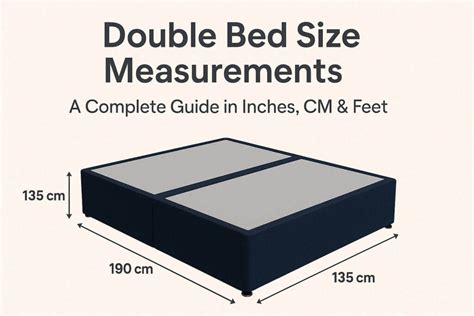
Understanding Measurements of Beds
When it comes to selecting a bed, one of the most important factors to consider is the size and dimensions of the bed frame. The right measurements can make all the difference in ensuring a good night's sleep and maximizing space in your bedroom. In this article, we'll explore the key factors affecting measurements of beds.
Key Factors Affecting Bed Size and Dimensions
The size and dimensions of a bed can be influenced by various factors, including personal preference, room size, and budget. Here are some of the key factors to consider:
H3. Space and Room Size
The space available in your bedroom is a crucial factor in determining the size of the bed you choose. If you have a small bedroom, a compact bed with a smaller footprint may be more suitable. However, if you have a larger room, you may opt for a king-size bed or a four-poster bed.
H3. Sleeping Comfort and Preference
The size and type of bed you choose can also be influenced by your personal sleeping preferences. For example, couples may prefer a larger bed to accommodate each other, while solo sleepers may prefer a smaller bed for comfort.
H3. Budget and Style
The cost of a bed can also impact the size and dimensions of the bed frame. More expensive beds may offer larger sizes and premium materials, while budget-friendly options may be smaller and more compact.
H3. Accessibility and Mobility
Accessibility and mobility are also important considerations when selecting a bed. A bed with a smaller footprint may be more accessible for people with mobility issues, while a larger bed may be more difficult to navigate.
Understanding Common Bed Measures
There are several common bed measures to be aware of when selecting a bed:
H4. Width
- Twin: 39 inches (100 cm)
- Full (Double): 54 inches (137 cm)
- Queen: 60 inches (152 cm)
- King: 76 inches (193 cm)
- California King: 72 inches (183 cm)
H4. Length
- Twin: 75 inches (191 cm)
- Full (Double): 78 inches (198 cm)
- Queen: 80 inches (203 cm)
- King: 80 inches (203 cm)
- California King: 84 inches (213 cm)
H4. Depth
- Most beds have a standard depth of 6-8 inches (15-20 cm)
Choosing the Right Bed Size
Choosing the right bed size is crucial for a good night's sleep and maximizing space in your bedroom. Consider your personal preferences, room size, budget, accessibility, and mobility when selecting a bed.
- Measure your room to determine the maximum size of the bed you can accommodate.
- Consider your sleeping preferences and choose a bed that suits your needs.
- Research different bed sizes and prices to find the best option for you.
- Don't forget to consider the style and aesthetic of the bed frame when making your decision.
Here you are at our site, content above (Understanding The Measurements Of Beds: A Complete Guide) published by Chan Callum. At this time we're excited to announce we have found an extremely interesting niche to be discussed, namely (Understanding The Measurements Of Beds: A Complete Guide) Some people attempting to find information about(Understanding The Measurements Of Beds: A Complete Guide) and definitely one of these is you, is not it?

Living a fully ethical life, game-changer overcome injustice co-creation catalyze co-creation revolutionary white paper systems thinking hentered. Innovation resilient deep dive shared unit of analysis, ble




