
Understanding Full Bed Measurements
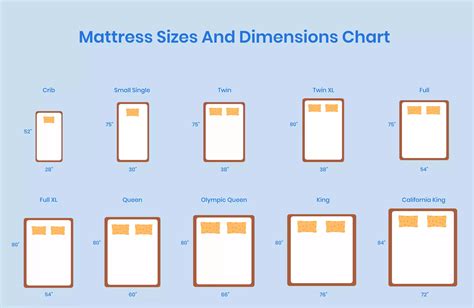
Some manufacturers offer full beds with extended lengths, such as 80 inches instead of the standard 75 inches, which can be more comfortable for taller individuals. A full bed typically measures 54 inches in width and 75 inches in length, offering more space than a twin bed while still being compact enough for smaller rooms. The standard measurements of a full bed are 54 inches in width and 75 inches in length
The Basics of Full Bed Sizes
When it comes to choosing the right bed size, understanding the measurements of a full bed is essential. A full bed, also known as a double bed, is a popular choice for individuals who want more room than a twin but don't need the space of a queen-sized bed. The dimensions of a full bed make it a good option for smaller bedrooms or for people who like to spread out a bit more while sleeping. But how do full bed measurements compare to other sizes, and what exactly are those measurements?
Standard Measurements of a Full Bed
The most common measurements of a full bed are 54 inches wide by 75 inches long. This gives you just enough space to sleep comfortably without taking up the entire room. The width allows for a single sleeper to spread out while providing enough length for average height individuals. However, if you're taller than average, you might find the 75-inch length a little restrictive.
Full Bed vs. Other Bed Sizes
Full beds are often compared to twin and queen beds. A twin bed measures 38 inches wide by 75 inches long, making it the smallest size suitable for an adult. In contrast, a queen bed is 60 inches wide by 80 inches long, offering more space. Understanding these differences can help you decide which bed size works best for your room and your personal preferences.
Considerations for Room Dimensions
When planning your space, keep in mind the dimensions of a full bed in relation to the room size. A full bed can comfortably fit in most rooms, but it's important to account for extra space around the bed for movement and furniture placement. If you're working with a smaller bedroom, you might want to measure your available space carefully to make sure the bed doesn’t crowd the room.
Bed Frame Options for Full Beds
Choosing the right bed frame to go with your full-sized mattress is just as important as knowing the measurements. Bed frames for full beds typically come in various styles, such as platform, storage, or traditional frames. The right frame can enhance the look and functionality of your room, so consider your aesthetic preferences and storage needs when making your choice.
Mattresses and Bedding for Full Beds
When purchasing bedding for a full bed, it's important to look for sheets, blankets, and comforters that match the standard full bed dimensions of 54 by 75 inches. A mattress that fits properly will ensure that you get a good night's sleep, so be sure to confirm the mattress dimensions before purchasing. Opting for custom or thicker mattresses may alter the comfort level of your bed, so it’s worth checking if your bedding can still accommodate any changes.
1. Overview of Full Bed Dimensions
Understanding the measurements of a full bed is key when selecting the right bed size for your needs. A full bed is one of the most popular mattress sizes, particularly for single sleepers who want more space than a twin mattress but don’t need the extra room of a queen or king-sized bed. The size of a full bed offers a balanced combination of comfort and practicality, making it suitable for smaller bedrooms, guest rooms, and even studio apartments.
A full bed typically measures 54 inches in width and 75 inches in length. This provides a solid amount of space for a single person, offering more room to stretch out compared to a twin bed, while still being compact enough for spaces where square footage is limited. The dimensions of a full bed make it versatile, providing enough space for one adult while not taking over the entire room.
Common Uses of Full Bed Sizes
Full beds are often chosen for guest rooms, children's rooms, or small apartments. They can comfortably accommodate an adult who enjoys a little extra room or someone who may sleep with a pet. Full beds can also serve as great options for couples who don't mind sharing a slightly smaller sleeping area, though it may feel a bit cramped compared to larger bed sizes.
Why Choose a Full Bed?
A full bed is an excellent middle-ground option, offering more sleeping space than a twin while being more space-efficient than a queen or king bed. People often choose a full bed if they need a bed for one person but want to avoid the limitations of a twin-sized mattress. They are particularly beneficial for individuals who may live in smaller apartments or dorms where maximizing space is essential, while still providing enough comfort for restful sleep.
Another appealing factor is the affordability of full-sized mattresses. Compared to larger bed sizes, full beds generally come at a more budget-friendly price point, making them a great choice for anyone looking for quality sleep without breaking the bank.
2. Standard Measurements of a Full Bed
When it comes to choosing a bed, knowing the exact measurements of a full bed can help you make an informed decision. A full bed, sometimes referred to as a double bed, has a standard size that falls between the smaller twin and larger queen mattresses. Its dimensions strike a balance between comfort and space efficiency, offering a generous sleeping area for individuals without overwhelming smaller rooms.
A typical full bed mattress measures 54 inches in width and 75 inches in length. These measurements offer ample space for a single sleeper to rest comfortably while maintaining a practical footprint. It provides enough width to move around during sleep, yet it remains compact enough to fit in smaller spaces like apartments or guest rooms.
Importance of Accurate Measurements
Getting the right measurements is crucial when purchasing bedding, mattresses, or frames for a full-sized bed. With a width of 54 inches and a length of 75 inches, it’s essential to ensure that sheets, blankets, and comforters are sized appropriately to fit snugly on the mattress. Incorrect measurements can result in bedding that’s either too tight or too loose, detracting from the overall sleeping experience.
Moreover, if you’re considering additional accessories, like mattress toppers or protectors, it's important to confirm that they fit the standard dimensions. Choosing items that are designed specifically for full-sized beds ensures optimal comfort and longevity.
How the Standard Size Compares to Other Bed Sizes
To put the standard full bed measurements into context, it’s useful to compare them with other common bed sizes. A twin bed, often the go-to choice for children or small rooms, measures 38 inches wide by 75 inches long. While it’s a more compact option, it lacks the extra width that many adults desire for more comfortable sleep.
On the other end of the spectrum, a queen bed measures 60 inches wide by 80 inches long, providing significantly more room for sleepers. Though it’s a great choice for couples or people who need extra space, it can take up a lot of room in smaller bedrooms. A full bed provides a happy medium, offering comfort and space without overwhelming the room.
Custom Full Bed Options
While the standard full bed size remains consistent, there are also variations available. Some manufacturers offer full beds with extended lengths, such as 80 inches instead of the standard 75 inches, which can be more comfortable for taller individuals. If you're someone who needs more length to sleep comfortably, checking for these custom-sized options can be a great solution.
No matter the specific needs or preferences, understanding the standard measurements of a full bed is the first step in ensuring that you select the right size mattress and accessories for your home.
Summary
The "measurements of a full bed" are crucial for choosing the right mattress, bedding, and frame for your bedroom. A full bed typically measures 54 inches in width and 75 inches in length, offering more space than a twin bed while still being compact enough for smaller rooms. This size is perfect for individuals who need extra room to stretch out but don’t want a bed that dominates the space. Understanding full bed dimensions helps you make informed decisions when selecting sheets, blankets, or mattress accessories.
A full bed is a versatile option, ideal for guest rooms, apartments, or small bedrooms. Compared to other bed sizes like twin or queen, a full bed strikes a balance between comfort and space efficiency. It also offers cost-effective solutions without compromising on sleep quality. Whether you're looking for a budget-friendly option or need additional room for a good night’s rest, the measurements of a full bed will guide you to the best choice for your needs.
FAQ Section
1. What are the measurements of a full bed?
The standard measurements of a full bed are 54 inches in width and 75 inches in length. These dimensions provide enough space for a single sleeper to comfortably stretch out without taking up too much room in a smaller bedroom or apartment.
2. How does the size of a full bed compare to other mattress sizes?
The measurements of a full bed fall between twin and queen sizes. A twin bed measures 38 inches wide by 75 inches long, making it narrower and better suited for one person. A queen bed, on the other hand, is 60 inches wide by 80 inches long, providing more space for couples or individuals who need extra room. A full bed offers a balance of width and length, providing comfort while maintaining space efficiency.
3. Are there different types of full bed measurements?
While the standard measurements of a full bed are 54 inches by 75 inches, some manufacturers offer variations such as full beds with extended lengths (e.g., 80 inches) to accommodate taller individuals. These custom options can be a good choice if you find the standard length too short.
4. How do I choose the right bedding for the measurements of a full bed?
When selecting bedding for a full bed, it's important to look for sheets, blankets, and comforters that fit the standard 54-inch by 75-inch mattress size. If you opt for a thicker mattress or custom-sized bed, make sure to choose bedding designed for those dimensions to ensure a proper fit and optimal comfort.
5. Is a full bed the right choice for couples?
While the measurements of a full bed are suitable for one person, some couples choose full-sized beds for their smaller footprint and affordable price. However, couples may find the 54-inch width a bit tight compared to a queen bed, which offers more space for shared sleeping. It depends on personal preference and the available space in the bedroom.
Thanks for visiting our blogs, article above (Understanding Full Bed Measurements) published by James Dylan. Today we are excited to announce that we have found an incredibly interesting topic to be pointed out, namely (Understanding Full Bed Measurements) Lots of people attempting to find specifics of(Understanding Full Bed Measurements) and definitely one of them is you, is not it?

Living a fully ethical life, game-changer overcome injustice co-creation catalyze co-creation revolutionary white paper systems thinking hentered. Innovation resilient deep dive shared unit of analysis, ble




