
The Ultimate Guide To Mattress Encasements For Bed Bugs
There are two main types of mattress encasements: When choosing a mattress encasement, there are several factors to consider: Mattress encasements are made from a variety of materials, including polyester, cotton, and vinyl. Look for encasements made from tightly woven, durable fabric that bed bugs cannot penetrate. Look for encasements made of: Ensure the encasement fits your mattress perfectly
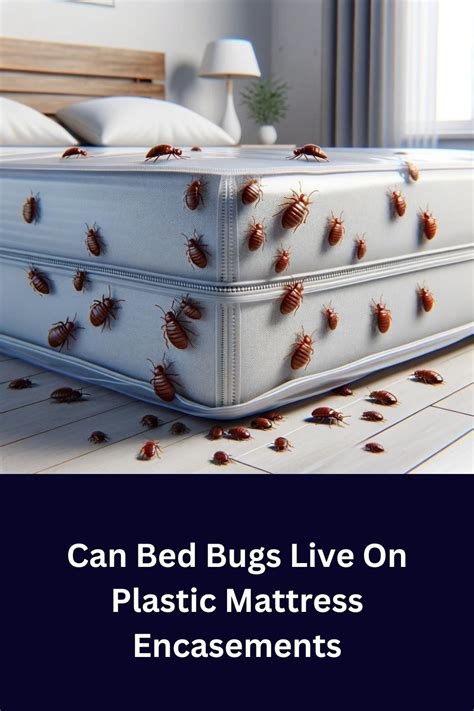
The Ultimate Guide to Mattress Encasements for Bed Bugs
Mattress encasements are a popular solution for preventing and controlling bed bug infestations. These special covers completely encase your mattress and box spring, creating a barrier that bed bugs cannot penetrate. By using a mattress encasement, you can protect yourself from existing bed bugs and prevent new infestations from taking hold.
advantages of mattress encasements
Physical Barrier
Mattress encasements create a physical barrier that bed bugs cannot penetrate. This means that any bed bugs already living in your mattress will be trapped inside and unable to bite you. It also prevents new bed bugs from infesting your mattress.
Easy to Use
Mattress encasements are relatively easy to use. Simply remove your bedding, unzip the encasement, and slide it over your mattress and box spring. Once the encasement is securely in place, zip it up and replace your bedding.
Long-Lasting
Mattress encasements are designed to last for several years, so you can enjoy long-term protection from bed bugs. They are also easy to clean, so you can keep them fresh and free from allergens.
Cost-Effective
Mattress encasements are a cost-effective solution for bed bug prevention and control. They are typically less expensive than other bed bug treatments, such as chemical sprays or heat treatments.
types of mattress encasements
There are two main types of mattress encasements:
- Bed Bug Proof Encasements: These encasements are specifically designed to prevent and control bed bug infestations. They are made from tightly woven fabric that bed bugs cannot penetrate.
- Allergy Proof Encasements: These encasements are designed to protect against allergens, such as dust mites and pet dander. They are typically made from breathable fabric that is comfortable to sleep on.
Factors to consider when choosing a mattress encasement
When choosing a mattress encasement, there are several factors to consider:
Material
Mattress encasements are made from a variety of materials, including polyester, cotton, and vinyl. Some materials are more durable and bed bug proof than others. Look for encasements made from tightly woven, durable fabric that bed bugs cannot penetrate.
Breathability
Mattress encasements should be breathable to prevent condensation and mold growth. Look for encasements that are made from breathable fabric or have vents to allow air flow.
Zipper Quality
The quality of the zipper is important for the effectiveness of the encasement. Look for encasements with heavy-duty, locking zippers that will not come undone or allow bed bugs to escape.
Size
Mattress encasements come in a variety of sizes to fit different mattress and box spring sizes. Make sure to choose the right size for your bed to ensure a proper fit.
Certifications
Look for encasements that have been certified by independent testing organizations, such as the Food and Drug Administration (FDA) or the Environmental Protection Agency (EPA). These certifications ensure that the encasement meets certain standards for safety and effectiveness.
how to use a mattress encasement
Using a mattress encasement is relatively easy. Here are the steps to follow:
- Remove all bedding from your mattress and box spring.
- Unzip the mattress encasement and carefully slide it over your mattress and box spring.
- Once the encasement is in place, zip it up securely.
- Replace your bedding and make your bed as usual.
Mattress encasements should be left on for several years to ensure long-term protection from bed bugs. They are also easy to remove and clean as needed.
Tips for maintaining a mattress encasement
To ensure the effectiveness of your mattress encasement, follow these tips for maintenance:
- Inspect the encasement regularly for signs of wear or damage.
- Clean the encasement as needed using a vacuum or mild detergent.
- Check the zipper regularly to ensure it is securely closed.
- Replace the encasement if it becomes damaged or worn.
Conclusion
Mattress encasements are an effective solution for preventing and controlling bed bug infestations. They offer a physical barrier that bed bugs cannot penetrate, are easy to use, and cost-effective. When choosing a mattress encasement, consider the material, breathability, zipper quality, size, and certifications. With proper use and maintenance, mattress encasements can provide long-term protection from bed bugs.
How Mattress Encasements Prevent Bed Bug Infestations
Understanding the Problem: Mattress Encasement Bed Bugs
Bed bugs are a significant concern for homeowners and travelers alike. These pesky insects can infest your mattress, causing discomfort, itchiness, and even anxiety. One of the most effective ways to prevent bed bug infestations is by using a mattress encasement.
What are Mattress Encasements?
Purpose and Benefits
Mattress encasements are designed to cover your mattress completely, providing a barrier against bed bugs, dust mites, and other allergens. They are typically made of a breathable fabric, such as cotton or polyester, and are available in various sizes to fit different types of mattresses.
How Mattress Encasements Work
Mattress encasements work by:
- Trapping bed bugs inside: When bed bugs try to crawl onto the mattress, they get trapped inside the encasement.
- Preventing re-infestation: The encasement prevents bed bugs from escaping or re-infesting the mattress.
- Reducing dust and allergens: The breathable fabric of the encasement prevents dust and allergens from accumulating on the mattress.
Choosing the Right Mattress Encasement for Bed Bug Prevention
Material Matters
When choosing a mattress encasement for bed bug prevention, it's essential to consider the material. Look for encasements made of:
- Breatheable fabrics: Cotton, polyester, or bamboo-based fabrics are great options.
- Tight weave: A tight weave prevents bed bugs from escaping or re-infesting the mattress.
Size and Fit
Size and Fit Matters
Ensure the encasement fits your mattress perfectly. A snug fit is crucial in preventing bed bugs from getting trapped between the encasement and the mattress.
Installing and Maintaining Your Mattress Encasement
Easy Installation
Installing a mattress encasement is a straightforward process:
- Place the encasement on the mattress: Simply slip the mattress into the encasement and zip it up.
- Check for any gaps: Ensure there are no gaps or holes in the encasement.
Regular Maintenance
To keep your mattress encasement effective:
- Regularly inspect the encasement: Check for any signs of bed bugs or damage.
- Wash the encasement: Wash the encasement regularly to prevent the buildup of bed bugs or their eggs.
Combining Mattress Encasements with Other Bed Bug Prevention Strategies
While mattress encasements are an effective way to prevent bed bug infestations, they should be combined with other strategies to ensure optimal results:
- Conduct regular inspections: Regularly inspect your mattress, bedding, and furniture for signs of bed bugs.
- Use a bed bug-proof laundry bag: When washing bedding or clothing, use a bed bug-proof laundry bag to prevent re-infestation.
Thanks for visiting our blogs, article above (The Ultimate Guide To Mattress Encasements For Bed Bugs) published by Johnson Ben. Nowadays we are delighted to declare we have found an incredibly interesting niche to be pointed out, namely (The Ultimate Guide To Mattress Encasements For Bed Bugs) Most people searching for details about(The Ultimate Guide To Mattress Encasements For Bed Bugs) and of course one of these is you, is not it?

Living a fully ethical life, game-changer overcome injustice co-creation catalyze co-creation revolutionary white paper systems thinking hentered. Innovation resilient deep dive shared unit of analysis, ble




