
How Mattress Covers Can Protect Against Bed Bugs: A Complete Guide
The tightly woven fabric and zippered closures create a physical barrier that prevents bed bugs from entering or escaping the mattress. Using effective mattress covers bed bugs can significantly limit the population and spread of these pests within your home. Ensure that the cover fits your mattress snugly; an ill-fitting cover can have gaps where bed bugs can still get in or out
How Mattress Covers Can Protect Against Bed Bugs: A Complete Guide
Bed bugs, tiny pests, can turn a peaceful bedroom into a nightmare. Protecting your mattress is a key step in the fight, and that's where mattress covers come in handy.
Understanding the Enemy: Bed Bugs
Before diving into protection, let's acknowledge these pests. They're small, flat, and reddish-brown. Bed bugs are nocturnal, drawn to warmth and carbon dioxide we exhale. They hide in seams, crevices, and other spots close to their human hosts, and your mattress is a prime target. Recognizing the signs of an infestation early is crucial – think small blood stains, shed skins, or a musty odor.
How Mattress Covers Help
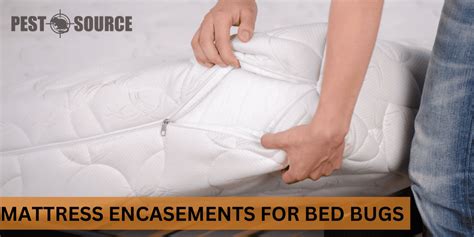
Mattress covers act as a physical barrier. Think of it like a fortress for your bed. A quality cover completely encases your mattress, preventing bed bugs from getting in. It also traps any existing bugs inside, eventually leading to their demise (if they're there to begin with).
Types of Mattress Covers for Bed Bug Protection
Not all mattress covers are created equal. For bed bug defense, look for specific features:
- Encasement: This is critical. Encasement covers completely surround the mattress, sealing all sides with a zipper.
- Zipper Quality: The zipper needs to be robust and tightly sealed. Look for zippers with locking mechanisms to prevent bugs from sneaking through.
- Material: Durable, tightly woven fabrics are a must. Materials like polyester or microfiber are excellent choices because bed bugs can’t easily penetrate them.
- Waterproof or Water-Resistant: While not exclusively for bed bugs, choosing a cover with some moisture protection is smart for overall mattress care and will prevent mold growth as a consequence of other things, like sweat.
Installation and Maintenance
Installing a mattress cover correctly is super important. Start by completely removing any existing bedding. Carefully slip the cover over the mattress, ensuring all edges are covered. Double-check that the zipper is fully closed and locked, if it has the function. Regularly inspect the cover for damage, rips, or tears. Minor tears should be repaired immediately to keep the barrier intact. Cleaning protocols typically involve wiping down the cover with a damp cloth, following manufacturer instructions.
Choosing the Right Cover
Picking the right mattress cover is a worthwhile investment. Consider your mattress size and depth. It's better to have slightly more than less. Check reviews and look for brands specializing in bed bug prevention. Don’t just go by the price.
Combining Strategies for Success
While a mattress cover provides crucial protection, it’s just one piece of the puzzle. Regularly vacuum your bedroom, especially around the bed. Wash bedding frequently in hot water. If you suspect a full infestation, professional pest control might be your best bet.
Beyond the Mattress
Don't forget other areas that bed bugs love to inhabit. Covers for box springs and pillows will strengthen your home's defense. Also remember to check your furniture and belongings after traveling, or when bringing in used or second-hand items.
Understanding the Role of Mattress Covers in Bed Bug Prevention
Why Mattress Covers Are Important in the Fight Against Bed Bugs
Mattress covers, particularly those designed for bed bug prevention, serve as a crucial barrier in protecting your sleep environment. Unlike standard mattress protectors focused on spills and stains, these specialized covers are engineered with features that impede bed bug infestations. The tightly woven fabric and zippered closures create a physical barrier that prevents bed bugs from entering or escaping the mattress. This isolation strategy is vital because mattresses offer ideal harborage for bed bugs, providing them with dark, secluded spaces to breed and live. Using effective mattress covers bed bugs can significantly limit the population and spread of these pests within your home.
How Effective Mattress Covers Combat Bed Bugs
The effectiveness of mattress covers bed bugs rests on several key features. First, the fabric must be tightly woven and non-porous. This prevents bed bugs, especially the tiny nymphs, from being able to penetrate and establish themselves within the mattress. Second, the zipper closure should be of high quality and completely sealed when closed. Many covers feature a zipper locking mechanism or a fabric flap over the zipper to ensure complete closure. This prevents bed bugs from squeezing through the zipper teeth. By encasing your mattress entirely, these covers deny bed bugs access to their primary hiding place, limiting their growth and making them more susceptible to other control methods.
Choosing the Right Mattress Cover for Bed Bug Protection
Selecting the correct mattress covers bed bugs is critical for achieving effective prevention. Look for covers specifically labeled as “bed bug proof” or “bed bug encasement.” These products will have undergone testing to ensure they meet the standards for blocking bed bug entry. The materials should be durable, breathable, and easy to clean. Vinyl or polyethylene covers offer excellent barrier protection, but may not be comfortable for all users. Fabric options with a laminated or polyurethane backing provide a more comfortable and breathable option while maintaining adequate protection. Ensure that the cover fits your mattress snugly; an ill-fitting cover can have gaps where bed bugs can still get in or out. Consider your budget and consider that higher quality covers may offer better long term protection.
Using Mattress Covers as Part of an Integrated Pest Management Strategy
It's crucial to understand that mattress covers bed bugs are not a standalone solution. They are most effective when integrated into a comprehensive pest management plan. This includes regular inspections of bedding and furniture, washing bedding frequently in hot water, and vacuuming regularly. In case of a heavy infestation, it is best to call a professional pest control service. The use of mattress encasements provides a strong first line of defence for your sleep environment; but it should be used in combination with other steps to eliminate any existing bed bug population and prevent future problems.
Key Features to Look for in Bed Bug-Proof Mattress Covers
Fabric Construction
A crucial aspect of effective bed bug protection lies in the fabric's weave and material. Look for tightly woven fabrics, preferably with a thread count of at least 200. This dense weave will prevent bed bugs from penetrating the cover. Consider materials like cotton, polyester, or blends designed specifically for bed bug resistance. Avoid materials with large gaps or loose weaves.
Zipper Construction
A robust and well-designed zipper is vital. A zipper with a strong, smooth action is essential for easy application and removal. The zipper should extend the entire length of the cover, and its teeth should be closely fitted to prevent bed bugs from gaining access. Double zippers are sometimes preferred for increased security.
Sealing Capabilities
The cover's ability to seal seams and edges effectively is important. Look for covers with tight, reinforced seams and edges. This prevents bed bugs from hiding beneath the seams or edges of the cover. Consider covers with reinforced edges that prevent any undercutting or gap formation.
Washing Instructions
Proper care and maintenance are essential for maintaining bed bug protection. The mattress cover should be machine washable, preferably at a high temperature (130°F or higher). Look for covers that are marked as suitable for a high-heat wash to ensure optimal sanitization. The care instructions should clearly specify whether the cover is suitable for tumble drying and the appropriate drying setting.
Durability and Longevity
A premium mattress cover should be durable enough to withstand repeated washing and use. Look for materials and construction that show a resistance to wear and tear. Consider the manufacturer's reputation and reviews regarding the lifespan of their products. A long-lasting cover represents a sound investment for your bed bug protection.
Other Important Considerations
Beyond the main features, you should also consider the cover's overall fit and feel. A well-fitted cover will minimize the gaps that could allow bed bugs to squeeze through. It's always best to choose a cover that's specifically designed for bed bug protection. The manufacturer's reputation and reviews from other users should also be considered. Lastly, read reviews from other consumers to gain insight into the product's practical application and durability.
How to Properly Install Mattress Covers to Ensure Maximum Protection
Understanding the Importance of Mattress Covers for Bed Bugs
Mattress encasements are a crucial line of defense against bed bugs. Proper installation is key to maximizing their effectiveness. A poorly fitted cover allows bed bugs to still access and infest the mattress, defeating the purpose. Careful attention to detail in the installation process is essential for optimal protection.
Choosing the Right Mattress Cover
Not all mattress covers are created equal. Look for covers made from tightly woven, durable materials that completely encase the mattress. Materials like tightly woven fabric or specialized, "bed bug proof" materials are important considerations. Ensure the cover is properly sized for your mattress. A cover that's too small or too large will compromise its effectiveness.
Preparing the Mattress for Installation
Before you begin installing the mattress cover, ensure the mattress is clean and free of debris. Vacuum the mattress thoroughly and inspect for any visible bed bugs or signs of infestation. Removing any loose debris helps the cover fit snugly and improves protection. A clean mattress also ensures the cover can be cleaned regularly without being stained by accumulated dirt.
Step-by-Step Installation Guide
-
Laying the Cover Flat: Carefully lay the cover flat on a clean surface. This step simplifies the subsequent installation process and helps avoid wrinkles or misalignment.
-
Positioning the Mattress: Place the mattress on top of the cover, ensuring it is centered. Ensure the cover is also centered.
-
Securing the Corners: Begin by carefully tucking the corners of the cover snugly around the edges of the mattress. This is critical to preventing bed bugs from gaining access through the corners.
-
Tucking the Sides and Bottom: Gradually tuck the sides and bottom of the cover around the mattress. Carefully work from the top and side of the mattress to ensure no gaps are visible, pushing excess fabric towards the sides and corners. Ensure all edges are firmly tucked in. Pay special attention to those hard-to-reach areas where bed bugs are often found.
-
Final Inspection: After tucking all corners and sides, give the cover a thorough visual inspection. Look for any gaps, wrinkles, or loose areas that might allow bed bugs to enter. Ensure all edges are securely and evenly tucked.
Maintaining and Cleaning Mattress Covers
Regular cleaning of your mattress cover is essential. Follow the manufacturer's instructions for cleaning the cover. Clean your cover regularly to eliminate any pests or allergens. Proper cleaning extends the lifespan and effectiveness of the cover. Thorough cleaning can reduce the risk of developing bacterial issues.
Addressing Potential Problems and Issues
If you encounter difficulty with proper installation or suspect any gaps, seek professional advice from a pest control company. If you see signs of bed bugs despite a cover, it may be a sign of a more serious infestation. A professional can assess the situation to identify and solve any problems that might be preventing the cover from being effective.
Here you are at our blogs, content above (How Mattress Covers Can Protect Against Bed Bugs: A Complete Guide) published by Gregory Dylan. Hodiernal we're pleased to announce that we have found an extremely interesting content to be discussed, namely (How Mattress Covers Can Protect Against Bed Bugs: A Complete Guide) Many individuals trying to find details about(How Mattress Covers Can Protect Against Bed Bugs: A Complete Guide) and certainly one of these is you, is not it?

Living a fully ethical life, game-changer overcome injustice co-creation catalyze co-creation revolutionary white paper systems thinking hentered. Innovation resilient deep dive shared unit of analysis, ble




