
Cultivating Success: The Art Of Making Raised Beds
With consistent care, your raised beds will reward you with bountiful harvests for years to come. Furthermore, think about the overall aesthetics of your garden; where will your raised beds best complement the existing landscape? Consider how the shape of your beds will interact with the surrounding landscape and other garden features.
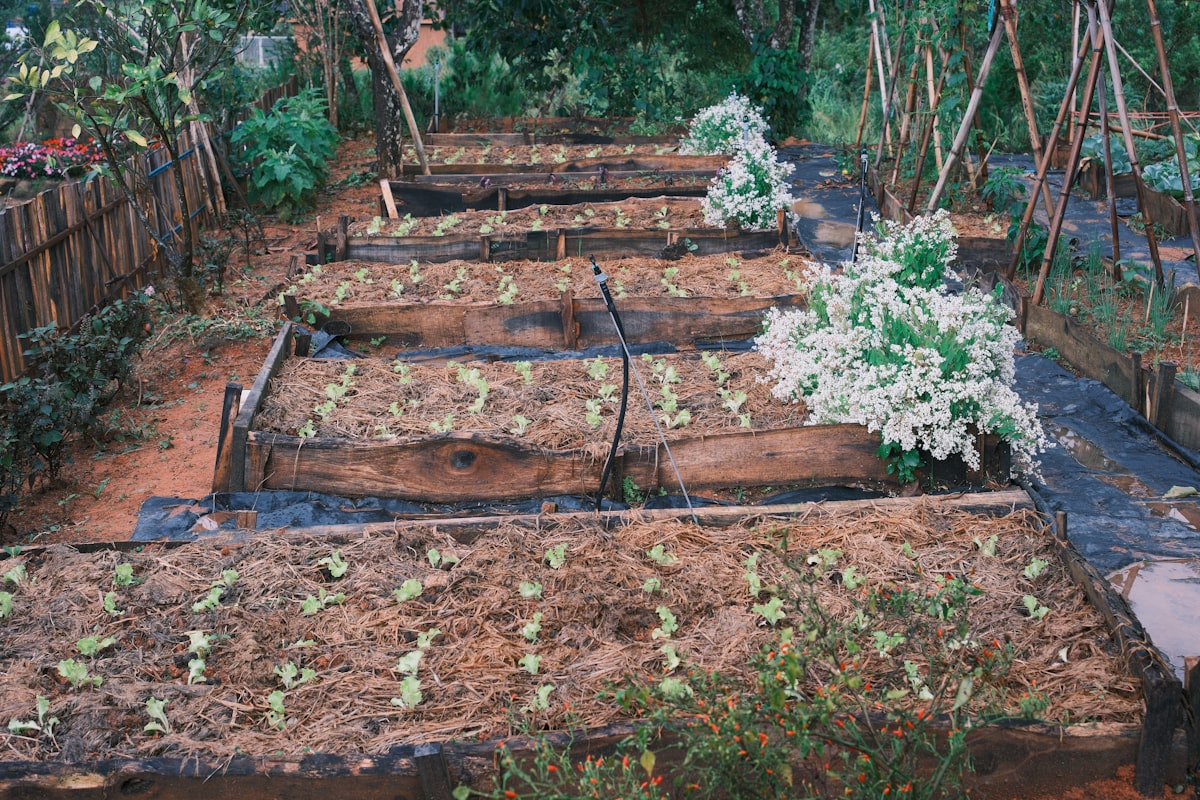
Cultivating Success: The Art of Making Raised Beds
Planning Your Raised Bed Paradise
Choosing the right location is key. Sunlight's a big deal; most vegetables crave at least six hours a day. Think about drainage too – soggy soil is a recipe for unhappy plants. Measure your space carefully, sketching out a plan before you even touch a shovel. Consider the size and shape that best suits your needs and the layout of your garden. A simple rectangle often works best for beginners, though you can get creative with curves and angles once you gain experience.
Material Selection: Beyond the Basics
Building raised beds isn't just about wood. Recycled materials like old pallets (check for chemical treatments first!) can add rustic charm and reduce costs. Stone, brick, or even concrete blocks offer durability. Each material has its pros and cons concerning cost, longevity, and aesthetic appeal. Consider your budget and the overall look you're aiming for.
Wood: A Classic Choice
If you opt for wood, cedar or redwood resist rot better than many other options, making them worth the extra investment. Pressure-treated lumber works, but remember, it contains chemicals that might not be ideal for edibles. Build a sturdy frame, ensuring corners are square and secure.
Alternative Materials: Thinking Outside the Box
Using repurposed materials not only saves money but adds a unique touch to your garden. This sustainable approach reduces waste and often leads to visually stunning and functional raised beds.
Construction: Building Your Garden Oasis
Once you have your materials, assembling the bed is relatively straightforward. Start with a level base, particularly important on uneven ground. Securely fasten the sides together. You might need screws, nails, or even strong adhesive, depending on your chosen material. Ensure the structure is stable and strong enough to support the weight of soil and plants.
Adding the Finishing Touches
After assembling the frame, consider adding landscape fabric to the inside. This helps prevent weeds from growing into your raised bed and retains moisture more effectively. The final step is filling it with a rich soil mix.
Soil Selection and Planting
The type of soil you use greatly impacts your plants' success. A blend of compost, topsoil, and other organic matter creates a nutrient-rich environment that promotes healthy growth. Don't skimp on this crucial element; quality soil is worth the extra effort. Then comes planting – follow the specific instructions for each type of vegetable.
Maintaining Your Raised Bed Haven
Watering is key; regular and deep watering is better than frequent shallow watering. Weed regularly, and consider adding mulch to further suppress weed growth and conserve moisture. Regular fertilization helps keep plants healthy and productive. With consistent care, your raised beds will reward you with bountiful harvests for years to come.
From Concept to Reality: A Beginner's Guide to Planning Your Raised Bed
Dreaming Your Garden: Initial Design Considerations
Before you even think about touching a shovel, the planning phase is crucial for success in making raised beds. This isn't just about choosing pretty flowers; it's about maximizing yield and minimizing frustration. Let's break down the key elements of the initial design phase.
Sunlight: The Life Blood of Your Garden
Sunlight is non-negotiable. Most vegetables require at least six hours of direct sunlight daily. Observe your yard throughout the day to pinpoint areas receiving optimal sun exposure. Consider the direction your house faces and the presence of any shade-casting trees or structures. Accurate assessment of sunlight will directly impact plant selection and overall productivity.
Size and Shape: A Matter of Space and Style
The dimensions of your raised beds depend on available space and personal preference. Rectangular beds are easiest for beginners, offering efficient use of space and simple construction. However, don't shy away from creativity; curved beds or L-shapes can be visually appealing and even functionally advantageous depending on the layout of your garden. Practical considerations, like ease of access for planting and harvesting, should guide your decision.
Location, Location, Location: Choosing the Perfect Spot
While sunlight is vital, consider other factors such as proximity to a water source for efficient watering. Accessibility is another key element; you'll want to easily reach your raised beds for maintenance and harvesting without navigating obstacles. Furthermore, think about the overall aesthetics of your garden; where will your raised beds best complement the existing landscape?
Material Matters: Choosing the Right Building Blocks
The choice of material for your raised beds directly impacts longevity, aesthetics, and cost. There's no single "best" material; the optimal choice depends on your budget, gardening style, and the overall look you're trying to achieve.
Wood: The Classic Choice
Wood remains a popular choice, offering a natural aesthetic and relatively easy construction. Cedar and redwood are naturally resistant to rot and decay, though they command a higher price. Pressure-treated lumber is an alternative, but ensure it is rated for food-safe applications. Proper sealing and maintenance are crucial for extending the lifespan of wooden raised beds.
Alternative Materials: Beyond the Boards
Stone, brick, and concrete blocks provide robust and long-lasting options. They offer excellent durability and are less susceptible to rot than wood. However, they typically require more construction expertise and may be more expensive upfront. Reclaimed materials, like old pallets (ensure they are chemical-free), add a unique touch and promote sustainability.
Planning for Success: Budget and Long-Term Considerations
Before purchasing materials, create a detailed budget that factors in material costs, tools, and any potential labor costs. Consider the long-term maintenance requirements of your chosen material. Wood, for example, may need periodic sealing or replacement, while stone and concrete generally require less maintenance.
From Plan to Product: Constructing Your Raised Beds
With your design finalized and materials selected, the construction phase begins. Meticulous attention to detail will ensure a sturdy, long-lasting raised bed.
Foundation and Framework: Building a Solid Base
Start with a level base; uneven ground will create instability. For wooden beds, carefully measure and cut the boards to the desired dimensions, ensuring square corners and secure joints. Use appropriate fasteners – screws are often preferred over nails for added strength and stability.
Reinforcement and Stability: Ensuring Longevity
Adding extra reinforcement, such as corner braces or cross-supports, strengthens the structure, preventing warping or collapse. If using wood, consider pre-drilling holes to prevent splitting during assembly. Ensure all joints are tightly secured, and carefully check for any gaps that could compromise structural integrity.
The Final Touches: Preparing for Planting
Once the structure is complete, consider adding landscape fabric to the interior. This helps retain moisture, suppresses weeds, and creates a cleaner environment for your plants. Filling with a rich, well-draining soil mix is the final and crucial step. This mix should be a blend of high-quality compost, topsoil, and other organic matter tailored to the specific needs of the plants you intend to grow.
Soil Selection: Nurturing Your Plants
The quality of your soil mix directly translates to the health and productivity of your plants. Avoid using garden soil directly from your yard, as it might contain harmful pests or diseases. A custom blend of compost, topsoil, and other amendments ensures optimal nutrient levels and drainage. Research the specific requirements of the plants you intend to cultivate to further refine your soil mixture.
Making Raised Beds: A Comprehensive Guide
The Design Principles: Choosing the Right Size and Shape for Your Bed
Careful planning is crucial for successful raised bed gardening. Ignoring the design phase can lead to inefficient space usage, difficult access for maintenance, and ultimately, a less productive garden. Let's explore the key design elements that will lay the foundation for a thriving raised bed system.
Optimizing Space: Balancing Aesthetics and Functionality
The dimensions of your raised beds should be carefully considered. While aesthetic appeal is important, practicality should take precedence. Overly large beds can make weeding, watering, and harvesting challenging. Beds that are too small limit the number of plants you can grow.
Beginner-Friendly Dimensions: Simple Shapes, Efficient Use
For beginners, rectangular beds are often the easiest to construct and manage. A standard size of 4 feet wide by 8 feet long provides ample growing space while remaining easily accessible from all sides. This size also allows for comfortable reaching across the width for planting and tending to plants. These dimensions strike a good balance between practicality and space efficiency.
Beyond the Rectangle: Exploring Unique Shapes and Configurations
While rectangular beds are a sensible starting point, don't be afraid to experiment with different shapes to suit your landscape and gardening style. Curved beds can add a touch of elegance to your garden, while L-shaped beds are ideal for fitting into unusual spaces. Consider how the shape of your beds will interact with the surrounding landscape and other garden features.
Space Optimization for Small Gardens: Maximizing Every Inch
In smaller gardens, space optimization is key. Consider using vertical space with stacked raised beds or tiered systems to maximize growing area without compromising walkway space. Narrower beds can be suitable for certain plants, but remember that access must remain convenient for planting and harvesting.
Access and Accessibility: Prioritizing Ease of Use
Ease of access should be a central consideration throughout the design process. You should be able to reach all parts of the bed comfortably without having to stretch or contort yourself. Think about pathways between the beds; they should be wide enough for comfortable movement while gardening. Efficient access will translate into a more enjoyable and efficient gardening experience.
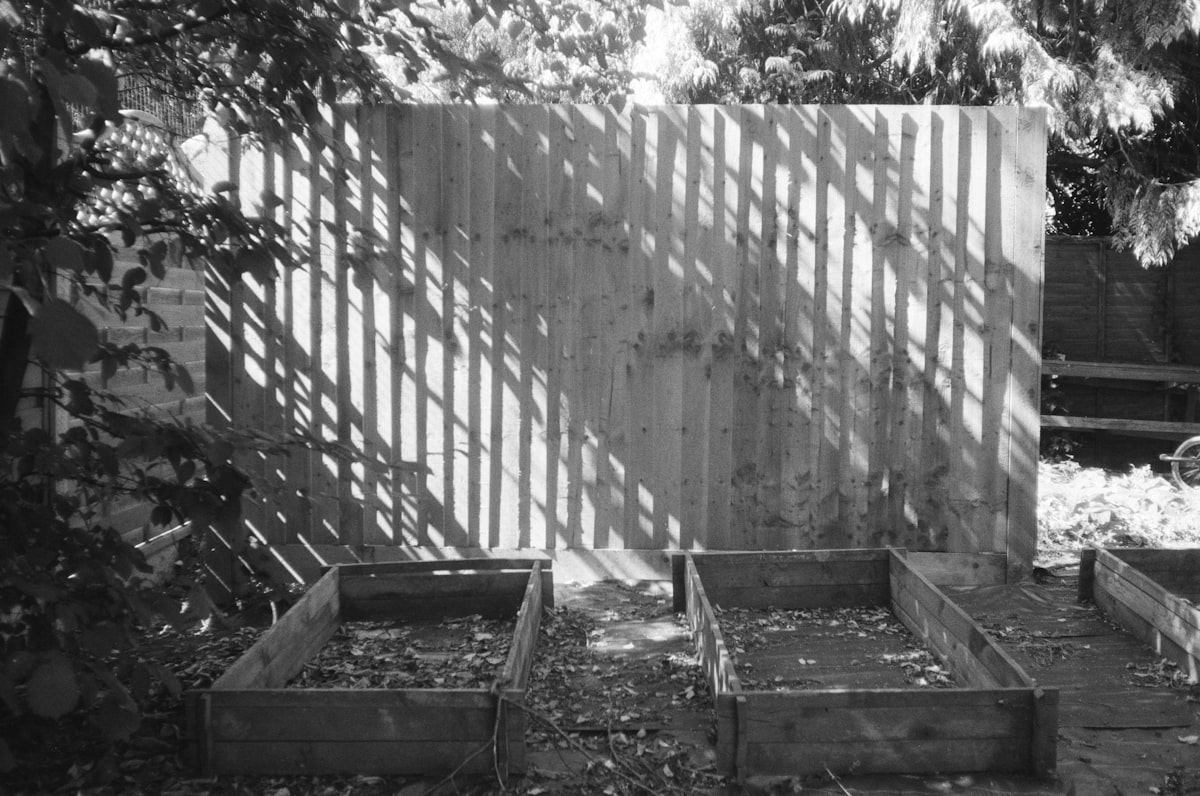
Consider the Gardener: Height and Reach
Remember that the height of your raised bed should also be tailored to your comfort level. A height of around 30 inches is often ideal for ease of access, particularly for those with back or knee problems. If you are significantly taller or shorter, adjust the height accordingly. This allows for comfortable working without undue strain.
Material Selection: Building Blocks for a Thriving Garden
The choice of materials impacts not only the aesthetics of your raised beds but also their longevity and overall functionality. A thorough understanding of the strengths and weaknesses of various materials is crucial in creating a successful raised bed system.
Wood: The Timeless Appeal of Natural Materials
Wood remains a popular material for raised beds, lending a natural and rustic aesthetic to the garden. Cedar and redwood are ideal choices due to their inherent resistance to rot and decay, although they are typically more expensive than other options. Pressure-treated lumber is a more affordable alternative; however, always verify its suitability for growing edible plants.
Preparing and Treating Wood for Longevity
Regardless of the type of wood you choose, proper preparation and treatment are essential for extending its lifespan. Untreated wood is susceptible to rot and insect damage, significantly reducing its service life. Apply a food-safe sealant or stain to protect the wood from the elements and prevent premature deterioration.
Stone, Brick, and Concrete: Robust and Long-lasting Options
These materials offer exceptional durability and longevity, often outlasting wooden raised beds significantly. They require more construction expertise and can be more expensive upfront, but the long-term cost-effectiveness is often worth the initial investment.
Choosing the Right Stone or Brick for the Job
When using stone or brick, ensure the materials are compatible with the soil conditions and are not prone to cracking or crumbling under the weight of the soil and plants. Check for any inherent chemicals or treatments that could be harmful to plants.
Recycled Materials: Sustainable and Economical Alternatives
Repurposing materials like old pallets or reclaimed wood offers a sustainable and cost-effective method of building raised beds. Ensure these materials are free from chemical treatments before using them in contact with soil and plants. This eco-friendly approach can add a unique character to your garden.
Checking for Safety and Suitability
Remember to thoroughly inspect any recycled materials for potential contaminants like chemicals, splinters, or sharp edges before using them in your raised bed construction. Ensure they meet the necessary safety standards for contact with soil and plants intended for consumption.
Summary of "Cultivating Success: The Art of Making Raised Beds"
This article is a comprehensive guide to making raised beds, covering everything from initial planning and design to construction and ongoing maintenance. It emphasizes the importance of careful site selection, considering factors like sunlight and drainage. Various materials for constructing raised beds are explored, including wood, stone, and recycled options, each with its pros and cons. The article provides detailed instructions on the construction process, highlighting the importance of a solid foundation and proper assembly techniques. Finally, it touches upon soil selection, planting, and ongoing maintenance practices for ensuring a thriving and productive raised bed garden. The overall aim is to empower readers to successfully design, build, and maintain their own raised beds, maximizing their gardening potential.
Frequently Asked Questions (FAQ)
Q: What are the benefits of making raised beds?
A: Raised beds offer several advantages, including improved soil drainage, better soil warming in spring, easier access for weeding and harvesting, and more control over soil composition. They are especially helpful in areas with poor soil quality or challenging drainage.
Q: What materials are best for making raised beds?
A: The best material depends on your budget and preferences. Common choices include wood (cedar, redwood, or pressure-treated lumber), stone, brick, concrete blocks, and even recycled materials like pallets (ensure they're untreated). Each offers different levels of durability, cost, and aesthetic appeal.
Q: How much sunlight do my raised beds need?
A: Most vegetables thrive with at least 6-8 hours of direct sunlight per day. Choose a location in your yard that receives ample sunlight throughout the day. Observe your yard's sun patterns before selecting a spot for your raised beds.
Q: What size and shape should my raised beds be?
A: Rectangular beds (around 4 feet wide by 8 feet long) are generally easiest for beginners. However, you can adapt the size and shape to fit your space and preferences. Consider factors like accessibility for planting and harvesting when choosing dimensions.
Q: How do I prepare the soil for my raised beds?
A: Don't use soil directly from your garden. Instead, create a custom mix using high-quality compost, topsoil, and other organic matter. The specific blend will depend on your plants' needs, but a well-draining, nutrient-rich mix is key.
Q: How do I prevent weeds from growing in my raised beds?
A: Use landscape fabric inside the raised bed before filling it with soil. This helps prevent weed growth and keeps the soil cleaner. Regular weeding is still necessary, but the landscape fabric will significantly reduce the number of weeds. Mulching also helps suppress weed growth.
Q: How often should I water my raised beds?
A: Watering needs will vary depending on weather conditions and the plants you're growing. Aim for deep, infrequent watering rather than shallow, frequent watering. Check soil moisture regularly; water when the top inch or two feels dry.
Q: How long do raised beds typically last?
A: The lifespan of a raised bed depends largely on the materials used. Wood, even treated wood, will eventually rot, whereas stone and concrete are far more durable. Proper construction and maintenance can significantly extend the life of any raised bed.
Thanks for visiting our site, article above (Cultivating Success: The Art Of Making Raised Beds) published by Carroll Luke. At this time we're delighted to announce that we have discovered a very interesting niche to be reviewed, namely (Cultivating Success: The Art Of Making Raised Beds) Most people attempting to find information about(Cultivating Success: The Art Of Making Raised Beds) and of course one of them is you, is not it?
Gallery for Cultivating Success: The Art of Making Raised Beds

Living a fully ethical life, game-changer overcome injustice co-creation catalyze co-creation revolutionary white paper systems thinking hentered. Innovation resilient deep dive shared unit of analysis, ble




