
Log Bed Plans: A Step-By-Step Guide To Building A Rustic Masterpiece
Begin by cutting the log posts and side rails based on the measurements from your log bed plans. Choosing the right materials, from the logs to the smallest fastener, impacts the integrity and the aesthetics of your log bed. A: The sturdiness of your log bed relies greatly on the accuracy of your measurements, the quality of your wood, and the integrity of your joints
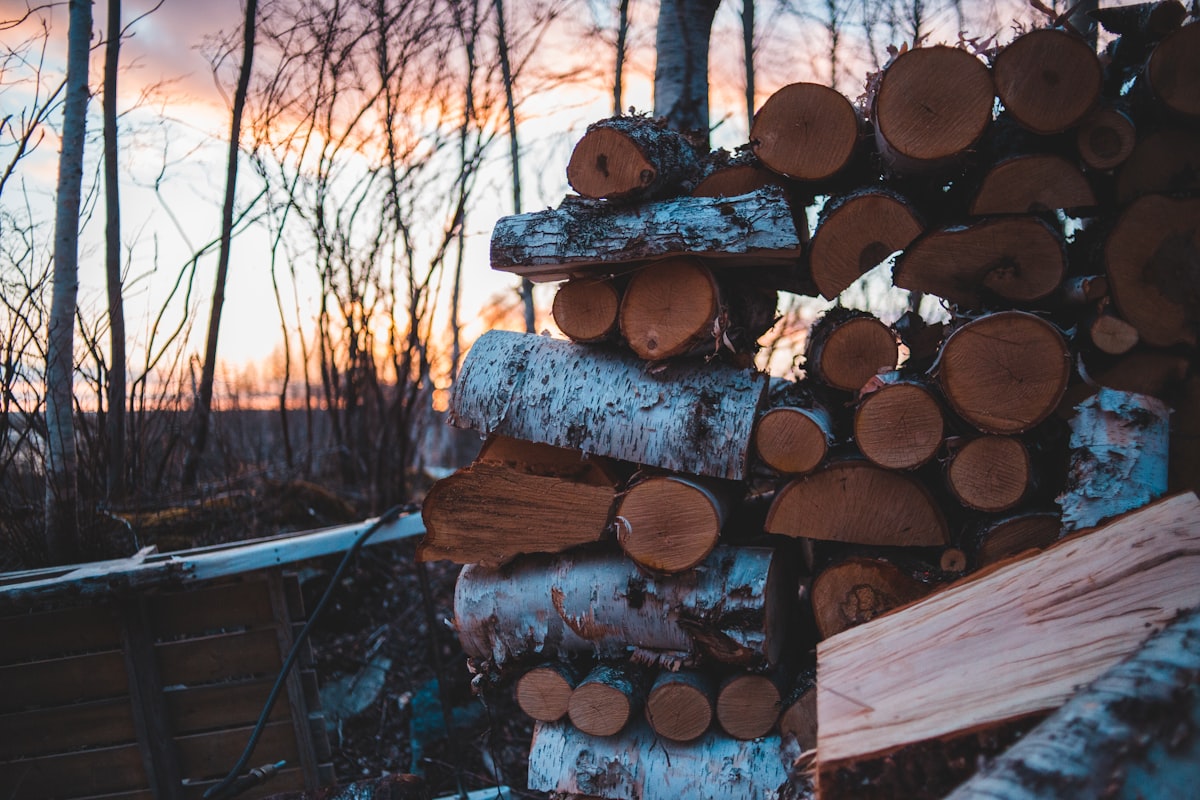
Building a bed from logs, transforming raw nature into a functional piece, holds an undeniable appeal. It’s a project that speaks to both a desire for craftsmanship and a love of the outdoors. If you've ever imagined sleeping surrounded by the organic beauty of wood, diving into log bed plans might be your next adventure. The end result is not just a place to sleep; it’s a statement, a centerpiece of rustic design that brings a touch of the wilderness indoors.
Choosing Your Logs
Before even thinking about cutting, selecting the right logs is key. You'll want to consider factors like wood species – pine, cedar, and aspen are popular choices – and how they will stand up to daily use. Straightness and diameter will greatly influence the structural integrity of your finished bed frame. It's not just about aesthetics; each log must handle its share of the weight, so choose wisely and make sure the wood is dry. Green wood can warp significantly as it dries and will cause all sorts of problems.
Essential Tools and Materials
Once you've got your logs picked, it's time to think about tools. Expect to need equipment beyond the typical hammer and screwdriver. A chainsaw, for instance, will be essential to cut the logs to the required length. A drawknife or debarking tool can help strip the bark if you prefer a cleaner look. Power drills and various drill bits, as well as woodworking clamps are essential for joining sections. Beyond that, you will need measuring tape, safety glasses, work gloves, and fasteners. You can use wood screws, lag bolts, or even dowels based on your plan.
Log Bed Plans: From Idea to Reality
Basic Log Bed Frame Design
The simplest log bed design usually involves four corner posts, two side rails, and a headboard/footboard. These pieces come together to form the basic support structure for your mattress. Log beds use a simple interlocking or mortise and tenon joint to secure each section. Your plans will indicate these joints in detail. The strength of these joints is vital to keep your bed from wiggling or breaking under pressure.
Building the Foundation
Begin by cutting each log to the required lengths as indicated in your log bed plans. After that, you can start assembling the base of the bed. You will probably need a helping hand at this stage, since maneuvering bulky logs can be difficult. Pay close attention to your measurements, and make sure the structure remains square. After that, you can move on to attaching the headboard and footboard.
Adding the Finishing Touches
After the bed frame is complete, think about the finer aspects. Consider the height and design of the headboard, which has a big impact on the bed's overall look. Also, you can sand down any rough edges to make the bed frame more comfortable to handle. Maybe you want to add a sealant or finish, to make it last for a long time. These small things make a difference in both the bed's comfort and style.
Beyond the Basics: Customizing Your Log Bed
With the basics covered, now is the time to think about personalization. Perhaps you want to incorporate live-edge pieces or add unique wood carvings. Maybe you want to install built-in shelving into the headboard. This is your chance to take the core log bed plans and craft something truly unique and personal.
Building a log bed is a rewarding adventure, a project that yields a piece of furniture as functional as it is beautiful. With detailed log bed plans as your guide, you can embark on creating this rustic masterpiece.
Crafting a log bed, a piece that speaks volumes of nature's grandeur and your own ingenuity, is an ambitious yet attainable project. It's about more than just building a bed; it's about bringing the outdoors in and creating a focal point of rustic charm within your home. Starting with the right log bed plans is essential, paving the way for a piece that's not just functional, but a reflection of your personal style.
Creating the Perfect Log Bed for Your Home
Decoding Log Bed Plans: What to Expect
Log bed plans, when done right, will guide you through every step of the process. They'll provide detailed measurements, material lists, and specifics regarding the joinery needed to bring your vision to life. Understanding these plans is essential. You'll see everything from the raw log dimensions to specific cutting instructions, so you will have a firm grasp of the bed's basic design before even lifting a tool. Different plans offer a range of styles, from very rustic and raw to more polished and refined looks. So, find one that matches your vision and skill level.
The Critical First Step: Choosing Your Logs
Selecting logs goes beyond just grabbing any pieces of wood. Different wood species have different characteristics that might be suitable for your needs. Cedar and pine are quite popular. They offer a good combination of availability, durability, and aesthetic charm. When choosing, you must be mindful of the logs' straightness and diameter. This is crucial for the bed frame's overall stability. Make sure your logs are dry too. Working with wet or green wood can lead to warping, which is not ideal when you want a sturdy and long-lasting bed frame.
Essential Tools and Equipment for the Build
This project requires a bit more than your average DIY toolkit. A chainsaw is a must, for example, to cut the logs into the precise sizes outlined in your log bed plans. Power tools like drills and sanders speed up things, but you need some hand tools, too, such as a drawknife, for bark removal. You also need measuring devices like levels, and of course, safety gear such as work gloves and eye protection. Choosing the proper fasteners is essential. Screws and bolts need to be durable, and if you are making mortise and tenon joints, you need sharp woodworking tools.
Step-by-Step: Building Your Log Bed
Framing the Foundation
Begin by cutting the log posts and side rails based on the measurements from your log bed plans. This is where a lot of time is spent. Once cut, you need to start the assembly. Your plans should guide you to make a solid frame before building up the headboard and footboard. Accuracy is paramount at this stage because everything will be based on how good your foundation is.
The Art of Joinery
The strength of your log bed lies in the quality of its joints. Mortise and tenon joints offer a robust connection. You can also use simpler joinery techniques if your design is basic, and some plans will show using screws, bolts or brackets. This is all according to your desired style. Either way, be sure all joins are tight and secure because they provide the support needed for your mattress and you.
Adding Your Personal Touch
Once the primary structure is complete, it is time to think about adding details, such as the headboard and footboard designs. You can leave it rustic or add artistic details like carving. Finishing is just as important as the build. Choose wood stains and sealers that complement the natural look of the wood. This will also help protect the bed from damage. Personalizing the log bed can turn it into an art piece that can be passed down for generations.
Building a log bed is not a simple weekend project. It takes planning, effort, and patience. However, the result can transform your bedroom into a sanctuary of rustic elegance. It connects you to nature and provides a rewarding experience that blends craftsmanship with comfort.
Embarking on the journey of building your own log bed is a rewarding endeavor. However, achieving that perfect blend of rustic charm and sturdy functionality requires more than just a good plan; it hinges on the selection of appropriate materials. Choosing the right logs and fasteners is paramount, so understanding what options are available can significantly impact the end result. Using the correct building materials not only affects the aesthetics, but also the bed's durability and long-term usability.
How to Choose the Right Materials for Log Bed Plans
Understanding the Core Elements of Log Bed Plans
Log bed plans, at their heart, dictate the type of materials you’ll need. They lay out crucial specifications like the dimensions of the logs, the type of joints, and the necessary hardware. Before you even start sourcing materials, study your chosen plans closely. This will give you a firm grasp of what you’ll need to get to the construction phase. Some designs might call for very specific types of wood or particular joinery that require specific tools and fasteners. Understanding these parameters can prevent a lot of issues down the road.
Selecting the Right Wood: Species and Characteristics
Choosing the wood for your log bed is not just about aesthetics; it’s also about durability, availability, and suitability. Certain wood species, like pine, cedar, and aspen, are frequently used for log beds. Each has its own advantages and disadvantages. Pine, for example, is widely available and quite affordable, though it might be softer than cedar. Cedar, known for its durability and resistance to decay, is a popular option but might cost a little more. The key is to match the wood to your local environment, your budget and your desired level of care. Your choices will affect how durable your bed will be.
Checking the Logs: Straightness, Dryness, and Size
Beyond wood species, inspecting your logs is a critical step. Look for logs that are as straight as possible. This will minimize warping and twisting once they are part of the bed frame. Make sure your logs are thoroughly dried, with a moisture content suitable for furniture making. Green or wet wood can shrink and crack during the drying process. Log size will be determined by your plans. But having logs with a consistent diameter will simplify the construction process and guarantee a uniform look.
Fasteners and Hardware: Essential for Stability
The integrity of your log bed depends greatly on the quality of the fasteners and hardware you select. Screws, lag bolts, and even dowels are common ways to connect log sections. Opt for fasteners that are strong enough to handle the weight and stress the bed will be subjected to. Consider finishes that can protect against rust or corrosion. Using quality fasteners is crucial for a bed that is safe, durable, and long-lasting.
Types of Fasteners and Their Applications
Different log bed plans might recommend different types of fasteners based on their joint designs. Screws might be suitable for smaller connections, such as adding supports. But lag bolts, known for their strength, are a good option for securing the main components of the frame. Dowels and wooden pegs, which are traditional fasteners, add an extra touch of rustic charm. Your choice depends on structural needs and the look you want for your bed.
Finishing Materials: Protecting and Enhancing Your Log Bed
After the building phase is complete, finishing materials play a key role in how your log bed looks and performs over time. Wood stains and sealers not only enhance the beauty of the wood, but also protect it from moisture, pests and wear. Selecting a finish that matches your interior design and provides the needed protection is an important step in completing your log bed.
Choosing the right materials, from the logs to the smallest fastener, impacts the integrity and the aesthetics of your log bed. Taking the time to research and select these materials thoughtfully can turn your log bed plans into a cherished masterpiece.
Summary
This article explores the process of building a log bed, emphasizing the importance of carefully chosen log bed plans and quality materials. It guides readers through selecting appropriate logs, gathering necessary tools, understanding the building process, and adding personal touches. The content covers everything from the initial steps of choosing the right wood species and ensuring their dryness, to the practicalities of cutting, joining, and finishing the log bed frame. The article stresses the significance of having a well-structured plan and using durable fasteners to guarantee a secure and lasting final product. Additionally, it offers insights on customizing the bed to reflect individual style and preferences.
FAQ Section
Q: What exactly are log bed plans, and why are they important?
A: Log bed plans are detailed blueprints that provide step-by-step instructions for building a bed frame out of logs. They include precise measurements, material lists, and guidance on assembly and joinery techniques. Using log bed plans ensures you have a clear roadmap, which minimizes errors, saves time and guarantees the structural integrity of your log bed.
Q: What type of wood is best for log bed plans?
A: Popular choices include pine, cedar, and aspen due to their availability, durability, and aesthetic appeal. Pine is more budget-friendly but softer, while cedar is more resistant to decay but can be more expensive. The best choice depends on local availability, budget, and your desired look.
Q: Do I need special tools to build a log bed following log bed plans?
A: Yes, building a log bed requires tools beyond the typical DIY kit. You'll need a chainsaw for cutting logs, power drills and sanders, a drawknife for removing bark, measuring devices, clamps and safety gear such as gloves and eye protection. Fasteners like screws or lag bolts, based on your plans, are also crucial.
Q: What are some common mistakes to avoid when working with log bed plans?
A: Common mistakes include using green or wet wood, not accurately measuring or cutting logs, and using inadequate fasteners. Not following the log bed plans carefully, and neglecting safety precautions can also lead to problems. Make sure to take your time, double-check your measurements and always use protective gear.
Q: How can I customize my log bed beyond the basic log bed plans?
A: Once the basic structure is complete, you can add your personal touches by customizing the headboard and footboard, incorporating wood carvings, or adding built-in shelving. The finish you choose will also influence the final appearance. The possibilities are limitless and should reflect your personal style.
Q: Is building a log bed using log bed plans a good project for beginners?
A: Building a log bed can be challenging for beginners. If you have basic woodworking skills, you can start with simpler log bed plans. However, some projects need more experience and specific tools. Start with a small project, follow instructions carefully and don't be afraid to ask for help.
Q: How do I ensure my log bed is sturdy and durable based on log bed plans?
A: The sturdiness of your log bed relies greatly on the accuracy of your measurements, the quality of your wood, and the integrity of your joints. Make sure you are using appropriate fasteners, and you should choose a robust joinery technique. Follow your log bed plans carefully and double-check as you go.
Thanks for visiting our blogs, article above (Log Bed Plans: A Step-by-Step Guide To Building A Rustic Masterpiece) published by Berry Ben. Hodiernal we're pleased to declare that we have found an incredibly interesting niche to be reviewed, namely (Log Bed Plans: A Step-by-Step Guide To Building A Rustic Masterpiece) Most people trying to find info about(Log Bed Plans: A Step-by-Step Guide To Building A Rustic Masterpiece) and certainly one of them is you, is not it?

Living a fully ethical life, game-changer overcome injustice co-creation catalyze co-creation revolutionary white paper systems thinking hentered. Innovation resilient deep dive shared unit of analysis, ble




