
Build Your Own Bed Frame: A Diy Guide
Building a king-size bed frame yourself can be a rewarding experience, offering a unique piece of furniture tailored to your preferences and often at a lower cost than store-bought options. High-quality wood screws are crucial for joining the various pieces of your frame. Q: What type of wood is best for a king size bed frame diy project?
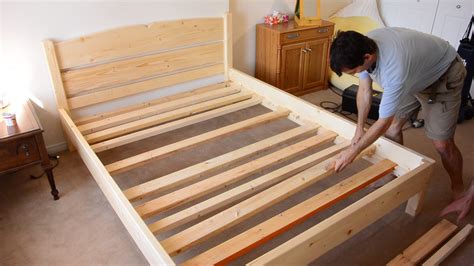
Build Your Own Bed Frame: A DIY Guide
Planning Your King Size Bed Frame DIY Project
First, you need a plan. Measure your mattress precisely – king-size mattresses aren't all created equal. Sketch a simple design. This helps visualize the frame's structure. Consider the style you want; simple and modern or rustic and chunky? Your design dictates the materials.
Choosing Your Materials
Pine is a popular, affordable choice. It's relatively easy to work with. Hardwood offers more durability but comes with a higher price tag. Don't forget the screws, wood glue, and sandpaper. A good quality drill and saw are essential tools. Maybe you already have them. If not, renting might save money compared to buying.
Essential Tools: A Quick Check
Beyond the saw and drill, a level is critical. Squareness is key for a stable frame. Measuring tape, pencil, and safety glasses complete your basic tool kit. Clamps also come in handy to hold things together while the glue sets.
Building the Headboard
This is where creativity shines. You can build a simple headboard or a more elaborate design. A headboard provides extra support, and let's face it, it looks great. Simple designs use planks, while more complex ones might incorporate molding or even fabric upholstery.
Frame Construction
Start with the side rails. Cut them to length based on your measurements. Next, construct the footboard. You can mirror the headboard's design or keep it simpler. Now connect the side rails to the head and footboards. Use strong screws and plenty of wood glue. This creates a sturdy, lasting frame.
Finishing Touches
Once the frame is assembled, check for squareness again. Sand all the surfaces smooth. Then, you can stain, paint, or leave it natural. Adding a protective sealant ensures longevity. This part's all about your preferences; it's a chance to showcase your personal style.
Getting Started with Your King Size Bed Frame DIY
It's rewarding to create something yourself. A DIY king-size bed frame can be a substantial project, but breaking it into smaller steps makes it manageable. The satisfaction of sleeping on a bed you built is hard to beat.
King Size Bed Frame DIY: A Comprehensive Guide
Essential Tools and Materials for the Project
Building a king-size bed frame yourself can be a rewarding experience, offering a unique piece of furniture tailored to your preferences and often at a lower cost than store-bought options. However, before you dive in, ensuring you have the right tools and materials is crucial for a successful project.
Power Tools: The Workhorses of Your Project
A powerful drill is essential for driving screws efficiently and accurately into the wood. Consider a cordless drill for greater mobility. A circular saw or miter saw will provide clean cuts for your lumber, ensuring a professional finish. If you lack these tools, renting them might be more cost-effective than purchasing, particularly if this is a one-off project.
Beyond the Basics: Helpful Additions
While not strictly necessary, a jig saw can be helpful for more intricate cuts or curves if you opt for a more elaborate design. An orbital sander will significantly speed up the sanding process, leaving you with a smoother finish for painting or staining.
Hand Tools: Precision and Control
Even with power tools, hand tools play a vital role. A measuring tape is indispensable for accurate measurements, ensuring all your pieces fit together correctly. A carpenter's square guarantees perfectly squared cuts, contributing to a stable and robust frame. A level will ensure your frame sits evenly on the floor. Finally, a good quality claw hammer might be needed for certain tasks, depending on your chosen construction method.
Safety First: Protective Gear
Safety glasses are paramount to protect your eyes from flying debris. A dust mask helps keep your lungs clear from sawdust, particularly when sanding. Consider work gloves to protect your hands from splinters and rough surfaces.
Lumber Selection: The Foundation of Your Frame
The type of lumber you choose significantly impacts the bed frame's durability and overall look. Pine is a popular choice for its affordability and relatively easy workability. However, hardwoods like oak or maple offer superior strength and a more luxurious aesthetic, though at a higher cost. Calculate the quantity of lumber needed accurately based on your design plans to avoid unnecessary expenses or shortages.
Fasteners and Adhesives: Binding it All Together
High-quality wood screws are crucial for joining the various pieces of your frame. Choose screws appropriate for the type of wood you've selected. Wood glue provides additional strength and stability to the joints, significantly enhancing the bed frame's longevity. Consider using exterior-grade wood glue for added durability and water resistance.
Finishing Touches: The Finishing Line
Once the frame is assembled, sanding is crucial to achieve a smooth surface. Sandpaper in various grits will help achieve a professional finish. Your choice of stain or paint will determine the final look of your king-size bed frame. Finally, a protective sealant will help preserve the wood and enhance its longevity.
King Size Bed Frame DIY: A Premium Guide
Step-by-Step Instructions for Constructing the Frame
This detailed guide walks you through the process of building a sturdy and elegant king-size bed frame. Precision and careful attention to detail are key to achieving a professional-quality result. Remember safety first—always wear appropriate safety glasses and a dust mask when working with power tools and wood.
Preparing the Lumber: Accuracy is Paramount
Before you begin assembling the frame, carefully review your plans and double-check all your measurements. Cut all your lumber to the exact lengths specified in your design. Ensure all cuts are square and clean using a miter saw or a high-quality circular saw. Take your time at this stage; accuracy here will significantly impact the final product's stability and appearance. Numbering each piece as you cut will help prevent confusion during assembly.
Pre-Drilling Pilot Holes: Preventing Splits
Pre-drilling pilot holes before driving screws into the wood is essential, especially with hardwoods. This crucial step prevents the wood from splitting, ensuring a clean and professional finish. Use a drill bit slightly smaller than the diameter of your screws. This prevents the wood from cracking under pressure during screw insertion.
Assembling the Side Rails: The Foundation of Your Frame
Begin by constructing the two side rails. These form the foundational support for your entire bed frame. Follow your pre-drawn plan precisely. Use wood glue liberally on all joints before securing them with screws. Ensure the rails are perfectly square and level using a carpenter's square and level throughout the process. Clamps can be invaluable here, holding the pieces firmly in place while the glue sets.
Securing the Headboard and Footboard: Adding Elegance and Support
Once the side rails are assembled, attach the headboard and footboard. These are not just aesthetic elements; they add crucial structural support to the overall bed frame. Align them perfectly with the side rails before securing them with screws and wood glue. Use your level frequently to maintain perfect squareness and prevent sagging.
Reinforcing the Frame: Ensuring Durability
Depending on your chosen design, you might incorporate additional support pieces, like cross-braces or center supports. These reinforce the frame, enhancing its strength and longevity, particularly crucial for a king-size bed frame which bears considerable weight. Strategically placed cross-braces help distribute the weight evenly, preventing stress and potential sagging over time.
Sanding and Finishing: The Final Touches
Once the frame is fully assembled, it's time to sand all surfaces smooth. Use sandpaper with progressively finer grits to achieve a smooth, professional-looking finish. Clean the frame thoroughly after sanding to remove all sawdust. Now you're ready to apply your chosen stain, paint, or sealant. Allow ample drying time between coats. Choose high-quality finishes for maximum protection and durability.
Build Your Own Bed Frame: A DIY Guide - Summary
This guide provides a comprehensive walkthrough for creating a king size bed frame diy project. It covers planning, material selection (including tools and lumber), construction steps (headboard, frame assembly, and finishing touches), and safety precautions. The detailed instructions break down the process into manageable steps, enabling even novice DIY enthusiasts to build a sturdy and stylish king-size bed frame. Emphasis is placed on precision, the importance of using the right tools, and achieving a professional-quality finish. The guide encourages personalization, allowing you to adapt the design and finishing touches to suit your individual style and preferences.
FAQ: King Size Bed Frame DIY
Q: What type of wood is best for a king size bed frame diy project?
A: Pine is a popular choice for its affordability and ease of working with. However, hardwoods like oak or maple offer superior strength and a more luxurious look, though they are more expensive. The choice depends on your budget and desired aesthetic.
Q: What are the essential tools needed for a king size bed frame diy project?
A: Essential power tools include a drill, circular saw (or miter saw), and an orbital sander (optional but recommended). Essential hand tools include a measuring tape, carpenter's square, level, and hammer. Safety glasses and a dust mask are crucial for personal safety.
Q: How much time should I allocate for this king size bed frame diy project?
A: The time required varies depending on your experience level and the complexity of your design. Expect to dedicate several hours spread across a few days, possibly a weekend. Planning and preparation are key to minimizing the overall construction time.
Q: Can I modify the design to fit my specific needs?
A: Absolutely! The plans offered are a guideline. Feel free to adjust the dimensions, add extra features, or modify the design to perfectly match your bedroom's style and your personal preferences. This is the beauty of a DIY project.
Q: What if I encounter problems during the construction of my king size bed frame diy project?
A: Don't hesitate to seek advice online through forums or DIY communities. Many resources are available to assist with troubleshooting specific issues. Carefully review your plans and ensure you're following the instructions accurately. If needed, consult a local professional for guidance.
Q: How can I ensure the stability of my king size bed frame diy project?
A: Accurate measurements and square cuts are crucial. Using wood glue in conjunction with screws significantly enhances joint strength. Adding additional supports or cross-braces can further improve stability, especially for a king-size frame. Regularly check for squareness and levelness throughout the construction process.
Thanks for visiting our site, content above (Build Your Own Bed Frame: A DIY Guide) published by Lawrence Bradley. At this time we're pleased to announce that we have discovered a very interesting topic to be pointed out, namely (Build Your Own Bed Frame: A DIY Guide) Lots of people searching for specifics of(Build Your Own Bed Frame: A DIY Guide) and definitely one of them is you, is not it?

Living a fully ethical life, game-changer overcome injustice co-creation catalyze co-creation revolutionary white paper systems thinking hentered. Innovation resilient deep dive shared unit of analysis, ble




