
Ensuring Safe Sleep: The Ultimate Guide To Kids Bed Rails
A kids bed rail provides a protective barrier, preventing accidents while allowing your child to adjust to their newfound freedom. Beyond the bumps and bruises from falls, a kids bed rail also helps prevent more serious injuries that can occur from sudden falls from height. The array of options means there's bound to be a kids bed rail that fits your particular lifestyle
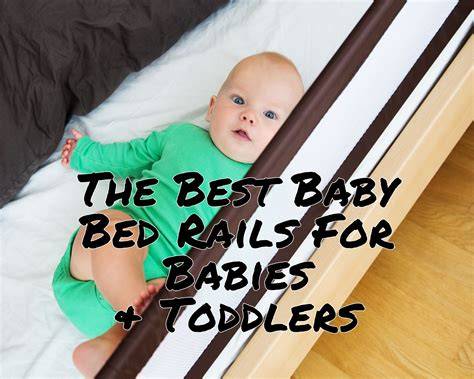
Navigating the world of childhood can be both exciting and nerve-wracking, especially when it comes to ensuring your little ones are safe and sound, particularly during sleep. As they transition from cribs to bigger beds, the concern for nighttime tumbles often arises. This is where the humble, yet incredibly important, kids bed rail comes into play, offering peace of mind for parents and a secure sleeping space for children.
Why Consider a Kids Bed Rail?
Toddlers and young children are notorious for their restless nights. They toss, they turn, they explore the far reaches of their bed during dreamland adventures. A bed rail acts like a gentle boundary, preventing accidental falls and allowing kids to get a good night's rest without the risk of an unexpected trip to the floor. The transition from a confined crib to an open bed can be daunting for a child, and bed rails can help with this change by providing a sense of security and familiarity.
Types of Bed Rails for Kids
Choosing the right bed rail isn't a one-size-fits-all scenario. Different needs and bed setups require different types. Let's take a look at some of the most common options.
Standard Bed Rails
These are probably what comes to mind when you picture a bed rail. They're typically made of metal or wood, and they attach to the side of the bed frame. Standard rails are sturdy and reliable, making them a great option for children who need a bit more support. You’ll find these in a variety of lengths and designs, so finding one to fit most bed sizes is usually not difficult.
Convertible Bed Rails
As the name suggests, these rails can adapt to different configurations. You might find they fold down or slide out of the way when not needed. This feature can be helpful when you’re changing sheets or if you want to sit on the side of the bed. This also makes them more versatile since they're less intrusive.
Inflatable Bed Rails
Need something portable? Inflatable rails are ideal for travel. These are lightweight and can be quickly deflated when you need to pack them up. They fit snugly under fitted sheets, creating a bump that stops your child from rolling out. Because they're softer, they may be a good option for kids with sensitivities.
Mesh Bed Rails
Mesh bed rails are popular because they’re typically lightweight and allow for airflow. They also tend to be fairly budget-friendly. The see-through material means you can easily keep an eye on your child without having to get out of bed. They often fit various bed types, and many fold easily for storage.
Choosing the Right One for You
When selecting a kids bed rail, several factors should influence your decision. The age of your child, their level of mobility, and the type of bed they use are all significant points. Additionally, consider the space in the bedroom. Will a standard bed rail interfere with other furniture? Maybe a retractable option might be a good fit. Thinking about installation is essential too. Some rails require tools for installation, while others are designed for a quick, tool-free setup. Safety certifications also matter. Check for products that have been tested and meet safety standards.
Installation Tips
Always carefully follow the manufacturer's instructions, which should be clear and straightforward. Ensure the rail is securely attached to the bed frame and cannot move. A shaky bed rail defeats its purpose. Regularly check the attachments for any signs of wear or looseness. When assembling, ensure all parts are properly aligned and tightly connected before putting them to use.
Navigating parenthood is a constant dance of balancing joy with the responsibility of keeping our little ones safe. As our children grow and transition from cribs to big kid beds, a new set of challenges emerges, including the dreaded nighttime tumble. This is where the seemingly simple, but exceptionally effective, kids bed rail steps into the spotlight, becoming an essential tool for many families.
Why Every Parent Needs a Kids Bed Rail
The move to a bed is a significant milestone, but also brings an increased risk of falls. A kids bed rail provides a protective barrier, preventing accidents while allowing your child to adjust to their newfound freedom. It is not just about preventing tumbles; it's about promoting restful sleep, for both the child and the parents.
Peace of Mind for Parents
One of the main benefits of a bed rail is the peace of mind it provides. Knowing that your child is less likely to fall out of bed can ease a parent's worries. We all cherish those precious moments of sleep, and knowing our children are safe allows us to rest better. It helps many of us worry less about having to respond to nightly accidents and more about well rested mornings with the family. This contributes to a happier, healthier environment for everyone.
A Smoother Transition
For children moving from the security of a crib to a more open bed, the shift can be a little unsettling. A kids bed rail can act as a sort of familiar boundary, making this transition easier. It can also create a sense of coziness and security, similar to the crib. Knowing they have a gentle barrier can make kids feel safe and more willing to embrace the idea of sleeping in their new bed.
Preventing Injuries
Beyond the bumps and bruises from falls, a kids bed rail also helps prevent more serious injuries that can occur from sudden falls from height. We know toddlers and preschoolers are naturally active, even when asleep. Having a bed rail in place reduces the chances of an unexpected tumble resulting in the need for medical attention. It’s an investment in your child’s safety and wellbeing.
Types and Designs
Kids bed rails come in a variety of styles and materials. From the sturdy metal and wood designs that attach securely to the bed frame to the inflatable options that are great for travel or visits to grandparents, there is a rail for every need and situation. Mesh rails are also a great option that provide visibility as well as security. The array of options means there's bound to be a kids bed rail that fits your particular lifestyle.
Easy Installation
Gone are the days of complicated installations. Most modern kids bed rails are designed for easy and quick assembly. Many of them do not require any tools, and the process is intuitive, making the setup a breeze. This is particularly useful for busy parents and in situations where you need a quick and portable solution.
Choosing the Right Bed Rail for Your Child
The quest for the perfect kids bed rail can seem a bit daunting with all the options available, but focusing on a few key factors can make the selection process much more manageable. It's about more than just stopping falls; it's about finding a solution that fits your child's needs and your family's lifestyle, enhancing safety and promoting restful sleep.
Age and Developmental Stage
Consider your child’s age and development when choosing a kids bed rail. Toddlers, who are just transitioning to a big bed, might require a more robust and higher rail. They are typically less aware of boundaries, and a good barrier will keep them safe. Older children, who are more aware of their surroundings and less prone to nighttime tumbles, may do fine with a lower, more minimalist rail.
Bed Type Compatibility
Not all bed rails work with every bed. The type of bed your child has will play a crucial role in your decision. Standard rails are often designed for traditional beds with frames. If you have a platform bed, you may need to explore rails that attach differently or use under-mattress straps. Consider if you'll be moving the rail between different beds. In those cases, a more versatile design could be useful.
Material and Construction
The material and construction of the bed rail are also important considerations. Metal or wood rails are sturdy and durable, offering the most secure option. Mesh rails provide visibility and allow for airflow. Inflatable rails are convenient for travel and storage, and soft to the touch. Ensure the materials are non-toxic and safe for children. The construction must be reliable, with no sharp edges, and strong enough to withstand the daily wear and tear of a child’s use.
Safety Features
Beyond basic functionality, check for specific safety features. Look for bed rails that have been tested and certified by relevant safety organizations. A strong locking mechanism is essential to prevent the rail from coming loose. Also, consider if the rail has a folding feature, and if that feature is secure and child-safe. It’s worth taking the time to thoroughly research and compare products based on their safety features.
Installation Method
Installation methods can vary widely, from those requiring tools to those with tool-free setups. The ease of installation and the time it takes to install can often make a difference in your day-to-day routine. Some rails simply slide under the mattress and are held in place by the weight, while others require more assembly. Choose an option that matches your comfort level with installation.
Size and Height
The length and height of a kids bed rail are just as vital as its type. A rail that is too short might not provide adequate protection, while one that is too tall may make it difficult for your child to get in and out of bed. Most parents find it useful to measure their bed and compare it to the dimensions of the rail before making a purchase. Having the correct fit can make the difference between an effective rail and one that causes unnecessary problems.
Summary
This guide explored the essential role of kids bed rails in ensuring safe sleep for children transitioning from cribs to beds. It detailed various types of bed rails, including standard, convertible, inflatable, and mesh options, highlighting their unique features and suitability for different needs. The importance of choosing the right bed rail based on the child's age, bed type, material, construction, and safety features was emphasized. Installation tips were provided to ensure secure and proper setup. The benefits of using a kids bed rail include providing peace of mind for parents, facilitating a smoother transition to a big bed for children, and preventing injuries from falls. Ultimately, a kids bed rail is a valuable investment for families focused on creating safe and restful sleep environments for their little ones.
Frequently Asked Questions
Q: What is a kids bed rail and why do I need one?
A: A kids bed rail is a safety device designed to prevent children from falling out of bed. They are particularly useful when transitioning from a crib to a larger bed. Bed rails provide a physical barrier that minimizes the risk of accidental falls during sleep.
Q: What are the different types of kids bed rails available?
A: There are several types of kids bed rails, including standard rails that attach to the bed frame, convertible rails that can be folded down, inflatable rails for travel, and mesh rails that offer visibility and airflow. Each type serves a slightly different purpose and fits varied needs.
Q: How do I choose the right kids bed rail for my child?
A: When choosing a kids bed rail, consider your child's age, the type of bed, the materials the rail is made of, and important safety features. Make sure the rail fits well, is securely attached, and meets all safety certifications.
Q: Is it difficult to install a kids bed rail?
A: Most modern kids bed rails are designed for easy installation. Many do not require tools and can be set up quickly by following the manufacturer's instructions. Be sure to check if you need tools and how long the setup process should take before purchasing.
Q: At what age should I start using a kids bed rail?
A: A kids bed rail is typically recommended when children transition from a crib to a bed, usually around 18 months to 2 years old. It’s best to start using the rail as soon as your child begins sleeping in a bed without the secure confines of a crib.
Q: How can I ensure a kids bed rail is safe to use?
A: Check that the kids bed rail is certified by relevant safety organizations. Ensure that the rail fits correctly and is securely attached to the bed frame. Regularly check the rail for any signs of wear and tear or if any parts become loose. Always follow the manufacturer’s guidelines for use.
Q: Can a kids bed rail be used on all types of beds?
A: No, not all kids bed rails are compatible with all bed types. Some are designed for traditional beds with frames, while others are suitable for platform beds. Always check the product specifications to ensure it will work with your specific bed frame.
Q: Are there portable options for kids bed rails for travel?
A: Yes, inflatable kids bed rails are a great portable solution for travel. They are lightweight, easy to deflate and pack, and can be quickly set up when needed. These are ideal for hotels or visiting family or friends, ensuring that kids are safe no matter where they are sleeping.
Here you are at our website, content above (Ensuring Safe Sleep: The Ultimate Guide To Kids Bed Rails) published by Stevenson Robert. At this time we're delighted to declare that we have discovered an incredibly interesting topic to be discussed, namely (Ensuring Safe Sleep: The Ultimate Guide To Kids Bed Rails) Some people looking for info about(Ensuring Safe Sleep: The Ultimate Guide To Kids Bed Rails) and certainly one of these is you, is not it?

Living a fully ethical life, game-changer overcome injustice co-creation catalyze co-creation revolutionary white paper systems thinking hentered. Innovation resilient deep dive shared unit of analysis, ble




