
The Unseen Enemy: Understanding The Image Of Bed Bugs
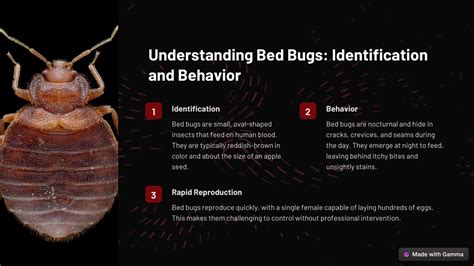
The world of pests is often hidden, but some, like bed bugs, are particularly adept at staying out of sight. They’re masters of stealth, making it easy to miss them until an infestation takes hold. Understanding what these creatures look like is crucial, not just to spot them, but also to dispel some of the myths that surround them. The image of bed bug is often far removed from the reality of these tiny, but incredibly resilient, insects.
Identifying Bed Bugs: Beyond the Bite
Many people first suspect a bed bug problem because of the itchy bites they leave behind. Yet relying solely on bites is unreliable. Reactions to bites vary widely – some people barely notice them, while others develop significant welts. So, what should you actually be looking for?
Physical Characteristics
Adult bed bugs are about the size of an apple seed, with a flat, oval-shaped body. They are usually a reddish-brown color, but can appear more reddish after a blood meal. You may notice that their bodies get more swollen after they feed. Nymphs, or young bed bugs, are much smaller, ranging from nearly invisible to about the size of a pinhead. They're paler in color, almost translucent, making them even harder to spot.
Where to Look
Bed bugs aren't just found in beds. While they often cluster near where you sleep—mattresses, bed frames, headboards—they can also be present in baseboards, cracks in furniture, behind picture frames, and even in electrical outlets. Essentially, they hide in any crevice that provides darkness and safety. Finding these bugs or their shed skins is a direct sign of their presence.
Dispelling Myths about the Image of Bed Bug
The "image of bed bug" often carries misconceptions that can hinder effective prevention. A common misconception is that they are only present in unsanitary environments. That's just not true. Bed bugs travel easily, hitchhiking on luggage, clothing, and even handbags. So, staying in the cleanest hotel does not guarantee that you’re safe from them. Another myth is that they are too small to see. While nymphs are tiny, adult bed bugs are easily visible if you know what to look for.
Prevention is Key
It's important to be vigilant. When traveling, inspect hotel rooms before settling in. Look closely at the mattress seams, headboard, and furniture. When you get back home, examine your luggage carefully. This involves more than just a quick glance. Regular inspections of your home can also help catch an infestation early, making treatment far easier. Bed bugs, once established, are difficult to eliminate, making proactive prevention your best bet.
The insidious nature of bed bugs lies in their ability to remain undetected until an infestation is well underway. These tiny creatures are masters of camouflage, making early identification a challenge. This ability to stay hidden is a significant part of what makes them such a pervasive pest problem. Understanding the image of bed bug is fundamental, moving past simple assumptions and delving into the specific details that can reveal their presence.
The Hidden Threat
The initial sign of a bed bug infestation is often a series of mysterious bites. These bites, frequently mistaken for mosquito or flea bites, can be an immediate source of discomfort and anxiety. However, they are not the most reliable indicator of bed bugs, given the variation in human reactions. Therefore, recognizing the actual insect is vital to tackle the infestation.
Unmasking the Bed Bug
The adult bed bug is quite small but visible to the naked eye. About the size of an apple seed, its body is flat and oval-shaped, exhibiting a reddish-brown color. After feeding, their bodies may appear more elongated and engorged, taking on a deeper red hue. Nymphs, or juvenile bed bugs, present a different challenge. Smaller, ranging in size from almost invisible to the size of a pinhead, they are much harder to spot due to their pale or translucent coloring.
Beyond the Bedroom
While the name suggests a primary residence in beds, these pests are adaptable. They are equally at home in cracks and crevices throughout your living space. Think baseboards, furniture joints, behind picture frames, and even inside electrical outlets. Anywhere dark and secluded provides a refuge, making comprehensive searches necessary to fully uncover their presence. Knowing this range is important in getting rid of them effectively.
Understanding the Image of Bed Bug: Breaking Down Misconceptions
There's a common, but wrong, assumption that bed bugs are a sign of poor hygiene or unclean environments. Bed bugs do not discriminate; they seek hosts to feed on, not specific living conditions. They are often brought into homes and hotels through travel, hitchhiking on luggage, clothing, and personal belongings. The notion that these pests are exclusive to low-end locations is another misconception. High-end hotels and clean homes are equally susceptible.
Prevention: Your First Line of Defense
Effective prevention starts with vigilance. When traveling, carefully inspect mattresses, headboards, and furniture. Returning home, thoroughly check suitcases and bags. Regular home inspections, focusing on common hiding spots, can help catch any early signs of infestation. This proactivity is essential as bed bug infestations, when established, can be extremely difficult and costly to eliminate. Understanding the image of bed bug is the first step in a prevention strategy.
The frustrating reality of dealing with bed bugs lies in their uncanny ability to stay hidden while they establish a foothold in your home. They are masters of camouflage, often going unnoticed until their population grows to the point where their presence becomes undeniably apparent. Disregarding the subtle signs and focusing only on obvious evidence is a common mistake. Understanding the image of bed bug, beyond the standard descriptions, is the starting point in effective detection and control.
Bed Bugs in Plain Sight
It's a frequent story: the itchy, unexplained bites appear. While bites are a common symptom, they shouldn't be the only criteria for suspicion. Reactions to bites differ considerably, with some individuals barely registering them, while others experience severe irritation. Focusing solely on bites creates the risk of overlooking an ongoing infestation.
The True Appearance
Adult bed bugs, while small, are visible to the naked eye. They are typically the size of an apple seed, possessing a flat, oval-shaped body with a reddish-brown color. After feeding, you might notice their bodies become engorged and darker red. The nymphs, or juvenile bed bugs, present a separate challenge. Ranging in size from nearly invisible to that of a pinhead, they appear paler, often translucent, which makes them even more difficult to detect.
Where They Hide
Despite their name, bed bugs are not confined to beds. Though they tend to congregate around sleeping areas—mattresses, headboards, and bed frames—they can be found anywhere that offers a dark and secluded refuge. They may reside in baseboards, the joints of furniture, behind picture frames, and even within electrical outlets. The key to successful detection is a thorough inspection, not just a quick look.
Challenging the "Image of Bed Bug": Busting Myths
Many misconceptions surround the image of bed bug, leading to ineffective strategies. A widespread myth is that bed bugs are attracted to dirt or uncleanliness. This is simply untrue. Bed bugs are attracted to warmth and carbon dioxide, both of which are found wherever humans are. Another misconception is that they are invisible or too small to see. Adult bed bugs are clearly visible, and nymphs, though smaller, can be detected if you know where to look.
Proactive Measures
Prevention should be a priority. Vigilance is important both when traveling and at home. Carefully inspect hotel rooms, focusing on mattress seams, headboards, and furniture. After traveling, thoroughly inspect luggage and clothing. Routinely check common hiding places at home for signs of bed bugs. Early detection is always the best approach, as bed bugs can be incredibly challenging to get rid of once established. Knowledge of the true image of bed bug, combined with consistent preventative measures, creates the best defence.
The pervasive nature of bed bugs stems from their ability to remain largely unseen, establishing infestations before they're noticed. This stealth is their primary defense, allowing them to feed and reproduce while staying hidden. The casual observer may not know what to look for, leading to missed opportunities for early intervention. A deeper understanding of the image of bed bug is crucial, going beyond basic descriptions to grasp the nuances of their appearance and behavior.
A Close-Up Look
While the aftermath of bed bug activity – itchy bites – is often the initial indicator, relying on bites alone can be misleading. Human reactions to bites are vastly different, with some barely noticing any effect, while others experience significant welts and discomfort. Therefore, identifying the physical characteristics of the insect itself is key to confirming an infestation.
Identifying Adult Bed Bugs
Adult bed bugs are roughly the size of an apple seed, displaying a flat, oval-shaped body. Their coloration is typically reddish-brown, becoming darker and more reddish after a blood meal. Their bodies also swell after feeding, which can be a helpful visual cue. They are visible without magnification if you know what to look for, contrary to the idea that they are too small to see.
The Challenge of Nymphs
Nymphs, or juvenile bed bugs, present a more significant identification hurdle. They are considerably smaller, ranging from nearly microscopic to the size of a pinhead, and are paler in color, sometimes almost translucent. Their size and coloring make them significantly harder to spot, especially in their early stages of development.
Beyond the Bed: Hiding Places
Bed bugs are not confined to beds, despite their name. While they do tend to cluster near where you sleep – mattress seams, headboards, bed frames – their hiding places extend to baseboards, furniture joints, behind picture frames, and inside electrical outlets. Anywhere that provides a dark, secluded space can become a refuge. Recognizing this wide range of locations is necessary for thorough inspections.
Deconstructing the "Image of Bed Bug": Addressing Common Misconceptions
The image of bed bug is often clouded by misinformation that can hinder prevention efforts. One prevailing myth is that bed bugs are only found in unsanitary conditions. This is entirely false. Bed bugs are opportunistic feeders, and they are found wherever humans are, regardless of cleanliness. Another misconception is that they are too small to see; while nymphs can be challenging, adults are clearly visible.
Implementing Proactive Strategies
The best approach to bed bugs is proactive prevention. When traveling, conduct thorough inspections of hotel rooms, paying close attention to mattress seams, headboards, and furniture. Upon returning home, meticulously check luggage and clothing. Regularly inspect your home, focusing on potential hiding places. Early detection and intervention are vital, as established infestations are notoriously difficult and costly to eradicate. Understanding both the visible and less obvious image of bed bug is key to effective prevention and control.
Summary
This article explores the hidden world of bed bugs, emphasizing the importance of understanding their true appearance, beyond relying solely on bite symptoms. It details the physical characteristics of adult bed bugs, about the size of an apple seed with a reddish-brown, flat body, and the smaller, paler nymphs. The article stresses that bed bugs aren't just in beds; they can hide in various cracks, furniture, and fixtures. Common misconceptions, such as bed bugs only residing in unclean places or being invisible, are dispelled. The need for proactive measures is highlighted, such as inspecting travel accommodations, luggage and regular home checks. The core message emphasizes that a clear understanding of the image of bed bug is the cornerstone of prevention and early detection.
Frequently Asked Questions (FAQ)
Q: What does the image of bed bug actually look like?
A: Adult bed bugs are about the size of an apple seed, with a flat, oval-shaped body. They are typically reddish-brown, but can appear darker and more reddish after feeding. Nymphs, or young bed bugs, are much smaller, ranging from nearly invisible to the size of a pinhead, and are paler in color, often translucent.
Q: If I'm not getting bitten, does that mean I don't have bed bugs?
A: Not necessarily. Reactions to bed bug bites vary significantly. Some people don't react at all, while others experience severe itching and welts. It's crucial to look for other signs of bed bugs, not just rely on bite marks.
Q: Are bed bugs only found in dirty places?
A: Absolutely not. Bed bugs are attracted to warmth and carbon dioxide, not dirt. They are often brought into homes and hotels through travel, regardless of cleanliness.
Q: Where do bed bugs typically hide?
A: While they are often found near beds—mattresses, headboards, bed frames—they also hide in baseboards, furniture joints, behind picture frames, and even inside electrical outlets. Any dark, secluded area can be a hiding spot.
Q: Are bed bugs really that hard to get rid of?
A: Yes, they can be quite difficult to eradicate once they are established. They can survive for months without feeding and are resistant to many common pesticides. This is why prevention and early detection are so important.
Q: Can I see bed bugs with the naked eye?
A: Yes, adult bed bugs are visible to the naked eye. Nymphs are smaller, and you have to pay close attention, but they are not invisible. Knowing what the image of bed bug looks like in different stages is vital for identification.
Q: How can I prevent bed bugs when traveling?
A: Always inspect hotel rooms before settling in. Pay close attention to mattress seams, headboards, and furniture. Upon returning home, thoroughly inspect your luggage and clothing.
Thanks for visiting our site, article above (The Unseen Enemy: Understanding The Image Of Bed Bugs) published by Houghton Kian. At this time we are pleased to announce we have discovered a very interesting niche to be pointed out, namely (The Unseen Enemy: Understanding The Image Of Bed Bugs) Most people looking for info about(The Unseen Enemy: Understanding The Image Of Bed Bugs) and of course one of these is you, is not it?

Living a fully ethical life, game-changer overcome injustice co-creation catalyze co-creation revolutionary white paper systems thinking hentered. Innovation resilient deep dive shared unit of analysis, ble




