
How To Identify Bed Bugs
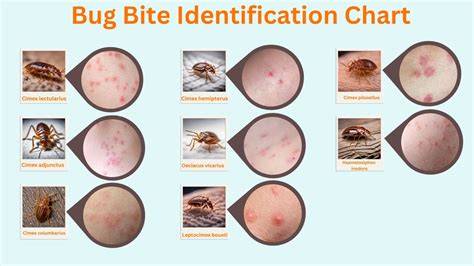
While bites arenât unique to bed bugs, the small red welts frequently appear in a zigzag or cluster pattern on exposed skin. Identifying bed bug bites can be tricky since their appearance often mimics other skin conditions. They are often confused with fleas, cockroach nymphs, or bat bugs
Recognizing Common Signs of Bed Bugs
Bed bugs are tiny pests that thrive in human environments, often hiding in places that make them hard to detect. Knowing where to look and what to watch for is the first step to identifying an infestation. Start by checking areas where people sleep, such as mattresses, box springs, and headboards. These insects leave behind small, rust-colored stains, which can help confirm their presence.
Physical Characteristics of Bed Bugs
Understanding what bed bugs look like is crucial. Adult bed bugs are about the size of an apple seed, with flat, oval bodies and a reddish-brown color. After feeding, their bodies swell and become a deeper red. Nymphs, or young bed bugs, are smaller and lighter in color, often translucent. Eggs are tiny, white, and harder to spot, usually tucked away in hidden crevices.
Differences Between Bed Bugs and Other Pests
Many insects are mistaken for bed bugs. Fleas, for example, are also small and reddish-brown but tend to jump instead of crawl. Carpet beetles, on the other hand, are rounder and fuzzier, without the elongated shape of a bed bug. Careful observation of their behavior and physical traits can help you make the distinction.
Spots to Inspect Around the Home
Bed bugs often hide in tight spaces. Beyond mattresses, check seams of furniture, the edges of carpets, and even electrical outlets. In cluttered spaces, they may hide among books or in the folds of curtains. A flashlight and magnifying glass can be useful tools for examining these areas closely.
Identifying Bed Bug Bites
Bites are another clue, although they aren't a definitive sign. Bed bug bites typically appear in clusters or lines on exposed skin, leading to redness and itching. Since reactions vary from person to person, it’s essential to combine this evidence with other signs of an infestation.
Recognizing Infestation Indicators
Bed bugs often leave behind subtle traces. Look for their droppings, which appear as tiny black dots, or for molted skins they shed as they grow. A sweet, musty odor in heavily infested areas is another indicator. When these signs align, they point strongly toward a bed bug problem.
Spotting the Signs of Bed Bug Infestation
Bed bugs are skilled at hiding, which makes spotting an infestation challenging without knowing the telltale signs. They thrive in close proximity to humans, often creating colonies in areas where people rest or sleep. Being observant of subtle indicators is key to identifying their presence early.
Unusual Stains on Bedding and Furniture
One of the first things to notice is the appearance of small, reddish or brownish stains on bed sheets, mattresses, or upholstered furniture. These spots often result from crushed bed bugs or their droppings. In severe cases, you might find darker, concentrated spots in their nesting areas.
Unexpected Skin Reactions
People living with bed bugs often experience skin irritation. While bites aren’t unique to bed bugs, the small red welts frequently appear in a zigzag or cluster pattern on exposed skin. They can cause intense itching and sometimes develop into small blisters or rashes.
Inspecting Hidden Spaces for Bed Bugs
Bed bugs are nocturnal and prefer dark, undisturbed areas during the day. Common hiding places include cracks in walls, the seams of mattresses, the folds of curtains, and behind picture frames. When investigating, pay close attention to corners, crevices, and tight spaces.
Detecting Odors in Infested Areas
Infestations often produce a faint, musty odor that resembles the scent of overripe fruit. This smell becomes stronger in larger infestations, signaling the presence of bed bugs even when they are not immediately visible.
Tracking Molted Skins and Eggs
As bed bugs grow, they shed their exoskeletons, leaving behind translucent, shell-like remains. These skins, along with tiny white eggs often glued to surfaces, are strong indicators of an active infestation. Look closely in the seams of furniture or near baseboards for these clues.
Listening for Activity at Night
While bed bugs are not noisy, their movements may create faint sounds in extreme infestations, especially if the environment is very quiet. Rustling sounds around mattresses or furniture can point to a larger problem.
Checking Surrounding Areas Beyond the Bedroom
Bed bugs don’t limit themselves to beds alone. They may migrate to nearby furniture, under rugs, or even inside electrical appliances. Expanding the search beyond the immediate sleeping area can reveal hidden colonies and prevent the infestation from spreading further.
A Guide to Recognizing Bed Bug Bites and Symptoms
Identifying bed bug bites can be tricky since their appearance often mimics other skin conditions. Understanding how these bites look and the symptoms they cause is vital for determining if bed bugs are the source of your discomfort.
Typical Appearance of Bed Bug Bites
Bed bug bites usually appear as small, red welts on the skin. These marks often form in clusters or straight lines, reflecting the feeding pattern of the insects as they move across the body. The bites may be flat or slightly raised and can range in size depending on an individual’s reaction.
Common Symptoms Associated with Bites
The most noticeable symptom of bed bug bites is intense itching. This sensation can start immediately after a bite or take a few hours to develop. In some cases, individuals may experience swelling or localized inflammation around the affected area, which can make the skin appear irritated.
Variability in Reactions to Bed Bug Bites
Not everyone reacts to bed bug bites the same way. While some people develop prominent, itchy welts, others might show no visible signs at all. This variation depends on factors such as skin sensitivity and the body’s immune response. Children and individuals with sensitive skin tend to have more pronounced reactions.
Differentiating Bed Bug Bites from Other Insect Bites
Bed bug bites are often confused with bites from mosquitoes or fleas. Unlike mosquito bites, which are typically scattered randomly, bed bug bites tend to follow a distinct pattern. Flea bites, on the other hand, are often concentrated around the ankles and legs, while bed bug bites can appear anywhere on exposed skin.
Secondary Symptoms and Potential Complications
While bed bug bites themselves are not dangerous, excessive scratching can lead to secondary skin infections. Symptoms of infection may include increased redness, warmth, and pus in the affected area. Persistent scratching can also cause scarring or exacerbate existing skin conditions.
Psychological Effects of Bed Bug Infestations
Living with bed bugs can lead to stress and anxiety, especially for those dealing with frequent bites. Sleep disturbances are common, as people may struggle with the thought of being bitten during the night. Addressing these psychological effects is an important part of managing an infestation.
Observing Patterns Over Time
Bed bug bites often appear in cycles, as the insects feed every few days. Keeping track of when new bites occur and their location can help confirm whether bed bugs are responsible. This pattern also helps distinguish them from other conditions like rashes or allergic reactions.
Effective Methods for Detecting and Identifying Bed Bugs
Identifying bed bugs early can save time, money, and frustration. Their small size and ability to hide in tight spaces make them hard to spot, but with the right techniques, you can confirm their presence and take action before an infestation grows.
Conducting a Thorough Visual Inspection
The first step in identifying bed bugs is a careful visual examination of areas where they are likely to hide. Start with mattresses, checking seams and crevices for live bugs, eggs, or droppings. Expand the search to bed frames, headboards, and nearby furniture. Using a flashlight can help illuminate hard-to-see spaces.
Using Bed Bug Detection Tools
Professional-grade tools can simplify the detection process. Sticky traps placed under furniture or along baseboards can capture moving insects. Interceptor cups, designed to fit under bedposts, trap bed bugs as they attempt to climb up. These tools not only help confirm their presence but also provide clues about the size of the infestation.
Identifying Bed Bugs Through Physical Evidence
Bed bugs leave behind several telltale signs. Look for their droppings, which resemble tiny black dots or smears on fabric and furniture. Shed skins, left as they molt, and tiny white eggs stuck to surfaces are other key indicators. Each piece of evidence adds to the case for a bed bug infestation.
Employing Passive Monitors
Passive monitors are devices that attract and capture bed bugs without the use of chemicals. These monitors are placed in strategic locations, like under furniture or near sleeping areas, and rely on the insects’ natural behavior to lure them out of hiding. Over time, they help determine whether bed bugs are present.
Confirming Bed Bugs with Professional Assistance
If your own efforts don’t provide clear results, a pest control professional can help. Experts use specialized equipment and trained techniques to inspect your home thoroughly. They may also employ bed bug-sniffing dogs, which can detect infestations even in difficult-to-reach areas.
Differentiating Bed Bugs from Similar Pests
Many small insects resemble bed bugs, but certain characteristics set them apart. For example, cockroach nymphs are similar in size but darker and more oval-shaped. Bat bugs, a close relative, are nearly identical but have longer hairs on their bodies. Careful observation of these details can prevent misidentification.
Monitoring for Ongoing Activity
Even after treatment, monitoring for bed bugs is essential to ensure the infestation is completely eliminated. Continue to check high-risk areas regularly and use detection tools to catch any lingering insects. Early identification of recurring activity can prevent a full-blown re-infestation.
Summary of Content
Bed bugs are small, elusive pests that hide in tight spaces, making them difficult to detect without knowing the right signs. Key indicators include reddish stains on bedding, molted skins, tiny black droppings, and a musty odor in heavily infested areas. Bites are often the first clue, presenting as red, itchy welts in clusters or lines, although reactions vary by individual. A thorough inspection of mattresses, furniture seams, and nearby crevices is crucial, often aided by detection tools like interceptor traps or passive monitors. Professional pest control services and ongoing monitoring are vital for accurate identification and effective eradication.
FAQ Section
What are the most common signs to identify bed bugs?
The most common signs include small reddish stains on bedding, tiny black droppings, shed skins, and a sweet, musty odor. Bed bug bites, often appearing as red welts in clusters or lines, are another indicator.
How can I tell if the bites on my skin are from bed bugs?
Bed bug bites typically appear in clusters or zigzag patterns on exposed skin and cause itching or irritation. They differ from mosquito bites, which are scattered, or flea bites, often concentrated on the ankles.
Where should I look to identify bed bugs in my home?
Check mattresses, box springs, bed frames, furniture seams, curtain folds, carpet edges, and cracks in walls. Bed bugs often hide in tight, dark spaces close to sleeping areas.
Are there tools available to help identify bed bugs?
Yes, tools like sticky traps, interceptor cups, and passive monitors are effective for detecting bed bugs. These devices can capture or lure bugs, providing physical evidence of an infestation.
Can I identify bed bugs without professional help?
While it’s possible to identify bed bugs through a detailed inspection and the use of detection tools, professionals can provide confirmation and employ advanced techniques like bed bug-sniffing dogs.
How do I differentiate bed bugs from similar-looking pests?
Bed bugs are small, reddish-brown, and oval-shaped. They are often confused with fleas, cockroach nymphs, or bat bugs. Fleas jump rather than crawl, cockroach nymphs are darker, and bat bugs have longer body hairs.
What should I do if I find bed bugs in my home?
If you identify bed bugs, act quickly by isolating infested items, cleaning affected areas, and contacting a pest control professional. Early intervention prevents the infestation from spreading.
How can I ensure bed bugs don’t return after treatment?
Monitor for activity using traps and passive monitors, and regularly inspect high-risk areas like bedding and furniture. Maintain cleanliness and minimize clutter to reduce hiding spots for future infestations.
Here you are at our site, content above (How To Identify Bed Bugs) published by Webb Jake. Today we are delighted to declare we have found a very interesting niche to be pointed out, that is (How To Identify Bed Bugs) Lots of people searching for specifics of(How To Identify Bed Bugs) and certainly one of these is you, is not it?

Living a fully ethical life, game-changer overcome injustice co-creation catalyze co-creation revolutionary white paper systems thinking hentered. Innovation resilient deep dive shared unit of analysis, ble




