
How You Get Bed Bugs
They can spread from a sofa to a chair to even your bed. They can easily move from your luggage to your bed, and from your bed to your couch. Infested hotels, hostels, or even public transportation can easily transfer these tiny hitchhikers to your luggage
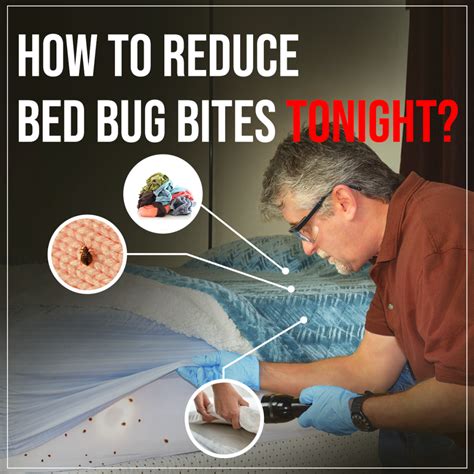
How You Get Bed Bugs
This is how bed bugs hitch a ride into your life. It's not always about being messy, sometimes it's just bad luck.
Shared Spaces, Shared Bugs
Bed bugs love to party. They especially love to party on furniture, clothes, and luggage. Think about how often you might share a couch with friends or family, or borrow a friend's jacket. These are easy entry points. A weekend getaway to a friend's house with a surprise bed bug infestation? Definitely possible.
Don't Forget Your Shoes!
Shoes can carry bed bugs too. They can hide in the soles and the crevices of the shoe. Imagine your shoes being a bed bug transport system. They hitched a ride from a hotel or another infested location to your home.
Hotels & Travel: A Bed Bug Hotspot
Hotels and hostels? Bed bug hotspots! They're often places where bed bugs travel on luggage, clothing, or even just the furniture itself. Don't be surprised if you bring them home with you.
Secondhand Finds & Thrift Stores
Thrift stores, flea markets – they're all tempting places for bargains. But these spots could also be a haven for these tiny hitchhikers. They can hide in used furniture, clothing, or even your bargain-priced suitcase.
The Spread Within Your Home
Once bed bugs are in your place, they can spread quickly. You might notice them in more than one room, depending on how easily they move around.
Furniture Travel: The Bug Bus
Furniture can be a bed bug's mobile home. They can spread from a sofa to a chair to even your bed. So, the bed bugs could be all over the place in your apartment!
Clothing & Bedding: The Bug Shuttle
They love to hide in your clothes and linens. They can easily move from your luggage to your bed, and from your bed to your couch.
The Role of Humans
While bed bugs do spread on their own, there are some things humans do to contribute.
Sharing is Caring? Think Again!
Sharing clothing, furniture, or luggage can definitely spread bed bugs from one space to another.
Be Careful at Concerts and Other Events
Imagine you've been to a big concert or a party. You might be surprised to find a few unwanted visitors at home. You should check your clothes and bags before taking them off. These areas may be prime locations for these hitchhikers.
The Sneaky Spiders: Uncovering Common Entrance Points
Luggage and Travel
How you get bed bugs often begins with travel. Infested hotels, hostels, or even public transportation can easily transfer these tiny hitchhikers to your luggage. Thoroughly inspect your belongings upon arrival, paying close attention to seams and zippers.
Used Furniture and Mattresses
Purchasing second-hand furniture, especially mattresses and upholstered pieces, presents a significant risk. Bed bugs can readily hide within the fabric and crevices, making their way into your home undetected. Always inspect used furniture meticulously before bringing it indoors.
Clothing and Personal Belongings
Items stored in infested areas can also harbor bed bugs. This includes clothing, shoes, backpacks, and other personal belongings. Washing and drying items on high heat is crucial after contact with potentially infested locations.
Neighboring Units
In apartment buildings or multi-unit dwellings, bed bugs can easily spread from one unit to another. Cracks and gaps in walls or floors provide pathways for these pests to migrate. Maintaining a clean and pest-free environment in your own unit can help, but it's not always a foolproof solution.
Friends and Family
Visiting friends or family who may have a bed bug infestation poses a risk. Bed bugs can easily transfer from their home to yours through clothing or belongings.
Cracks and Crevices
Bed bugs are adept at concealing themselves. They can hide in the smallest cracks and crevices, including those in walls, floors, baseboards, and furniture. Regular inspections and preventative measures are vital to identify and address these potential harborages.
Infested Items
Anything from used books and electronics to secondhand toys and artwork can potentially carry bed bugs. Be cautious when acquiring used items and always inspect them thoroughly before bringing them home.
Tiny Travelers: How Bed Bugs Hide in Your Home
Understanding How You Get Bed Bugs
Bed bugs are notoriously good at hitchhiking. They don't fly or jump; instead, they rely on us—and our belongings—to move them from one place to another. Knowing how you get bed bugs is crucial for prevention. Often, the initial introduction happens unknowingly.
Common Ways Bed Bugs Enter Your Home
Luggage and Travel
Travel is a major culprit in how you get bed bugs. Hotels, motels, and other lodging often house these pests, making your luggage a perfect transport vehicle. Bed bugs can easily crawl into your suitcase, clothing, or other belongings while you're sleeping or storing your items. When you return home, they disembark and begin their new life there.
Secondhand Furniture
Buying used furniture is a budget-friendly choice, but it also presents a risk of how you get bed bugs. Bed frames, couches, dressers, and mattresses can harbor these pests and their eggs. Before bringing secondhand items into your home, thorough inspection is crucial.
Visitors and Their Belongings
Guests, however well-intentioned, can unintentionally bring bed bugs with them. Their purses, backpacks, or clothing can be temporary carriers. Though less common, this is a possibility you should be aware of in understanding how you get bed bugs.
Public Places
Public spaces like libraries, movie theaters, and public transportation can occasionally harbor bed bugs. While less common than the sources above, being aware of this possibility contributes to a holistic understanding of how you get bed bugs. These are less predictable routes, but awareness helps.
Shared Spaces
If you live in an apartment building or shared housing, bed bugs can travel through walls or piping from an infested unit into yours. This cross-contamination illustrates another way how you get bed bugs, even if you are personally careful.
The Biting Truth: Understanding the Average Time to Detection
Bed bugs are a persistent and often frustrating problem. Knowing how you get bed bugs and the average time it takes to detect them is key to effective prevention and treatment. This article dives into the realities of bed bug infestations.
How You Get Bed Bugs
Bed bugs are hitchhikers. They don't jump or fly; they crawl. They can be brought into your home in a variety of ways, and sometimes it's hard to trace the exact source.
- Travel: This is perhaps the most common way. Bed bugs can hide in luggage, clothing, furniture, or even on your body. A trip to a hotel, motel, or even a friend's house can be the source of an infestation.
- Shared spaces: Apartments, dorms, and other shared living spaces are particularly vulnerable. A single bed bug can quickly multiply, spreading through communal areas.
- Used furniture and items: Purchasing secondhand furniture, mattresses, or even clothing can introduce bed bugs into your home. Thoroughly inspecting secondhand items before bringing them inside is crucial.
- Pests and animals: While less common, bed bugs can be brought in by other pests, such as rodents, or carried in on pets. However, this isn't their primary way of entry.
The Challenges of Early Detection
Unfortunately, the early stages of a bed bug infestation are often characterized by a lack of visible signs. This makes early detection difficult.
- Initial sightings can be few and far between: You might only notice a couple of bugs initially, making it challenging to determine the extent of the infestation.
- Small numbers can easily be overlooked: Bed bugs are tiny insects and their bites may not be noticeable immediately. Often bites are mistaken for other skin irritations.
- The subtle signs can be missed: Some people may not experience any bite reactions and this also means you might not notice the droppings or shed skins.
Determining the Average Time to Detection (an anecdotal estimate)
There isn't a definitive, scientific average for detection time. It's highly variable and depends heavily on:
- The size of the infestation: A few bed bugs may be more easily detected than a full-blown infestation.
- Your awareness of the signs: Knowing what to look for (bites, droppings, shed skins) significantly impacts the time it takes to detect the problem.
- The environment: The severity and density of the infestation will influence how visible the bed bugs are.
What to Look For
-
Tiny reddish-brown bugs: These are bed bugs. They're flat and oval-shaped, about the size of an apple seed.
-
Dark reddish-brown spots or stains: These are likely bed bug droppings.
-
Small, light brown shed skins: These are evidence of molting.
-
Bite marks: Itchiness, welts, or rashes on the skin, often in a linear pattern or clusters, are typical signs. However, some individuals may not react.
Recognizing the Importance of Early Intervention
Early detection is critical for effective treatment. The sooner you identify an infestation, the sooner you can take action to eliminate bed bugs before they multiply and spread throughout your home.
Thanks for visiting our site, article above (How You Get Bed Bugs) published by Howell Sean. Hodiernal we're excited to announce we have found a very interesting content to be pointed out, namely (How You Get Bed Bugs) Most people trying to find specifics of(How You Get Bed Bugs) and certainly one of these is you, is not it?

Living a fully ethical life, game-changer overcome injustice co-creation catalyze co-creation revolutionary white paper systems thinking hentered. Innovation resilient deep dive shared unit of analysis, ble




