
How To Treat Bed Bug Bites: A Comprehensive Guide
Spread it over the bites and let it dry before rinsing off gently with warm water. While they can resemble mosquito bites, bed bug bites often cause more prolonged itching and irritation. A small amount dabbed onto the bites with a cotton ball can reduce itching and swelling
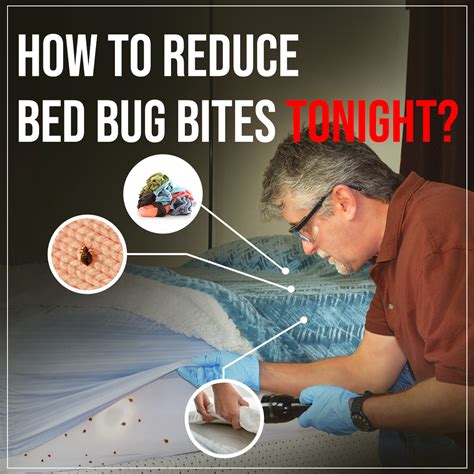
Recognizing Bed Bug Bites
Before diving into remedies, it’s important to confirm that the irritations you’re dealing with are bed bug bites. These bites often appear as small, red, itchy welts, frequently found in clusters or lines on exposed skin. Commonly mistaken for mosquito bites or allergic reactions, bed bug bites tend to show up after a night’s sleep. Knowing what you’re dealing with makes treatment easier and more effective.
Signs of an Allergic Reaction
For some, the reaction to bed bug bites goes beyond mild itching. Symptoms like swelling, blisters, or intense irritation might indicate an allergic response. If you notice these signs, focusing on anti-inflammatory treatments can help.
Immediate Steps to Ease Discomfort
Once you notice the bites, the first step is to clean the affected area. Gently wash the bites with soap and water to remove bacteria and reduce the chance of infection. Afterward, pat the area dry rather than rubbing, which can worsen irritation.
Applying Cold Compresses
Reducing inflammation can make a big difference. Wrap ice in a clean cloth and apply it to the bites for about 10 minutes. This simple remedy can help minimize swelling and soothe the itchiness.
Over-the-Counter Treatments
Hydrocortisone cream or antihistamine ointments can quickly alleviate itching and discomfort. If these aren’t available, calamine lotion is another great option to reduce irritation.
Natural Remedies for Bed Bug Bites
Some prefer to stick with natural methods, which can work just as well for mild symptoms. Aloe vera gel is widely used for its cooling and anti-inflammatory properties. Applying fresh gel or store-bought aloe to the bites can provide immediate relief.
Baking Soda and Water
Mixing baking soda with water to create a paste is another effective option. Spread it over the bites and let it dry before rinsing off gently with warm water. This remedy works well for reducing redness and calming the skin.
Witch Hazel or Tea Tree Oil
Both witch hazel and tea tree oil have antimicrobial and anti-inflammatory benefits. Dab either onto the bites using a cotton ball. Dilute tea tree oil with water if you have sensitive skin to avoid further irritation.
Preventing Infection
Scratching bites can break the skin, increasing the risk of infection. To avoid this, trim your nails and consider using a bandage over bites if itching persists. Keeping the area clean also helps.
When to See a Doctor
If you notice signs of infection—such as pus, increasing redness, or pain—it’s time to consult a healthcare professional. Severe allergic reactions or persistent symptoms may also require medical attention.
Stopping Bed Bugs in Their Tracks
Addressing the bites without tackling the cause won’t stop the problem. Bed bugs can hide in mattress seams, furniture, and even wall cracks. Start by thoroughly vacuuming and laundering bedding in hot water. Using mattress protectors designed to trap bed bugs can help, too.
Professional Pest Control
Sometimes, eradicating bed bugs requires expert intervention. Pest control professionals have the tools and expertise to locate and eliminate infestations effectively. Acting quickly minimizes the spread and recurrence of bites.
Identifying Bed Bug Bites: What to Look For
Bed bug bites usually show up as small, red bumps, often grouped in a line or cluster. They tend to appear on exposed skin like arms, legs, neck, or face. While they can resemble mosquito bites, bed bug bites often cause more prolonged itching and irritation.
Common Signs of Bed Bug Bites
The itching is a hallmark symptom, but the bites might also feel slightly swollen or warm to the touch. In some cases, the bites develop into raised welts or small blisters. Paying attention to these details helps rule out other causes, like flea or spider bites.
When to Suspect a Bed Bug Infestation
If bites appear overnight or increase after sleeping in a specific area, it’s likely you’re dealing with bed bugs. Spotting blood spots or tiny black specks on sheets adds more clues, pointing to an active infestation.
How to Treat Bed Bug Bites
Relief starts with keeping the bites clean to prevent infection. Washing the affected areas with mild soap and water can reduce bacteria. Once clean, patting the skin dry rather than rubbing it helps avoid further irritation.
Soothing the Itch
Applying a cold compress is one of the easiest ways to calm the itch. A hydrocortisone cream or antihistamine ointment can also take care of the discomfort quickly. These are widely available and easy to use. For something more natural, try aloe vera or a baking soda paste. Both options cool and soothe irritated skin.
Avoiding Complications
Scratching might be tempting but can break the skin, leading to possible infections. If itching is intense, covering the bites with a bandage or wearing gloves at night can stop unconscious scratching.
When Medical Help Is Needed
Sometimes bed bug bites cause severe reactions like intense swelling, pain, or infection. If symptoms don’t improve or worsen, contacting a healthcare provider is the best course of action.
Stopping the Cycle of Bites
Treating the bites is only part of the solution. Locating and dealing with the bed bugs themselves is just as critical. Regularly vacuuming and laundering bedding in hot water can help reduce the infestation. Sealing mattresses with protective covers adds an extra layer of defense.
Professional Help for Persistent Problems
When home remedies aren’t enough, calling a pest control service ensures the infestation is dealt with thoroughly. Professionals can target hiding spots that are easy to miss, helping eliminate the source of the problem once and for all.
Relieving the Itch: Home Remedies for Bed Bug Bites
When bed bug bites start to itch, simple remedies can bring relief. These methods often use everyday items you already have at home, making them quick and easy to try.
Wash and Soothe the Skin
Start by cleaning the bites with gentle soap and water. This keeps bacteria away and reduces the chance of infection. After washing, pat the area dry instead of rubbing it, which can make the itching worse.
Apply a Cold Compress
A cold compress works wonders for calming itchy, inflamed skin. Wrap a few ice cubes in a clean cloth or use a chilled gel pack. Press it gently against the bites for a few minutes. This method also helps with swelling.
Natural Solutions for Bed Bug Bites
For those who prefer a more natural approach, household staples often do the trick. Aloe vera gel, whether fresh or store-bought, feels cool on the skin and helps reduce redness and itching.
Baking Soda Paste
Baking soda, when mixed with a little water, creates a soothing paste. Apply it to the bites and let it sit until it dries, then rinse it off. It’s an effective way to ease irritation and calm the skin.
Use Witch Hazel
Witch hazel is known for its anti-inflammatory properties. A small amount dabbed onto the bites with a cotton ball can reduce itching and swelling. It’s a gentle option that works well for sensitive skin.
Over-the-Counter Relief Options
When home remedies aren’t enough, hydrocortisone creams and antihistamine ointments can quickly take care of stubborn itching. These treatments are easy to find in most drugstores and can be applied directly to the bites.
Calamine Lotion
Calamine lotion is another reliable option for relieving bed bug bite symptoms. Its cooling effect can provide a break from the constant urge to scratch, making it a great addition to your treatment routine.
Protecting Skin from Scratching
Scratching might feel satisfying at the moment but can lead to broken skin and potential infections. To prevent this, keep nails trimmed short and cover bites with a bandage if they’re hard to ignore. If itching gets worse at night, wearing light gloves can help protect your skin while you sleep.
Here you are at our site, article above (How To Treat Bed Bug Bites: A Comprehensive Guide) published by Collins Hayden. Today we're pleased to announce we have found an awfully interesting niche to be discussed, that is (How To Treat Bed Bug Bites: A Comprehensive Guide) Many individuals searching for specifics of(How To Treat Bed Bug Bites: A Comprehensive Guide) and certainly one of these is you, is not it?

Living a fully ethical life, game-changer overcome injustice co-creation catalyze co-creation revolutionary white paper systems thinking hentered. Innovation resilient deep dive shared unit of analysis, ble




