
Smash The Parasite: A Comprehensive Guide To Killing Bed Bugs
Finding bed bugs themselves, or their fecal spots (dark brown or black specks), eggs (tiny, pearly white), or shed skins, confirms their presence. It emphasizes that effectively addressing how to rid bed bugs requires a multi-pronged strategy, combining thorough cleaning, targeted treatments (including DIY methods like diatomaceous earth and steam cleaning, and professional pest control), and preventative measures. The article details how to identify bed bugs and their signs, discusses when professional intervention is necessary, and highlights the importance of preventative measures to keep infestations from recurring
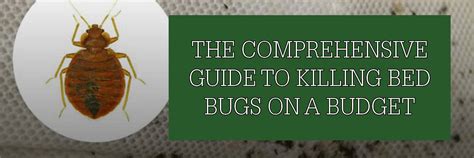
Smash The Parasite: A Comprehensive Guide To Killing Bed Bugs
Identifying the Enemy: Spotting Bed Bugs
Knowing what you're up against is half the battle. Bed bugs are tiny, reddish-brown insects, about the size of an apple seed. You'll likely find them in mattresses, box springs, bed frames, and even wall cracks. Look for dark spots (their droppings) or small, pearly white eggs. A telltale sign is itchy, red welts on your skin, especially concentrated on exposed areas like your arms and legs. Don't rely solely on visual inspection; a thorough investigation is crucial.
Where They Hide
These pests are masters of disguise. They love tight spaces, so check seams in your bedding, under loose wallpaper, and in electrical outlets. They’re surprisingly resilient. A single female can lay hundreds of eggs, leading to a rapid infestation if left unchecked.
How to Rid Bed Bugs: Tackling the Infestation
This isn't a one-size-fits-all solution; a multi-pronged approach is necessary for effective bed bug removal. Combining different methods maximizes your chances of success.
Cleaning and Preparation
Start by thoroughly cleaning your bedroom. Vacuum everything – carpets, upholstery, mattress seams. Pay special attention to cracks and crevices where bed bugs might hide. Dispose of the vacuum bag immediately afterward, sealing it tightly. Launder all bedding, including sheets, pillowcases, and blankets, in hot water (at least 120°F) and dry them on high heat for at least 30 minutes.
Professional Help: When to Call in the Experts
Sometimes, DIY methods just aren't enough. A severe infestation requires the expertise of a pest control professional. They have access to stronger insecticides and specialized equipment, giving you a much higher chance of complete eradication. They can also help pinpoint entry points to prevent future infestations.
DIY Treatments: Safe and Effective Options
While professional intervention is sometimes vital, there are several safe and effective DIY solutions. Diatomaceous earth, a natural powder, dehydrates and kills bed bugs. It's relatively inexpensive and readily available online or at home improvement stores. Remember to wear a mask when applying it to avoid inhalation. Another option is steam cleaning. High-heat steam effectively kills bed bugs and their eggs. This is particularly effective on mattresses and upholstered furniture. Be cautious, though; test a small, inconspicuous area first.
Choosing the Right Insecticide
If you choose to use insecticides, always follow the manufacturer's instructions carefully. Some insecticides are more effective than others, and some are safer for use around pets and children. Proper ventilation is vital when using any chemical insecticide.
Prevention: Keeping Bed Bugs Away For Good
Preventing bed bugs is far easier than eliminating them. Regularly inspect your bedding and mattress for any signs of infestation. Be vigilant when staying in hotels or visiting other people's homes. Inspect luggage thoroughly before returning home. Keeping your bedroom clean and clutter-free minimizes potential hiding places. A proactive approach is your best defense.
Eradicating Bed Bugs: A Premium Guide to Pest Control
Understanding the Problem
Bed bugs, tiny nocturnal insects, are a significant nuisance causing itchy bites and considerable stress. Their ability to quickly infest homes, coupled with their resilience to many common pesticides, makes effective eradication a challenging endeavor. Understanding their life cycle, habits, and preferred hiding places is paramount in developing a successful strategy for removal.
Bed Bug Biology and Behavior
These parasitic insects feed on human blood, leaving behind itchy welts. They are highly mobile, able to travel between rooms and even buildings, easily hitching rides on luggage or clothing. Female bed bugs lay hundreds of eggs in their lifetime, leading to exponential growth in a short period. Their ability to survive for extended periods without feeding, sometimes up to a year, makes complete eradication even more difficult.
Identifying Bed Bugs and Signs of Infestation
Adult bed bugs are small, oval-shaped, and reddish-brown. Nymphs are smaller and lighter in color. The most visible signs of infestation are itchy bites, often clustered in lines or groups. Finding bed bugs themselves, or their fecal spots (dark brown or black specks), eggs (tiny, pearly white), or shed skins, confirms their presence. Thorough inspection of mattresses, box springs, bed frames, and surrounding areas is critical.
How to Rid Bed Bugs: A Multi-Faceted Approach
Effective bed bug removal necessitates a multi-pronged approach, combining several methods to maximize efficacy. Relying on a single technique is rarely sufficient to achieve complete eradication. This integrated approach incorporates professional intervention, diligent cleaning, targeted treatment, and proactive prevention.
Professional Pest Control: When Expertise is Essential
For severe infestations or when DIY methods fail, professional pest control is crucial. Experienced technicians possess specialized knowledge, tools, and access to powerful insecticides, offering a much higher likelihood of success. They can conduct a thorough inspection, identify the extent of the infestation, and develop a tailored treatment plan. This often involves multiple treatments, ensuring complete elimination of both adult bed bugs and their eggs.
Choosing a Reputable Pest Control Company
Choosing the right pest control company is critical. Look for companies with experience in bed bug control, positive reviews, and a detailed treatment plan. Inquire about the type of insecticides used, the frequency of treatments, and any guarantees offered. Transparency in their approach should be a priority.
DIY Methods: Supplementing Professional Treatments
While professional help is frequently necessary, strategic DIY methods can complement professional treatments and help prevent future infestations. Thorough cleaning, vacuuming, and laundering are essential. Using mattress encasements can prevent bed bugs from accessing mattresses, effectively trapping existing ones and preventing future infestation.
Targeted Treatments: Addressing Specific Infestation Areas
Targeted treatment involves focusing on specific areas where bed bugs are concentrated. This might include applying insecticide sprays or dusts to cracks and crevices, or using heat treatments to eliminate bed bugs in furniture and other hard-to-reach areas. Careful application is key to avoid accidental exposure to chemicals or excessive heat.
Maintaining a Clean and Clutter-Free Environment
Regular cleaning plays a significant role in preventing bed bug infestations. Vacuuming regularly, especially in high-traffic areas and around beds, removes bed bugs and their eggs. Laundering bedding in hot water and drying on high heat kills any bed bugs present. Reducing clutter eliminates potential hiding places, making it easier to detect and eliminate infestations. Regular inspection of mattresses, box springs, and furniture for signs of bed bugs is vital for early detection and prevention of large-scale infestations.
Conquering Bed Bugs: A Premium Guide to Elimination
Identifying the Bugs
Accurate identification is the first step in effective bed bug control. Misidentification can lead to ineffective treatments and prolonged infestations. Knowing what to look for, both in terms of the bugs themselves and the signs of their presence, is crucial.
Visual Identification of Bed Bugs
Adult bed bugs are small, oval-shaped insects, typically reddish-brown in color. They are approximately the size of an apple seed. Nymphs, or immature bed bugs, are smaller and lighter in color, ranging from translucent to pale yellow. Their bodies are flattened, allowing them to squeeze into tiny crevices.
Distinguishing Bed Bugs from Other Pests
It’s essential to differentiate bed bugs from other insects that might be mistaken for them. This requires careful observation of size, shape, color, and behavior. A magnifying glass can aid in identification, especially for smaller nymphs. If unsure, consulting with a pest control professional is always recommended.
How to Rid Bed Bugs: A Comprehensive Strategy
Eliminating bed bugs requires a multi-faceted approach, combining various strategies for optimal results. A single method is rarely sufficient, and a comprehensive strategy ensures thorough eradication. This strategy needs to be tailored to the specific situation.
Professional Pest Control Services
For severe infestations or when DIY methods prove insufficient, professional pest control services offer the best chance of complete eradication. Professionals possess the expertise, equipment, and access to stronger insecticides to effectively eliminate bed bugs at all stages of development.
Choosing a Reputable Pest Control Provider
Choosing a reputable pest control company requires research and due diligence. Look for companies with experience in bed bug control, positive customer reviews, and a detailed treatment plan. Ensure the company is licensed and insured, and inquire about the insecticides they use and their safety protocols.
Thorough Cleaning and Preparation
Before initiating any treatment, thorough cleaning is essential. This involves vacuuming all carpets, upholstery, and bedding, paying close attention to seams and crevices where bed bugs may hide. Dispose of the vacuum bag immediately in a sealed container. All bedding, including sheets, pillowcases, and blankets, should be laundered in hot water (at least 120°F) and dried on high heat for at least 30 minutes.
Targeted Treatments and Insecticides
Once the initial cleaning is complete, targeted treatments can be applied. This may involve using insecticidal sprays or dusts in areas where bed bugs are concentrated. Always follow the manufacturer's instructions carefully, and ensure proper ventilation when using insecticides. Some insecticides are more effective than others, and selecting the appropriate type is important for success.
Safe and Effective Insecticide Options
Several safe and effective insecticide options exist, including those based on natural ingredients. Research different products and choose one that suits your specific needs and environmental concerns. Always prioritize safety, particularly if children or pets are present.
Prevention Strategies: Long-Term Protection
Preventing future infestations is just as crucial as eliminating existing ones. Regular inspection of mattresses, box springs, and bedding is essential for early detection. Using mattress encasements can prevent bed bugs from accessing mattresses, effectively trapping existing ones and preventing future infestation. Maintaining a clean and clutter-free environment minimizes potential hiding places for bed bugs.
Summary of "Smash The Parasite: A Comprehensive Guide To Killing Bed Bugs"
This guide provides a comprehensive approach to eliminating bed bugs, addressing identification, treatment, and prevention. It emphasizes that effectively addressing "how to rid bed bugs" requires a multi-pronged strategy, combining thorough cleaning, targeted treatments (including DIY methods like diatomaceous earth and steam cleaning, and professional pest control), and preventative measures. The article details how to identify bed bugs and their signs, discusses when professional intervention is necessary, and highlights the importance of preventative measures to keep infestations from recurring. The guide aims to equip readers with the knowledge and tools necessary to effectively combat bed bugs.
Frequently Asked Questions (FAQ)
Q: How do I know if I have bed bugs?
A: Bed bugs are tiny, reddish-brown insects. Look for itchy, red welts on your skin, especially concentrated on exposed areas. Also, check for dark spots (droppings), small, pearly white eggs, or the bugs themselves in mattresses, bedding, and cracks in walls or furniture. A thorough inspection is necessary.
Q: What's the most effective way to get rid of bed bugs?
A: There's no single "most effective" method; success depends on the severity of the infestation. A combination of approaches works best. This usually includes thorough cleaning, laundering bedding in hot water, using appropriate insecticides (following label instructions carefully!), and—for severe infestations—professional pest control services. Understanding "how to rid bed bugs" means employing multiple strategies.
Q: Can I get rid of bed bugs myself, or do I always need a professional?
A: For minor infestations, DIY methods like thorough cleaning, vacuuming, and the use of diatomaceous earth might suffice. However, for severe infestations, professional help is highly recommended. Professionals have access to more effective treatments and can identify hidden infestations you might miss.
Q: How can I prevent bed bugs in the future?
A: Prevention is key. Regularly inspect your bedding and mattress. Be cautious when staying in hotels or visiting other homes—inspect luggage before bringing it inside. Maintain a clean and clutter-free bedroom to minimize potential hiding places. Using mattress encasements can also help prevent infestations.
Q: Are bed bugs dangerous?
A: While bed bug bites are itchy and annoying, they are not known to transmit diseases. However, severe infestations can cause significant stress and sleep disruption.
Q: How long does it take to get rid of bed bugs?
A: The time required depends on the severity of the infestation and the methods used. It can range from a few weeks for minor infestations treated with DIY methods to several months for severe infestations requiring professional intervention and multiple treatments.
Q: What should I do if I find bed bugs in my hotel room?
A: Report the infestation to hotel management immediately. Carefully inspect your luggage before returning home, and consider laundering your clothes in hot water as a precaution.
Here you are at our website, content above (Smash The Parasite: A Comprehensive Guide To Killing Bed Bugs) published by Whitehouse Logan. Hodiernal we are delighted to declare we have discovered an incredibly interesting niche to be pointed out, that is (Smash The Parasite: A Comprehensive Guide To Killing Bed Bugs) Lots of people trying to find information about(Smash The Parasite: A Comprehensive Guide To Killing Bed Bugs) and of course one of them is you, is not it?

Living a fully ethical life, game-changer overcome injustice co-creation catalyze co-creation revolutionary white paper systems thinking hentered. Innovation resilient deep dive shared unit of analysis, ble




