
The Ultimate Guide To Defending Your Sleep: How To Prevent Bed Bugs From Biting
These barriers prevent bed bugs from accessing their preferred breeding grounds. These encasements create a physical barrier preventing bed bugs from accessing their preferred breeding grounds. This guide provides comprehensive information on how to prevent bed bugs from biting, covering topics from understanding bed bug biology and behavior to implementing preventative measures in your home and while traveling
The Ultimate Guide to Defending Your Sleep: How to Prevent Bed Bugs from Biting
Understanding the Enemy: Bed Bug Biology
Bed bugs are tiny, nocturnal insects. They feed on human blood, leaving itchy welts behind. Knowing their habits is the first step in keeping them away. These pests are masters of hiding, squeezing into the tiniest cracks and crevices. They can live for months without feeding, making detection tricky. Their eggs are incredibly small, further complicating matters.
Preventing an Infestation: Proactive Measures
Regularly vacuuming your mattress and box spring isn't just about cleanliness; it disrupts bed bug habitats. Pay close attention to seams and crevices. Washing bedding in hot water and drying on high heat kills bed bugs and their eggs. This simple step is surprisingly effective. Consider encasing your mattress and box spring in zippered covers. These barriers prevent bed bugs from accessing their preferred breeding grounds.
Inspecting Your Surroundings
Before bringing luggage or used furniture into your home, carefully inspect it. Pay particular attention to seams and any areas where bed bugs might hide. A thorough visual check is your first line of defense. If you're staying in a hotel, a quick inspection of the bed and surrounding areas can save you a lot of trouble later on.
Professional Help: When Prevention Fails
Sometimes, despite your best efforts, bed bugs find a way in. Don't panic; professional pest control is readily available. These experts have specialized tools and knowledge to eliminate infestations effectively. Early detection is key to a successful treatment.
Travel Smart: Avoiding Bed Bugs on the Road
Hotels aren't the only places you encounter bed bugs. Secondhand furniture can harbor these pests, too. Be cautious when purchasing used items. Thoroughly check any furniture before bringing it home. While traveling, keep your luggage off the floor and store it in a secure location.
Maintaining a Clean Home: A Long-Term Strategy
Consistent cleaning is a significant deterrent against bed bugs. Regularly vacuuming, washing bedding, and decluttering help create an environment less hospitable to pests. A clean home is a less inviting home for bed bugs.
Recognizing the Signs: Early Detection is Crucial
Itchy bites aren't always bed bugs, but if you notice them clustered together, it's time for a closer look. Look for tiny dark spots (bed bug feces) on mattresses, bedding, or furniture. The presence of bed bug casings (exoskeletons) is another significant warning sign. Don't hesitate to seek professional help if you suspect an infestation.
How to Prevent Bed Bugs from Biting
Identifying the Enemy: Common Signs of Bed Bug Infestations
Bed bugs, despite their tiny size, leave behind telltale signs of their presence. Knowing what to look for is crucial in preventing a full-blown infestation and, most importantly, preventing those itchy bites.
The Telltale Bites
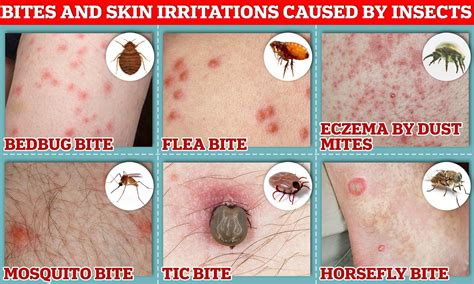
Bed bug bites often appear in a line or cluster, unlike mosquito bites which are more random. They're typically small, red, and itchy. The bites themselves might not be immediately obvious; the itching and irritation usually develop within a few hours or even days. However, the distinctive pattern can be a strong indicator.
Fecal Spots: Dark Evidence
Bed bugs leave behind small, dark spots of their excrement. These spots are often found on mattresses, box springs, bed frames, and even nearby walls. They're tiny, almost like pepper flakes, but their dark color makes them relatively easy to spot, especially on light-colored fabrics. Check closely along seams and crevices.
Shedding Skins: A Silent Warning
As bed bugs grow, they shed their exoskeletons. Finding these discarded skins is a clear sign of an active infestation. These casings are small and translucent, but their presence indicates a breeding population. Pay close attention to areas where bed bugs hide, such as under loose wallpaper or within cracks in the bed frame.
Musty Odor: A Subtle Clue
In large infestations, a musty or sweet odor can develop. This odor is caused by the aggregation of bed bugs and their waste products. It's a less obvious sign, but if you notice an unusual scent in your bedroom, it warrants further investigation. This odor might be subtle, often masked by other smells in a room, so pay close attention to any unusual or persistent odor.
Preventing an Infestation: Proactive Strategies
Knowing where bed bugs like to hide is as crucial as knowing what they look like. These tiny pests love to live in mattresses, box springs, and headboards; but they can also find harborage in upholstered furniture, baseboards, cracks in the wall, and even inside electrical outlets.
Regular Cleaning: Your First Defense
Regular vacuuming of your bedroom, paying particular attention to mattresses, box springs, and carpets, is a proactive approach. Don’t forget to carefully dispose of the vacuum bag immediately after cleaning. Washing bedding in hot water (at least 120°F) and drying on high heat also helps to eliminate any lurking bed bugs.
Protective Encasements: A Barrier Approach
Investing in zippered mattress and box spring encasements is a significant preventative measure. These encasements create a physical barrier preventing bed bugs from accessing their preferred breeding grounds. They are a worthwhile investment, particularly if you live in a high-risk area or have had previous bed bug issues.
Careful Inspection: A Vigilant Approach
Before bringing any used furniture or luggage into your home, inspect them carefully. Pay close attention to seams, crevices, and any areas where bed bugs might hide. Even second-hand clothing should be thoroughly checked and laundered before being stored in your closet. A visual inspection is the easiest and most effective first step in prevention.
How to Prevent Bed Bugs from Biting
Bed Bug-Proofing: Tips for Choosing the Right Mattress and Bedding
Your mattress and bedding are prime real estate for bed bugs. Choosing wisely can significantly reduce your risk. A proactive approach to selecting your sleep setup can go a long way in preventing infestations.
Mattress Selection: Materials Matter
Not all mattresses are created equal when it comes to bed bug resistance. While no mattress is completely bed bug-proof, some materials are less hospitable than others. Look for mattresses with tightly woven covers, making it harder for bed bugs to penetrate and establish themselves. Consider mattresses with a solid construction, minimizing crevices where bed bugs can hide.
Avoid Certain Materials
Mattresses made with materials that are easy to penetrate or harbor bed bugs are best avoided. Loosely woven fabrics or those with numerous seams are attractive to bed bugs. Additionally, avoid mattresses with excessive stuffing or padding that creates numerous potential hiding places.
Bedding Choices: Fabric and Construction
Your sheets, blankets, and comforters are all potential hiding places for bed bugs. Choose tightly woven fabrics that make it difficult for bed bugs to burrow. Avoid fabrics with loose threads or large gaps. Natural fibers like cotton are generally preferable to synthetics, as they are less likely to harbor bed bugs.
Washing and Drying: A Crucial Step
Regardless of the fabric, the frequency of washing and drying your bedding is vital. Regularly washing your sheets, pillowcases, blankets, and comforters in hot water (at least 120°F) and drying on high heat kills bed bugs and their eggs. This simple routine is one of your best defenses.
Protective Encasements: An Added Layer of Defense
Investing in zippered mattress and box spring encasements provides an extra layer of protection. These encasements act as a physical barrier, preventing bed bugs from accessing the mattress and box spring. They are particularly useful in high-risk areas or if you have previously had a bed bug infestation. Choosing encasements with high-quality zippers that seal tightly is essential. Regularly inspect the encasements for any signs of damage or tears.
Beyond the Mattress: Protecting Your Bedroom
Your entire bedroom environment plays a role in preventing bed bugs. Beyond your mattress and bedding, there are other steps you can take.
Regular Cleaning and Decluttering
Regular vacuuming and decluttering are essential. Bed bugs thrive in clutter, so a clean, organized room is less attractive to them. Pay special attention to areas where bed bugs might hide, such as under furniture, in cracks and crevices, and along baseboards. Remove any unnecessary items that may provide hiding places.
Furniture Placement: Minimizing Hiding Spots
Keep furniture away from walls to allow for easier cleaning and inspection. Regularly inspect furniture for any signs of bed bug activity.
Visual Inspections: A Routine Check
Regular visual inspections of your bed, mattress, box spring, and surrounding areas are crucial for early detection. Look for signs like bed bug bites, fecal spots, shed skins, or the insects themselves. Early detection is key to preventing a major infestation.
Summary of "The Ultimate Guide to Defending Your Sleep: How to Prevent Bed Bugs from Biting"
This guide provides comprehensive information on how to prevent bed bugs from biting, covering topics from understanding bed bug biology and behavior to implementing preventative measures in your home and while traveling. It emphasizes proactive strategies such as regular cleaning, using protective mattress encasements, and careful inspection of belongings. The guide also details how to identify bed bug infestations through visual signs like bites, fecal spots, and shed skins, and when professional help may be necessary. Ultimately, it offers a holistic approach to protecting your sleep environment from these persistent pests. Learning how to prevent bed bugs from biting is crucial for maintaining a comfortable and pest-free home.
FAQ: How to Prevent Bed Bugs from Biting
Q: What are the most common signs of a bed bug infestation?
A: Common signs include itchy bites often appearing in lines or clusters, dark fecal spots on mattresses or furniture, shed bed bug skins, and a musty odor in heavily infested areas.
Q: How can I prevent bed bugs from entering my home when traveling?
A: Inspect hotel rooms carefully upon arrival, focusing on the bed and surrounding areas. Keep your luggage off the floor and store it in a secure location. Upon returning home, inspect your luggage thoroughly and wash all clothing in hot water.
Q: What is the most effective way to kill bed bugs in bedding?
A: Wash bedding in hot water (at least 120°F) and dry on high heat for at least 30 minutes. This heat kills bed bugs and their eggs.
Q: Are mattress encasements really necessary?
A: Mattress encasements offer a significant layer of protection. They create a physical barrier preventing bed bugs from accessing the mattress and box spring, making them a worthwhile investment, particularly in high-risk areas or if you have previously experienced bed bug problems.
Q: What should I do if I suspect a bed bug infestation?
A: If you suspect a bed bug infestation, conduct a thorough inspection of your mattress, box springs, and surrounding areas. If you find evidence of bed bugs, contact a professional pest control service immediately. Early detection and treatment are crucial for effective control.
Q: How can I prevent bed bugs from getting into my used furniture?
A: Before bringing any used furniture into your home, thoroughly inspect it for signs of bed bugs. Pay close attention to seams, crevices, and any areas where they might hide. Consider having the furniture professionally treated before bringing it inside.
Q: Is regular vacuuming truly effective in bed bug prevention?
A: Yes, regular vacuuming, particularly of mattresses, box springs, and carpets, can help disrupt bed bug habitats and remove eggs and larvae. Dispose of the vacuum bag immediately afterwards.
Q: How often should I wash my bedding to prevent bed bugs?
A: Washing your bedding weekly in hot water and drying on high heat is a good preventative measure. More frequent washing might be necessary if you suspect an infestation or live in a high-risk area.
Thanks for visiting our website, article above (The Ultimate Guide To Defending Your Sleep: How To Prevent Bed Bugs From Biting) published by Payne Leo. Nowadays we are pleased to declare we have found an incredibly interesting niche to be pointed out, namely (The Ultimate Guide To Defending Your Sleep: How To Prevent Bed Bugs From Biting) Many people attempting to find info about(The Ultimate Guide To Defending Your Sleep: How To Prevent Bed Bugs From Biting) and definitely one of these is you, is not it?

Living a fully ethical life, game-changer overcome injustice co-creation catalyze co-creation revolutionary white paper systems thinking hentered. Innovation resilient deep dive shared unit of analysis, ble




