
Diy Bed Slats: A Step-By-Step Guide
You'll need screws or bolts to securely fasten the slats together, if you are creating a frame. Then, attach the slats to the frame using screws, ensuring they are evenly spaced and secure. Follow these steps: Once the slats are cut, follow these steps for assembly: Enhance the appearance and durability of your bed slats: This guide provides comprehensive instructions on how to make your own bed slats, offering a cost-effective and personalized solution for your bed frame
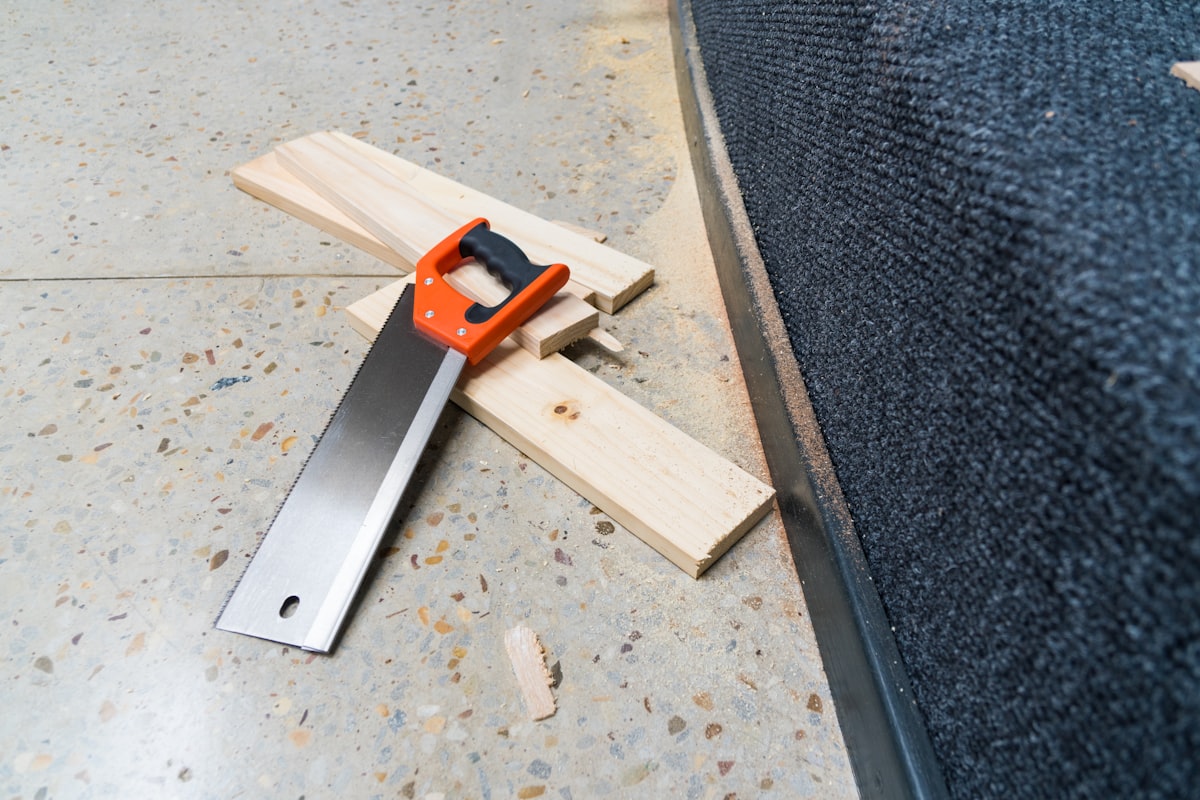
DIY Bed Slats: A Step-by-Step Guide
Getting Started with Your Bed Slats Project
So, you're thinking about replacing or adding bed slats? Great idea! It's a fairly straightforward project, and you'll save some cash compared to buying them pre-made. Before diving in, you’ll want to gather your tools and materials. You'll need a measuring tape, a saw (circular or hand saw both work fine), sandpaper, and screws or nails. You’ll also need wood, of course. Lumber choice will depend on your needs, but softwood like pine is common, as it’s affordable and easy to work with. Also, consider the spacing you want between the slats. Too close and it’s overkill, too far apart and your mattress might sag. Aim for a couple inches, typically.
Measuring for Success
Accuracy is key here. Measure the inside of your bed frame carefully. Then figure out the length of your slats. Don't forget to subtract a bit for any wiggle room, especially if your bed frame isn't perfectly square. You’ll also need to calculate how many slats you’ll need based on that spacing. It's better to have slightly too many than too few, you can always adjust.
Cutting the Lumber
Once you've got your measurements and wood, it's time to cut. Using your saw, carefully cut each slat to the correct length. Take your time, no need to rush. If you’re using a power saw, please wear eye protection. After cutting, lightly sand down the edges. This prevents any splinters and provides a smoother finish for the frame or mattress.
Assembling Your DIY Bed Slats
Pre-Drilling
This step helps prevent the wood from splitting when you attach it to the bed frame. Use a drill bit that's slightly smaller than your screws or nails. Make a pilot hole at each spot you plan to secure a slat.
Securing the Slats
Now, take those slats and put them into position. Make sure the spacing between each slat looks even. Use your screws or nails to secure each slat to the bed frame. Go slowly and double-check that everything lines up well. If you are adding a center support beam, make sure you follow your measurements before securing each slat.
Final Checks
Once all slats are in place, give everything a once-over. Check that each slat is secure. Test it gently by applying some pressure; if there is a significant creak you might want to examine the source of the noise. Now, place your mattress on top and you are ready to sleep in your bed! Remember that the quality and safety of your results rely on your skills.
A Note on Support
If you are building a full or queen size bed you might also consider adding a center support beam. This helps prevent the slats from bowing under the weight of the mattress and people. Think about adding vertical supports connecting to the frame to distribute weight if you find the slats flexing too much.
Materials Needed for Making Bed Slats
Lumber Selection
Choosing the right wood is crucial for durability and aesthetics. Hardwoods like oak, maple, or cherry offer superior strength and longevity but come at a higher price point. Softer woods such as pine or fir are more affordable but may require more careful handling to avoid damage. Consider the weight capacity your bed slats will need to support when making your selection. The thickness should be sufficient to prevent bending under pressure, typically 1x3 or 1x4 inch lumber.
Hardware & Fasteners
You'll need screws or bolts to securely fasten the slats together, if you are creating a frame. Choose screws of appropriate length and gauge to penetrate the wood effectively without splitting. Wood glue can enhance the bond strength and prevent movement. If using a frame construction, you'll also need corner brackets or other joining hardware. For simpler designs, you may only need the wood itself.
Tools Required
A circular saw or hand saw is necessary for cutting the lumber to the correct length. A measuring tape and pencil are essential for accurate marking. Clamps will help hold pieces together during gluing and assembly, making for a stronger, more consistent final product. A drill with the appropriate drill bits for pilot holes (to prevent wood splitting) will make screw installation much easier. Sandpaper will smooth any rough edges and improve the finished look. Safety glasses and hearing protection are essential for safe operation of power tools.
Construction Techniques for Making Bed Slats
Simple Slat Design
This method involves individual slats of wood. Measure and cut the wood to the desired length, ensuring all pieces are precisely the same. Sand the edges to create a smooth finish. This design provides excellent flexibility and is easy to assemble and repair.
Framed Slat Design
This approach uses a frame of thicker lumber which acts as a support structure for the individual slats. Cut the frame pieces to size and assemble using wood glue and screws or bolts. Then, attach the slats to the frame using screws, ensuring they are evenly spaced and secure. This design offers increased strength and stability.
Advanced Techniques: Curved Slats
For a more sophisticated look, consider using a steam box or bending jig to create curved slats. This requires more advanced woodworking skills and equipment. The result is a visually appealing and unique bed design. However, this method adds complexity and requires specialized tooling.
Finishing Touches
Once the bed slats are assembled, apply a finish to protect the wood and enhance its appearance. Options include stain, paint, or varnish. Allow ample drying time between coats. Ensure the chosen finish is compatible with the type of wood you used.
How to Make Bed Slats
Tools Required for Crafting Bed Slats
Creating sturdy and attractive bed slats requires the right tools. This section outlines the essential equipment needed for the task.
- Measuring Tape: Accurate measurements are crucial for consistent slat dimensions and overall bed frame fit.
- Pencil: Used for marking cut lines on the wood. A carpenter's pencil is ideal for visibility.
- Circular Saw or Miter Saw: A circular saw offers portability, while a miter saw provides greater accuracy for angled cuts, if needed. A hand saw is also possible, but more time-consuming.
- Safety Glasses: Protecting your eyes from flying debris is paramount.
- Wood Planer (Optional): This tool smooths the surfaces of the wood for a refined finish. Sanding can achieve a similar result, but takes longer.
- Sandpaper (Various grits): Essential for achieving a smooth, splinter-free surface. Start with coarser grit and progressively move to finer grits.
- Drill with Drill Bits: Necessary for pre-drilling holes for fasteners, preventing wood splitting.
- Screws or Bolts: Used to secure the slats to the bed frame. The type and size depend on the bed frame's construction.
- Level: Ensures your slats are aligned evenly for a stable and visually appealing bed.
- Clamps (Optional): Helpful for holding pieces together while applying glue or screws, especially for more complex designs.
Selecting Your Wood
The choice of wood significantly impacts the durability and aesthetic appeal of your bed slats. Consider factors like:
- Type of Wood: Hardwoods like oak or maple offer superior strength and longevity, while softer woods like pine are more affordable but may require more care.
- Thickness and Width: Standard dimensions often range from 1x3 inches to 2x4 inches, but the appropriate size depends on the bed frame and desired slat spacing. Thicker slats are stronger but may make the bed heavier.
- Wood Condition: Check for knots, cracks, or other imperfections that could compromise the slat's strength.
Cutting the Slats to Size
Precise cutting is key to ensuring your bed slats fit perfectly within the bed frame. Follow these steps:
- Measure Twice, Cut Once: Carefully measure the desired length of each slat, ensuring accuracy before making any cuts.
- Secure the Wood: Clamp the wood firmly in place before cutting to prevent movement and ensure a clean, straight cut.
- Make the Cuts: Use your chosen saw to carefully cut the wood to the measured lengths. For angled cuts, use a miter saw to achieve the precise angle needed.
- Smooth the Edges: Use sandpaper to smooth any rough edges or splinters, creating a safe and comfortable finished product.
Assembling the Bed Slats
Once the slats are cut, follow these steps for assembly:
- Pre-Drilling Holes (Recommended): Pre-drilling pilot holes before inserting screws or bolts prevents wood from splitting.
- Attaching the Slats: Secure the slats to the bed frame using screws, bolts, or other appropriate fasteners. Ensure they are evenly spaced.
- Check for Stability: Once assembled, check the stability of the slats to make certain they are securely attached and level.
Finishing Touches (Optional)
Enhance the appearance and durability of your bed slats:
- Sanding: Final sanding with fine-grit sandpaper will result in a smooth surface.
- Finishing: Apply a sealant, stain, or paint to protect the wood from moisture and wear, and enhance its aesthetic appeal. Consider the style of your bedroom when selecting a finish.
How to Make Bed Slats: A Step-by-Step Guide
This guide provides comprehensive instructions on how to make your own bed slats, offering a cost-effective and personalized solution for your bed frame. Whether you're replacing broken slats or building a custom bed, these steps will help you create durable and reliable supports.
Step-by-Step Instructions for Constructing Bed Slats
Step 1: Gathering Your Materials
- Wood: Select your wood type carefully. Hardwoods like oak or maple offer superior strength and durability, but are more expensive. Pine or fir are more affordable options, but may require more attention to prevent warping or damage. Aim for lumber that's at least 1x3 inches in cross-section for adequate support. The length will depend on the width of your bed frame.
- Measuring Tape and Pencil: Accurate measurements are crucial for consistent slats.
- Saw: A circular saw, miter saw, or hand saw will work, depending on your comfort level and the quantity of slats you're making.
- Sandpaper: Sanding smooths the edges and prevents splintering. Start with coarser grit (e.g., 80 grit) and finish with finer grit (e.g., 220 grit).
- Wood Finish (Optional): A stain or sealant protects the wood from moisture and enhances its appearance.
- Safety Glasses and Gloves: Always prioritize safety when working with power tools.
Step 2: Measuring and Cutting the Wood
- Measure: Carefully measure the desired length of each slat to fit the width of your bed frame. Ensure all slats are of equal length for a consistent look and even weight distribution.
- Cut: Use your saw to accurately cut the wood to the measured lengths. Make clean, straight cuts to avoid compromising the strength of the slats.
Step 3: Sanding the Slats
- Sanding the edges: Sand all edges and corners smoothly to prevent splinters. Pay particular attention to any rough patches or imperfections.
- Sanding the surface: Lightly sand the surfaces of the slats to ensure a smooth finish, particularly if you plan to apply a wood finish.
Step 4: Applying a Wood Finish (Optional)
- Cleaning: Before applying any finish, clean the slats thoroughly to remove any dust or debris from sanding.
- Applying the finish: Follow the manufacturer’s instructions for applying your chosen stain or sealant. Multiple thin coats are generally preferable to one thick coat. Allow each coat to dry completely before applying the next.
Step 5: Assembling the Bed Frame (If Necessary)
- If you're building a new bed frame entirely, this step will involve assembling the frame itself, then inserting the slats into their designated grooves or supports.
- If replacing old slats, carefully remove the old slats and insert the newly made ones into the existing bed frame.
Step 6: Testing the Slats
- Carefully test the stability of the newly constructed slats by placing a significant weight (e.g., a heavy bag of sand) onto the completed slats. Check for any sagging or weakness.
Here you are at our site, article above (DIY Bed Slats: A Step-by-Step Guide) published by Randall Louis. At this time we are pleased to declare that we have found an incredibly interesting topic to be reviewed, namely (DIY Bed Slats: A Step-by-Step Guide) Lots of people looking for details about(DIY Bed Slats: A Step-by-Step Guide) and of course one of them is you, is not it?

Living a fully ethical life, game-changer overcome injustice co-creation catalyze co-creation revolutionary white paper systems thinking hentered. Innovation resilient deep dive shared unit of analysis, ble




