
Effective Strategies To Protect Your Flower Beds
Flower beds, with their rich soil and abundant plant life, offer a wealth of scents for cats to explore and claim as their own. While cats may find flower beds an attractive spot, their presence can have devastating consequences for the plants. In addition, the presence of cats in flower beds can also lower property values and detract from the aesthetic appeal of a well-manicured garden
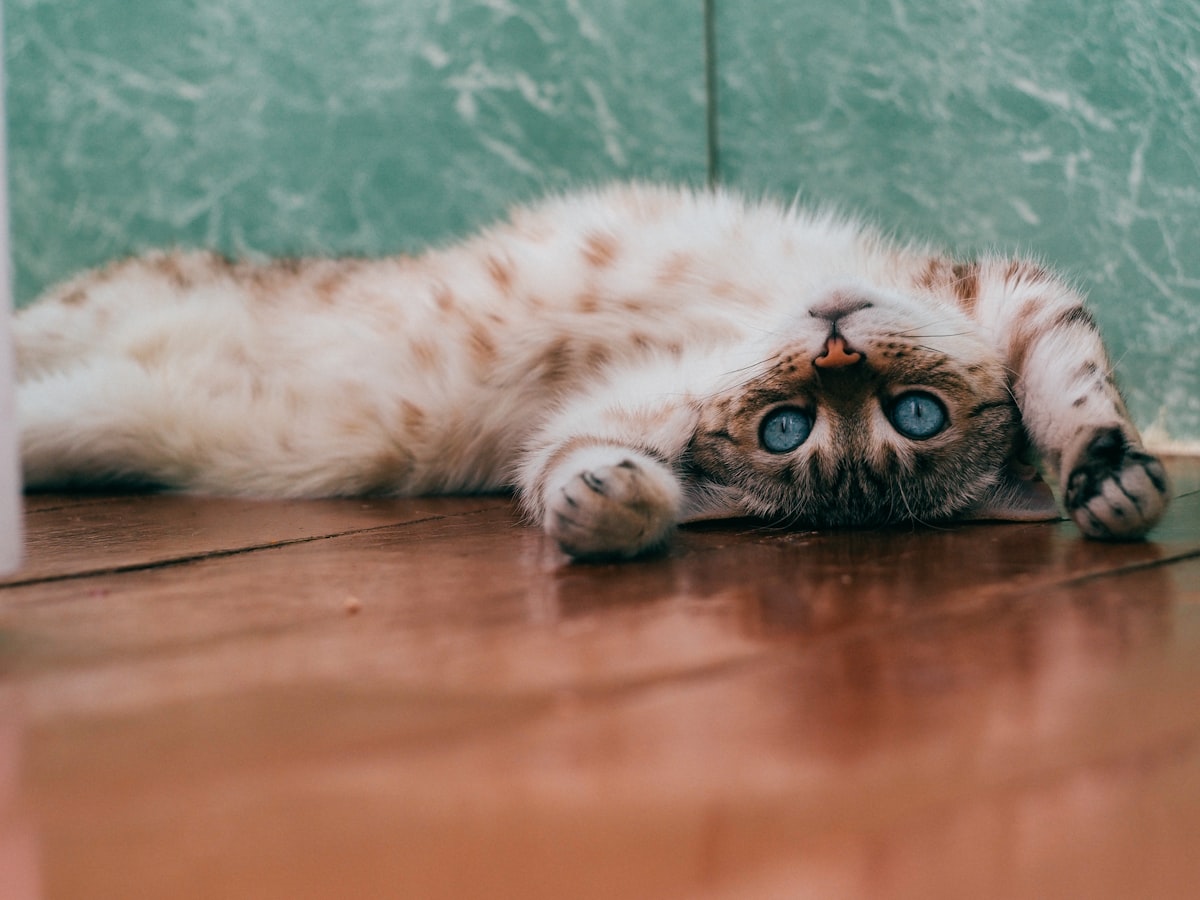
Effective Strategies to Protect Your Flower Beds
As a gardener, there's nothing more frustrating than seeing your beautifully maintained flower beds ravaged by curious and playful pets, particularly cats. Those adorable creatures can quickly turn your lovely garden into a mess. If you're tired of constantly chasing cats away or replacing destroyed flowers, it's time to take action. Here are some effective strategies to protect your flower beds from those sneaky felines.
Building a Barrier
Physical Barriers
- Bordering with pebbles or stones: This simple yet effective method involves placing a border of pebbles or stones around your flower bed. Cats often detest walking on sharp or rough surfaces, so this barrier will deter them from stepping onto your plants.
- Using edging or plastic strips: Installing a plastic edging or strips around your flower beds can create a barrier that cats won't dare to cross. Make sure to secure the edging firmly to avoid any damage to your plants.
Deterrent Methods
Using Smells
- Spraying citrus scents: Spray citrus juice or essential oils around your flower beds. Cats detest the smell of citrus and will avoid the area.
- Using mothballs: Although their effectiveness can vary, mothballs have been known to repel cats from certain areas.
Creating Noise
- Wind chimes: Hang wind chimes near your flower beds to create a noise that will frighten cats away.
- Other noise-making objects: You can also use other noise-making objects like small bells or metal windsocks to scare cats away.
Plant Selection and Maintenance
Plant Options
- Choosing cat-repellent plants: Some plants are naturally cat-repellent, such as lemongrass, lavender, and mint. Incorporate these plants into your garden to repel cats.
- Avoiding cat-attracting plants: Certain plants, like catnip and milkweed, can attract cats. Avoid planting these in your flower beds if you're trying to keep cats away.
Regular Maintenance
- Keeping the area clean: Regularly clean your flower beds to remove any food scraps or debris that might attract cats.
- Avoid over-multiplying blooms: Over-multiplying blooms can make your flower bed look attractive to cats. Regular pruning will keep the area looking neat and cat-unfriendly.
Understanding Why Cats Are Drawn to Flower Beds
The Feline Fascination with Flowers
Cats are notorious for their mischievous behavior, and one of their favorite pastimes is digging and lounging in flower beds. While it may seem perplexing to us, there are several reasons why cats are drawn to these areas. Understanding these reasons is key to finding a solution to the age-old problem of how to keep cats out of flower beds.
The Importance of Scent and Territory
Cats have a strong sense of smell and use scent markings to define their territory. Flower beds, with their rich soil and abundant plant life, offer a wealth of scents for cats to explore and claim as their own. By digging and rolling in the soil, cats deposit their own scent on the area, effectively staking their claim on the territory.
The Attraction of Warmth and Comfort
Flower beds often receive direct sunlight, making them a warm and cozy spot for cats to relax. The soft earth and lush foliage also provide a comfortable surface for cats to stretch out and take a nap. It's no wonder that cats are drawn to these areas, especially on chilly days or after a long period of activity.
The Thrill of the Hunt
Cats are natural predators, and flower beds can be a treasure trove of hidden insects and small rodents. The tall stems and dense foliage of flowers provide the perfect cover for cats to stalk their prey, and the soil offers a habitat for underground pests. By digging and exploring flower beds, cats are able to exercise their hunting instincts and satisfy their natural curiosity.
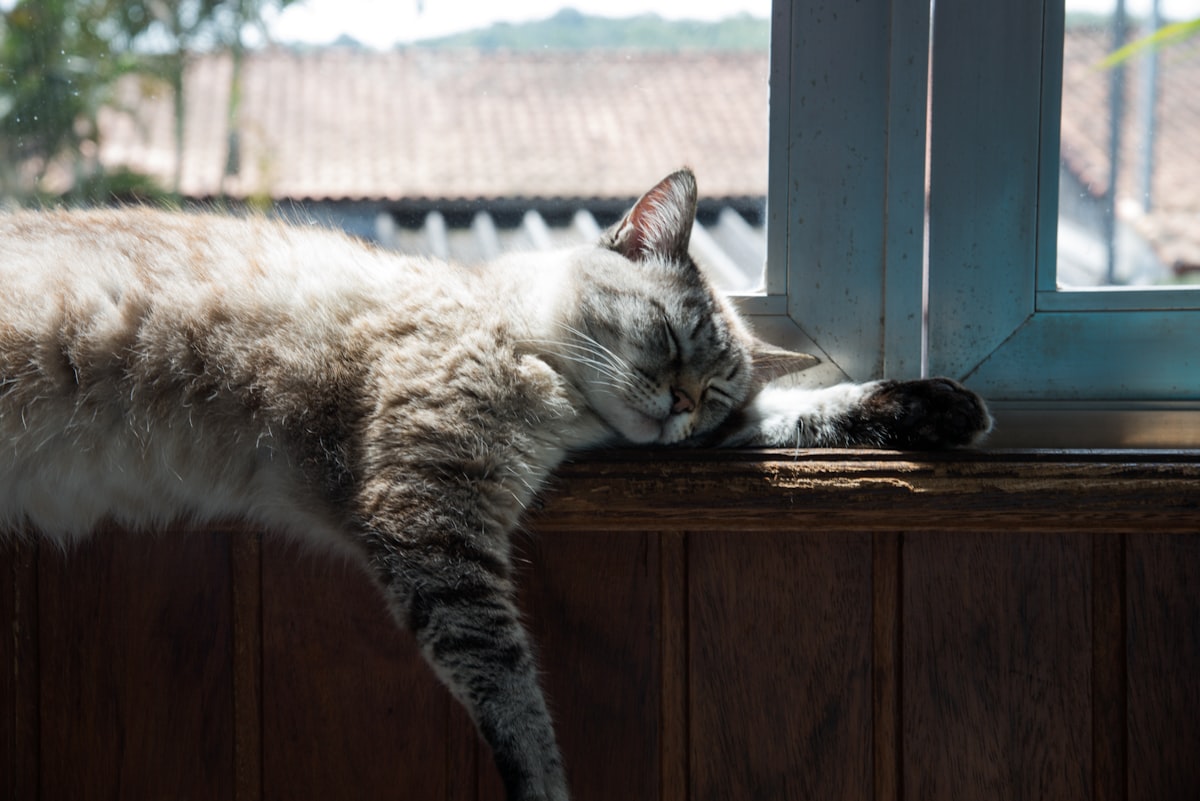
The Consequences of Cats in Flower Beds
While cats may find flower beds an attractive spot, their presence can have devastating consequences for the plants. Digging and trampling can damage roots, stems, and leaves, while urine and feces can contaminate the soil and spread disease.
The Economic Impact
For gardeners and homeowners, the damage caused by cats in flower beds can be costly. Replacing damaged plants, repairing soil, and controlling pest populations can add up quickly. In addition, the presence of cats in flower beds can also lower property values and detract from the aesthetic appeal of a well-manicured garden.
The Health Risks
Cats in flower beds can also pose health risks to humans and other animals. Feces and urine can contaminate soil and water, spreading diseases like toxoplasmosis and leptospirosis. Additionally, cats can bring in parasites like fleas and ticks, which can infest homes and gardens.
Thanks for visiting our site, article above (Effective Strategies To Protect Your Flower Beds) published by Page Taylor. Hodiernal we're delighted to announce that we have discovered an incredibly interesting niche to be reviewed, that is (Effective Strategies To Protect Your Flower Beds) Many people trying to find information about(Effective Strategies To Protect Your Flower Beds) and definitely one of these is you, is not it?
Gallery for Effective Strategies to Protect Your Flower Beds

Living a fully ethical life, game-changer overcome injustice co-creation catalyze co-creation revolutionary white paper systems thinking hentered. Innovation resilient deep dive shared unit of analysis, ble




