
The Ultimate Guide To Eradicating Bed Bugs Without Professional Help
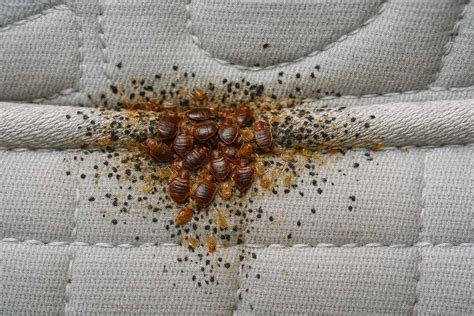
Identifying them correctly, as opposed to other pests, is step one in knowing how to get rid of bed bugs on your own. Look for live bugs, shed skins, or small, dark fecal spots on mattresses, bedding, and furniture. Make it a habit to inspect used furniture or luggage before bringing it into your home
Understanding Your Enemy: Bed Bug Basics
Bed bugs are masters of hide-and-seek, which is partly why getting rid of them can be such a pain. They’re tiny, reddish-brown, and usually come out at night to feed on our blood. Think of them as miniature vampires, but instead of dramatic capes, they prefer tight cracks and crevices. Knowing where they like to hang out gives you a significant advantage in the battle ahead. We're talking seams of mattresses, bed frames, baseboards, even behind picture frames and loose wallpaper. It's a good idea to get to know their favorite spots.
Identifying the Signs
Before you go full-on bug-busting mode, it's helpful to confirm you're actually dealing with bed bugs. The most obvious sign? Itchy bites, usually appearing in clusters or a line, often on exposed skin. Keep in mind these bites can sometimes look like other insect bites, so it’s helpful to look for other indicators. You might spot tiny dark or reddish stains on your sheets or mattress – these are bed bug droppings. Another clue is the shed skins or even the bugs themselves, especially around their hideouts. Finding these is a definite confirmation you have some unwanted house guests.
Your DIY Arsenal: Tools and Techniques for Victory
You don't need a hazmat suit to tackle bed bugs. You'll need persistence and a few common household items. A vacuum cleaner with a hose attachment will be your primary weapon for gathering them up. Then you'll want to bring in heat. A steamer can get into nooks and crannies, and you can use high heat in the dryer for fabrics. Don't forget essential tools: a stiff brush for scrubbing potential hiding spots, ziploc bags for sealing up anything suspect, and some good quality encasements for mattresses and pillows.
Heat Treatment: The Bed Bug's Kryptonite
Heat is effective at killing bed bugs at all stages of their life cycle. Wash and dry bedding, clothes, and other washable items on the hottest setting possible. Use a steam cleaner to target furniture seams, baseboards, and other hiding spots. For items that can’t go in the dryer, a dark plastic bag left in direct sunlight can heat treat them. It does require a sunny day, and you'll need to ensure the internal temperature reaches at least 120°F for a sustained period to kill all bugs and their eggs. You'll need to be thorough and patient with this.
Cold Treatment: An Alternative Approach
While not as potent as heat, freezing can also kill bed bugs. Place small infested items inside sealed plastic bags and put them in the freezer for at least 4 days at 0°F. This isn’t a viable option for larger furniture pieces, but it works well with smaller items. If you go this route, make sure to give it adequate time.
Vacuuming: The First Line of Defense
Vacuuming is an incredibly helpful tool for capturing and removing bed bugs, their eggs, and their shed skins. Pay close attention to mattress seams, baseboards, and other hiding places. It won't eliminate every last bug, but it can certainly reduce the population. After vacuuming, immediately empty the contents into a sealed bag and discard outside. You don't want them escaping back into your home.
Barriers and Encasements: Keeping Them Contained
Encasements for your mattress and pillows create a barrier preventing bed bugs from entering or escaping. They are a vital part of preventing re-infestation. These should be high-quality, bed-bug specific encasements that are durable and completely seal up your bedding. You can use interceptor traps placed under furniture legs. These traps will catch bed bugs trying to crawl up into your bed or other furniture, giving you a visual cue of activity.
The Follow-Through: Sustaining a Bug-Free Home
Getting rid of bed bugs is not a one-and-done situation. It requires consistency and diligent follow-up. Continue monitoring your home for signs of bed bugs, even after treatment. Be vigilant about keeping clutter to a minimum. You should repeat vacuuming, steaming, and any other necessary treatments to address any remaining bugs or newly hatched eggs. If after trying everything yourself you’re still struggling, you should consider professional help. This approach to getting rid of bed bugs on your own requires dedication but can definitely be successful.
Dish Out the Right Techniques: Tips for Successful Bed Bug Elimination
Identifying the Enemy: Bed Bug Basics
Before diving into eradication, understanding your foe is crucial. Bed bugs are small, reddish-brown insects that feed on human blood. They are nocturnal and excellent hiders, preferring cracks and crevices near sleeping areas. Identifying them correctly, as opposed to other pests, is step one in knowing how to get rid of bed bugs on your own. Look for live bugs, shed skins, or small, dark fecal spots on mattresses, bedding, and furniture.
Preparations Are Key: Before You Battle
Effective DIY bed bug elimination demands meticulous preparation. First, declutter the affected area. This makes it easier to locate and treat bed bugs. Next, thoroughly vacuum all carpets, mattresses, and furniture. Empty the vacuum bag or canister into a sealed plastic bag and dispose of it immediately outdoors. Washing all bedding, curtains, and clothing in hot water and drying on high heat is essential. Items that cannot be washed should be placed in a hot dryer for 30 minutes.
Strategic Treatment: Methods for DIY Eradication
- Heat Treatment: This is a highly effective method for how to get rid of bed bugs on your own. Portable heaters designed for bed bug control can be used to raise the temperature in a room to a lethal level for these pests (around 120°F or 49°C). Remember to follow the manufacturer's instructions carefully and ensure the temperature reaches all areas where bed bugs might be hiding. Steam cleaners can also be used to deliver lethal heat, particularly in cracks and crevices.
- Chemical Control: Insecticides specifically labeled for bed bug control can be used. Apply these products carefully, following the product instructions precisely. Focus on cracks, crevices, seams, and other areas where bed bugs are likely to hide. Consider using a combination of sprays and dusts for optimal coverage. Diatomaceous earth (DE), a non-toxic powder, is also an effective tool when used in dry areas as it dehydrates bed bugs. Remember to only use food-grade DE.
- Physical Barriers: Mattress encasements are an essential tool for managing bed bugs. These tightly woven covers prevent bed bugs from infesting mattresses and box springs, while also trapping any existing bugs inside. Properly installed encasements can contribute significantly to the long-term how to get rid of bed bugs on your own solution.
Persistent Monitoring: The Long Game
Even after treatment, vigilance is essential. Continue to inspect the area regularly for signs of bed bugs. If new infestations are discovered, repeat the treatment process. Prevention is as important as elimination. Make it a habit to inspect used furniture or luggage before bringing it into your home. Staying vigilant is key to ensuring bed bugs don't return.
The 5-Step Bed Bug Removal Plan You Can Accomplish on Your Own
Step 1: Identify and Confirm the Infestation
- Thorough Inspection: Carefully examine all bedding, mattress seams, box springs, furniture, and cracks in walls. Look for tiny reddish-brown bugs, their shed skins, or dark fecal spots (like small, dark, coffee-ground-like specks).
- Confirming Infestation: Don't jump to conclusions. Multiple sightings are crucial for confirming a full-blown bed bug infestation.
Step 2: Isolate the Affected Area
- Quarantine: Immediately remove any affected items (clothing, bedding) from the infested room and place them in sealed plastic bags. Label the bags clearly.
- Protective Measures: If possible, move furniture away from walls to allow for better access to potential hiding spots.
Step 3: Deep Cleaning and Vacuuming
- Deep Clean: Use a damp cloth and mild detergent to clean all surfaces in the room, including floors, walls, and crevices.
- Thorough Vacuuming: Use a powerful vacuum cleaner with a hose attachment to thoroughly vacuum all areas, including crevices and seams. Empty the vacuum bag immediately into a sealed plastic bag and dispose of it properly.
Step 4: Treatment
- Professional Advice: While many DIY solutions exist, consulting with a pest control professional is highly recommended, especially if the infestation is severe. However, for minor infestations, consider using heat treatments (such as using a heat steamer).
- DIY Options: For smaller infestations, consider using a combination of sprays, traps, or dust products. Carefully follow the manufacturer's instructions for correct application and safety precautions.
Step 5: Prevent Recurrence
- Regular Inspection: Continue checking the treated area for any signs of bed bugs for at least 2 weeks after treatment.
- Preventative Measures: Keep bedding in tightly sealed storage when not in use. Vacuum regularly and inspect luggage after travel. Seal cracks or crevices in walls and furniture.
From Infestation to Eradication: Your Step-by-Step Guide to Bed Bug Removal
How to get rid of bed bugs on your own can be daunting, but with a methodical approach and perseverance, it's achievable. This guide provides a comprehensive plan, from initial detection to complete eradication.
1. Confirm the Presence of Bed Bugs:
- Visual Inspection: Carefully inspect all potential hiding spots, especially mattress seams, bed frames, box springs, and the edges of upholstered furniture. Look for tiny bugs, shed skins, or reddish-brown fecal stains.
- Use a flashlight: A bright flashlight can help illuminate even hard-to-reach areas for a closer look.
- Check luggage and clothing: If you've travelled recently, be particularly vigilant in checking your luggage, clothes, and any bags that have been stored in close proximity to furniture or bedding.
2. Preparation is Key:
- Remove clutter: Declutter the infested area to expose hiding places and facilitate thorough cleaning.
- Protect yourself: Wear gloves, long sleeves, and pants to avoid direct contact with the bugs and their droppings. Use a dust mask if needed.
- Gather supplies: You'll need a combination of tools and chemicals. Essential items include a vacuum cleaner with a HEPA filter, a stiff brush, a steamer, and appropriate insecticides. Some people find using a mattress encasement useful as an additional preventative measure. Ensure you identify the correct type of insecticide and follow all safety instructions.
3. Vacuuming and Cleaning:
- Thorough vacuuming: Vacuum all potential bed bug hiding spots with a high-powered vacuum cleaner. Don't just sweep. Vacuum the mattress, box spring, bed frame, carpets, and surrounding areas frequently.
- Empty and dispose of bags: Immediately empty and dispose of vacuum cleaner bags in a sealed trash bag.
- Wash bedding: Wash all bedding (sheets, blankets, pillowcases, and mattress pads) in hot water (at least 130°F) and dry in a hot dryer for at least 30 minutes.
4. Insecticide Application:
- Choose appropriate insecticide: Select a bed bug insecticide specifically formulated for home use. Carefully follow all safety precautions and manufacturer instructions.
- Target cracks and crevices: Pay close attention to applying the insecticide to areas where the bugs are likely to hide, like seams, crevices, and along edges of furniture.
- Repeat treatments: Following the first treatment, allow at least a few days before repeating the process, following instructions for the specific product.
5. Ongoing Maintenance:
- Regular checks: Continue to monitor the infested area for signs of bed bugs and repeat the cleaning steps regularly.
- Prevent re-infestation: Focus on preventing bed bug re-entry by sealing any gaps, cracks, or crevices in your home's structure and maintaining cleanliness.
- Alert neighbours: If you suspect a communal infestation, discuss the issue with neighbours and consider coordinating pest control measures.
6. Professional Help:
- Persistent infestations: If you've tried these steps and the infestation persists, seek professional help from a licensed pest control service.
Thanks for visiting our blogs, content above (The Ultimate Guide To Eradicating Bed Bugs Without Professional Help) published by Kelly Tyler. Today we're pleased to announce we have found a very interesting niche to be reviewed, that is (The Ultimate Guide To Eradicating Bed Bugs Without Professional Help) Many individuals looking for information about(The Ultimate Guide To Eradicating Bed Bugs Without Professional Help) and definitely one of these is you, is not it?

Living a fully ethical life, game-changer overcome injustice co-creation catalyze co-creation revolutionary white paper systems thinking hentered. Innovation resilient deep dive shared unit of analysis, ble




