
Natural Ways To Eliminate Bed Bugs: Home Remedies For A Bed Bug-Free Home
Freezing affected areas for several hours can be a natural way to rid your home of these unwanted visitors. Freezing affected areas can prove highly effective for eliminating bed bugs, especially when combined with other treatments. A2: The time it takes to eliminate bed bugs with home remedies varies significantly depending on the severity of the infestation, the consistency of treatment, and the diligence of the removal process
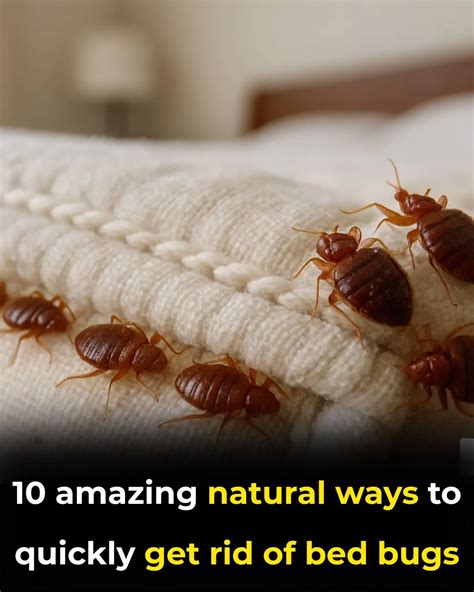
Natural Ways to Eliminate Bed Bugs: Home Remedies for a Bed Bug-Free Home
Bed bugs are a persistent nuisance, but natural methods can help you reclaim your space. Battling these tiny pests doesn't always necessitate harsh chemicals. There are effective home remedies available, offering a safer approach and allowing you to control the situation without relying on potentially harmful sprays.
This guide delves into a variety of natural solutions, providing practical advice for tackling infestations head-on. We'll explore common household items and strategies for eliminating bed bugs and creating a bug-free haven.
Understanding Bed Bugs and Their Habits
Bed bugs, those unwelcome nocturnal guests, prefer warm, dark places. Often, they seek shelter near humans and their sleep. Their feeding habits are well-documented and can trigger itchy bites and disturbances, so early intervention is key. Knowing their tendencies can make managing an infestation easier.
Identifying the Signs of Bed Bugs
Identifying the tell-tale signs of bed bugs is crucial for swift action. Inspect your mattress, box springs, and bed frames. Look for tiny reddish-brown insects, their shed skins, or droppings. Understanding their life cycle helps with targeted elimination efforts. Examine seams and crevices for indicators.
Essential Oils: Nature's Defensive Weapons
Essential oils offer a natural deterrent to bed bugs. Peppermint, tea tree, and lavender are particularly effective. Mix these oils with carrier oils like coconut or olive oil and apply strategically to bedding and furniture. The strong aromas disrupt the pests' senses, making your home less appealing to them.
Diatomaceous Earth: A Physical Barrier
Diatomaceous earth is a naturally occurring substance, formed from fossilized algae. This fine powder, when dusted onto surfaces, acts as a physical barrier, dehydrating bed bugs and killing them. A thorough application in cracks and crevices is a solid strategy for preventing future infestations.
Baking Soda: A Multi-Purpose Remedy
Baking soda can help eliminate traces of bed bug presence, making your home less inviting. Sprinkle baking soda liberally onto affected areas. Let it sit for a while before vacuuming it up.
Cold Temperatures and Steam: A Double Threat
Extreme cold can effectively kill bed bugs. Freezing affected areas for several hours can be a natural way to rid your home of these unwanted visitors. Steam, a powerful weapon, can disrupt their life cycles and exterminate them. Use a steam cleaner to target infested areas.
Vacuuming and Cleaning: A Crucial Step
Vacuuming regularly is a proactive step. Use a powerful vacuum and empty the bag immediately after. Thoroughly clean affected areas with hot soapy water to remove eggs and exoskeletons. Focus on crevices, corners, and seams—these areas are often hotspots.
Creating a Bug-Free Environment: Prevention Strategies
Preventing bed bugs is often just as important as eliminating existing infestations. Regular inspections, proper storage, and a clean environment can prevent a problem from becoming a significant issue.
Regular Inspections
Maintain a routine of regular inspections. Carefully examine your bedding and furniture regularly, checking for signs of bed bugs. Pay close attention to seams, crevices, and areas around the bed. Small infestations are easier to eliminate.
Proper Storage
Store luggage and personal items in airtight containers when traveling, as this can help prevent their transport. When storing your clothes, vacuum clean them after each use.
Maintaining a Clean Environment
Regular cleaning of your living space can help keep the bed bug population down. Wash bedding in hot water and use the drying cycle to eliminate the pests. Focus on high-traffic areas and those that frequently come in contact with the outside.
Sleep Tight, Don't Let Bed Bugs Bite: 10 DIY Remedies
Bed bugs are a persistent nuisance, but there are ways to tackle them without resorting to harsh chemicals. These natural remedies provide a safer and more effective way to control bed bug infestations, reclaiming your space and your sleep.
Understanding Your Enemy: Identifying Bed Bugs
Before you start battling, know your opponent. Bed bugs are tiny, reddish-brown insects that feed on human blood. Recognizing their signs is the first step towards elimination.
Identifying Signs of Infestation
Look for:
- Tiny insects: These are often difficult to spot without magnification.
- Dark spots or stains: Bed bug droppings look like tiny black specks.
- Eggs: These tiny white or light-colored oval-shaped eggs might be found near crevices and seams.
- Shed skins: Empty bed bug skins are frequently found where they've been.
Natural Strategies for a Bug-Free Home
Now that you know what you're up against, it's time to use natural solutions.
1. Diatomaceous Earth: A Physical Barrier
Diatomaceous earth, a natural powder, can dehydrate bed bugs, making them unable to survive. Dust it liberally into areas where bugs are present.
2. Baking Soda: Absorbing the Evidence
Sprinkle baking soda around the infested areas. The abrasive nature of baking soda can disrupt the bugs' exoskeletons, and it absorbs odors.
3. Essential Oils: Nature's Repellent
Essential oils, like peppermint, tea tree, and lavender, are effective deterrents. Mix a few drops with a carrier oil and apply directly to areas where bed bugs are present.
4. Borax: A Potent Powder
Borax is another natural powder that can be used to eliminate bed bugs. However, use caution and follow directions carefully. It can be effective, but needs careful handling.
5. Cold Temperatures: A Freezing Trap
Freezing affected areas for several hours can kill bed bugs. This method is especially effective when used strategically in conjunction with other methods.
6. Steam Cleaning: A High-Heat Approach
Steam cleaners can effectively eliminate bed bugs and their eggs by killing them with high heat. Regularly clean crevices and seams.
7. Vacuuming and Cleaning: Thorough Removal
Vacuum frequently and empty the vacuum bag immediately, taking extra care in areas where you see evidence of bed bugs. Thoroughly clean affected surfaces with hot soapy water.
8. Hot Water Washing: Eliminating Eggs
Wash all bedding and fabric items in hot water (at least 130°F or 54°C). Dry them on high heat to kill any remaining bugs.
9. Caulk and Seal: Preventing Entry
Seal any gaps or cracks in your home where bed bugs could enter. This preventative measure can help keep them out for the long haul.
10. Regular Inspections: Proactive Protection
Regularly inspect your bedding and furniture, looking for any signs of activity. Early detection is key to preventing a full-blown infestation.
These DIY remedies, along with diligent cleaning and prevention measures, can help you manage bed bug infestations naturally. Persistence is key when using these methods.
From Bites to Bye-Bye: Home Remedies to Get Rid of Bed Bugs
Bed bugs. The very word conjures images of itchy bites and sleepless nights. While professional extermination is often necessary for severe infestations, effective home remedies can play a crucial role in managing smaller infestations and preventing their spread. This guide dives into potent and effective DIY solutions for controlling these pesky pests, offering a sustainable and safer alternative to harsh chemicals.
Understanding Your Bed Bug Enemy
Before you unleash your arsenal of home remedies, it's essential to understand your adversary. Bed bugs are small, reddish-brown insects that feed on human blood. Recognizing their tell-tale signs is the first step toward effective elimination.
Identifying Bed Bug Clues
Pay close attention to the following indicators:
- Tiny insects: Bed bugs are often difficult to spot, but their presence can be confirmed by a direct visual sighting.
- Dark specks: Tiny black or brown spots on bedding and furniture are usually bed bug droppings.
- Eggs and shed skins: These subtle signs, while smaller, are crucial in confirming an infestation.
Natural Solutions for a Bed Bug-Free Haven
Effective home remedies can be powerful allies in your fight against these pests.
1. Diatomaceous Earth: A Natural Dehydrator
Diatomaceous earth, a naturally occurring powder, can be a potent weapon in your arsenal. The tiny, sharp particles dehydrate bed bugs, rendering them unable to survive. Apply it liberally to areas where bed bugs are present, ensuring proper coverage. Be cautious, as it can irritate the respiratory system, and wear a mask.
2. Steam Cleaning: High-Heat Elimination
The high temperatures generated by a steam cleaner can effectively eliminate bed bugs and their eggs. Direct steam to crevices, seams, and other areas where bed bugs may hide. Pay close attention to the areas where the bed frame and mattress come together.
3. Essential Oil Repellents: A Fragrance Barrier
Certain essential oils, like peppermint, tea tree, and lavender, have natural pest-repelling properties. Mix a few drops of these oils with a carrier oil (like coconut or olive oil) and apply to affected areas. Ensure thorough coverage, focusing on seams, crevices, and potentially harboring spots. Consider diluting heavily to avoid skin irritation.
4. Baking Soda: Absorbing the Evidence
Baking soda, a household staple, can play a role in the battle against bed bugs. Sprinkle it liberally on potential breeding sites, allowing it to absorb odors and potentially dehydrate the bugs. Vacuum it up after it's had time to work.
5. Cold Temperatures: A Freezing Trap
Freezing infested areas for several hours can prove effective in eliminating bed bugs. This approach works best when used in combination with other methods. Encase the mattress and box springs in plastic to avoid damaging the product.
6. Vacuuming and Cleaning: A Crucial Cleaning Strategy
Regular vacuuming and deep cleaning are indispensable in managing bed bug infestations. Carefully vacuum infested areas, paying particular attention to crevices and seams. Empty the vacuum bag immediately after use to prevent the spread of bed bugs. Thoroughly wash all fabrics with hot water and dry them on high heat.
7. Caulk and Seal: Preventing Future Entry
Seal cracks and crevices in your home's structure. This preventative measure can help prevent future infestations.
Proactive Measures: Preventing a Return
These remedies, combined with proactive measures, can help you maintain a bed bug-free environment. Regularly inspect your bedding and furniture, checking for signs of activity, and storing items properly can help prevent a return.
Bugging Out: Effective Home Remedies to Kill Bed Bugs
Bed bug infestations can be a significant household problem, disrupting sleep and causing considerable discomfort. While professional exterminators are often necessary for severe infestations, home remedies can play a critical role in managing smaller infestations, preventing re-infestation, and offering a more sustainable approach.
Understanding the Enemy: Identifying Bed Bugs
Before deploying your arsenal of home remedies, a clear understanding of your foe is essential. Bed bugs are small, flat, reddish-brown insects that feed on human blood. Identifying their signs is crucial for initiating effective treatment.
Recognizing the Signs of Infestation
Look for these tell-tale signs:
- Tiny insects: While often challenging to spot, directly observing bed bugs confirms their presence.
- Dark spots: Tiny black or brown spots on bedding and furniture, usually bed bug droppings.
- Eggs and shed skins: These subtle indicators are crucial for diagnosing an infestation and assessing its severity.
- Bites: Itchy welts or bites, often in a line or cluster, are a key sign of infestation.
Natural Strategies for a Bed Bug-Free Haven
Implementing effective home remedies is crucial in managing bed bug infestations, often alongside professional help for severe situations.
1. Diatomaceous Earth: A Dehydrating Defense
Diatomaceous earth is a natural powder that's effective in dehydrating bed bugs. Its sharp particles disrupt the exoskeletons of bed bugs, killing them. Use it in crevices and around the baseboards. Caution: Wear a mask when using this powder, as it can irritate the respiratory system.
2. Essential Oils: A Natural Repellent
Certain essential oils, like peppermint, tea tree, and lavender, possess natural pest-repelling properties. Mix a few drops with a carrier oil and apply it strategically to areas where bed bugs are frequently spotted. Consider the potential for skin irritation from diluted oils.
3. Baking Soda: Absorbing Odor and Disrupting Exoskeletons
Sprinkle baking soda liberally around infested areas to absorb odors and potentially disrupt the exoskeletons of bed bugs. Vacuuming up the baking soda is a key follow-up step.
4. Steam Cleaning: High-Heat Elimination
Steam cleaners are excellent for killing bed bugs and their eggs via high-heat. Target areas where bed bugs are known to hide (seams, crevices, mattress edges). Consistent application is key.
5. Cold Temperatures: A Freezing Trap
Freezing affected areas can prove highly effective for eliminating bed bugs, especially when combined with other treatments. Focus on areas accessible for prolonged freezing.
6. Vacuuming and Deep Cleaning: Removing Evidence
Regular vacuuming is vital for removing bed bug debris, including eggs, shed skins, and droppings. Empty the vacuum immediately and thoroughly clean any areas affected by bed bugs with hot soapy water.
7. Caulk and Seal: Preventing Future Entry
Fixing gaps and crevices around your home is essential in preventing future bed bug entry.
Proactive Prevention: Keeping Bed Bugs at Bay
Combined with these remedies, maintaining proactive prevention strategies will help minimize the risk of re-infestation.
Summary of "Natural Ways to Eliminate Bed Bugs: Home Remedies for a Bed Bug-Free Home"
This article explores various natural methods for eliminating bed bugs, focusing on safe and effective home remedies. It provides a comprehensive guide for identifying bed bug signs, implementing natural solutions, and maintaining a bed bug-free environment. Key strategies include using diatomaceous earth, essential oils, baking soda, steam cleaning, and proper vacuuming and cleaning techniques. Proactive steps, such as caulking and sealing entry points, and regularly inspecting for signs of infestation, are emphasized to prevent future problems. This approach aims to provide a sustainable alternative to harsh chemicals when dealing with bed bugs.
FAQ: Natural Bed Bug Removal
Q1: What are the most effective home remedies for how to get rid of bed bugs?
A1: Several home remedies show promise against bed bugs. Diatomaceous earth effectively dehydrates them, while essential oils like peppermint and tea tree create a deterrent. Baking soda can absorb odors and potentially disrupt exoskeletons. Steam cleaning is highly effective for killing bed bugs and eggs. Consistent vacuuming and hot water washing of bedding are crucial for removing traces and eggs. Freezing infested items can also be successful, but should be handled correctly to avoid damage. Using a combination of these methods often provides the best results.
Q2: How long will it take for home remedies to eliminate bed bugs?
A2: The time it takes to eliminate bed bugs with home remedies varies significantly depending on the severity of the infestation, the consistency of treatment, and the diligence of the removal process. Some people experience positive results within a few weeks, while others may need a few months for complete eradication, especially if multiple strategies are combined.
Q3: Are home remedies alone sufficient for a large infestation?
A3: While home remedies are effective for smaller or early-stage infestations, they often aren't sufficient for larger ones. For extensive or stubborn infestations, a professional pest control service is likely necessary for complete eradication. Home remedies can act as a supporting strategy during professional treatment or as a preventative measure alongside other treatments.
Q4: What should I do if home remedies don't work?
A4: If home remedies don't effectively control the infestation after a reasonable period (several weeks or more), it's advisable to seek professional help. A pest control professional can identify the extent of the problem, recommend targeted treatments, and use more aggressive methods if necessary. They can also provide guidance on preventing a future infestation.
Q5: How can I prevent bed bugs from returning after using home remedies?
A5: Preventing bed bug return is crucial. This includes inspecting luggage and personal items thoroughly before bringing them into the home. Regularly vacuuming, washing bedding and fabrics in hot water, and sealing cracks and crevices around the home significantly reduces the risk of re-infestation. Being vigilant with inspections and maintaining a clean home environment are important preventative strategies.
Here you are at our website, content above (Natural Ways To Eliminate Bed Bugs: Home Remedies For A Bed Bug-Free Home) published by Moore Anthony. Hodiernal we are pleased to declare we have found an incredibly interesting topic to be pointed out, namely (Natural Ways To Eliminate Bed Bugs: Home Remedies For A Bed Bug-Free Home) Many individuals attempting to find details about(Natural Ways To Eliminate Bed Bugs: Home Remedies For A Bed Bug-Free Home) and certainly one of these is you, is not it?

Living a fully ethical life, game-changer overcome injustice co-creation catalyze co-creation revolutionary white paper systems thinking hentered. Innovation resilient deep dive shared unit of analysis, ble




