
How To Get Rid Of Bed Bugs Fast At Home
Focus on areas where you've seen bed bugs or their fecal spots. Vacuum your mattress, box spring, and surrounding areas meticulously. Vacuum frequently, focusing on areas where bed bugs are most likely to hide
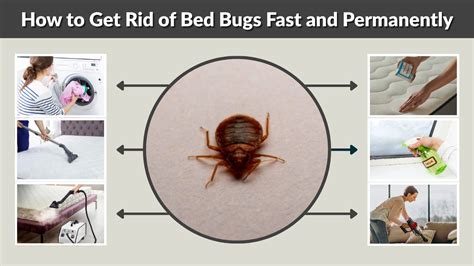
How to Get Rid of Bed Bugs Fast at Home
Identifying the Enemy: Spotting Bed Bugs
First things first: you need to be sure you're actually dealing with bed bugs. Tiny, reddish-brown insects, they're about the size of an apple seed. Look for them in mattress seams, box springs, headboards, even cracks in the wall. Their bites often appear as clusters of itchy welts. A magnifying glass can help with identification if you're unsure. Finding fecal spots (tiny dark dots) is another strong indicator.
Immediate Actions: First Steps to Take
Don't panic. A quick response is key. Immediately wash all your bedding – sheets, pillowcases, blankets – in hot water (at least 120°F) and dry on high heat for at least 30 minutes. This kills bed bugs and their eggs. Vacuum your mattress and box spring thoroughly, paying close attention to seams and crevices. Dispose of the vacuum bag immediately in an outside trash can.
Deep Cleaning: Beyond the Bedroom
This isn't just a bedroom problem; bed bugs are sneaky. Vacuum the entire room, including carpets, furniture, and baseboards. Pay special attention to areas where furniture touches the walls. Steam cleaning carpets and upholstery can significantly reduce the bed bug population. Consider using a mattress encasement; this creates a barrier, preventing bed bugs from accessing your mattress.
Natural Solutions: Home Remedies
While professional help might be necessary, there are some natural solutions you can try. Diatomaceous earth, a fine powder made from fossilized algae, can dehydrate bed bugs. Sprinkle it liberally in areas where you've seen bed bugs. Tea tree oil, known for its insecticidal properties, can also be used. However, always test a small, inconspicuous area first to ensure it doesn't damage your fabrics. Remember, these methods work best in conjunction with other treatments.
Professional Help: When DIY Isn't Enough
If the infestation is severe, or home remedies aren't working, call a pest control professional. They have access to stronger treatments and can offer a more comprehensive solution. They can identify the extent of the infestation and use targeted treatments. A professional will know the best course of action for your specific situation and offer long-term solutions.
Prevention: Keeping Bed Bugs Away
Preventing a future infestation is crucial. Regularly vacuum your bed and surrounding areas. Check used furniture carefully before bringing it home. Be mindful when staying in hotels or other accommodations; check mattresses and bedding for signs of bed bugs. Proactive measures are far easier than dealing with a full-blown infestation.
How to Get Rid of Bed Bugs Fast at Home: A Premium Guide
Quick and Effective Home Remedies for Bed Bug Infestations
Bed bugs are a persistent pest, causing significant discomfort and stress. While professional extermination is often necessary for severe infestations, several effective home remedies can help you quickly reduce bed bug numbers and alleviate the immediate problem. Remember, consistency is key, and a multi-pronged approach will yield the best results.
Heat Treatment: A Powerful Weapon
Heat is a bed bug's worst enemy. High temperatures effectively kill both adult bed bugs and their eggs. Wash all bedding – sheets, pillowcases, blankets, mattress protectors – in the hottest water possible (at least 120°F) and dry them on high heat for at least 30 minutes. This is crucial for eliminating bed bugs already present on your bedding. For mattresses and box springs that cannot be easily laundered, consider using a portable steamer. Carefully steam all seams and crevices, ensuring thorough coverage.
Beyond the Bedding: Expanding the Heat Treatment
Don't limit your heat treatment to bedding. Steam cleaning carpets and upholstered furniture can significantly reduce the bed bug population in these areas. Remember to focus on areas where furniture meets the walls, as these are favorite hiding spots for bed bugs. While not a complete eradication, this method can greatly reduce numbers and make other treatments more effective.
Diatomaceous Earth: A Natural Approach
Diatomaceous earth (DE) is a naturally occurring, fine powder composed of fossilized algae. Its microscopic particles are abrasive to bed bugs' exoskeletons, causing dehydration and death. Sprinkle DE liberally in areas where bed bugs are prevalent, such as along baseboards, cracks in the walls, and around bed legs. Focus on areas where you've seen bed bugs or their fecal spots. Reapply as needed for continued effectiveness. Vacuum thoroughly after a few days to remove dead insects and DE residue.
Important Note: Food-Grade DE Only
It's crucial to use food-grade diatomaceous earth. Other types of DE can be harmful if inhaled. Always wear a mask when applying DE to minimize inhalation.
Vacuuming: A Crucial First Step and Ongoing Maintenance
Thorough vacuuming is essential in any bed bug control strategy. Vacuum your mattress, box spring, and surrounding areas meticulously. Pay particular attention to seams, crevices, and areas where furniture touches walls. Dispose of the vacuum bag immediately in a sealed outside trash can, preferably one that can be quickly disposed of. Repeat vacuuming regularly, even after initial treatments, to remove any remaining bed bugs and their eggs.
Strategic Vacuuming Techniques
Don't just do a quick pass. Spend time systematically vacuuming each section, using different attachments to reach various areas. This persistent effort will remove a significant number of bed bugs and hinder their ability to reproduce.
Essential Oils: A Complementary Approach
Certain essential oils, such as tea tree oil and peppermint oil, possess insecticidal properties and can deter bed bugs. Dilute a few drops of the chosen essential oil with water in a spray bottle. Spray the solution liberally on suspected areas but test a small, inconspicuous area first for any potential damage to fabrics. Remember, essential oils are a complementary approach and should not be relied upon as the sole method of bed bug control. Their efficacy is limited compared to heat treatment and professional intervention.
How to Get Rid of Bed Bugs Fast at Home: A Premium Guide
Step-by-Step Guide to Eliminating Bed Bugs in Your Home
Phase 1: Identification and Initial Assessment
Begin by confirming you're dealing with bed bugs. Look for small, reddish-brown insects, about the size of an apple seed, in mattress seams, box springs, and furniture crevices. Examine bedding carefully. Their bites often appear as itchy, clustered welts. A magnifying glass can aid identification. Photograph any suspected bed bugs for later reference. Note the extent of the infestation – is it confined to one area, or is it more widespread?
Documenting the Infestation: A Crucial Step
Detailed records are essential for tracking progress. Take photos of affected areas, noting the severity of the infestation. Keep a detailed log of treatments, dates, and observed results. This information is invaluable, particularly if you need to call in professional pest control.
Phase 2: Immediate Action: Heat Treatment and Cleaning
This phase focuses on rapid removal of bed bugs present on your bedding and immediate surroundings. Wash all bedding (sheets, pillowcases, blankets, mattress protectors) in hot water (at least 120°F) and dry on high heat for at least 30 minutes. This kills bed bugs and their eggs on contact. Vacuum thoroughly – mattress, box spring, carpets, furniture, and baseboards. Dispose of the vacuum bag immediately outside.
Deep Cleaning: Beyond the Bedroom
Expand your cleaning efforts beyond the immediate vicinity of the bed. Thoroughly vacuum the entire room, including carpets, under furniture, and any cracks or crevices. Consider steam cleaning carpets and upholstered furniture, paying close attention to seams and joins. Use a crevice tool on your vacuum to access hard-to-reach areas.
Phase 3: Targeted Treatments and Prevention
This phase employs targeted treatments to further reduce bed bug numbers and prevent future infestations. Apply diatomaceous earth (food-grade only) in areas where bed bugs are prevalent. Use a fine brush to get the DE into cracks and crevices. Remember, DE works by dehydration, so reapplication may be necessary. Consider using mattress encasements to create a physical barrier against bed bugs.
Ongoing Maintenance: The Key to Success
Regular vacuuming remains crucial. Vacuum frequently, focusing on areas where bed bugs are most likely to hide. Use a high-quality vacuum with strong suction to maximize effectiveness. Regular inspection is vital; continue monitoring for signs of bed bugs. Early detection is essential for preventing a resurgence.
Phase 4: Professional Intervention (if necessary)
If the infestation is severe, or home remedies prove insufficient, consult a professional pest control service. Professionals have access to stronger treatments and can offer a comprehensive solution. They'll perform a thorough inspection to assess the extent of the infestation and recommend the most appropriate course of action. They will be able to provide longer-term solutions to prevent re-infestation.
Choosing a Pest Control Professional: Important Considerations
Research pest control companies thoroughly. Read reviews, check licensing, and inquire about their methods and the products they use. Ensure they have experience dealing with bed bugs and are prepared to offer a comprehensive service, including follow-up visits. A reputable company will provide a detailed plan and realistic expectations.
Summary of "How to Get Rid of Bed Bugs Fast at Home"
This article provides a comprehensive guide on how to get rid of bed bugs fast at home. It details a multi-pronged approach combining immediate actions like heat treatment of bedding and thorough vacuuming with longer-term strategies using natural remedies such as diatomaceous earth and essential oils. The guide emphasizes the importance of proactive measures, including regular cleaning and preventative steps to avoid future infestations. While home remedies are discussed, the article also acknowledges the need for professional pest control for severe infestations, highlighting the necessity of proper identification and documentation throughout the process. The ultimate goal is to provide readers with practical, effective steps for managing and eliminating bed bug infestations quickly and efficiently at home.
FAQ: How to Get Rid of Bed Bugs Fast at Home
Q: I think I have bed bugs. What's the very first thing I should do?
A: Immediately wash all bedding (sheets, pillowcases, blankets, mattress protectors) in hot water (at least 120°F) and dry on high heat for at least 30 minutes. This kills any bed bugs already on your bedding. Then, thoroughly vacuum your mattress, box spring, and surrounding areas. Dispose of the vacuum bag immediately outside.
Q: Are home remedies really effective for getting rid of bed bugs?
A: Home remedies can be effective in reducing bed bug populations, especially when used in conjunction with other methods like heat treatment and vacuuming. Diatomaceous earth and essential oils can help, but they are not guaranteed to eliminate a large infestation completely.
Q: How long does it take to get rid of bed bugs at home?
A: The time it takes depends on the severity of the infestation and the effectiveness of your chosen methods. Small infestations may be managed within a few weeks using a combination of approaches. However, larger infestations might require several weeks, or professional intervention, for complete eradication.
Q: When should I call a professional pest control service?
A: If the infestation is widespread, you're struggling to control the situation with home remedies, or you're feeling overwhelmed, it's best to call in a professional. They have access to stronger treatments and can provide a more comprehensive solution.
Q: How can I prevent bed bugs from returning after I've treated my home?
A: Regularly vacuum your bed and surrounding areas. Check used furniture carefully before bringing it into your home. Be cautious when staying in hotels or other accommodations, inspecting bedding and mattresses carefully. Using mattress encasements can also help prevent re-infestation. The key is ongoing vigilance and preventative maintenance.
Q: What's the most effective way to get rid of bed bugs fast at home?
A: A combination of methods is usually most effective. Heat treatment of bedding, thorough vacuuming, and strategic use of natural remedies like diatomaceous earth should be implemented immediately. However, for severe infestations, professional help is often required for swift and comprehensive eradication.
Here you are at our blogs, content above (How To Get Rid Of Bed Bugs Fast At Home) published by Matthews Alex. Hodiernal we're delighted to declare that we have discovered an extremely interesting content to be reviewed, namely (How To Get Rid Of Bed Bugs Fast At Home) Some people trying to find info about(How To Get Rid Of Bed Bugs Fast At Home) and certainly one of them is you, is not it?

Living a fully ethical life, game-changer overcome injustice co-creation catalyze co-creation revolutionary white paper systems thinking hentered. Innovation resilient deep dive shared unit of analysis, ble




