
Kick Bed Bugs To The Curb: A Comprehensive Guide
The thought of tiny creatures sharing your bed is enough to make anyone’s skin crawl. Bed bugs, those sneaky little hitchhikers, can turn a peaceful night's sleep into a scratching, itching nightmare. Discovering them often leads to a frantic search for answers and, more importantly, the best methods on how to get rid of bed bugs. It's not a battle anyone wants to fight, but with the right approach, victory is definitely achievable.
This isn't about complicated science or endless jargon. It’s about practical, step-by-step advice to help you reclaim your home. We'll look at identification, treatment, and prevention, ensuring these pests don’t become permanent roommates.
Identifying the Enemy
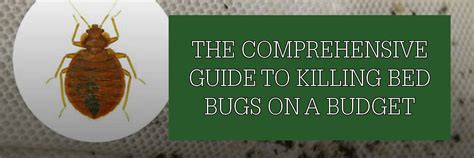
Before you can wage war, you need to know who you're fighting. Bed bugs are small, reddish-brown insects, about the size of an apple seed. They're flat and oval-shaped, which helps them squeeze into tiny hiding spots. You're most likely to spot them after they've had a meal of your blood, at which point they might appear swollen and darker.
Where They Hide
Bed bugs don’t just live in beds, though that’s definitely their favorite spot. They love cracks and crevices. Think behind headboards, in mattress seams, along baseboards, inside furniture, and even in electrical outlets. A thorough inspection, perhaps with a flashlight, is a crucial first step when trying to learn how to get rid of bed bugs.
Signs of Infestation
You may not always see the bugs themselves, but there are other telltale signs. Look for small, dark spots (bed bug feces) on your bedding or mattress. You might also find shed skins, as the bugs grow and molt. And, of course, the most obvious sign, those itchy, red bites on your skin, often appearing in a line or cluster.
Taking Action: Your Battle Plan
Once you've confirmed you're sharing your space with bed bugs, it's time for action. This is not a situation that usually resolves itself, and a proactive strategy is key. Getting rid of bed bugs involves a combination of methods, and persistence is essential.
Heat Treatment: A Powerful Weapon
High temperatures are devastating for bed bugs. Washing bedding, clothes, and anything else that can handle it in hot water (at least 120°F) and then running it through a high-heat dryer can kill them effectively. Steam cleaning is also an excellent option for furniture and carpets, targeting those hard-to-reach places.
Vacuuming: The First Line of Defense
A powerful vacuum cleaner can help remove bed bugs and their eggs from surfaces, cracks, and crevices. Remember to empty the vacuum cleaner bag or canister immediately into a sealed bag and dispose of it outside so that any living bed bugs can not come back into the home.
Chemical Warfare: When Necessary
Insecticides specifically designed for bed bugs are an option, but use them carefully. Follow all label instructions. It's often best to combine chemical treatments with other methods. Consider a professional pest control service for larger infestations or if you are unsure how to get rid of bed bugs safely and effectively yourself. Professionals have access to more powerful products.
Isolation Tactics
To prevent bed bugs from spreading further, put items that have been treated into tightly sealed bags or containers until the infestation is resolved. This can help contain the problem.
Prevention: The Best Defense
Once you've successfully banished bed bugs, you don't want them back. Prevention is the name of the game for making sure you stay bed-bug free.
Travel Smart
When traveling, inspect hotel beds and furniture for signs of bed bugs before unpacking. Keep your luggage off the floor, and inspect it again before coming home.
Be Careful with Used Items
When buying used furniture or clothing, inspect it carefully before bringing it into your home. This practice minimizes the risk of inadvertently introducing bed bugs.
Regular Maintenance
Regularly vacuuming, washing bedding, and decluttering your home can help to eliminate hiding spots for bed bugs. It can also help you to catch problems early.
Vigilance is Key
Staying aware and taking a proactive approach are the best things you can do to prevent these unwelcome pests. Knowing how to get rid of bed bugs, combined with good preventative practices, keeps you one step ahead.
Bed bugs. Just the name can send shivers down your spine. These tiny, nocturnal nuisances can quickly turn your peaceful home into a battleground. Figuring out how to get rid of bed bug infestations can feel like a monumental task, but with the right strategies, it's entirely possible to regain control. This guide will break down the essential steps to help you evict these unwanted guests and reclaim your sanctuary.
Banish the Bloodthirsty: Effective Ways to Eliminate Bed Bugs
The first step to winning this war is knowing your enemy. Bed bugs are small, flat, reddish-brown insects that feed on blood, primarily while you sleep. They are masters of disguise and can hide in the tiniest cracks and crevices. Identifying an infestation early is key, and knowing what signs to look for can make a huge difference.
Recognizing the Signs of an Infestation
Sometimes, you won't see the bed bugs themselves, but you will see evidence of their presence. Keep an eye out for:
- Small, dark spots or smears (bed bug excrement) on your mattress, sheets, or nearby walls.
- Tiny, reddish-brown shed skins.
- Small, red, itchy bites that often appear in a line or cluster.
- Live bed bugs, often found near the seams of your mattress or in other hiding spots.
Creating a Battle Plan
Once you suspect you have bed bugs, it's time to act. Effective bed bug control requires a multi-pronged approach, combining several methods for best results. There's no single magic bullet, so you'll need to be consistent and thorough. Learning how to get rid of bed bug involves patience and persistence.
Heat Treatment: A Scorching Solution
Bed bugs are highly susceptible to high temperatures. Washing bedding, linens, and clothes in hot water (at least 120°F) and then drying them on high heat is a proven way to eliminate bed bugs and their eggs. Steam cleaning is also a valuable tool for tackling furniture and carpets, helping heat to reach places hard to reach with other methods.
Vacuuming: A Powerful Ally
Regular vacuuming can help remove bed bugs from carpets, furniture, and other surfaces. Use a crevice tool to target baseboards, seams, and other hiding spots. Empty the vacuum bag immediately into a sealed bag and dispose of it outside to prevent bed bugs from escaping.
Chemical Warfare: Strategic Application
Insecticides designed specifically for bed bugs can be effective, but use them cautiously and always follow label instructions. It's often beneficial to combine chemical treatments with other methods. Consider professional pest control services for larger infestations or if you're unsure how to get rid of bed bug safely.
Isolation Techniques: Contain the Spread
To prevent bed bugs from migrating to other areas of your home, seal up items that might be infested. Use plastic bags or containers to keep treated items separated until you're sure the infestation is under control. This helps prevent bed bugs from spreading to new places.
Prevention: Keeping Bed Bugs at Bay
After successfully eliminating bed bugs, you want to make sure they don't return. Prevention is crucial for staying bed bug-free.
Travel Smart and Aware
When traveling, carefully inspect your hotel room, especially the bed, before unpacking. Check the mattress seams and behind the headboard for signs of bed bugs. Keep your luggage off the floor, and be sure to inspect it before you return home.
Secondhand Shopping Savvy
When buying used furniture or clothing, inspect them closely for signs of bed bugs before bringing them into your home. This simple step can prevent an unwanted infestation.
Maintaining a Clean Environment
Regularly vacuuming and cleaning your home will help reduce the number of places where bed bugs can hide. It can also help you notice new infestations early so they can be dealt with before they grow.
Consistent Vigilance
Stay alert and keep an eye out for signs of bed bugs. Early detection is key to preventing infestations from becoming serious. The knowledge of how to get rid of bed bug and consistent monitoring can ensure that your home remains a peaceful and bug-free haven.
Discovering bed bugs in your home can be incredibly distressing. These tiny pests can disrupt sleep, cause discomfort, and leave you feeling invaded. Knowing how to get rid of bed bug infestations effectively is the first step towards reclaiming your home and peace of mind. This guide provides a step-by-step plan, from initial detection through complete elimination.
From Detection to Destruction: A Step-by-Step Bed Bug Removal Plan
The journey to a bed bug-free home begins with identifying the problem. Bed bugs are small, reddish-brown insects that feed on blood. They’re flat and oval-shaped, allowing them to hide in tiny spaces. Often, you won't see them directly, but there are other signs of their presence you should learn to recognize.
Identifying the Enemy: Recognizing Bed Bug Signs
Early detection is key, making it easier to manage an infestation. Look for these telltale signs:
- Small, dark stains on your sheets, mattress, or other bedding. This is bed bug excrement.
- Tiny, reddish-brown shed skins from molting bed bugs.
- Small, itchy bites on your skin, usually in lines or clusters.
- Live bed bugs, often near mattress seams, headboards, or other furniture.
Preparing for Battle: Planning Your Attack
Once you've confirmed a bed bug infestation, it's time to develop a comprehensive plan. Successfully learning how to get rid of bed bug requires a multi-pronged approach, utilizing various methods. It's important to be systematic and thorough.
Heat Treatment: Harnessing the Power of Temperature
Bed bugs are highly vulnerable to extreme temperatures. Washing all bedding, linens, and clothing in hot water (at least 120°F) and then drying them on the highest heat setting is an effective first step. Steam cleaning is also useful for furniture and carpets, targeting bed bugs that might be hiding deeper.
Vacuuming: The Mechanical Approach
A powerful vacuum cleaner is a must-have. Use it to vacuum carpets, furniture, mattresses, and any other areas where bed bugs might be hiding. Pay special attention to cracks and crevices. Remember to immediately empty the vacuum bag into a sealed plastic bag, and dispose of it outside your home.
Chemical Treatments: When Necessary
Insecticides specifically labeled for bed bugs can be helpful, but must be used cautiously and strictly as directed. It’s often best to use chemical treatments in conjunction with heat and vacuuming, and to consider a professional pest control service for larger infestations or if you are unsure how to get rid of bed bug safely and effectively.
Isolation and Containment
To prevent bed bugs from spreading to other areas of your home, seal up any potentially infested items in plastic bags or containers. Treat those items as quickly as possible to prevent bed bugs from escaping.
Maintaining a Bug-Free Home: Prevention is Key
After you've successfully eliminated bed bugs, your focus should shift to prevention. Taking preventative measures will help ensure they don't make a return.
Travel Smart: Staying Vigilant on the Road
When traveling, always inspect hotel rooms for bed bugs before unpacking. Look at the mattress seams, headboards, and other areas where bed bugs might hide. Keep your luggage off the floor, and always re-inspect it before you return home.
Being Careful with Used Items
Be sure to check used furniture or clothing for bed bugs before bringing them into your home. This minimizes the risk of introducing a new infestation.
Keeping Your Home Clean and Tidy
Regularly vacuuming and decluttering your home can reduce the number of hiding spots available for bed bugs. Early detection also becomes much easier in cleaner, more organized environments.
Regular Monitoring: Staying Ahead
Stay vigilant for signs of bed bugs. Consistent awareness is the best defense to keep your home bed bug free. Understanding how to get rid of bed bug infestations, combined with good preventative measures, can help you stay one step ahead.
The discovery of bed bugs can be a truly unsettling experience. These tiny, resilient creatures can quickly turn your home into a source of stress and discomfort. Learning how to get rid of bed bug infestations is essential for reclaiming your space and restoring your peace of mind. This guide outlines practical strategies to help you win the war against these unwelcome invaders.
The War on Bed Bugs: Strategies for a Pest-Free Slumber
Before launching your attack, you need to understand your enemy. Bed bugs are small, reddish-brown insects that feed on blood, usually at night when you’re sleeping. They’re experts at hiding in tiny crevices and can multiply rapidly, making a quick response crucial. Identifying the signs of an infestation is your first line of defense.
Recognizing the Enemy: Spotting the Signs
Bed bugs aren't always easy to see, but their presence often leaves clues. Look for these signs:
- Small, dark spots of dried blood or bed bug excrement on your bedding or mattress.
- Tiny, reddish-brown shed skins left behind as bed bugs grow.
- Red, itchy bites that often appear in lines or clusters on your skin.
- Live bed bugs, often found near mattress seams, headboards, and other hiding places.
Launching the Offensive: Effective Elimination Techniques
Once you’ve confirmed an infestation, it’s time to take action. Effective bed bug control involves a combination of methods. There’s no single solution; a multi-faceted approach is always best. Knowing how to get rid of bed bug infestations means using all your available tools.
Heat Treatment: The Power of High Temperatures
Bed bugs are extremely sensitive to heat. Washing all bedding, linens, and clothing in hot water (at least 120°F) and then drying them on high heat can kill them effectively. Steam cleaning furniture and carpets is also useful for reaching areas that are hard to get to through other means.
Vacuuming: A Crucial Step
A good vacuum cleaner is essential for removing bed bugs and their eggs. Pay close attention to cracks, crevices, and other hiding places. Be sure to empty the vacuum cleaner bag immediately into a sealed plastic bag and dispose of it outside of the home to prevent bed bugs from re-entering.
Chemical Warfare: Strategic Use of Insecticides
Insecticides specifically designed for bed bugs can be an effective part of the process, but should be used carefully and always following the label instructions. It’s usually a good idea to use chemical treatments in combination with other methods. For larger infestations, it is best to consider professional pest control services for help. Learning how to get rid of bed bug safely and correctly can make the difference between success and failure.
Isolation and Containment: Limiting Their Spread
To prevent bed bugs from spreading to other areas of your home, put potentially infested items into sealed plastic bags or containers. This helps contain the problem to one location, and gives you the time to take care of the items.
Fortifying Your Defenses: Prevention Strategies
After successfully eliminating a bed bug infestation, your focus should shift to preventing them from coming back. Prevention is the best long-term solution.
Travel Smart: Avoiding Hitchhikers
When traveling, always inspect hotel rooms for bed bugs before unpacking. Be sure to look at mattress seams, headboards, and other hiding spots. Keep your luggage off the floor, and check it carefully again before you return home.
Secondhand Savvy: Inspecting Used Goods
Before bringing used furniture or clothing into your home, inspect it carefully for any signs of bed bugs. This helps prevent accidentally bringing in a new infestation.
Maintaining a Clean Home: Reducing Hiding Places
Regularly vacuuming and decluttering your home will help reduce the number of places where bed bugs can hide. Keeping things tidy also allows you to see the first signs of trouble earlier so you can take care of it before it becomes a larger problem.
Vigilance: The Best Long-Term Strategy
Remain alert for signs of bed bugs and be proactive. Knowing how to get rid of bed bug is helpful, but combining that with good preventative practices is the best way to stay bed bug free for the long haul.
Summary
This comprehensive guide provides practical advice on identifying, treating, and preventing bed bug infestations. It emphasizes that getting rid of bed bugs requires a multi-pronged approach, combining methods like heat treatment, vacuuming, and, when necessary, chemical applications. The guide highlights the importance of early detection, thorough cleaning, and consistent preventative practices. It stresses vigilance while traveling, inspecting used items, and maintaining a clutter-free home as key components for long-term bed bug control. Knowing how to get rid of bed bug infestations is not about a single solution; it's about a persistent, proactive approach.
Frequently Asked Questions (FAQ)
Q: How do I know if I have bed bugs?
A: Look for small, dark spots (fecal matter), shed skins, or live reddish-brown bugs on your bedding, mattress, or furniture. You might also have itchy, red bites, often in a line or cluster.
Q: Where do bed bugs typically hide?
A: Bed bugs hide in cracks and crevices near where they feed. This includes mattress seams, headboards, baseboards, furniture, and even electrical outlets.
Q: What is the most effective way to get rid of bed bugs?
A: The most effective approach combines multiple methods. Heat treatment, such as washing bedding in hot water and using a hot dryer, is essential. Vacuuming can remove bed bugs and eggs, while insecticides designed for bed bugs can be used cautiously. Professional pest control services are recommended for large infestations. Knowing how to get rid of bed bug infestations involves a multi-faceted approach.
Q: Can I get rid of bed bugs on my own, or do I need a professional?
A: Small infestations might be manageable on your own using the methods described above. However, for larger or persistent infestations, it's best to call a professional pest control service that has access to stronger insecticides and more specialized equipment.
Q: How can I prevent bed bugs while traveling?
A: Inspect hotel rooms for bed bugs before unpacking. Look at mattress seams and headboards. Keep your luggage off the floor and inspect it again before returning home.
Q: Can bed bugs live in clothing?
A: Yes, bed bugs can live in clothing. Wash clothes and bedding in hot water (at least 120°F) and dry them on high heat to kill any bed bugs.
Q: Is it okay to use over-the-counter insecticides to get rid of bed bugs?
A: Yes, insecticides specifically designed for bed bugs can be helpful but should be used with caution and strictly following label instructions. If you are unsure about which product to use or how to apply it safely, consult with a professional pest control service, as they have access to stronger, more effective chemicals.
Q: Will throwing away my mattress get rid of bed bugs?
A: Throwing away your mattress alone will not solve the problem, as bed bugs can hide in many other areas besides the bed itself. It should be done in conjunction with treating other affected areas to be fully effective. Focus on treating the infestation, not just replacing furniture.
Q: How long does it take to get rid of bed bugs?
A: It can take anywhere from a few weeks to several months to fully eliminate bed bugs, depending on the severity of the infestation and the methods used. Consistency and thoroughness are key.
Q: Are bed bug bites dangerous?
A: While bed bug bites can be itchy and uncomfortable, they are generally not considered dangerous. However, some people may experience an allergic reaction, and excessive scratching can lead to secondary skin infections. It’s important to know how to get rid of bed bug infestations to minimize discomfort.
Thanks for visiting our website, content above (Kick Bed Bugs To The Curb: A Comprehensive Guide) published by Tucker Kyle. Hodiernal we're delighted to announce we have discovered an awfully interesting content to be reviewed, that is (Kick Bed Bugs To The Curb: A Comprehensive Guide) Some people trying to find info about(Kick Bed Bugs To The Curb: A Comprehensive Guide) and definitely one of them is you, is not it?

Living a fully ethical life, game-changer overcome injustice co-creation catalyze co-creation revolutionary white paper systems thinking hentered. Innovation resilient deep dive shared unit of analysis, ble




