
The Unwanted Roommate: A Guide To Preventing Bed Bugs
Buying used furniture or clothing can save money, but it can also introduce bed bugs into your home. Secondhand furniture is a prime way to invite bed bugs into your space. Using ineffective treatments can even make the infestation worse by driving bed bugs deeper into your home
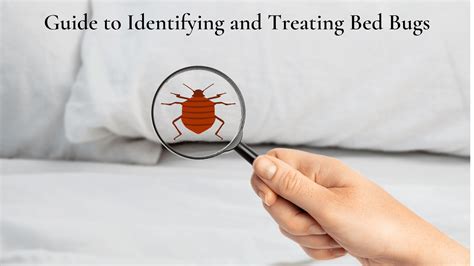
Understanding the Problem
Bed bugs are small, resilient pests that can easily invade homes. They thrive in warm environments, especially near sleeping areas. Once inside, they multiply rapidly, making them hard to eliminate. These pests often hitch rides on luggage, clothing, or furniture, allowing them to spread unnoticed.
Why Bed Bugs Are Hard to Detect
Their tiny size and nocturnal habits make bed bugs difficult to spot. They hide in mattress seams, behind headboards, and even in tiny cracks in furniture. Most people only realize they have a problem when they start noticing itchy bites or spotting droppings on bedding.
Creating a Bed Bug-Free Zone
Preventing an infestation starts with awareness and a few proactive steps. Simple habits can make your home less inviting for these pests.
Inspecting Secondhand Items
Buying used furniture or clothing can save money, but it can also introduce bed bugs into your home. Carefully inspect every item before bringing it inside. Pay extra attention to seams, zippers, and hidden areas. Washing clothes in hot water and vacuuming furniture can help eliminate any unwanted passengers.
Protecting Your Sleeping Area
Your bed is the main target for bed bugs. Encasing mattresses and box springs in protective covers can keep them from establishing colonies. Regularly wash bedding and vacuum the area around the bed. If you live in an apartment or shared housing, adding interceptors under bed legs can stop bugs from climbing up.
Travel Precautions
Hotels, buses, and even airplanes can be hotspots for picking up bed bugs. When traveling, inspect hotel beds and furniture. Keep luggage off the floor and use metal racks if available. Once home, unpack outside or in a laundry room, and wash clothes immediately.
Getting Rid of Bed Bugs If They Appear
Sometimes, even with precautions, bed bugs can find a way in. Acting quickly is key to stopping an infestation before it spreads.
DIY Solutions to Start With
Vacuuming is your best friend. Use a vacuum with a crevice tool to reach into cracks and seams. Dispose of the vacuum bag or contents immediately in a sealed bag. Steam cleaning can also kill bed bugs and eggs on contact. For small infestations, diatomaceous earth sprinkled around hiding spots may help.
Knowing When to Call Professionals
A heavy infestation requires expert help. Pest control companies have tools like heat treatments and specialized insecticides to target bed bugs effectively. Choosing a reputable service ensures thorough treatment, minimizing the chance of the bugs returning.
Staying Vigilant
Prevention doesn’t end after an infestation is cleared. Continue regular checks, especially in areas where you’ve had issues before. Educating household members about recognizing signs of bed bugs can prevent future problems.
Community Awareness
In multi-unit buildings, bed bugs can travel between apartments. Open communication with neighbors and property management can help address infestations before they spread. Collaborative efforts are often the most effective.
Attracting Bed Bugs: Common Mistakes to Avoid
Bringing Used Furniture Home Without Inspection
Secondhand furniture is a prime way to invite bed bugs into your space. People often overlook the cracks, seams, and folds where these pests can hide. A couch or mattress that seems clean might be harboring a hidden problem. Inspecting every inch of used items before taking them inside can save a lot of trouble. Even better, avoid upholstered pieces if you can’t guarantee their cleanliness.
Skipping Luggage Precautions While Traveling
Hotels, hostels, and vacation rentals can be breeding grounds for bed bugs. Leaving your suitcase on the bed or floor makes it easy for them to climb in. Instead, use luggage racks or hard surfaces away from the bed. Unpacking your clothes on hotel furniture might feel convenient, but it’s another way to transfer pests into your belongings. Once home, washing and drying clothes on high heat can kill any unwelcome travelers.
Ignoring Small Infestations
A few bites or tiny dark spots on your sheets might not seem like a big deal, but that’s when bed bugs are easiest to handle. Waiting until the infestation spreads makes treatment harder and more expensive. Acting early, even for a small sign, keeps the problem manageable.
Overloading Bedrooms With Clutter
Clutter creates hiding spots that bed bugs love. Piles of clothes, stacks of books, or too many decorations near your sleeping area make it easier for them to find a home. Keeping things tidy doesn’t just help your peace of mind; it also makes bed bugs easier to spot if they do appear.
Using Ineffective DIY Treatments
Many people try quick fixes like spraying general insecticides or homemade solutions without knowing what works. These methods often scatter the bugs instead of killing them. Using ineffective treatments can even make the infestation worse by driving bed bugs deeper into your home. Knowing which products or techniques work is crucial before trying to handle them yourself.
Overlooking Pet Beds
Bed bugs don’t just stick to human sleeping areas. They can also infest your pets' bedding. Skipping regular cleaning or not checking for signs in pet spaces can allow an infestation to spread unnoticed. Wash pet bedding frequently and inspect areas where your furry friends sleep.
Not Addressing Shared Living Spaces
In apartment buildings or shared housing, ignoring the potential for bugs to travel between units can lead to recurring issues. Gaps in walls, shared laundry facilities, or common areas can act as highways for bed bugs. Talking to neighbors and coordinating prevention efforts helps everyone keep their space safe.
Forgetting About Post-Treatment Prevention
Even after getting rid of bed bugs, the habits that caused the infestation in the first place might still be in play. People often relax their guard too quickly, making it easy for a new infestation to take hold. Routine inspections, keeping your home uncluttered, and staying mindful of travel precautions are key to staying bug-free.
Your Bed Bug Attractors: Hidden Dangers in Your Home
Cracks and Crevices in Walls and Furniture
Bed bugs thrive in small, dark spaces where they can hide during the day. Tiny cracks in walls, gaps in furniture joints, and even loose wallpaper create the perfect environment. These spaces often go unnoticed, making them ideal for bed bug colonies to grow undisturbed. Sealing these gaps can eliminate their hiding spots and reduce the risk of infestation.
Piles of Laundry on the Floor
Dirty clothes, especially when left in piles, attract bed bugs due to the warmth and human scent they carry. Even clean laundry isn’t safe if it’s left out for too long in infested areas. Using laundry baskets with lids and washing clothes regularly can keep these pests at bay.
Upholstered Furniture That Rarely Gets Cleaned
Sofas, armchairs, and padded headboards often become unintentional homes for bed bugs. The fabric and seams provide shelter, while the warmth from frequent use makes these spots even more inviting. Regularly vacuuming and steam-cleaning upholstered furniture helps disrupt their habitat.
Shared Spaces in Apartment Buildings
In multi-unit buildings, bed bugs can move between apartments through walls, vents, and hallways. If neighbors are dealing with an infestation, your home might become their next stop. Communicating with neighbors and landlords about prevention measures can limit their spread.
Luggage Stored Near Sleeping Areas
Bed bugs often hitchhike on luggage, especially after travel. Storing suitcases under beds or in closets near your bedroom increases the chances of them spreading to your sleeping space. Keeping luggage in a garage or away from bedrooms after trips can stop the cycle.
Secondhand Items Brought Indoors
Used furniture, mattresses, and even picture frames are common sources of bed bugs. People often bring these items home without inspecting them thoroughly. Checking for signs of infestation, such as tiny black dots or shed skins, and cleaning items before use are essential steps.
Cluttered Rooms and Storage Areas
Bed bugs flourish in cluttered environments where they can remain hidden. Stacks of newspapers, old boxes, or unused items create a maze of hiding places. Decluttering not only makes it harder for bed bugs to find a home but also makes it easier to spot them early.
Skipping Routine Bed Inspections
Mattresses, box springs, and bed frames are prime targets for bed bugs. Skipping regular checks makes it easy for an infestation to grow undetected. Taking time to inspect seams and joints, even lifting the mattress periodically, can reveal signs before they become overwhelming.
Don't Let the Bed Bugs Bite: Symptoms and Warning Signs
Unexplained Bites That Itch or Burn
Bed bug bites often appear in small clusters or straight lines on exposed skin. They tend to be red, itchy, and sometimes swollen. These bites usually show up after a night’s sleep, making them easy to confuse with mosquito bites or other skin irritations. If the bites keep appearing in the same pattern over several days, it’s worth looking closer.
Tiny Blood Stains on Sheets
Small red or rusty spots on your bedding can be an early sign of bed bugs. These stains are often caused when you accidentally crush a bed bug in your sleep. Check pillowcases and the edges of the mattress for these marks. They’re easy to miss at first but become more noticeable with frequent infestations.
Dark Spots or Droppings Near Sleeping Areas
Bed bugs leave behind droppings that look like tiny black dots, almost like ink stains. You might see them on your mattress, bed frame, or even in nearby furniture. They often smear if you touch them, confirming their presence. These spots are one of the clearest indicators.
Shed Skins and Tiny Eggs
As they grow, bed bugs shed their exoskeletons, leaving behind translucent, shell-like casings. Finding these near your bed or in small crevices could mean an active infestation. Their eggs, which are tiny and whitish, are even harder to spot but may be visible in groups.
A Strange Musty Odor
A strong, musty smell in your bedroom might point to bed bugs. This odor comes from the pheromones they release and is often described as similar to spoiled raspberries. It’s typically noticeable in more severe infestations but can sometimes be detected early.
Sightings of Actual Bed Bugs
Seeing live bed bugs is an unmistakable sign. They’re small, flat, and reddish-brown, often hiding in mattress seams, furniture joints, or cracks during the day. At night, they come out to feed, making them easier to spot. Use a flashlight to inspect dark spaces where they might hide.
Increased Irritation in Pets
Bed bugs don’t just feed on humans. Pets can also experience bites, leading to scratching or restlessness. If your dog or cat seems unusually irritated, check their bedding for signs of bed bugs. The same warning signs—droppings, eggs, and shed skins—apply to pet areas.
Persistent Symptoms Despite Cleaning
Regular cleaning and changing sheets typically resolve issues like dust mites or other pests. If symptoms persist despite these efforts, it could be a sign of bed bugs. This persistence is a red flag that warrants a closer look at your sleeping environment.
Thanks for visiting our website, content above (The Unwanted Roommate: A Guide To Preventing Bed Bugs) published by Potts Toby. Nowadays we're pleased to announce we have discovered an incredibly interesting niche to be discussed, namely (The Unwanted Roommate: A Guide To Preventing Bed Bugs) Lots of people searching for details about(The Unwanted Roommate: A Guide To Preventing Bed Bugs) and definitely one of them is you, is not it?

Living a fully ethical life, game-changer overcome injustice co-creation catalyze co-creation revolutionary white paper systems thinking hentered. Innovation resilient deep dive shared unit of analysis, ble




