
How To Find Bed Bugs: Expert Tips
Okay, here's the article optimized as requested:
Okay, here's the article optimized as requested:
Okay, so you suspect you might have bed bugs? It's not exactly a fun thought, but catching them early is key. It's way easier to deal with a small issue than a full-blown infestation. Understanding where these little critters like to hang out, and knowing what to look for, is your first step toward a bug-free home.
Let's be real, bed bugs are masters of hide-and-seek. They're not usually out in the open, unless things are really bad. They like darkness and close proximity to their food source – which is unfortunately, you. That makes your bedroom their prime real estate. The goal is to become a bit of a detective.
Where To Start Your Search
Mattress Check-up
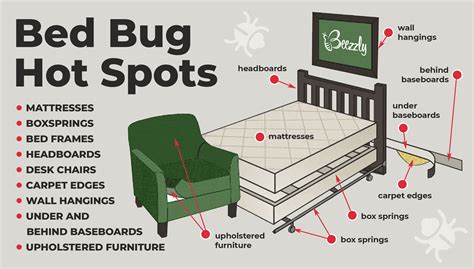
Think about it, where do you spend hours every night, mostly still? Your mattress! Start there. Pay special attention to the seams, piping, and tags. It's a classic bed bug hideout. Lift the mattress and inspect the bottom too, those little guys are good at squeezing into tight spaces.
Box Spring Inspection
Don't think they stop at the mattress. Your box spring is another likely place. Examine all the nooks and crannies, especially where the fabric is stapled to the frame. Sometimes they’ll just be hanging out on the underside.
Headboards and Bed Frames
Bed bugs aren’t picky. Check your headboard, both the front and the back. They're not above getting cozy behind it. Run your fingers along crevices and cracks in your bed frame, feeling for any raised spots, too.
Beyond The Bed
Okay, your bed area was a bust? Don't breathe a sigh of relief just yet. They can wander.
Furniture Around The Bed
Nightstands, dressers, and any other furniture close by are fair game. Check the drawers, backs, and undersides. They don’t only stick to wood; fabric and wicker are equally appealing.
Walls and Baseboards
Look for tiny black spots or reddish stains on the walls, especially near the bed. Baseboards, especially where they meet the carpet, are good hiding areas. Remember those tight spaces?
Other Unexpected Spots
Even areas like behind pictures on the wall or within electrical outlets (be careful here, just look, don't poke!) can house bed bugs. Seams of curtains and edges of rugs shouldn’t be overlooked. They can find surprisingly creative locations to set up shop.
What To Look For
The Bugs Themselves
Adult bed bugs are about the size of an apple seed, flat, and reddish-brown. They’re easier to spot when they’ve recently fed, as they become engorged and more round. Nymphs, or baby bed bugs, are much smaller, almost translucent, and lighter in color, but still visible to the naked eye.
Evidence of their Presence
Beyond seeing the bugs directly, there are other clues. Look for small, dark spots. These are their fecal droppings. You might also find shed skins, which are like translucent shells. Reddish or rust-colored stains, from crushed bugs, are another telltale sign. These often look like blood spots on your bedding.
Don't Forget The Bites
Waking up with itchy, red bites in lines or clusters? That’s a strong indicator. Bed bug bites usually show up on areas of the body exposed while you sleep. But keep in mind other things could be causing these, so it is important to see all of the other signs as well.
How to Find Bed Bugs: Tools of the Trade
A bright flashlight is your best friend here. You might also find a magnifying glass handy to really get a close look at small spots. A credit card or similar thin, sturdy object is helpful for running along crevices. Use gloves to keep yourself protected.
Spotting bed bugs early makes a big difference in getting rid of them quickly. These tiny pests can turn your home into a living nightmare if left unchecked. Learning their hiding habits and recognizing the telltale signs is crucial. It's like being a detective in your own home.
Detecting Bed Bug Infestations
Where to Begin Your Search
Knowing where to look is half the battle. Bed bugs are nocturnal and prefer to stay hidden during the day, so a thorough search requires patience and attention to detail. They tend to congregate in areas where they have easy access to their food source, which is, unfortunately, you.
The Bed, A Prime Suspect
Naturally, your bed is the primary place to investigate. Start with the mattress. Pay attention to seams, piping, and tags. Look carefully at the mattress's underside, too. Then, thoroughly inspect the box spring. Bed bugs can hide between the wood frame and fabric.
Headboards and Frames, Often Overlooked
Don't forget the headboard. Examine both the front and back, especially where it attaches to the bed frame. Run your hands over any crevices or cracks in the bed frame, feeling for any raised spots.
Furniture Nearby, Another Target
Beyond your bed, nearby furniture is also a potential haven. Check nightstands, dressers, and any other items close to your bed. Look inside and underneath drawers, and around the edges and backs. They’re not limited to wood.
Identifying The Signs
Actually seeing bed bugs isn't the only sign. You’re looking for evidence, clues to their presence.
Live Bed Bugs, A Clear Indicator
Adult bed bugs are small, flat, oval-shaped insects, reddish-brown, and about the size of an apple seed. They are more visible after they've fed, appearing engorged and rounded. Nymphs, which are the younger bed bugs, are much smaller, lighter in color, and often translucent.
Tell-Tale Marks, Not Always Obvious
Look for small, dark spots on your bedding, mattress, or furniture. These are bed bug fecal droppings. You may also find shed skins, translucent and lightweight. Reddish or rusty stains are another key indicator. These stains are usually caused by crushed bed bugs.
Bites on Your Skin, Another Potential Clue
Waking up with red, itchy bites is a common sign of bed bugs. The bites often appear in lines or clusters, typically on areas of the body exposed while sleeping. However, bites alone aren't definitive, as other insects can cause similar reactions.
Tools to Help You Detect
Having the right tools will help in your search. A bright flashlight is essential to see in dark corners. A magnifying glass helps to closely examine tiny spots or suspected shed skins. Use a credit card or similar thin object to run along crevices and edges. Always remember to use protective gloves during your search.
The quest to understand how to find bed bugs involves more than just knowing where they hide; it also requires understanding their behavior. These nocturnal nuisances are masters of stealth, and a grasp of their habits is essential to effectively combat an infestation. Knowing what they are up to helps you find where they're hiding.
Identifying Bed Bug Behaviors
Nocturnal Activity, The Key to Their Strategy
Bed bugs are primarily nocturnal, meaning they are most active at night. This is when they emerge from their hiding spots to feed on their sleeping hosts. During the day, they prefer to remain hidden in dark, undisturbed places. Knowing this nocturnal pattern helps refine your search. It's a time when they are more likely to leave evidence.
Feeding Habits, The Source of Evidence
Bed bugs feed on blood, typically human blood, although they will feed on other warm-blooded animals if necessary. They pierce the skin with their mouthparts, sucking out a blood meal. This feeding process leaves behind clues. Reddish stains and fecal matter is a result of their feeding habits. It's an indicator you are looking for.
Bites, A Symptom to Consider
Bed bug bites are often a first indication of their presence. These bites are usually painless initially. They appear as small, red, itchy bumps, often arranged in a line or cluster. The reaction to the bites is different for each person, and some individuals may not even notice them.
Hiding Spots, Where They Lie in Wait
Bed bugs are not nest builders, they prefer to hide in close proximity to their feeding source. This is typically near where you sleep. Understanding their hiding preference helps in directing your search.
Mattress and Box Spring, Primary Locations
The most common places to find bed bugs are your mattress and box spring. They hide within the seams, piping, and tags of the mattress. Underneath the mattress and within the box spring frame are also frequent hiding spots. These provide easy access to their food while providing shelter.
Headboards and Bed Frames, Often Overlooked
Headboards and bed frames are another potential area to check. They hide behind or within any cracks, crevices, or joints in the bed’s structure. It is a location often overlooked.
Furniture, An Alternative Habitat
Bed bugs may also hide in nearby furniture, such as nightstands, dressers, and chairs, if those are in close proximity to the bed. They prefer tight spaces in drawers, along edges, and the underside of these pieces of furniture.
Movement and Travel, How They Spread
Bed bugs are not able to fly. They move by crawling. They are efficient hitchhikers. They can easily spread from one place to another by traveling in luggage, clothing, and other personal belongings. They often hide within these items during travel. Be aware of this when visiting areas with potential infestations.
Survival Without Feeding, Their Resilience
Bed bugs are resilient and can survive for several months without feeding, especially in cooler temperatures. This makes them particularly challenging to eliminate. Even if you haven’t been sleeping in your bed, it doesn't mean you are free of them. It simply makes them harder to detect.
Signs of a Growing Infestation
When populations begin to grow, bed bugs may start to venture out further from their main hiding spots. This is because the competition for food is increased. Finding them in less obvious locations is a sign of a more established issue.
When it comes to tackling a bed bug problem, it's not just about spotting the adults; understanding how to find bed bugs also means recognizing their eggs and the signs of their feeding habits, particularly the blood stains they leave behind. These often-overlooked details are crucial for identifying the extent of an infestation and developing an effective strategy. Detecting these early signs can stop an infestation before it becomes too widespread.
Finding Bed Bug Eggs and Blood
Locating Bed Bug Eggs
Bed bug eggs are tiny, making them difficult to spot, yet crucial to identify. They are about 1mm in size, oval-shaped, and pearly white in color. They’re often laid in clusters. This makes them difficult to see when they are on a surface that is light colored. Understanding where they typically lay their eggs can make finding them more effective.
Common Egg-Laying Sites
Bed bug eggs are most commonly found in the same places that the adults hide. This includes mattress seams, box springs, and within the crevices of bed frames and headboards. They can also be found behind baseboards, under wallpaper, and in other secluded areas near sleeping areas. Inspecting these areas carefully is key.
Examining with a Magnifying Glass
Due to their small size, bed bug eggs can be extremely difficult to see with the naked eye. Using a magnifying glass will greatly assist in locating them, especially in tight spaces and dark corners. A bright flashlight, used with the magnifying glass, makes it easier to see details.
Identifying Blood Stains
Blood stains are a very important indicator of bed bug activity. These stains are caused by bed bugs’ feeding behavior, and by crushing bed bugs that have recently fed. They usually appear as small reddish or rusty spots on bedding, mattresses, and furniture. These stains are often a good first sign of infestation.
Checking Bedding and Mattresses
Pay close attention to your bedding, particularly the sheets and pillowcases. Look for any small spots that are reddish-brown, or rusty in appearance. These stains can be quite faint at first. Then, examine your mattress, paying special attention to the seams, piping, and tags, where stains can often accumulate.
Inspecting Box Springs and Furniture
Don't stop with your bedding. Inspect the box spring, particularly the edges and corners. Look for similar stains on your bed frame, headboard, and any nearby furniture. Be sure to examine any fabric parts, and pay attention to the undersides and back sides of furniture.
Differentiating from Other Stains
It’s important to be able to differentiate bed bug blood stains from other stains. Bed bug stains are usually small and irregular in shape. They might appear smeared. If you notice a stain, and it doesn’t appear to be from a spill or another obvious source, it should be further investigated.
Using Tools for Effective Searching
When searching for bed bug eggs and blood, certain tools can be quite useful. A bright flashlight will help reveal dark corners and crevices. A magnifying glass is essential for spotting tiny eggs. A credit card or similar thin, stiff tool can be used to run along seams and edges.
Understanding the Life Cycle
Knowing the life cycle of a bed bug can also help you in your quest of “how to find bed bugs”. Bed bug eggs hatch into nymphs. The nymphs feed and molt multiple times before reaching adulthood. This knowledge reinforces the importance of removing eggs, as just eliminating the adults isn't enough. A complete treatment will address all stages of the bed bug life cycle.
Summary of the "How to Find Bed Bugs: Expert Tips" Content
This series of articles provides a comprehensive guide on how to find bed bugs, focusing on both their behavior and the signs they leave behind. The key is to understand that bed bugs are nocturnal, preferring to hide during the day in close proximity to their food source, which is often humans. The articles detail specific locations where bed bugs tend to hide, starting with the mattress, box spring, and bed frame, and then expanding to furniture, walls, and other unexpected places. They emphasize the importance of looking for more than just the bugs themselves, including their fecal droppings, shed skins, and blood stains. The content also highlights the significance of identifying bed bug eggs and the signs of their feeding habits. Overall, a methodical approach, using tools like a flashlight and magnifying glass, is needed to effectively search and find these elusive pests. Recognizing the signs of infestation early is critical for effective control and prevention.
Frequently Asked Questions (FAQ)
Q: What are the first signs that I might have bed bugs?
A: Often, the first signs include waking up with itchy, red bites, usually in lines or clusters, on exposed areas of your body. You may also notice small, dark spots (fecal matter) or reddish stains (crushed bugs) on your bedding. However, the most reliable indicator is finding the bed bugs themselves or their eggs.
Q: Where should I start looking when trying to figure out how to find bed bugs?
A: Start by thoroughly inspecting your mattress, paying close attention to the seams, piping, and tags. Next, check your box spring and bed frame, especially any cracks or crevices. Don't forget to look at your headboard, both front and back, and nearby furniture like nightstands.
Q: What do bed bug eggs look like?
A: Bed bug eggs are very small, about 1mm in size, and oval-shaped. They are usually pearly white in color and often laid in clusters. Due to their small size, a magnifying glass can be helpful in locating them.
Q: What are the reddish-brown stains I sometimes see? Are these related to bed bugs?
A: Yes, reddish-brown or rusty-looking stains on your bedding or furniture are a key sign of bed bug activity. These stains are typically caused by crushed bed bugs or their fecal matter.
Q: Can bed bugs live in places other than my bed?
A: Yes, bed bugs can live in other places near their food source. They can be found behind baseboards, in furniture near the bed, under wallpaper, and even behind picture frames. Anywhere they can find a dark, secluded place near a sleeping area.
Q: If I only see a couple of bugs, does that mean I don't have an infestation?
A: Even a small number of bed bugs can be a sign of a potential infestation. Because they reproduce quickly, a few bugs can soon become a larger problem. Finding even a couple indicates the need for further investigation and potential treatment.
Q: Is it possible to see bed bugs during the day?
A: While bed bugs are primarily nocturnal, if the infestation is large, you may see them during the day, especially if they are disturbed from their hiding places or the population has outgrown their normal spaces.
Q: Do I need to call a professional if I suspect bed bugs?
A: If you have trouble confirming the presence of bed bugs or if your initial attempts at control are unsuccessful, calling a pest control professional is advisable. They have the tools and expertise to eliminate bed bugs effectively.
Thanks for visiting our blogs, article above (How To Find Bed Bugs: Expert Tips) published by Hamilton Patrick. Hodiernal we're pleased to declare we have found an awfully interesting content to be discussed, namely (How To Find Bed Bugs: Expert Tips) Some people trying to find specifics of(How To Find Bed Bugs: Expert Tips) and definitely one of these is you, is not it?

Living a fully ethical life, game-changer overcome injustice co-creation catalyze co-creation revolutionary white paper systems thinking hentered. Innovation resilient deep dive shared unit of analysis, ble




