
Effective Methods For Eradicating Bed Bugs
Regularly inspect your home for signs of bed bugs, especially if you travel frequently or purchase second-hand furniture. Before returning home, inspect your belongings carefully for any signs of bed bugs. Before bringing used furniture into your home, inspect it thoroughly for any signs of bed bugs
Understanding Bed Bugs and Their Impact
Dealing with bed bugs can feel overwhelming, especially when they invade your home. These tiny pests are excellent at hiding, making it difficult to get rid of them without the right strategies. If you're wondering how to eradicate bed bugs, it's important to take a multi-faceted approach, since one method often isn't enough to eliminate them completely.
Identifying Bed Bugs: The First Step to Control
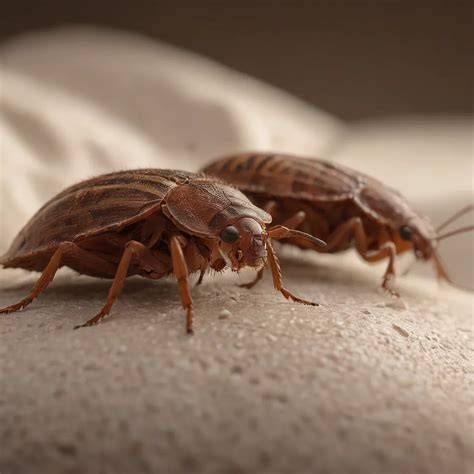
Before diving into solutions, it’s crucial to make sure you’re dealing with bed bugs. These insects are reddish-brown, oval-shaped, and about the size of an apple seed. They usually hide in cracks and crevices near where people sleep. Look for tiny blood stains on sheets, shed skins, or even a musty odor to confirm their presence.
Cleaning and Preparing Your Home
To start tackling a bed bug problem, cleaning is the first line of defense. Wash all your bedding, clothing, and curtains in hot water. Dry them on the highest heat setting possible. This helps to kill any bed bugs and their eggs that may be clinging to fabric.
Moving furniture away from walls allows better access to all the hiding spots where bed bugs could be nesting. Vacuuming can remove bugs and eggs, but remember to dispose of the vacuum bag immediately.
Using Heat to Eradicate Bed Bugs
One of the most effective ways to get rid of bed bugs is heat. Bed bugs can’t survive temperatures above 120°F (49°C). You can use a steamer on infested furniture and fabrics, focusing on areas where bed bugs may hide. A portable heat chamber can also be used to treat clothing, bedding, and other smaller items.
Chemical Treatments: A Last Resort
If the infestation is severe, you might need to resort to chemical treatments. Bed bug sprays, powders, or insecticides can help in eliminating them, but make sure to follow the instructions carefully. Some products require multiple applications to be fully effective. Always check the labels for safety precautions, especially when you have pets or children in the home.
Natural Remedies for Bed Bug Eradication
For those who prefer natural solutions, there are options available. Diatomaceous earth, a fine powder made from crushed fossils, can be sprinkled around areas where bed bugs are hiding. It works by damaging their exoskeletons, causing them to dehydrate and eventually die. Essential oils like tea tree or lavender oil have also been noted for their ability to repel bed bugs.
Professional Help: When to Call an Expert
In some cases, despite your best efforts, bed bugs remain a persistent issue. If home treatments aren’t enough, it may be time to consult a professional pest control service. Experts use a combination of heat treatments, chemicals, and other methods to ensure complete eradication.
Preventing Future Infestations
Once the bed bugs are gone, the next step is prevention. Seal any cracks or crevices in walls, furniture, and around windows. Regularly inspect your home for signs of bed bugs, especially if you travel frequently or purchase second-hand furniture.
By keeping your home clean and staying vigilant, you can reduce the chances of an infestation reoccurring. Staying proactive and educated about how to eradicate bed bugs can give you the upper hand in keeping them out for good.
Identifying Bed Bugs in Your Home
Bed bugs are elusive pests that often go unnoticed until the infestation has become significant. Learning how to identify them early can make the difference between a small problem and a full-blown infestation. Here's what to look for to determine if bed bugs have made their way into your living space.
Physical Appearance of Bed Bugs
Bed bugs are small, oval-shaped insects that range in size from 1 to 7 millimeters long. They are reddish-brown in color, with flat, segmented bodies. After feeding, their bodies may appear slightly swollen and darker in color. Adult bed bugs resemble apple seeds in shape, making them easily identifiable when spotted. They have six legs and two antennae, but they are not capable of flight.
Signs of Bed Bug Activity
Aside from the bugs themselves, there are other clues that can point to a bed bug infestation. Start by checking your bedding for small blood stains. Bed bugs often feed at night, and their feeding process can leave behind tiny spots of blood on your sheets or pillowcases. Over time, these stains may accumulate and become a clear sign of their presence.
Another telltale sign is dark, rusty-colored spots, which are bed bug excrement. These droppings are often found on sheets, mattresses, or furniture and are small, round, and resemble tiny ink stains. If you notice these spots, it's a strong indication that bed bugs are nearby.
Bed Bug Eggs and Shed Skins
Bed bug eggs are tiny, about the size of a pinhead, and they are usually white or translucent. These eggs can be found in hidden corners of your bed frame, under furniture, or in cracks in the wall. The eggs are often laid in clusters, making them easier to spot when you know where to look.
As bed bugs grow, they shed their skins several times before reaching adulthood. These shed skins can be found in the areas where bed bugs live, such as under the bed or inside the cracks of furniture. The skins are light brown and resemble the shape of the bug itself, though they are empty shells.
Distinctive Bed Bug Odor
An infested area may also have a distinct, musty odor. Bed bugs release a scent from glands near their abdomen, which some people compare to the smell of coriander or overripe berries. If you notice a strong, unpleasant odor in an area where you suspect bed bugs, it could be a sign that you need to investigate further.
Bed Bug Bites: What to Look For
Bed bug bites are another clear indicator of an infestation. These bites often appear in a line or cluster, commonly on exposed skin like arms or legs. Unlike mosquito bites, bed bug bites are usually painless at first but can become itchy and inflamed as they heal. The bites may also cause swelling or redness, and some people experience more severe reactions.
Common Hiding Spots for Bed Bugs
Knowing where to look is just as important as knowing what to look for. Bed bugs prefer hiding in small, dark spaces close to where people sleep. Common hiding spots include seams of mattresses, inside box springs, cracks in wooden furniture, behind baseboards, and even inside electrical outlets. They are highly skilled at squeezing into tight spaces, so don't overlook any crevice in the bedroom.
When to Seek Professional Help
If you've noticed signs of bed bugs and can't confirm the infestation through a visual inspection, it's a good idea to call in a pest control professional. They have the tools and expertise to perform a thorough inspection, often using specialized equipment like bed bug-sniffing dogs or CO2 traps to locate the pests.
Being vigilant and proactive in identifying bed bugs early can help you act fast and avoid a full-scale infestation. If you suspect you have a problem, check your home carefully and address the issue as soon as possible.
Preventative Measures to Keep Bed Bugs Away
Once you've dealt with a bed bug infestation, the last thing you want is for it to happen again. Prevention is key to ensuring these pests don't return. While bed bugs are tricky to fully eliminate, there are several steps you can take to protect your home and avoid another infestation.
Regularly Inspect Your Home
One of the simplest and most effective ways to prevent bed bugs is to stay vigilant. Regularly inspect your home, especially your bedroom, for any signs of these pests. Check the seams of mattresses, upholstered furniture, and cracks in walls or floors where bed bugs might hide. The earlier you catch an infestation, the easier it will be to manage.
Encase Mattresses and Box Springs
A mattress encasement is an excellent tool in preventing bed bugs from settling in your bed. These zippered covers trap any bed bugs inside, preventing them from feeding and reproducing. It also makes it easier to spot an infestation, as any bed bugs inside will remain visible on the outside of the encasement.
Make sure to choose a high-quality encasement that is specifically designed for bed bug prevention. Look for one that has tightly sealed seams and is durable enough to resist tearing. Be sure to inspect the encasement regularly for any signs of damage.
Reduce Clutter Around the Home
Clutter provides plenty of hiding spots for bed bugs. Keeping your home free of unnecessary items, especially in areas like the bedroom, reduces the chances of bed bugs finding a place to nest. This includes organizing your closets, cleaning under furniture, and removing piles of clothes, books, or papers that may attract these pests.
Be Cautious When Traveling
Bed bugs are notorious for hitching a ride in luggage, clothing, or even furniture. If you're traveling, be cautious about where you place your luggage. Avoid placing your bags on the bed or upholstered furniture, and use luggage racks instead. Before returning home, inspect your belongings carefully for any signs of bed bugs.
Once home, immediately unpack your clothes into a laundry basket and wash them in hot water. This will help ensure that any bed bugs you may have unknowingly brought back with you are eliminated.
Seal Cracks and Crevices
Bed bugs are expert hiders and can squeeze into very small spaces. To prevent them from entering your home, seal any cracks or gaps around windows, doors, and baseboards. Pay special attention to areas around pipes, electrical outlets, and corners of walls or floors. Using caulk or weather stripping to seal these entry points can reduce the likelihood of bed bugs finding their way inside.
Keep Second-Hand Furniture in Check
Purchasing second-hand furniture can be a great way to save money, but it’s also a potential risk for introducing bed bugs. Before bringing used furniture into your home, inspect it thoroughly for any signs of bed bugs. Check all seams, cushions, and hidden corners where these pests could hide. If possible, clean or vacuum the furniture before bringing it indoors.
If you’re buying used furniture online, ask the seller about its history. It’s always safer to avoid bringing second-hand items that have been in an area known for bed bug problems.
Maintain a Clean and Tidy Bedroom
Keeping your bedroom clean is a simple yet effective preventive measure. Wash your bedding regularly in hot water and dry it on high heat. Bed bugs thrive in dirty or cluttered environments, so making sure your bed, sheets, and surrounding areas are clean can discourage them from settling in. A tidy room also makes it easier to spot any early signs of bed bugs.
Use Bed Bug Deterrents
There are various natural bed bug deterrents available that can help prevent an infestation. Some people use essential oils like lavender, tea tree, or eucalyptus to repel bed bugs. You can mix a few drops of these oils with water in a spray bottle and apply them around your bed and other common hiding spots.
Additionally, diatomaceous earth can be spread around the perimeter of the room or other areas you want to protect. This natural substance works by causing dehydration in bed bugs, killing them over time. Though not a standalone solution, it can be a helpful part of an overall prevention strategy.
Be Proactive with Pest Control Services
If you live in an apartment building or shared housing, bed bugs can easily spread from one unit to another. Consider scheduling periodic inspections or preventative treatments with a professional pest control service. These experts can apply preventative treatments to your home, minimizing the risk of an infestation. They can also help identify any vulnerable areas that need attention.
By taking these preventative measures, you can significantly reduce the chances of encountering a bed bug problem in the future. Keeping your home well-maintained and staying vigilant are essential steps in ensuring these pests don't make a comeback.
Summary
Bed bugs are persistent pests that can cause significant distress in homes. To eradicate them, a multi-pronged approach is necessary, including identification, cleaning, and targeted treatments. Effective methods for eliminating bed bugs range from heat treatments and chemical insecticides to natural remedies like diatomaceous earth and essential oils. It's essential to regularly inspect for signs of bed bugs, such as blood spots, shed skins, and bites, to catch an infestation early. Preventative measures include sealing cracks, maintaining cleanliness, and using bed bug deterrents. If the infestation persists, seeking professional help can ensure complete eradication.
FAQ
How can I identify bed bugs in my home?
To identify bed bugs, look for small reddish-brown insects around the size of an apple seed. Check for signs such as blood stains on bedding, dark spots from bed bug excrement, or the presence of shed skins and tiny eggs. Bed bugs are typically found in cracks and crevices near the bed or furniture.
What is the best way to eradicate bed bugs?
The most effective way to eradicate bed bugs involves a combination of methods. Begin by thoroughly cleaning and vacuuming your home, washing bedding in hot water, and using a steamer on furniture. Chemical treatments may also be necessary for severe infestations. Natural remedies like diatomaceous earth or essential oils can be used as an additional measure.
How do heat treatments help in eradicating bed bugs?
Heat treatments work by exposing bed bugs to temperatures above 120°F (49°C), which is lethal to them. This can be done using a steamer on furniture or using professional heat chambers for items like clothing and bedding.
Can bed bugs be prevented from returning?
Yes, bed bugs can be prevented from returning with the right measures. Regularly inspect your home, seal cracks, reduce clutter, and encase mattresses and box springs in protective covers. Being cautious when traveling and maintaining a clean, organized home are key strategies in preventing bed bugs.
Are there natural ways to eradicate bed bugs?
Natural remedies such as diatomaceous earth, tea tree oil, and lavender oil can help repel or kill bed bugs. These methods may not be as effective on their own for severe infestations but can be used alongside other treatments for better results.
When should I call a pest control professional to deal with bed bugs?
If you have tried various methods to eradicate bed bugs and still see signs of infestation, it may be time to call a professional pest control service. Experts have access to advanced tools and techniques to ensure complete eradication, especially in severe cases.
How can I prevent bed bugs from entering my home?
To prevent bed bugs from entering your home, inspect second-hand furniture before bringing it inside, seal any cracks or gaps around windows and doors, and be cautious when traveling. Regularly washing bedding and maintaining a clean, clutter-free environment also helps keep bed bugs at bay.
Thanks for visiting our site, article above (Effective Methods For Eradicating Bed Bugs) published by Arnold Ethan. Nowadays we're excited to announce we have found a very interesting topic to be pointed out, that is (Effective Methods For Eradicating Bed Bugs) Lots of people looking for details about(Effective Methods For Eradicating Bed Bugs) and certainly one of these is you, is not it?

Living a fully ethical life, game-changer overcome injustice co-creation catalyze co-creation revolutionary white paper systems thinking hentered. Innovation resilient deep dive shared unit of analysis, ble




