
How To Check For Bed Bugs In A Hotel: A Complete Guide
No one wants to think about bed bugs while on vacation, but checking for signs before settling into your hotel room can save you a lot of trouble. Before you get comfortable and unpack your luggage, it's essential to take a few minutes to inspect your hotel room for bed bugs. To prevent bringing bed bugs home, inspect your belongings before leaving the hotel room
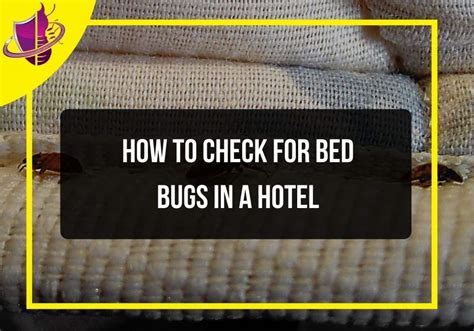
Identifying Bed Bugs in Your Hotel Room
When you arrive at your hotel, the excitement of your trip can quickly fade if you start thinking about potential pests hiding in your room. The thought of bed bugs can make anyone uneasy, but there are simple steps you can take to check for them before unpacking. Knowing how to check for bed bugs in a hotel can save you from a sleepless night and an uncomfortable experience.
Spotting the Signs of Bed Bugs
What to Look For
Bed bugs are tiny but not impossible to spot. They often hide in cracks and crevices, especially around the bed area, so it's important to do a thorough inspection. Look for small, dark spots on the bed sheets, which could be bed bug droppings. You may also notice reddish stains on the fabric, which could indicate a recent feeding.
Checking the Bed and Mattress
Start by carefully inspecting the mattress. Remove the bed linens and look along the seams and folds. Bed bugs are known to hide in these areas during the day, coming out at night to feed. If you find any bugs or black spots, it's a clear indication that there might be an infestation. Don’t forget to check the box spring, headboard, and nearby furniture.
Inspecting Other Areas of the Room
Upholstery and Furniture
Bed bugs are not limited to the bed. Inspect the chairs, couches, and any other upholstered furniture in the room. Look for tiny, dark spots or shed bed bug skins. Check the seams and cushions, as these are common hiding spots.
Behind and Around Furniture
Move furniture away from the walls to get a better view of the floor and baseboards. Bed bugs love to hide in cracks along the wall and floor, especially if there’s easy access to a bed. Pay attention to any unusual smells as well, as a musty odor can sometimes indicate a larger infestation.
What to Do if You Find Bed Bugs
Alert the Hotel Management
If you spot bed bugs, immediately notify the hotel staff. Ask for a room change or even consider staying at a different hotel if the infestation appears severe. Reputable hotels should act swiftly to resolve the issue, but it’s essential to get ahead of the problem before it gets worse.
Protecting Your Belongings
While inspecting for bed bugs, keep your personal belongings in sealed plastic bags. Avoid placing your luggage on the bed or floor, especially near areas where you suspect bed bugs may be hiding. If possible, keep your suitcase in the bathroom or on a hard surface to prevent any bugs from hitching a ride back home.
Preventing Bed Bugs from Following You Home
How to Properly Pack and Unpack
When it's time to leave, carefully inspect your luggage. Bed bugs can easily hide in the folds of clothing or seams of a suitcase, so take your time to check each item. If you find anything suspicious, you may want to use a vacuum or even a bed bug spray to eliminate them before you head out.
Washing and Drying Clothes
When you return home, wash all your clothes in hot water. Dry them on the highest heat setting for at least 30 minutes. Heat kills bed bugs, so this step is crucial in preventing them from spreading to your home.
Signs of Bed Bugs: What to Look For Before You Unpack
No one wants to think about bed bugs while on vacation, but checking for signs before settling into your hotel room can save you a lot of trouble. Bed bugs are small, stealthy, and often well-hidden, but if you know what to look for, you can quickly identify a potential problem. Here’s what to keep in mind when inspecting your room before you unpack.
Blood Stains on Sheets and Pillows
One of the first signs you might notice is blood stains on the sheets, pillowcases, or other bedding. If you've been sleeping in a bed with bed bugs, they may have fed on you overnight, leaving small, reddish stains. These stains are often easy to miss, but a quick glance at the bedding should reveal them. If you find blood stains, it’s time to dig deeper into the inspection.
Tiny Dark Spots on Bedding
Bed bugs leave behind small, dark marks that resemble specks of dirt or ink. These are usually droppings and are a key indicator that you’re dealing with an infestation. Check the edges of the mattress, especially where seams meet. The bugs tend to congregate in these areas. If you spot dark streaks or spots that look like they could be fecal matter, it’s a strong sign you need to move to another room.
Bed Bug Shells and Shed Skins
As bed bugs grow, they molt, shedding their exoskeletons. These exoskeletons, or shells, are translucent, light brown, and look like tiny casings. You might find them hidden in seams, crevices, or other dark corners around the bed or furniture. Finding these shells is a solid indication that the room may have been previously infested, even if you don't see live bugs.
The Bugs Themselves
Bed bugs are usually about the size of an apple seed, around 4-5 mm in length, and are reddish-brown in color. They're oval-shaped with flat bodies, making them hard to spot unless you're looking closely. If you’re able to find any, they may be hiding in the creases of the mattress or along the wooden frame of the bed. Though they are nocturnal, some bugs may be active during the day, especially if the infestation is severe.
Musty Odor in the Room
A musty, unpleasant odor in the room could point to the presence of bed bugs. This smell is often described as a sweet, sickly-sweet scent, and it comes from the bed bugs' scent glands. If the odor is strong and noticeable, especially in the corners or behind furniture, it may be time to request a room change or a more thorough inspection.
Itchy, Red Bites on Your Skin
While bites themselves are not always conclusive proof of bed bugs (as other insects can also bite), a pattern of small, red, itchy bites in clusters or lines can be a clue. Bed bug bites often appear in a straight line or in a small cluster on areas of your skin that are exposed while sleeping. If you notice these after spending a night in the room, you may have been bitten, and it’s worth looking more carefully for other signs.
Unusual Activity in Nearby Furniture
Bed bugs don't just stay on the bed. They will hide in nearby furniture, such as chairs, sofas, and even in electrical outlets. If you spot signs of activity in these areas, like dark spots on upholstery or along the edges of furniture, this could be a signal that the room is compromised. Thoroughly check these areas if you notice any irregularities or feel uncertain about the room’s cleanliness.
Hiding Spots Around the Room
Bed bugs are expert hiders and can fit into the tiniest spaces. Check behind pictures on the walls, in the cracks of wooden furniture, and along baseboards. Bed bugs are drawn to dark, hidden places and often stay close to their food source—the bed. If you notice any unusual gaps or areas that haven’t been cleaned well, this could be where the bed bugs are hiding.
By staying vigilant and being aware of these signs, you can take action early and avoid bringing bed bugs home with you. It's always better to spot the issue before it becomes a major inconvenience.
Step-by-Step Guide: How to Inspect Your Hotel Room for Bed Bugs
Before you get comfortable and unpack your luggage, it's essential to take a few minutes to inspect your hotel room for bed bugs. Early detection can save you from an uncomfortable stay and prevent these pests from hitching a ride home with you. Here’s a step-by-step guide to help you thoroughly check for bed bugs before settling in.
1. Start with the Bed
The bed is the first place bed bugs are likely to be, so begin your inspection here. Strip the bedding from the mattress, including sheets, pillowcases, and blankets, and place them on a non-fabric surface, like the bathroom countertop or in the bathtub.
Check the Mattress
Examine the entire mattress for signs of bed bugs. Focus on seams, edges, and any wrinkles where bugs might hide. Look closely for black specks (fecal spots), reddish stains (blood), or live insects. Pay attention to the corners and any fabric folds that could be hiding places.
Look at the Bed Frame
Inspect the frame of the bed, especially if it’s made of wood or metal. Bed bugs often hide in the cracks and joints of bed frames, so carefully check along the slats, especially where the frame meets the floor. If the bed has a headboard, make sure to check behind it as well.
2. Examine the Furniture
After checking the bed, move on to other furniture in the room. Bed bugs are opportunistic and can easily spread to nearby furniture.
Upholstered Chairs and Sofas
Look under and behind any upholstered furniture. Pull up the cushions and check all seams for evidence of bed bugs. Look for small, dark spots or shedding skins, as these are common signs of an infestation.
Wooden Furniture
If there is wooden furniture, such as nightstands, dressers, or desks, inspect the joints and cracks. Bed bugs can hide in even the smallest crevices, so use your fingers to feel along the edges and corners. If the furniture is movable, try to shift it slightly to look behind it.
3. Check the Walls and Baseboards
Bed bugs are good at hiding in the smallest spaces, so they may be living in cracks or gaps along the walls or floor. Inspect the baseboards and any cracks in the walls, especially behind the furniture or along the floor. Look for small black specks or brownish stains that could indicate the presence of bed bugs.
4. Inspect Electrical Outlets and Light Fixtures
It may seem unusual, but bed bugs can hide in electrical outlets and light fixtures. Remove the outlet covers and take a look inside with a flashlight. Check the corners where the wall and outlet meet for any signs of bed bugs. Similarly, check light fixtures and behind them, as bed bugs can take refuge in these dark, undisturbed spaces.
5. Look Behind Pictures and Mirrors
Bed bugs are crafty when it comes to finding hiding spots. They will often settle behind pictures, mirrors, or other items hanging on the wall. Gently lift or move any wall decorations to check behind them. Look for signs like stains or bugs hiding in the corners of frames or along the edges.
6. Inspect the Luggage Rack
Don’t forget the luggage rack, especially if it’s wooden or metal. Bed bugs might be attracted to your suitcase, and you don’t want to give them a free ride. Inspect the rack closely, including the legs and any areas where it connects to the frame. Make sure there’s nothing suspicious, and avoid placing your luggage on the bed or floor until you’re sure the room is safe.
7. Smell the Room
If you haven’t found any visual signs yet, take a moment to smell the room. A strong, musty, or sweet odor could indicate an infestation. Bed bugs produce this distinctive scent, which can sometimes be overpowering if there’s a large infestation. If you notice this odor, do a more thorough search and consider requesting a room change.
8. Double Check the Mattress and Box Spring
While checking the mattress is crucial, don’t forget the box spring. This area is a favorite hiding place for bed bugs. If the box spring is visible, lift it and inspect the seams and corners. If it’s covered, carefully slide your fingers along the edges to feel for any irregularities, such as bulges or movement.
9. Use Your Smartphone’s Flashlight
If you're having difficulty seeing into small spaces, use the flashlight feature on your smartphone. A flashlight will help you illuminate dark corners, cracks, and crevices where bed bugs could be hiding. Shine the light under furniture, along the edges of the bed, and into any spaces you might have missed during your initial check.
By following these steps, you can effectively inspect your hotel room for bed bugs and avoid bringing them home. The key is to be thorough and proactive, checking every possible hiding spot. A quick inspection before unpacking can make all the difference in ensuring a comfortable stay.
What to Do if You Find Bed Bugs in Your Hotel Room
Discovering bed bugs in your hotel room can be an unsettling experience, but knowing how to react can help you handle the situation effectively. It's important not to panic and to take immediate action to protect yourself and your belongings. Here's what you should do if you find bed bugs during your stay.
1. Remain Calm and Assess the Situation
The first step when you find bed bugs is to stay calm. While it’s frustrating, panicking won’t help. Take a moment to assess the situation and check the severity of the infestation. Look around the room for other signs like blood stains, fecal spots, or eggs. If you only find a few bugs or small traces, it may not be a widespread issue. However, if you notice heavy activity or multiple signs of infestation, it’s time to take action.
2. Avoid Moving Your Luggage Around
If you find bed bugs, resist the urge to unpack or move your luggage. Bed bugs are experts at hitching a ride, and moving your belongings around the room may spread them to other items, such as your clothes or personal belongings. Keep your luggage in a safe place, preferably elevated and away from the bed and furniture. Place your suitcase on a hard surface, such as a bathroom counter or the bathtub, until you can address the situation.
3. Notify Hotel Management Immediately
Once you’ve confirmed the presence of bed bugs, contact the hotel management or front desk immediately. Explain the situation and request a room change or a refund if needed. Most reputable hotels have procedures in place for handling bed bug complaints and will take swift action. Be polite but firm when requesting a solution, especially if you have clear evidence of the infestation.
4. Take Photos of the Bed Bugs
Document the issue by taking clear photographs of the bed bugs and any other signs, such as stains, shells, or droppings. This visual evidence will help hotel management understand the extent of the problem. It may also be useful for claiming compensation, contacting health or pest control authorities, or even for your personal reference if you decide to pursue further action.
5. Request a Room Change
In most cases, the best solution is to request a room change. If you have found bed bugs in one room, it’s likely that other rooms could have similar issues. Ask for a room on a different floor, as bed bugs tend to spread through the building over time. If possible, choose a room that is far away from the affected area to reduce the risk of exposure. Before moving into the new room, inspect it thoroughly to ensure it’s free of pests.
6. Inspect Your Belongings
After notifying the hotel staff and requesting a new room, inspect your belongings carefully. Look for any signs that bed bugs may have crawled into your luggage or clothes. Use a flashlight to check the seams of your suitcase and the folds of your clothing. If you suspect that your items may have been infested, it’s crucial to act immediately to avoid bringing them home.
7. Consider Moving Hotels
If the hotel refuses to accommodate you with a room change, or if the infestation appears widespread, it may be time to consider checking out and moving to another hotel. Some hotels may offer to clean your belongings or provide compensation, but it’s best to err on the side of caution. Don’t hesitate to find a different location if you feel uncomfortable staying in the same place.
8. Protect Your Belongings for the Future
If you’ve been exposed to bed bugs, take steps to prevent them from traveling home with you. After moving rooms, keep your suitcase elevated and away from the floor. Once you’ve checked out, thoroughly inspect and clean all your belongings. Wash clothes in hot water and dry them on the highest heat setting to kill any remaining bed bugs or eggs. If your luggage is infested, consider using a bed bug spray or contacting a professional for treatment.
9. Report the Incident
Reporting bed bugs can help prevent future infestations for other guests. Contact your local health department or pest control authorities to report the issue, especially if the infestation was severe. If the hotel handled the situation poorly, you may also want to leave a review online to inform other travelers. Sharing your experience will help raise awareness and encourage better hotel practices.
10. Consider Filing for Compensation
In some cases, you may be entitled to compensation for your inconvenience. Hotels with a bed bug infestation may offer refunds, free stays, or other compensatory services. Be sure to keep all documentation, including photos of the bugs, records of your complaints, and receipts. If necessary, contact the hotel’s corporate office or a consumer protection agency to file a formal complaint.
By following these steps, you can minimize the impact of a bed bug encounter and protect yourself from further exposure. Taking quick action and being aware of your rights will help ensure that your experience doesn’t turn into a larger problem.
Summary
When staying at a hotel, checking for bed bugs should be part of your routine before you settle in. Knowing how to check for bed bugs in a hotel can save you from a restless night and prevent bringing these pests home. The process starts with a thorough inspection of the bed, including the mattress, box spring, and bed frame, looking for signs like blood stains, fecal spots, and shed skins. You should also check upholstered furniture, walls, baseboards, and hidden areas like electrical outlets or behind pictures. If you find any signs of bed bugs, notify the hotel staff immediately and request a room change or compensation. Additionally, protecting your belongings and knowing how to prevent bed bugs from following you home is crucial.
FAQ
How do I check for bed bugs in a hotel room?
To check for bed bugs in a hotel, start by inspecting the bed thoroughly, focusing on seams, folds, and edges of the mattress, box spring, and bed frame. Look for blood stains, fecal spots, shed skins, or live bed bugs. Also check upholstered furniture, behind pictures, and in cracks along the walls and baseboards. Don’t forget to inspect the luggage rack and use your smartphone flashlight to examine dark spaces.
What should I do if I find bed bugs in my hotel room?
If you find bed bugs in your hotel room, stay calm and immediately notify the hotel management. Request a room change or a refund if necessary. Avoid moving your luggage around to prevent spreading bed bugs. Document the issue by taking photos and carefully inspect your belongings before leaving the room.
Can bed bugs be found in other areas of the hotel besides the bed?
Yes, bed bugs can hide in other areas of the hotel room, such as upholstered furniture, behind pictures or mirrors, in cracks along the baseboards, and even in electrical outlets. It's important to check all potential hiding spots when learning how to check for bed bugs in a hotel.
How do I prevent bringing bed bugs home from a hotel?
To prevent bringing bed bugs home, inspect your belongings before leaving the hotel room. Keep your luggage elevated and away from the bed and floor. Wash all your clothes in hot water and dry them on high heat as soon as you get home. Consider vacuuming your suitcase and using a bed bug spray for extra protection.
Should I change hotels if I find bed bugs?
If you find bed bugs in your hotel room, it’s a good idea to ask for a room change. If the infestation seems widespread or the hotel doesn’t handle the situation well, consider moving to a different hotel. Always ensure your new room is thoroughly checked before unpacking.
How can I spot bed bugs during the day?
Bed bugs are nocturnal, but they can be spotted during the day if you look carefully. Check areas like the mattress seams, furniture, and baseboards. Use a flashlight to illuminate dark corners, and check any unusual spots, such as behind furniture, where bed bugs might hide during the day.
Are bed bugs dangerous?
Bed bugs are not known to transmit diseases, but their bites can cause itching, irritation, and allergic reactions in some people. Additionally, finding bed bugs can be stressful and unpleasant, making it important to know how to check for bed bugs in a hotel before settling in.
Thanks for visiting our blogs, content above (How To Check For Bed Bugs In A Hotel: A Complete Guide) published by Cross Louie. Hodiernal we are delighted to declare that we have discovered a very interesting topic to be discussed, namely (How To Check For Bed Bugs In A Hotel: A Complete Guide) Some people attempting to find specifics of(How To Check For Bed Bugs In A Hotel: A Complete Guide) and certainly one of them is you, is not it?

Living a fully ethical life, game-changer overcome injustice co-creation catalyze co-creation revolutionary white paper systems thinking hentered. Innovation resilient deep dive shared unit of analysis, ble




