
Building A King Size Platform Bed: Step-By-Step Guide
The frame forms the foundation of your platform bed. If your room is small, consider a low-profile design or a storage-integrated platform to maximize functionality without taking up extra space. Plan the dimensions carefully to ensure a perfect fit for your mattress and room size
Why a Platform Bed?
A king-size platform bed isn't just about size; it’s about style, simplicity, and functionality. With clean lines and a sturdy frame, it can transform any bedroom into a sleek, modern space. The best part? Building one yourself is more straightforward than you might think. You’ll save money, get exactly what you want, and enjoy the satisfaction of sleeping on something you made with your own hands.
Tools and Materials You’ll Need
Before diving into the construction, gather everything you'll need. The right tools and materials will make the process smoother and more enjoyable. For this project, you’ll want to have:
- Measuring tape
- Circular saw or handsaw
- Power drill and screws
- Sandpaper or an electric sander
- Wood glue
- Wood planks and plywood (cut to size)
- Optional: stain, paint, or sealant
Planning everything out and double-checking your measurements can save you from unnecessary headaches later.
Choosing the Right Wood
The type of wood you use makes a big difference in durability and appearance. Pine is affordable and easy to work with, while hardwoods like oak or maple add longevity and a polished look. Reclaimed wood is another great option, giving your bed a rustic, eco-friendly charm. Decide what fits your style and budget before making any cuts.
Measuring and Cutting
Start With the Frame
The frame forms the foundation of your platform bed. Measure the length and width of your mattress, then add a few extra inches for comfort and bedding. Cut your wood planks accordingly, ensuring they’re straight and smooth. Sand down rough edges to avoid splinters later.
Prepare the Slats
The slats are crucial for support. Space them evenly across the frame, leaving about 2-3 inches between each. If you plan to use plywood as a solid base instead of slats, make sure it’s thick enough to hold the weight without bending over time.
Assembly
Building the Base
Start by assembling the outer frame. Secure the planks using wood glue and screws for extra stability. Make sure everything is level before moving on. Attach legs or a baseboard, depending on your chosen design. This step sets the height of your platform bed.
Adding Slats or Plywood
Lay the slats across the frame, attaching them firmly with screws. If you’re using plywood, place it directly on top of the frame and secure it. This step is where your bed gains its structural integrity, so take your time to ensure everything is solid.
Finishing Touches
Sand the entire bed frame to smooth out rough spots. If you want to add some color or protection, apply stain, paint, or a clear sealant. Let everything dry completely before placing your mattress on top.
Additional Customization
Consider adding a headboard or under-bed storage for a more functional design. These features can be built separately and attached later, giving you flexibility to personalize your platform bed further.
Materials and Tools Needed
When building a king-size platform bed, having the right materials and tools is half the battle. Every component plays a role in ensuring the bed is sturdy, functional, and visually appealing. A well-prepared list can save you from mid-project trips to the hardware store.
Essential Materials for the Build
-
Wood Boards
Select high-quality boards for the frame, slats, and legs. Cedar and birch are excellent choices for a polished look, while plywood is great for the base layer. -
Wood Screws and Brackets
Choose sturdy screws designed for wood, along with brackets for extra support at joints. -
Wood Glue
Ideal for reinforcing connections, adding stability, and reducing creaks over time. -
Sandpaper or Sanding Blocks
For smoothing edges and surfaces before and after assembly. -
Paint, Stain, or Sealant
These finish materials protect the wood and allow you to customize the look. -
Foam Pads or Rubber Stoppers
Use these on the bottom of the legs to prevent floor damage and ensure stability.
Tools You’ll Want on Hand
-
Measuring Tape
Accuracy is key, so a reliable measuring tape is non-negotiable. -
Miter Saw or Circular Saw
A miter saw is perfect for precise angled cuts, while a circular saw works well for straight cuts on larger boards. -
Power Drill and Bits
Drilling pilot holes and driving screws will be much easier with a power drill. -
Clamps
Keeps wood in place while gluing or screwing pieces together, ensuring accuracy. -
Level
A level ensures your frame is straight and balanced, preventing wobbling once assembled. -
Pencil or Chalk
Marking cut lines and alignment points makes the construction process much smoother.
Optional Extras
-
Jigsaw
Useful for creating decorative cuts or shaping specific components. -
Router
Adds beveled edges for a polished finish. -
Electric Sander
Speeds up the sanding process, especially for larger surfaces.
Sourcing Your Materials
When sourcing wood, consider visiting a local lumberyard or home improvement store. Many stores offer pre-cut options or cutting services for precise measurements. For tools, investing in mid-tier to high-quality brands will ensure durability and better results.
Having all your tools and materials ready before you begin allows for a seamless building process. It’s always better to over-prepare than to pause midway for missing items.
Design and Dimensions Planning
Building a king-size platform bed starts with thoughtful design and precise measurements. A well-planned layout ensures your bed is not only sturdy but also perfectly suited to your room and style preferences.
Defining Your Design Style
-
Minimalist
For a sleek, modern look, go for clean lines and simple edges. A floating design, where the legs are set back, creates an illusion of weightlessness. -
Rustic Charm
Incorporate reclaimed wood for a worn, natural aesthetic. Exposed grain and imperfections can add character. -
Contemporary with Storage
If functionality is a priority, include under-bed drawers or storage compartments. This design maximizes space without compromising style. -
Headboard Additions
Decide if you’ll incorporate a headboard. A built-in headboard can match the platform’s design or contrast with a unique material or color.
Choosing the Right Dimensions
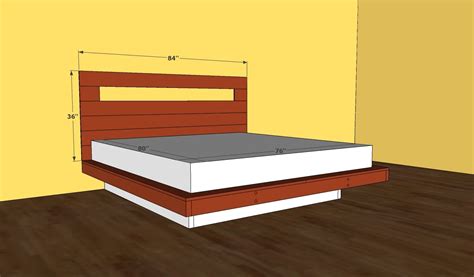
A king-size mattress measures 76 inches wide by 80 inches long, but the frame should be slightly larger for proper fit and comfort. Add an inch or two on each side to ensure the mattress sits snugly without being overly tight.
-
Outer Frame Dimensions
Plan for approximately 78-82 inches wide and 82-86 inches long, depending on your design's edge spacing. -
Height Considerations
Standard platform beds range from 10 to 16 inches tall. If you want extra storage underneath, aim for a taller base. For a minimalist style, opt for a lower height. -
Leg Placement
For a floating design, position the legs inward by at least 4-6 inches from the frame’s outer edges. For a more traditional look, place legs flush with the corners.
Incorporating Mattress Support
The support system directly impacts comfort and durability. Decide between slats, a solid plywood base, or a hybrid of both.
-
Slats
Use sturdy wood slats spaced 2-3 inches apart. This allows for airflow and mattress support without requiring a box spring. -
Plywood Base
For firmer support, use a solid plywood sheet. Ensure it’s thick enough to prevent sagging. -
Combination Approach
Combine slats with a thin plywood layer for the best of both worlds—flexibility and stability.
Proportion and Room Fit
Before committing to a design, measure your room to ensure the bed fits comfortably without overcrowding the space. Leave at least 24-36 inches of clearance around the bed for ease of movement.
If your room is small, consider a low-profile design or a storage-integrated platform to maximize functionality without taking up extra space.
Sketching Your Blueprint
Create a rough sketch of your design, noting the dimensions for each component. Include measurements for the frame, legs, slats, or plywood base. This visual reference will make construction more straightforward and reduce errors during the build.
Planning ahead sets the tone for a successful project. A well-thought-out design not only enhances aesthetics but also ensures your platform bed meets all functional needs.
Summary
Building a king-size platform bed is an achievable DIY project that combines functionality with personal style. Start by gathering the necessary materials and tools, such as wood planks, screws, a power drill, and a circular saw. Choose a design that suits your room and preferences, whether minimalist, rustic, or storage-friendly. Plan the dimensions carefully to ensure a perfect fit for your mattress and room size. Use slats, plywood, or a combination for mattress support, and consider customizing with finishes or headboard additions. A clear blueprint and proper preparation ensure a seamless building process, resulting in a bed that’s both durable and stylish.
FAQ: How to Build a King Size Platform Bed
What materials do I need to build a king-size platform bed?
You’ll need wood boards for the frame and slats, screws, wood glue, and optional finishes like paint or stain. Additional items may include foam pads for the legs and plywood for a solid base. The type of wood depends on your budget and desired style.
What tools are essential for this project?
Key tools include a circular saw, power drill, measuring tape, clamps, and a level. Optional tools like an electric sander or router can help with finishing touches and detailed designs.
How do I determine the dimensions for the frame?
A king-size mattress is typically 76 inches wide by 80 inches long. Add 1-2 inches to each side for a comfortable fit. Plan for the frame height based on your preference, with standard platform beds ranging from 10 to 16 inches tall.
What’s the best way to support the mattress?
You can use wooden slats spaced 2-3 inches apart, a solid plywood base, or a combination of both. Slats allow for better airflow, while a plywood base provides firmer support.
Can I add storage to my platform bed?
Yes, you can integrate under-bed drawers or storage compartments into the design. This is a great option for maximizing space in smaller bedrooms.
Is it difficult to build a headboard for the bed?
No, building a headboard is relatively simple and can be done separately or as part of the frame. Use wood that matches or complements the frame, and attach it securely to the base or wall.
Do I need special skills to build a platform bed?
Basic carpentry skills are helpful but not required. With detailed planning, the right tools, and careful measurements, anyone can build a king-size platform bed.
What type of finish should I use on the bed?
A wood stain or clear sealant enhances natural wood grain and protects the surface. For a bold look, consider paint. Ensure the finish is non-toxic and suited for indoor furniture.
How long does it take to build a king-size platform bed?
The time required depends on your experience and the complexity of the design. Most DIY enthusiasts can complete the project over a weekend with proper preparation.
Why should I build a platform bed instead of buying one?
Building a platform bed allows you to customize the design, dimensions, and features to your needs. It’s often more affordable than purchasing a pre-made bed and provides the satisfaction of creating something unique.
Here you are at our site, article above (Building A King Size Platform Bed: Step-by-Step Guide) published by Andrews Logan. Hodiernal we are excited to declare we have found an extremely interesting content to be reviewed, namely (Building A King Size Platform Bed: Step-by-Step Guide) Many individuals looking for details about(Building A King Size Platform Bed: Step-by-Step Guide) and of course one of these is you, is not it?

Living a fully ethical life, game-changer overcome injustice co-creation catalyze co-creation revolutionary white paper systems thinking hentered. Innovation resilient deep dive shared unit of analysis, ble




