
How Long Do Bed Bugs Live On Clothes?
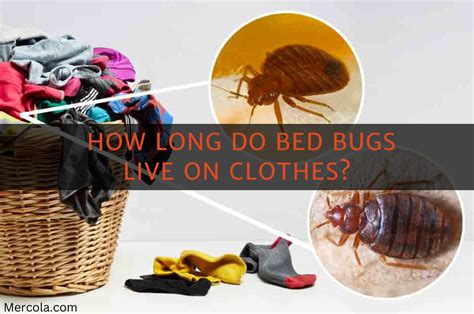
Understanding the Lifespan of Bed Bugs on Clothing
Dealing with bed bugs is frustrating, and it’s natural to wonder where they might be hiding. One common concern is whether these pests can live on your clothing. The answer isn’t a simple yes or no. Bed bugs certainly can find their way onto fabric, but their survival there is more complex than just a matter of time. They require blood to thrive, so a garment is not exactly their first choice for a permanent home.
Factors Affecting Bed Bug Survival on Clothes
So, how long do bed bugs live on clothes? It depends. Several factors come into play. A bed bug's life cycle hinges on having a consistent blood source. Clothing, especially if it's not worn regularly, simply doesn’t provide that. Temperature also has a significant effect. Extremes, both hot and cold, are problematic for bed bugs. In typical room temperature, they might linger a little longer than in a hot car, for example.
Life Stages and Their Durability
The specific life stage of the bed bug is another key consideration. Nymphs, or younger bed bugs, are generally more susceptible to environmental changes compared to adult bed bugs. They tend to dry out faster without a nearby host. Adult bed bugs, with their more robust exoskeletons, can potentially survive a bit longer without a blood meal. They’re built to endure somewhat harsher conditions when they need to.
The Impact of Environment
Let's think about environmental variables. Clothes that are tightly packed in a closet, for example, might offer some protection and might retain moisture, helping bed bugs survive a bit longer than items tossed on an open floor. If it's dry and there's a lot of airflow, survival time will be shorter. So the specific environment around the clothes is key.
Temperature's Role
Temperature drastically affects a bed bug's survival on clothing, as mentioned before. Below freezing or above 120 degrees Fahrenheit can kill them. This is why a hot dryer cycle works wonders at eradicating bed bugs from clothes. The heat does them in quickly.
Humidity's Effect
Humidity plays a role too. Lower humidity causes bed bugs to dehydrate, shortening their lifespan on fabric surfaces, while a slightly more humid space might allow for survival longer. However, they need a blood meal to complete their life cycle.
Can Bed Bugs Reproduce on Clothing?
This is important: bed bugs cannot reproduce on clothing alone. They need a suitable place to lay their eggs, typically a secure crevice near their food source (us!). Clothes offer a transit point, not a breeding ground. So, you won't find a bed bug colony growing in your dresser drawer.
Practical Implications and What to Do
Given all this, what should you do if you suspect your clothes might have bed bugs? Treat all potentially infested clothing with care. A hot wash and a high-heat dry cycle should kill bed bugs and their eggs. Alternatively, placing clothing in a sealed bag in the freezer at zero degrees Fahrenheit for several days will also be effective. Prevention is always ideal, so always be cautious in places where bed bugs may be present.
Duration of Bed Bugs on Clothing: What You Need to Know
It's a common worry: you suspect bed bugs, and now you’re scrutinizing every piece of fabric in your house. The big question pops up - "how long do bed bugs live on clothes?" The short answer isn’t as straightforward as we'd like. Bed bugs can indeed hitch a ride on your clothes, but their survival there is complicated, influenced by several environmental and biological factors. Understanding these factors is crucial for effective control.
Factors Influencing Bed Bug Survival on Fabric
Bed bugs are not like other pests that might thrive on clothing. They need blood to live and reproduce. Because of this, clothing is not a sustainable habitat for them, so they won’t stick around without the possibility of food. Consider factors like temperature, humidity, and the specific life stage of the bug – they all play a role in how long those pests can survive.
The Life Stages: From Nymph to Adult
The durability of a bed bug on clothing depends greatly on its maturity. Younger bed bugs, known as nymphs, are significantly more vulnerable to drying out. They won't last long without a blood meal. Adult bed bugs, however, are more resilient. Their hardened outer layer can help them survive longer in less-than-ideal conditions; but still, it’s not a long term solution for them.
How the Environment Plays a Role
The environment around your clothes greatly impacts how long bed bugs will survive. Are they in a closet where temperature remains more stable and where they can hide in the seams of fabrics? Or are they in a more exposed area with lots of air movement? The surroundings will play a major role.
Temperature: A Key Deciding Factor
Extreme temperatures are a bed bug's kryptonite. Exposure to very high heat, say, in a dryer, will quickly kill them, as will extended exposure to freezing temperatures. This temperature sensitivity is a key factor to leverage when dealing with an infestation.
Humidity Levels
The humidity within your home matters too. In dry conditions, bed bugs are more prone to dehydration which shortens their lifespan. Slightly more humid conditions might help them endure a little longer, but again, they still need access to their food source.
Can Bed Bugs Breed on Clothes?
Crucially, bed bugs cannot breed on clothing. They need hiding places near a host to lay their eggs, and clothing isn't their go-to choice for this. They use fabric as a mode of transportation and sometimes as temporary shelter but that’s where it ends. They require crevices in furniture, baseboards, or similar locations to develop their colonies.
What Should You Do? Practical Advice for Infested Clothing
Knowing "how long do bed bugs live on clothes" can help you take effective action. If you think your clothes have been exposed, it's best to act promptly. The quickest and most reliable way to kill bed bugs on clothes is a hot wash followed by a high-heat dry cycle. As a backup, freezing them in a sealed bag for a few days can work. Prevention should be your focus; always take appropriate action in places where these pests are likely.
The Lifespan of Bed Bugs on Different Types of Fabrics
When grappling with a bed bug problem, one of the immediate concerns is often centered around clothing. People wonder, specifically, "how long do bed bugs live on clothes?" It’s not as simple as a set number of days or hours. Their survival on fabric hinges on multiple factors, with the specific type of fabric being a less significant, yet not negligible, variable. Let's explore how different materials might affect these pests.
General Survival on Fabric: Not Ideal, But Possible
Generally speaking, clothes are not the most hospitable environments for bed bugs. They primarily need blood to survive and reproduce. Clothing lacks this crucial resource. Yet, bed bugs can use clothing as temporary transportation and can hide within seams or folds. How long they persist depends on factors beyond just the fabric type, but the fabric can play a part.
Smooth vs. Textured Fabrics
The texture of the fabric can make a small difference. Smooth, tightly woven fabrics, like polyester or silk, don't offer much for bed bugs to cling to. They are also less likely to retain moisture, which can dehydrate bed bugs quickly. Conversely, more textured or natural fabrics, such as cotton or wool, with their looser weaves, can offer more nooks and crannies for bed bugs to hide in, potentially allowing for slightly longer survival.
Synthetic Materials
Synthetic fabrics like polyester or rayon often have smooth surfaces which provide less grip for bed bugs. They tend to retain less moisture, making them somewhat less conducive to bed bug survival. Bed bugs are not as likely to burrow deep into these materials.
Natural Fibers
Natural fibers such as cotton, linen, or wool offer more opportunities for bed bugs to hide. These materials have more texture and can sometimes retain a little more moisture, which could help a bed bug survive a little bit longer, all things being equal. But they are still not a breeding ground.
The Role of Weave and Thickness
The tightness of the weave also impacts survival. A tightly woven fabric will make it harder for a bed bug to penetrate deeply and to find a sheltered space. A loosely woven fabric might offer more of a hiding place, allowing a bug to survive slightly longer. The thickness of a fabric can affect this in the same way. Thicker fabrics with more layers might provide slightly better refuge, but it is not a major factor.
Environmental Factors Trump Fabric Type
It's important to stress that while the fabric type might make a small difference, other environmental factors, like temperature and humidity, play a significantly larger role in how long do bed bugs live on clothes. The availability of a blood source is the most important thing, of course. Extremes in heat or cold, for example, will drastically cut short a bed bug's lifespan regardless of the fabric.
What Actions Should You Take?
When dealing with bed bugs and clothing, don't focus solely on the type of fabric. Focus on thorough cleaning: wash clothes in hot water, then dry them on high heat. This method effectively kills bed bugs regardless of what material they are on. Freezing items in a sealed bag for a few days is another effective method for items that can’t be washed. Prevention, coupled with immediate action, is your best defense.
Can Bed Bugs Survive on Clothes for an Extended Period?
The question of "how long do bed bugs live on clothes" often leads to concerns about long-term infestations. While bed bugs can find their way onto clothing, their survival there for extended periods is not as straightforward as one might think. They are primarily looking for a blood meal and a safe place to nest, neither of which clothing readily provides. So, while a bed bug might hitch a ride, it’s not setting up a permanent home.
Bed Bugs: Not Built for Extended Stays on Clothes
Bed bugs are adapted to living close to their food source, humans. They need regular access to blood to molt, mature, and reproduce. Clothing, by itself, offers none of this. Therefore, while they may temporarily reside on fabric, they are not equipped to survive there for extended periods, especially if the clothes are not in a conducive environment. Their primary goal on clothing is transportation to a better spot.
What Influences a Bed Bug's Survival Time on Clothing
Several factors dictate how long a bed bug can survive on clothes. The life stage of the bed bug, temperature, and humidity all play a significant role. Younger nymphs are more fragile and tend to dehydrate faster, shortening their lifespan away from a host. Adult bed bugs are more resilient, but even they cannot survive long without access to blood.
The Impact of Temperature
Extreme temperatures are a big factor. Temperatures that are too hot (above 120 degrees Fahrenheit) or too cold (below freezing) will quickly kill bed bugs, regardless of whether they are on clothing or not. This is why a high-heat dryer cycle is so effective.
The Influence of Humidity
Humidity levels also matter. Low humidity leads to rapid dehydration, limiting a bed bug's survival time. While higher humidity might help them survive a little longer, it’s not a long-term solution for their needs.
Long-Term Survival: Dependent on Specific Conditions
Even in a seemingly ideal situation (for the bed bugs), where clothes are stored in a somewhat stable environment, with moderate temperature and humidity, bed bugs will still not thrive long-term. They may survive longer compared to clothes in a dry or very warm place, but they still won't be able to reproduce on clothing and will eventually succumb if a blood meal isn't found. They need a nearby source to feed, and clothing does not provide this.
The Difference Between Survival and Thriving
It's essential to distinguish between survival and thriving. Bed bugs can survive on clothing for a limited time, but they cannot thrive without their primary needs met. Clothing is a temporary stop, not a permanent home. Their goal is to move on and find a reliable food source and a safe place to breed.
Practical Steps to Take
If you are concerned that your clothes might be infested, proactive steps are essential. Wash them in hot water, then use a high-heat dryer. This approach kills bed bugs and their eggs. Freezing them in a sealed bag for a few days can also be very effective. Don't focus on how long they might live, focus instead on eliminating them. Vigilance and quick action are key.
Summary of "How Long Do Bed Bugs Live on Clothes?"
Bed bugs can indeed find their way onto clothing, but their survival there is not straightforward. They primarily need blood to survive and reproduce, which clothes do not offer. Therefore, clothing serves more as a temporary transportation method than a permanent habitat. The lifespan of bed bugs on clothes is influenced by factors like the bug's life stage (nymphs are more vulnerable), temperature (extremes kill them), and humidity (low humidity dehydrates them). The type of fabric, while a minor factor, isn't as important as environmental conditions. Bed bugs cannot reproduce on clothes; they need crevices near a host to lay their eggs. To eliminate them from clothing, hot washing and high-heat drying are effective, as is freezing. The focus should be on preventing infestation and taking immediate action, rather than worrying about how long they might live.
Frequently Asked Questions (FAQ)
Q: How long do bed bugs live on clothes?
A: The simple answer is, it varies. Bed bugs don’t typically live on clothes for long. They use clothing as a way to move around. Their survival time depends on their life stage (adults last longer than nymphs), temperature, and humidity. In typical room conditions, they might survive a few days, but they will die without access to a blood meal and a secure place to hide.
Q: Can bed bugs breed on clothes?
A: No, bed bugs cannot breed on clothes. They require a secluded, protected space close to their food source (humans) to lay eggs. Clothing does not offer that.
Q: What type of fabric is most likely to harbor bed bugs?
A: While fabric type does play a small role, it's not a major factor. More textured fabrics like wool or cotton might offer slightly better hiding spots than smooth synthetics like polyester. But ultimately, what affects how long do bed bugs live on clothes more is temperature and humidity and access to food.
Q: How can I kill bed bugs on my clothes?
A: The most effective way to kill bed bugs on clothes is to wash them in hot water (at least 120 degrees Fahrenheit) and then dry them on high heat. Alternatively, sealing clothes in a bag and freezing them for several days will also eliminate bed bugs.
Q: If I put clothes in a closet, will bed bugs live longer on them?
A: Clothes in a closet might offer slightly more protection and stable humidity, potentially allowing bed bugs to survive a bit longer than clothes exposed in open areas. But it's not a drastic difference and they will still need access to food. They cannot thrive long-term in a closet.
Q: Can bed bugs travel from house to house on clothes?
A: Yes, bed bugs can and do travel from house to house on clothes. That's why being cautious when visiting places with potential infestations is important.
Q: What should I do if I think my clothes have bed bugs?
A: If you suspect your clothes are infested, promptly wash them in hot water and dry them on high heat or freeze them for a few days. This will eliminate the bed bugs and reduce the risk of further spread.
Here you are at our website, article above (How Long Do Bed Bugs Live On Clothes?) published by Chadwick Bradley. At this time we are pleased to declare that we have discovered a very interesting content to be pointed out, namely (How Long Do Bed Bugs Live On Clothes?) Many people attempting to find info about(How Long Do Bed Bugs Live On Clothes?) and of course one of these is you, is not it?

Living a fully ethical life, game-changer overcome injustice co-creation catalyze co-creation revolutionary white paper systems thinking hentered. Innovation resilient deep dive shared unit of analysis, ble




