
The Hidden Lifespan Of Bed Bugs: How Long Can They Thrive Without Food
Colder conditions prolong their survival without food, as lower temperatures slow their metabolic processes even further. Temperature is perhaps the most significant factor affecting their ability to survive without food. Knowing their ability to survive extended periods without food is key to effective pest control
Bed Bug Survival Tactics
Bed bugs are resilient pests with an incredible ability to adapt to harsh conditions. Their survival doesn't solely depend on regular feeding, thanks to their unique physiological traits. These small insects enter a dormant-like state when food is scarce, conserving energy until the opportunity to feed arises again. This adaptability allows them to thrive in a variety of environments, even when blood meals are hard to come by.
Understanding Bed Bug Metabolism
Unlike mammals, bed bugs don’t need continuous energy to maintain their bodily functions. Their metabolism slows significantly when food isn’t available, reducing their caloric needs to almost nothing. During these fasting periods, they rely on stored energy reserves to stay alive. The temperature of their surroundings also plays a role. Colder conditions prolong their survival without food, as lower temperatures slow their metabolic processes even further.
Environmental Factors That Influence Longevity
Several factors determine how long bed bugs can live without food. Temperature, humidity, and the stage of their life cycle are crucial. Adults typically last longer than nymphs because of their more developed energy reserves. In an ideal environment, such as a cool and dark hiding spot, bed bugs can persist for months without feeding. In warmer or more humid conditions, their survival time shortens as metabolic rates increase.
Impact of Temperature
Temperature is perhaps the most significant factor affecting their ability to survive without food. At room temperature, adult bed bugs can last around two to three months without feeding. When exposed to cooler climates, this period can extend up to a year or more. Conversely, in heated environments, their lifespan shortens as they burn through their reserves faster.
Life Cycle Stages
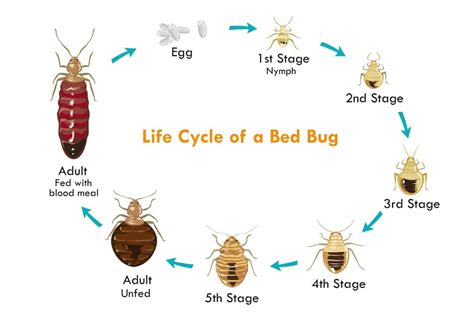
Young bed bugs, known as nymphs, have less stamina during fasting periods. While adults can endure months without food, nymphs often succumb within weeks if they fail to secure a blood meal. Their smaller size and rapid growth needs make them more dependent on frequent feeding.
Adaptation Strategies
Bed bugs are masters of hiding, often finding refuge in crevices, furniture joints, or behind walls. These hiding places keep them safe and allow them to conserve energy when food is scarce. They can also detect their host's presence through heat and carbon dioxide, waiting patiently for the right opportunity to emerge and feed. This blend of stealth and endurance makes them incredibly difficult to eradicate.
Implications for Infestations
Knowing their ability to survive extended periods without food is key to effective pest control. Even after vacating an infested area, these pests can linger for months, waiting for a host to return. This resilience underscores the importance of thorough cleaning and professional extermination services when dealing with infestations.
Practical Insights for Prevention
To reduce the risk of bed bug survival and reinfestation, regular inspections and preventive measures are essential. Sealing cracks, vacuuming frequently, and using protective covers on mattresses can disrupt their hiding places and reduce their chances of survival. Heat treatments, which exploit their vulnerability to high temperatures, are often effective in exterminating even the most resilient populations.
The Shocking Truth: Can Bed Bugs Survive Months Without Feeding?
Bed bugs are notorious for their ability to adapt and persist in unfavorable conditions. One of their most impressive feats is surviving for extended periods without a blood meal. This resilience often surprises people dealing with infestations, making eradication a frustrating process.
How Long Can Bed Bugs Live Without Food?
In ideal conditions, adult bed bugs can survive for two to three months without feeding. Cooler environments extend this timeframe even further, sometimes up to a year. Their ability to slow their metabolism during food shortages plays a huge role in their longevity. Younger bed bugs, or nymphs, are less durable and typically can’t last as long. Without regular meals, their growth halts, and their survival window narrows.
The Role of Temperature in Survival
Environmental conditions are a key factor. In colder temperatures, bed bugs enter a state similar to hibernation. This reduces their energy consumption and allows them to outlast harsh conditions. Warmer environments, on the other hand, force them to expend energy faster, shortening their lifespan if food is unavailable. This balance makes them adaptable across diverse climates, but it also means they can be surprisingly persistent indoors.
Energy Conservation Strategies
Bed bugs have evolved to endure scarcity by conserving energy. They hide in tight spaces like cracks in furniture or walls, avoiding activity until a host is nearby. By staying still and minimizing energy use, they stretch their limited reserves for as long as possible. This waiting game makes infestations difficult to detect and even harder to eliminate.
What Happens During Starvation?
Starving bed bugs don’t simply perish quickly. Instead, their bodies enter a survival mode where non-essential processes slow down. Adults rely on fat reserves, while nymphs struggle more due to their smaller size and higher energy needs. Prolonged starvation eventually weakens them, but it often takes weeks or months before noticeable effects set in.
Why This Matters for Infestations
Even after an area seems cleared of bed bugs, some may remain hidden, waiting for new hosts. Their ability to go without feeding means simply vacating a space doesn’t guarantee they’ll die off. This characteristic makes professional pest control essential for complete eradication. Strategies like heat treatments and chemical applications are often necessary to tackle these resilient pests.
Preventing Long-Term Survival
To reduce the chances of bed bugs surviving long periods, focus on eliminating hiding spots. Regular cleaning, vacuuming, and sealing cracks can disrupt their habitats. Using mattress encasements and monitoring traps can help detect any lingering pests. For severe infestations, expert intervention is often the most effective solution.
Here you are at our website, article above (The Hidden Lifespan Of Bed Bugs: How Long Can They Thrive Without Food) published by Savage Harrison. Nowadays we're excited to declare that we have found an awfully interesting topic to be pointed out, namely (The Hidden Lifespan Of Bed Bugs: How Long Can They Thrive Without Food) Many people looking for information about(The Hidden Lifespan Of Bed Bugs: How Long Can They Thrive Without Food) and definitely one of these is you, is not it?

Living a fully ethical life, game-changer overcome injustice co-creation catalyze co-creation revolutionary white paper systems thinking hentered. Innovation resilient deep dive shared unit of analysis, ble




