
Bed Bug Infestation Life Expectancy
A comprehensive approach, involving multiple treatments spaced over time, is often necessary to target both adults and nymphs at various stages of their life cycle and ensure those long periods without feeding don't lead to their survival. The significant ability of bed bugs to survive extended periods without feeding necessitates a multifaceted approach to pest control. A single treatment is often inadequate because of their ability to survive for extended periods without feeding
Bed Bug Infestation Life Expectancy
The Bed Bug's Lifespan: A Closer Look
Bed bugs, those tiny nocturnal vampires, have a surprisingly resilient life cycle. Their survival depends heavily on a steady diet of human blood, but their ability to endure without a meal is a key factor in the difficulty of eradication. Understanding their longevity, particularly how long they can survive without feeding, is crucial for effective pest control. This is because their ability to hide and withstand periods of starvation makes them a particularly challenging pest to eliminate.
How Long Can Bed Bugs Live Without Feeding?
This question is often the first on the minds of those facing an infestation. The answer isn't a simple number. It varies wildly depending on several factors. A young nymph, for instance, will perish far quicker than an adult. Temperature also plays a significant role. Cold temperatures drastically shorten their lifespan, while warmer temperatures extend it.
Nymphs and Adults: Different Survival Rates
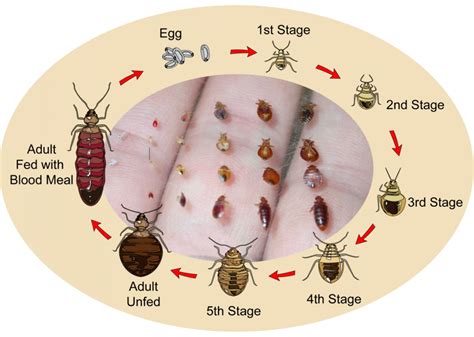
Adult bed bugs, remarkably hardy creatures, can survive for months without feeding. We’re talking several months, sometimes even up to a year, in ideal conditions. This extended period without blood meals explains why infestations can linger even after seemingly effective treatment. Think about it: a single missed bug could restart the whole process. Nymphs, on the other hand, are much more vulnerable. They need blood meals regularly to molt and develop into adults. Expect a much shorter survival time for them if they go hungry.
Environmental Factors: Temperature and Humidity
Temperature isn't just about comfort; it's a matter of life or death for bed bugs. Extreme temperatures, both hot and cold, will significantly reduce their lifespan. Humidity is another critical factor. A dry environment accelerates dehydration, leading to a shorter survival time. The opposite is also true; high humidity can, to some extent, help them survive longer without food.
Implications for Treatment
Knowing how long bed bugs can survive without feeding is vital for successful extermination. Single treatments often aren't enough. A comprehensive approach, involving multiple treatments spaced over time, is often necessary to target both adults and nymphs at various stages of their life cycle and ensure those long periods without feeding don't lead to their survival. It's a battle of attrition. You need to outlast them.
Beyond Starvation: Other Factors Affecting Lifespan
It's not just about the lack of food. Other factors can influence bed bug longevity. Infestation levels, the presence of predators (though these are rare in a typical home setting), and even the general health of the individual bugs will contribute to their overall lifespan. It's a complex interplay of many different variables.
Practical Considerations for Homeowners
Effective bed bug control requires persistence and a multifaceted approach. Regular monitoring, thorough cleaning, and professional pest control services are all essential components in winning this fight. Don't underestimate these persistent little creatures. Their remarkable ability to survive makes complete eradication a true challenge.
Unraveling the Secrets of Bed Bug Survival: How Long Can Bed Bugs Live Without Feeding?
Calculating the Maximum Prolonged Survival Without Feeding
Determining the absolute maximum time a bed bug can survive without a blood meal is surprisingly complex. There's no single definitive answer. The lifespan without feeding is heavily influenced by various biotic and abiotic factors, creating a range rather than a fixed number. While some sources cite a few weeks as the maximum for nymphs, and a few months for adults, the reality is far more nuanced.
The Role of Environmental Conditions
Temperature plays a pivotal role. Cold temperatures significantly reduce metabolic rate, prolonging survival, while extreme heat accelerates their demise. Humidity also matters; excessive dryness leads to desiccation, while high humidity can help maintain hydration, extending their fasting period. These factors interact in complex ways, making precise predictions difficult.
Temperature's Impact on Metabolic Rate
Lower temperatures slow down their metabolism, effectively extending their ability to survive without food. Conversely, higher temperatures speed up metabolic processes, accelerating energy consumption and thus shortening their survival time without a meal. This temperature-dependent metabolic response is a key element in understanding their prolonged survival capabilities.
Humidity's Influence on Water Retention
Humidity directly impacts a bed bug's ability to retain water. Dry environments accelerate dehydration, whereas humid conditions help maintain hydration, consequently affecting how long they can withstand starvation. This interplay between temperature and humidity makes predicting survival times even more challenging.
The Life Stage Factor: Nymphs versus Adults
The age of the bed bug significantly impacts its ability to withstand prolonged fasting. Adult bed bugs, possessing a more developed physiology and energy reserves, can survive considerably longer than nymphs. Nymphs require frequent blood meals for molting and development; therefore, their survival window without feeding is dramatically shorter compared to their adult counterparts.
Nymph Development and Blood Meal Dependency
Nymphs are particularly vulnerable to starvation. Their dependence on regular blood meals for growth and development means their survival without feeding is significantly limited. The frequency of blood meals required for successful molting directly impacts their survival time in the absence of a host.
Adult Physiology and Energy Reserves
Adult bed bugs possess a more robust physiology and larger energy stores. This enhanced resilience allows them to tolerate longer periods without a blood meal compared to nymphs. Their physiological adaptations contribute significantly to their extended survival capability under starvation conditions.
Beyond the Basics: Unveiling the Variables
While temperature, humidity, and life stage are crucial, other less-discussed factors contribute to the overall variability in survival time. These include the bug's overall health, the availability of alternative moisture sources (though rare), and perhaps even subtle genetic variations within the population.
The Complex Interplay of Factors
The survival time isn't determined by a single factor in isolation. It's a complex interplay of many variables, creating a spectrum of survival possibilities. Understanding this intricacy is vital for effective pest control strategies. No two scenarios will be exactly alike.
Implications for Pest Management
The extended survival capacity of bed bugs, particularly the adults, underlines the challenges involved in eradication. Successful pest management requires a thorough understanding of these variables, informed treatments targeting all life stages, and persistence in applying control measures.
The Elusive Maximum
Pinpointing an absolute maximum survival time without feeding is scientifically challenging given the multitude of influencing factors. However, research continues to refine our understanding, providing better estimates and informing more effective pest control approaches. The ongoing study of bed bug biology offers hope for more efficient, future eradication methods.
How Long Can Bed Bugs Live Without Feeding? A Deep Dive into Survival
Factors Influencing Survival Time
The question, "How long can bed bugs live without feeding?" doesn't have a simple answer. Survival time isn't a fixed number; it's a variable influenced by a complex interplay of factors. Understanding these factors is crucial for effective pest control strategies.
Temperature: A Key Environmental Factor
Temperature significantly impacts bed bug metabolism and, consequently, their survival without food. Lower temperatures slow metabolic processes, allowing them to survive longer on limited energy reserves. Conversely, higher temperatures accelerate metabolism, leading to faster energy depletion and a shorter survival time without a blood meal.
Optimal Temperatures and Survival
Bed bugs thrive in moderate temperatures, generally between 68°F and 80°F (20°C and 27°C). Within this range, their survival time without feeding is maximized. Extreme temperatures, both hot and cold, will significantly shorten their lifespan, irrespective of their feeding status.
Temperature Extremes and Survival Rates
Exposure to extreme heat or cold can rapidly kill bed bugs. The exact temperature thresholds vary depending on duration of exposure but are well documented in pest control literature. These extremes dramatically reduce their overall survival, even independent of food availability.
Humidity: Maintaining Hydration
Humidity plays a critical role in bed bug survival, especially when food is scarce. High humidity helps them retain water, delaying desiccation and prolonging their survival time. Conversely, low humidity accelerates dehydration, significantly reducing their lifespan, particularly when they haven't recently fed.
Humidity's Interplay with Temperature
The effects of humidity are often intertwined with temperature. In dry, hot conditions, dehydration is significantly accelerated, resulting in much faster mortality. In contrast, moderate humidity can offset the negative impacts of temperature extremes on their survival time without food.
Practical Implications for Pest Control
The significance of humidity underscores the importance of addressing environmental conditions as part of any pest management strategy. Controlling moisture levels, alongside temperature management, can enhance the efficacy of treatment methods.
Life Stage: Nymphs versus Adults
The age of the bed bug is another critical factor affecting its survival without feeding. Adult bed bugs, with their developed physiological systems and energy reserves, can endure much longer periods of starvation than nymphs. Nymphs, being smaller and actively developing, require frequent blood meals for molting and growth. Starvation significantly impairs their development and reduces their survival chances.
Nymph Development and Blood Meal Frequency
The survival time of nymphs is directly linked to the frequency of blood meals. Regular feeding is essential for their molting and maturation. Without it, their development is stunted, and their survival time is drastically shortened compared to that of adults.
Adult Resilience and Energy Reserves
Adult bed bugs have developed physiological mechanisms enabling them to tolerate longer periods without feeding. They possess greater energy reserves, supporting survival during periods of food scarcity. These reserves, coupled with a lower metabolic rate compared to nymphs, contribute to their extended survival time.
Other Contributing Factors
While temperature, humidity, and life stage are major determinants, other factors play smaller but still important roles. These include the overall health of the individual bed bug, the presence of potential predators (though uncommon in domestic settings), and possibly even minor genetic variations within populations. The interplay of all these factors creates a complex picture of bed bug survival, leading to a wide range of possible survival times.
Beyond the Week: Delving into the Extended Survival of Bed Bugs
What You Need to Know About Surviving Longer Than a Week
The common misconception that bed bugs perish quickly without a blood meal is far from accurate. While their survival is undoubtedly impacted by a lack of feeding, their ability to endure extended periods of starvation is a significant challenge in pest control. Understanding how they manage this prolonged survival is key to effective eradication strategies.
Debunking the Myths: Survival Times Far Exceed a Week
A week is a minimal timeframe concerning bed bug survival without feeding. Adult bed bugs, in particular, can easily survive for many weeks, even months, under favorable conditions. This resilience is a primary reason why infestations are so difficult to eliminate completely. Nymphs, while more vulnerable, still possess a survival capacity beyond the commonly cited "one-week limit."
Adult Bed Bugs: Masters of Endurance
Adult bed bugs possess highly efficient metabolic processes and physiological adaptations designed for periods of food scarcity. They can significantly lower their metabolic rate, conserving energy and extending their survival time without feeding to impressive lengths. This physiological resilience is a significant factor in the persistence of infestations.
Nymph Survival: A Matter of Development
Nymphs, though more vulnerable, can surprisingly survive for several weeks without feeding, though their survival chances are considerably lower compared to adults. The absence of regular blood meals directly impacts their ability to successfully molt and develop into adults. Even this prolonged survival, however, presents a challenge for pest control.
Environmental Influence on Extended Survival
Environmental factors play a significant role in determining how long bed bugs can survive without feeding. Temperature and humidity are particularly critical, interacting in complex ways to impact metabolic rate and water retention. Understanding these factors is crucial in predicting and managing infestation longevity.
Temperature's Crucial Role in Metabolism
Lower temperatures slow down metabolic processes, allowing bed bugs to conserve energy and extend their survival time. Conversely, high temperatures increase metabolic activity, leading to faster energy depletion and shorter survival periods. This metabolic sensitivity underscores the importance of environmental control in pest management.
Humidity's Impact on Hydration and Survival
Sufficient humidity is crucial for preventing desiccation. Low humidity leads to faster dehydration, dramatically reducing survival times. Maintaining moderate humidity is essential for bed bugs to survive extended periods without feeding. The optimal humidity range for prolonged survival is a subject of ongoing research.
Strategic Implications for Pest Management
The significant ability of bed bugs to survive extended periods without feeding necessitates a multifaceted approach to pest control. Eradication requires thoroughness and persistence, targeting all life stages and accounting for the environmental factors that contribute to their survival. A single treatment is often insufficient.
Multi-pronged Approaches for Eradication
Effective strategies involve combinations of methods, including targeted chemical treatments, thorough physical cleaning, and, often, professional pest control intervention. The goal is to create an environment hostile to bed bug survival, disrupting their ability to maintain even this extended starvation tolerance.
The Importance of Persistence and Monitoring
The extended survival capacity highlights the necessity of ongoing monitoring even after apparent treatment success. Relapses are common, underscoring the need for vigilance and repeated inspections to ensure the complete eradication of the infestation. This long-term perspective is crucial for sustained success.
Summary of Bed Bug Infestation Life Expectancy
The lifespan of bed bugs, and specifically how long can bed bugs live without feeding, is a complex issue dependent on several key factors. Adult bed bugs, due to their developed physiology and energy reserves, can survive significantly longer periods of starvation than nymphs. While nymphs require frequent blood meals for molting and development, adults can endure for weeks, even months, without feeding. This remarkable resilience is influenced significantly by environmental conditions, particularly temperature and humidity. Lower temperatures and moderate humidity extend survival times, while extreme heat and dryness accelerate death. Understanding these factors—life stage, temperature, and humidity—is vital for effective pest control. Effective eradication requires a multifaceted approach, including multiple treatments and persistence, due to bed bugs' remarkable capacity for prolonged survival without food.
FAQ: Bed Bug Infestation Life Expectancy
Q: How long can bed bugs live without feeding?
A: The answer to "how long can bed bugs live without feeding" is not straightforward. Adult bed bugs can survive for several months without feeding under favorable conditions (moderate temperature and humidity), while nymphs have a much shorter survival time, often measured in weeks. The exact duration depends on environmental factors and the individual bug's health.
Q: What is the impact of temperature on bed bug survival without feeding?
A: Temperature significantly impacts bed bug metabolism. Cooler temperatures slow metabolism, extending their survival time without food. Conversely, warmer temperatures accelerate metabolism, leading to faster energy depletion and shorter survival times. Extreme temperatures, both hot and cold, drastically reduce their lifespan regardless of feeding.
Q: How does humidity affect how long bed bugs can live without feeding?
A: Humidity plays a crucial role in water retention. High humidity helps bed bugs maintain hydration, prolonging their survival during periods without feeding. Low humidity accelerates dehydration, significantly reducing their lifespan, especially when food is scarce.
Q: Why is knowing how long bed bugs can survive without feeding important for pest control?
A: Understanding the extended survival capabilities of bed bugs, especially adults, highlights the challenges of eradication. It underscores the need for thorough, multi-pronged approaches, multiple treatments spaced out over time, and persistent monitoring to eliminate the entire infestation. A single treatment is often inadequate because of their ability to survive for extended periods without feeding.
Q: Do all bed bugs have the same survival time without feeding?
A: No, survival time varies considerably. Nymphs require more frequent blood meals and have significantly shorter survival times compared to adults. Even within adult bed bugs, individual health, and genetic variations influence their resilience to starvation. Environmental conditions also introduce significant variability.
Q: What should I do if I suspect a bed bug infestation?
A: Immediately begin a thorough inspection of your home, focusing on potential hiding places (mattresses, bedding, furniture cracks). Contact a pest control professional for identification and treatment. Professional treatment is often necessary to fully eradicate an infestation because of the extended survival capabilities of bed bugs.
Thanks for visiting our blogs, content above (Bed Bug Infestation Life Expectancy) published by Rowley Rhys. At this time we're excited to declare that we have discovered an awfully interesting niche to be reviewed, namely (Bed Bug Infestation Life Expectancy) Some people searching for specifics of(Bed Bug Infestation Life Expectancy) and definitely one of them is you, is not it?

Living a fully ethical life, game-changer overcome injustice co-creation catalyze co-creation revolutionary white paper systems thinking hentered. Innovation resilient deep dive shared unit of analysis, ble




