
How Fast Do Bed Bugs Spread? Understanding The Speed And Prevention Tactics
Their ability to quickly multiply and spread is the real threat. Maintaining a clean and clutter-free environment minimizes hiding places for bed bugs, limiting their ability to reproduce and spread. While individual bed bugs aren't lightning-fast, their combined reproductive capacity and ability to hitchhike lead to rapid infestation growth, especially in favorable conditions
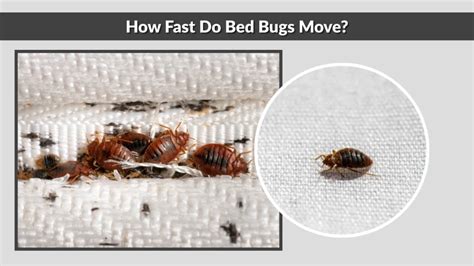
How Fast Do Bed Bugs Spread? Understanding the Speed and Prevention Tactics
Bed bugs, tiny but persistent pests, can quickly infest homes and apartments. Their rapid spread is a concern for many. Comprehending how quickly they multiply and move is crucial for effective prevention. Understanding their habits is the first step in controlling the issue.
A Tiny Terror: Unveiling the Speed of Bed Bugs
Bed bugs aren't exactly lightning-fast runners. They move slowly, more like crawling than sprinting. But that slowness is deceptive. Their ability to quickly multiply and spread is the real threat. A single female bed bug can lay dozens of eggs in a short period. Imagine the potential if left unchecked.
Factors Influencing Bed Bug Spread
Several factors contribute to how quickly these critters spread. A prime one is access to food and a hospitable environment. A home in disrepair, with clutter, or poorly sealed areas provides ample hiding spots. A nearby infested home or business is another critical factor in spread. And let's not forget their tenacity – they can hitchhike on clothing, luggage, or furniture. The more they're transported, the more opportunities for spread.
The Multiplication Myth
While bed bugs crawl, their reproduction is a significant factor in infestation growth. Eggs hatch into nymphs, which rapidly mature into adults, ready to reproduce themselves. This cycle can happen remarkably fast if conditions are right. Their prolific breeding habits mean that an infestation can grow exponentially.
Preventing a Bed Bug Invasion
Prevention is far better than any cure. Maintaining a clean environment helps prevent infestations. Inspect luggage and furniture before bringing them into the home. Regular vacuuming and cleaning will eliminate hiding places. Inspect mattresses and box springs regularly. Treating any signs of infestation immediately is key for stopping the spread.
Professional Assistance
If you suspect a bed bug infestation, seeking professional help is advisable. Experts can accurately diagnose the problem and recommend suitable treatments. Their experience and specialized tools are crucial for efficient removal.
Staying Vigilant
Vigilance is paramount. Maintaining a clean environment and regularly inspecting potential entry points can help prevent unwelcome guests from settling in. Early detection is key in controlling the spread. Don't underestimate the power of prevention.
Factors That Influence Bed Bug Spread Rates
Understanding how quickly bed bugs spread is crucial for effective control and prevention. Their ability to multiply and colonize rapidly poses a significant threat to homes and businesses. This article delves into the key factors driving bed bug proliferation.
Understanding the Basics of Bed Bug Biology
Before examining the spread factors, it's essential to grasp the fundamental biology of bed bugs. These insects are nocturnal feeders, drawn to warmth and human-provided sources of heat, like beds and couches. Female bed bugs can lay hundreds of eggs over their lifespan, each egg developing into a nymph that will eventually mature into an adult. This rapid reproductive cycle significantly influences how quickly an infestation expands.
Factors Influencing Spread Rates
A confluence of factors contributes to the rate at which bed bugs spread throughout a home or environment.
Environmental Conditions
Favorable environmental conditions, such as warmth and humidity, significantly accelerate the bed bug life cycle. These conditions allow for faster egg development, nymph molting, and adult reproduction. This explains why infestations tend to flourish in warm climates and during warmer months. Clutter provides excellent hiding spots, making it easier for bed bugs to move and reproduce undisturbed.
Access to Food Sources
Proximity to human or animal hosts is a critical aspect of bed bug spread. These insects rely on blood meals for survival, and easy access to a host allows the infestation to grow quickly.
Human Activities
People inadvertently transport bed bugs through their activities. Contaminated luggage, furniture, or clothing can carry bed bugs to new locations, facilitating rapid spread between homes, hotels, and other environments. The more movement of items between properties, the higher the spread.
Infestation Size
An initial small infestation can quickly escalate if left unchecked. The sheer number of adults and nymphs rapidly contributes to an exponential increase in egg laying, producing a sizable colony in a short period. A larger infestation means more opportunities for reproduction and spread.
Treatment Approaches and Efficacy
The effectiveness of treatment strategies directly impacts the speed of bed bug eradication. Inadequate or improperly executed treatments can prolong the infestation and allow the bed bugs to spread further.
Prevention Strategies
Understanding the spread factors is the first step in implementing robust prevention strategies.
Regular Inspections
Regularly checking for signs of bed bugs can help to catch an infestation early, before it has a chance to spread.
Maintaining Cleanliness
Maintaining a clean and clutter-free environment minimizes hiding places for bed bugs, limiting their ability to reproduce and spread.
Professional Pest Control
Professional pest control services are essential for effectively controlling and eradicating bed bug infestations. Their expertise and specialized tools ensure a more thorough treatment and reduce the risk of spread.
How Bed Bugs Travel and Infest New Areas
Understanding how bed bugs travel and infest new areas is critical to preventing and controlling these persistent pests. Their ability to spread rapidly makes them a significant concern for homeowners and businesses alike. This article explores the various methods bed bugs use to colonize new spaces.
The Mechanics of Bed Bug Movement
Bed bugs, despite their small size, are capable of traversing significant distances to find new hosts and environments. Their movement is not a rapid, high-speed sprint; rather, it's a slow, deliberate crawl. This doesn't diminish their ability to spread rapidly. The key is their ability to hitch a ride, and to reproduce quickly in new locations.
Hitchhiking on Human Activities
People unknowingly transport bed bugs on their clothing, luggage, furniture, and other belongings. This is perhaps the most common mode of spread, often moving between homes, apartments, hotels, or workplaces. They're adept at finding the smallest gaps or crevices to avoid detection.
Travel Through Shared Spaces
Shared spaces, such as apartments, offices, and even public transportation, serve as conduits for bed bug infestations to spread. Bed bugs can easily transfer from one living space to another through shared walls, furniture, or common areas.
Factors Influencing the Spread Rate
Several factors influence how quickly bed bugs spread in a new environment.
Environmental Conditions
Warm, humid conditions are ideal for bed bug survival and reproduction. These conditions enable faster development and growth, meaning more potential for spread. This further emphasizes the importance of prompt intervention in suspected infestations.
Infestation Size
The size of the initial infestation plays a crucial role in determining the rate of spread. A large infestation provides ample resources for reproduction and expansion, thus, spreading much faster than a smaller infestation.
Presence of Hiding Spots
Clutter, furniture, and crevices provide excellent hiding places for bed bugs, making it easier for them to evade detection and spread to other areas.
Treatment Ineffectiveness
Inadequate treatment methods or inattentiveness to treatment results in delayed control of bed bugs. This directly contributes to allowing the infestation to spread and flourish.
How Fast Do Bed Bugs Spread?
The speed of bed bug spread varies depending on the factors mentioned above. While individual bed bugs aren't lightning-fast, their combined reproductive capacity and ability to hitchhike lead to rapid infestation growth, especially in favorable conditions. This is not only frustrating, but also presents a significant challenge in control.
From Initial Discovery to Full-Blown Infestation
While the precise speed varies, bed bug infestations can grow from an initial discovery to a full-blown problem in a surprisingly short amount of time. Understanding the factors at play is key in controlling the infestation before it becomes widespread.
Common Signs of a Rapid Bed Bug Infestation
Recognizing the early signs of a rapidly spreading bed bug infestation is crucial for effective control. Prompt action is key to minimizing the damage and preventing further spread. Knowing what to look for can save you time and potential problems.
Early Indicators of a Growing Problem
Identifying the initial signs of a bed bug infestation is essential for acting quickly. Don't dismiss these seemingly minor clues as just being dust or debris.
Seeing the Bugs Directly
Direct observation is the most obvious sign. Spotting bed bugs themselves, especially in clusters, is a strong indication of a growing problem. Look closely in areas where they are known to hide.
Finding Their Eggs
Bed bug eggs are tiny, oval-shaped, and often found in clusters. Finding these in crevices and along seams signals a growing infestation.
The Telltale Signs of Bites
Bed bug bites often appear as itchy welts or reddish marks, especially on exposed skin like the arms, legs, and neck. An unusual rash or bites in a particular pattern might signal a rapid infestation. Pay attention to their distribution.
Spotting Signs of Rapid Spread
Certain signs can indicate a rapid infestation.
Abundance of Excrement
Finding dark, reddish-brown spots or stains on mattresses, box springs, or furniture signifies a high bed bug population and fast spread. A significant amount of this debris can signal a serious issue needing rapid intervention.
Visible Fecal Trails
These trails are often aligned along the edges of furniture and within cracks or crevices. Their concentration might show a rapid increase in bed bug activity. Look for them in and around areas where bed bugs hide.
Discerning Evidence of a Large Colony
Finding significant amounts of shed skins, which are small and light brown, or a large number of live or dead bed bugs might point towards a large and rapidly growing colony, demanding immediate action.
Understanding the Context of Rapid Infestations
The severity and speed of a bed bug infestation often depend on environmental factors.
Identifying the Environment
Warmer climates and higher humidity often contribute to faster bed bug reproduction and spread. Identifying these environmental factors can further highlight the need for prompt actions. Warm, humid environments will likely have quicker bed bug growth and expansion.
The Role of Clutter
Clutter provides excellent hiding places for bed bugs, allowing them to proliferate rapidly. Removing clutter helps to expose areas where bed bugs are likely hiding. It can therefore help to control the spread.
Summary of "How Fast Do Bed Bugs Spread? Understanding the Speed and Prevention Tactics"
This article explores the factors influencing the speed at which bed bugs spread, highlighting their reproductive capacity and ability to hitchhike on human activities. It emphasizes the importance of early detection and proactive prevention strategies to control infestations. The article details common signs of a growing infestation, including visible bugs, eggs, bites, and droppings, and underscores the role of environmental factors like warmth and humidity in accelerating the spread. Practical advice on prevention, such as maintaining cleanliness and seeking professional help, is also provided. Understanding how fast bed bugs spread is critical for effective control.
FAQ: How Fast Do Bed Bugs Spread?
Here are some frequently asked questions about bed bug spread, along with their answers:
Q: How quickly do bed bugs multiply?
A: Bed bugs reproduce rapidly. A single female bed bug can lay dozens of eggs, and the eggs hatch into nymphs that mature into adults quickly. If conditions are ideal, this rapid life cycle can lead to an exponential increase in the bed bug population in a short period. This explains how fast bed bugs spread.
Q: How do bed bugs travel to new areas?
A: Bed bugs are adept at hitching rides on clothing, luggage, furniture, and even bedding. They can also spread through shared spaces like apartments, offices, and public transportation. This makes them highly mobile pests.
Q: What environmental factors influence the speed of bed bug spread?
A: Warmth and humidity are ideal conditions for bed bug survival and reproduction. These conditions accelerate their life cycle, making the spread faster. Clutter provides excellent hiding places, further aiding the spread.
Q: What are some early signs of a rapid bed bug infestation?
A: Early signs include seeing the bed bugs directly, finding their eggs in clusters, noticing unusual bites or welts, or finding dark, reddish-brown spots (droppings) on mattresses, furniture, or along seams. A significant number of these signs indicates rapid spread.
Q: How can I prevent a bed bug infestation from spreading?
A: Maintaining a clean environment, regularly inspecting luggage and furniture for bed bugs before bringing them into your home, and promptly treating any signs of infestation are crucial. Professional pest control can also assist in controlling and preventing further spread.
Q: How fast do bed bugs spread in a typical environment?
A: The speed of bed bug spread varies, depending on factors like the initial infestation size, environmental conditions, and the effectiveness of any preventative or control measures. However, in ideal conditions, bed bug populations can increase rapidly, leading to widespread infestations in a relatively short time.
Q: Should I be worried if I find a few bed bugs?
A: Finding a few bed bugs might not necessarily indicate a major infestation, but it's crucial to take it seriously and address it immediately. A few bed bugs can quickly multiply and lead to a larger infestation. Early detection and prompt action are key to controlling the spread.
Here you are at our site, content above (How Fast Do Bed Bugs Spread? Understanding The Speed And Prevention Tactics) published by Armstrong Kyle. At this time we are delighted to announce we have discovered an incredibly interesting niche to be pointed out, that is (How Fast Do Bed Bugs Spread? Understanding The Speed And Prevention Tactics) Most people trying to find details about(How Fast Do Bed Bugs Spread? Understanding The Speed And Prevention Tactics) and certainly one of these is you, is not it?

Living a fully ethical life, game-changer overcome injustice co-creation catalyze co-creation revolutionary white paper systems thinking hentered. Innovation resilient deep dive shared unit of analysis, ble




