
How Does One Get Bed Bugs
How Does One Get Bed Bugs
Hitchhiking Pests
Bed bugs are masters of travel, and they don't need a plane ticket. They're tiny, flat, and quite skilled at squeezing into very small crevices. Think of your luggage, purses, or even the folds of clothing as potential five-star hotels, offering them a ride to your place.
The Usual Suspects: Travel
Hotels, motels, and hostels are notorious for harboring these tiny tenants. They move from room to room, often unseen. Simply placing your suitcase on the floor or bed in an infested room could be enough for them to hitch a ride. Public transportation, too, can be a source. Think of buses, trains, and even taxis as mobile bed bug carriers. Movie theaters, libraries, and even some stores see their fair share of these unwelcome guests.
Secondhand Finds
That cool vintage couch you found at the flea market? It could come with more than just a good story. Secondhand furniture, especially upholstered items, can be a haven for bed bugs. They like to hide in seams, tufts, and any cracks they can find. So be cautious before hauling that used find home.
Bringing Them Home
Beyond travel and furniture, visiting infested homes or apartments can easily spread these bugs. They crawl on clothing and belongings you carry, allowing them to tag along.
Apartment Complex Woes
Shared walls and common areas in apartment buildings can be particularly prone to infestations. These pests can navigate through cracks and crevices in the walls, traveling from one apartment to another with relative ease. It's not always a problem you brought on yourself.
Other Factors
Sometimes, it's just random. You can pick up bed bugs from simply sitting in an infested chair at a waiting room, or from having a bag next to an infested item. These guys don't care how you get them; they just want to be where the food is.
Identifying the Issue
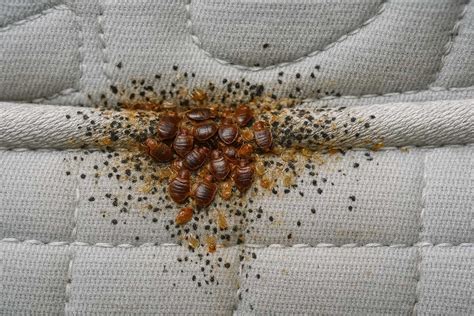
It's not always easy to know right away that you've got bed bugs. You probably won't see them crawling around during the day; they prefer the dark. Check for small reddish-brown spots on your sheets – that could be evidence of their presence. Look along the seams of your mattress, headboard, and even the edge of your carpet. Bites on your skin that look like small red welts that appear in a line or cluster? That can be another sign. Sometimes, a sweet, musty odor can be an indication of a serious infestation, too.
How Does One Get Bed Bugs: Understanding the Spread
Hitchhiking Pests
Bed bugs are notorious hitchhikers. They don't jump or fly; instead, they travel by clinging to items. This is the most common way they spread and how one gets bed bugs. Luggage, backpacks, purses, clothing, and even used furniture can unknowingly transport these pests from one location to another. When you visit a hotel, a friend's house, or even a movie theater, bed bugs can easily crawl onto your belongings and accompany you home.
Infested Environments
Certain places are more prone to bed bug infestations, making them higher risk locations for encountering these pests. Hotels and motels, especially those with high turnover rates, are common breeding grounds. Apartments, dormitories, and assisted living facilities also see frequent infestations because of shared walls and higher densities of people. Public transportation, libraries, and office buildings can occasionally harbor bed bugs as well, making them places where one can inadvertently pick them up.
Introducing Infested Items
Bringing infested items into your home is another key route. Used furniture, particularly upholstered pieces like couches and mattresses, can contain hidden bed bugs or their eggs. Second-hand clothing or even books purchased from a thrift store can also introduce them. Be extremely cautious with items from unknown sources. It's best to inspect and, if possible, treat used items thoroughly before bringing them inside your living space.
Proximity to Infested Areas
If your living space is adjacent to an area with a bed bug infestation, they can spread to your home. This can happen through cracks in walls, electrical outlets, or plumbing penetrations. Bed bugs will seek out new harborage when populations grow, leading to them traveling between apartments or even across the hall to new spaces. This proximity significantly increases the chances of infestation and demonstrates another pathway for how one gets bed bugs.
Misconceptions About Cleanliness
It’s essential to understand that bed bug infestations are not caused by a lack of cleanliness. While clutter can provide more hiding places, bed bugs are not attracted to dirt or grime. They are drawn to warmth, carbon dioxide, and the scent of human blood, so even the cleanest homes can become infested. This means that anyone can experience a bed bug problem regardless of how tidy they are, further clarifying how one gets bed bugs.
How Does One Get Bed Bugs?
Common Places to Find Bed Bugs
-
Used Furniture: Secondhand furniture is a notorious source. Bed bugs can hitchhike in mattresses, box springs, dressers, and other items. Thoroughly inspect any used furniture before bringing it home.
-
Hotels and Other Accommodations: While less common now with more awareness, bed bugs can still be found in hotels, motels, and other temporary lodging. Inspect the mattress, bed frame, and seams of the bed.
-
Clothing and Luggage: Bed bugs can be transported on clothing, especially if it was stored or transported in areas with bed bug infestations. Check clothing, especially items brought back from hotels or travel, thoroughly. Luggage can also harbor them.
-
Shared Spaces: Apartment buildings, dorms, and other shared spaces can experience bed bug infestations. Close contact with infected items or areas increases the risk. Inspect your surroundings for signs of infestation.
-
Pet Bedding: If your pet spends time in areas with bed bugs, they can carry them home on their fur. Regularly check your pet's bedding for signs of bed bugs.
-
Rugs and Carpeting: While less common, bed bugs can be found in carpeting and rugs. They hide in fibers and seams.
-
Moving Boxes: Moving can spread bed bugs to new locations. Moving boxes from infected spaces may have pests. Inspecting boxes and materials is essential.
-
Public Transportation: While unlikely, public transportation can carry bed bugs if a heavily infested item is on board. Thorough checking of your personal items and bags is recommended.
Prevention Tips
-
Regular Inspection: Check your furniture and belongings frequently for signs of bed bugs.
-
Hygiene: Maintain a clean living environment.
-
Proper Storage: Store clothing and luggage properly, away from infested areas.
-
Awareness: Be aware of your surroundings when traveling.
How They Travel: Hitchhiking on Your Belongings
Luggage and Bags: The Silent Carriers
Bed bugs are masters of disguise, easily stowing away in the seams and zippers of luggage, backpacks, and even purses. A single pregnant female, unnoticed amongst your belongings, can start a full-blown infestation in your home. Thorough inspection before and after trips is crucial. Even seemingly clean bags can harbor these tiny pests.
Used Furniture and Secondhand Goods: Hidden Threats
Purchasing used furniture or secondhand goods, especially mattresses, sofas, and chairs, presents a significant risk. Bed bugs can easily infest these items and remain undetected until they've established a colony in your home. Careful inspection and professional treatment of secondhand items are highly recommended.
Clothing and Personal Items: Unlikely Vectors
While less common, bed bugs can also hide within clothing, particularly folded items or those stored in drawers. Infested items from hotels, hostels, or other potentially infested locations can inadvertently transport these pests back to your home. Laundering all clothing after a trip, especially items that were in direct contact with bedding, is a prudent measure.
How They Travel: Public Transportation and Shared Spaces
Hotels and Hostels: High-Risk Environments
Hotels and hostels, with their high turnover of guests, are notorious breeding grounds for bed bugs. Careful inspection of the bed, mattress, and surrounding areas is essential. Reporting any signs of infestation to hotel staff is crucial for preventing further spread.
Public Transportation: Accidental Encounters
While less likely than luggage or furniture, public transportation, such as buses, trains, and airplanes, can facilitate the spread of bed bugs. These tiny creatures can easily hitch a ride on clothing or personal items.
Shared Spaces: Offices and Libraries:
Though less common, shared spaces such as office buildings or libraries can also facilitate bed bug transmission. Infested furniture or individuals carrying bed bugs on clothing can unknowingly introduce the pests into a new environment.
How They Travel: Proximity and Infestation Spread
Neighboring Apartments and Buildings: Unintentional Proximity
Bed bugs can spread between adjacent apartments or units within a building. They can travel through cracks in walls, electrical outlets, and shared pipes. Building management should be informed of any suspected infestations for effective pest control.
Infested Homes: Close Contact Exposure
Visiting a home or building with an existing bed bug infestation increases your risk of inadvertently transporting the pests back to your own home. Maintaining vigilance and taking precautionary measures during and after such visits is vital.
Here you are at our website, article above (How Does One Get Bed Bugs) published by Bibi David. Hodiernal we are delighted to declare we have discovered a very interesting niche to be discussed, namely (How Does One Get Bed Bugs) Many people trying to find information about(How Does One Get Bed Bugs) and definitely one of these is you, is not it?

Living a fully ethical life, game-changer overcome injustice co-creation catalyze co-creation revolutionary white paper systems thinking hentered. Innovation resilient deep dive shared unit of analysis, ble




