
Understanding Bed Bugs: A Visual Guide To Their Appearance
Bed bugs are small, oval-shaped insects, and they can be light reddish-brown to almost black. Their flattened bodies help them hide in tight spaces, and they have six legs. Understanding where bed bugs hide is just as important as knowing what they look like
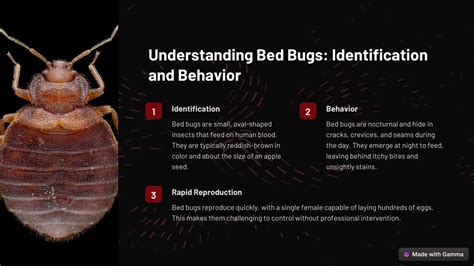
Understanding Bed Bugs: A Visual Guide to Their Appearance
Bed bugs, tiny bloodsuckers that can infest homes and cause discomfort, are often a mystery. Knowing how they look is the first step to getting rid of them. Their appearance can vary slightly depending on their life cycle stage. This guide will help you to identify the telltale signs of bed bugs.
Identifying Bed Bugs
Bed bugs, though small, leave clues that can help you spot them. Notice the tiny bites, they may look like a line of itchy bumps. The creatures themselves are relatively flat, oval-shaped insects, easily overlooked.
Stages of Development
It's important to know bed bugs change as they grow. Understanding these stages helps you identify them.
Eggs
Bed bug eggs are extremely tiny, almost translucent, and oval. You may find them grouped together. They're often difficult to spot, but the clusters are usually a hint. Imagine little grains of rice stuck to surfaces.
Nymphs
Nymphs are young bed bugs. They are small and look similar to adults, but they are much paler in color. Think pale tan or beige, or even a light brown. They're often described as being nearly translucent; a delicate shade of off-white. Notice their tiny, segmented bodies. They are almost always near a food source. Look for them in crevices, corners, and along seams.
Adults
Adult bed bugs are a bit bigger than the nymphs. They're reddish-brown, and oval-shaped, and their bodies are hardened. They are typically found close to feeding sites. Think of their size as being about the size of an apple seed.
Key Characteristics
A few characteristics help differentiate bed bugs from other insects. Their flattened bodies make them expert hiders. Their oval shape is another important detail. Look for tiny, reddish-brown or dark brown bodies. They have six legs and are typically found near areas where people sleep. Think about where you sleep, and where your mattresses and bedding touch the frame or the wall.
How does bed bug look?
Bed bugs are small, oval-shaped insects, and they can be light reddish-brown to almost black. Their flattened bodies help them hide in tight spaces, and they have six legs. A key characteristic is their ability to lie flat.
Where to Look
Knowing where bed bugs hide is crucial. Common hiding spots include:
- Mattresses and box springs
- Headboards and bed frames
- Crevices in walls
- Pillows and bedding
- Draperies and curtains
- Along the seams of furniture
- Electrical outlets
- Tapestry and upholstery
Inspecting these areas regularly will help detect infestations early on.
Spotting Bed Bugs: Key Characteristics to Look For
Understanding how bed bugs look is crucial for early detection and effective treatment. Early intervention is key in managing an infestation. This guide highlights the essential characteristics for identifying these tiny pests.
Identifying Bed Bugs: A Visual Guide
Identifying bed bugs requires careful observation and a keen eye for detail. They're not always easy to spot, which is why understanding their key characteristics is important.
Size and Shape
Bed bugs are small, typically about the size of an apple seed. Their bodies are oval-shaped and flattened, allowing them to hide in tight spaces. This flattened body shape is a key characteristic for identification.
Color Variations
Bed bug coloration can vary slightly depending on their developmental stage and feeding habits. Nymphs (young bed bugs) are often light-colored, ranging from light brown to pale yellow, almost translucent. Adults are typically reddish-brown to dark brown.
Distinguishing Features
Beyond size and shape, other features aid in identification:
Legs
Bed bugs have six legs, which help them move and cling to surfaces.
Bodies
Their bodies are segmented and hard.
How Does Bed Bugs Look?
The visual characteristics of bed bugs are key in identifying them. Their size, shape, color, and presence in specific locations can all indicate an infestation. Remember, bed bugs are small; thorough inspection is essential. Look closely for these characteristics in potential hiding spots.
Hiding Habits
Understanding where bed bugs hide is just as important as knowing what they look like.
Common Hiding Spots
Bed bugs favor locations near their food source (humans). These include:
- Mattresses and box springs
- Headboards and bed frames
- Cracks and crevices in walls
- Pillows and bedding
- Furniture seams and tufts
- Electrical outlets
- Draperies and curtains
By carefully inspecting these areas, you can increase the chances of early detection.
The Life Cycle of Bed Bugs: From Eggs to Adults
Understanding the various stages of a bed bug's life cycle is crucial for effective pest control. Early detection relies heavily on recognizing how bed bugs look at different points in their development.
Egg Stage: The Tiny Beginnings
Bed bug eggs are minuscule, typically oval-shaped, and a light, translucent beige or white color. They are often laid in clusters, making them easier to spot if you know what to look for. These clusters are commonly found in tight spaces like seams and crevices.
How Does Bed Bugs Look in Egg Stage
The tiny size and translucent nature of bed bug eggs can make them difficult to see. Look for clusters of eggs, or eggs adhered closely to surfaces.
Nymph Stage: The Growing Stage
Nymphs are the immature forms of bed bugs. They resemble tiny, light-colored versions of adults. Initially, they may be pale yellow or light brown, and progressively darken as they grow. Nymphs molt several times as they mature. Their small size and pale coloration can lead to overlooking them during early detection.
How Does Bed Bugs Look in Nymph Stage
Nymphs look like tiny versions of adult bed bugs, usually a pale yellowish-tan to light brown. Their bodies are soft and still growing. Look closely for small oval-shaped insects, especially in the hiding places mentioned earlier.
Adult Stage: The Mature Stage
Adult bed bugs are larger and have a more visible reddish-brown or dark brown color. Their bodies are more hardened compared to the nymphs. They have a flattened, oval shape, making them adept at hiding in tight spaces.
How Does Bed Bugs Look in Adult Stage
Adult bed bugs are larger and darker, usually a reddish-brown to dark brown. Their bodies are slightly harder than those of nymphs, and they retain the oval shape, useful for hiding. Look for these insects in the same places you'd find nymphs.
Key Characteristics
Regardless of the stage, bed bugs share some key visual characteristics. They are small, oval-shaped, and flat. They typically feed on human blood. Paying attention to these characteristics helps determine if you have an infestation.
Common Misconceptions: What Bed Bugs Are Not
Many misconceptions surround bed bugs, leading to delayed detection and ineffective treatment. Understanding what bed bugs are not is just as important as knowing what they are.
Debunking the Myths
Mistaking other insects or small pests for bed bugs is common. Careful observation is crucial in accurate identification.
What Bed Bugs Aren't:
Not Fleas
Fleas are small, wingless insects that feed on blood. While both feed on blood, fleas are typically found on animals. Fleas jump; bed bugs crawl.
Not Ants
Ants are social insects with distinct body segments and behaviors. Bed bugs have a different physical structure and lifestyle. An infestation of ants might have a different scent and an entirely different method of control.
Not Dust Mites
Dust mites are microscopic creatures found in dust and fabrics. Their existence, although prevalent, isn't correlated to the presence of bed bugs.
Not Spider Bites
Spider bites can result in localized reactions, but bites from spiders are typically not aligned with the signs of an infestation. Bed bug bites will often manifest in a linear pattern.
Not Other Insects
Bed bugs have unique physical characteristics. Carefully observing the insects you find is key to identification.
How Does Bed Bugs Look?
Focusing on the visual characteristics of bed bugs helps in identifying an infestation.
Visual Identification
Bed bugs are small, oval-shaped insects. They are typically reddish-brown to dark brown in color, and their flattened bodies allow them to hide in tight spaces. Paying attention to size and shape, as well as location, is key in early detection.
Differentiating Bed Bugs
Bed bugs are distinguishable from other insects based on size, shape, and the presence of specific characteristics mentioned in this article.
Importance of Accurate Identification
Recognizing what bed bugs are not will lead to more effective strategies when addressing suspected infestations. Correct identification is the first step to choosing the right treatment methods.
Summary of "Understanding Bed Bugs: A Visual Guide to Their Appearance"
This article provides a comprehensive visual guide to identifying bed bugs. It details the various stages of a bed bug's life cycle, from eggs to adults, highlighting key characteristics at each stage. The article emphasizes the importance of accurate identification, differentiating bed bugs from other insects and pests. It explores common hiding places for bed bugs, emphasizing the importance of thorough inspections. Crucially, the article focuses on "how does bed bugs look" across different life stages, providing a visual understanding of their appearance. By understanding the visual cues, readers can effectively spot these pests and take necessary steps toward early detection and treatment.
FAQ: Understanding Bed Bugs
Q: What does a bed bug look like?
A: Bed bugs are small, oval-shaped insects, typically reddish-brown to dark brown. Their flattened bodies make them excellent hiders. They are about the size of an apple seed, but their appearance can vary slightly depending on their life cycle stage. Nymphs (young bed bugs) are often lighter in color than adults, appearing almost translucent.
Q: How can I tell bed bugs apart from other insects?
A: Bed bugs have a distinct oval shape and flattened body. They don't fly or jump like some other insects. They crawl and hide in tight spaces. Comparing suspected insects to images or descriptions of bed bugs can aid in proper identification. Be sure to examine the size, shape, and color of the insect in question.
Q: Where do bed bugs hide?
A: Bed bugs favor areas near their food source (humans). Common hiding spots include mattresses and box springs, bed frames, headboards, and crevices in walls. They also hide in furniture seams, electrical outlets, and even in curtains and drapes. Thorough inspection of these areas is key to identifying an infestation.
Q: What are the different stages of a bed bug's life cycle?
A: Bed bugs have three main life stages: eggs, nymphs, and adults. Eggs are tiny, oval-shaped, and usually laid in clusters. Nymphs are immature bed bugs that look like small, light-colored versions of adults. Adults are larger, with a hardened, reddish-brown to dark brown body.
Q: How does the appearance of bed bugs differ across these life stages?
A: The primary difference lies in size and color. Eggs are almost translucent, nymphs are light-colored, and adults are darker. The oval shape and flattened body are consistent throughout their life cycle. Knowing how each stage appears is key to recognizing and eliminating an infestation in its early stages.
Q: How does how bed bugs look differ from other insects like fleas or dust mites?
A: Fleas are typically larger than bed bugs, often found on pets, and can jump. Dust mites are microscopic, far smaller than bed bugs, and not visible to the naked eye. Bed bugs have a distinct shape and size.
Q: Is there a way to quickly identify a bed bug infestation?
A: Regularly checking potential hiding spots (like mattresses, bed frames, and seams of furniture) is a crucial step in early detection. Look for tiny reddish-brown insects, or signs of their presence (e.g., fecal spots, shed skins). Early detection is key to effective treatment.
Thanks for visiting our website, article above (Understanding Bed Bugs: A Visual Guide To Their Appearance) published by Cox Scott. Nowadays we are delighted to announce we have found a very interesting niche to be discussed, namely (Understanding Bed Bugs: A Visual Guide To Their Appearance) Lots of people looking for info about(Understanding Bed Bugs: A Visual Guide To Their Appearance) and of course one of them is you, is not it?

Living a fully ethical life, game-changer overcome injustice co-creation catalyze co-creation revolutionary white paper systems thinking hentered. Innovation resilient deep dive shared unit of analysis, ble




