
Exploring The Size Of Bed Bugs: How Big Can They Get?
As bed bugs grow, they must molt to accommodate their increasing size. Adult bed bugs are also more noticeable than nymphs due to their larger size and darker coloring. Nymphs, in particular, are so small that they are nearly invisible, and even adult bed bugs can easily blend into cracks in furniture, mattresses, and walls
Understanding Bed Bug Size
When you think about bed bugs, it's natural to wonder just how big these pesky critters can grow. The size of bed bugs has an impact on how they hide, feed, and even how easy they are to spot. The range of their size can vary depending on factors like their age, diet, and species. Most of the time, people don't realize that they might be dealing with bugs that are far smaller than they expect.
How Big Can Bed Bugs Get?
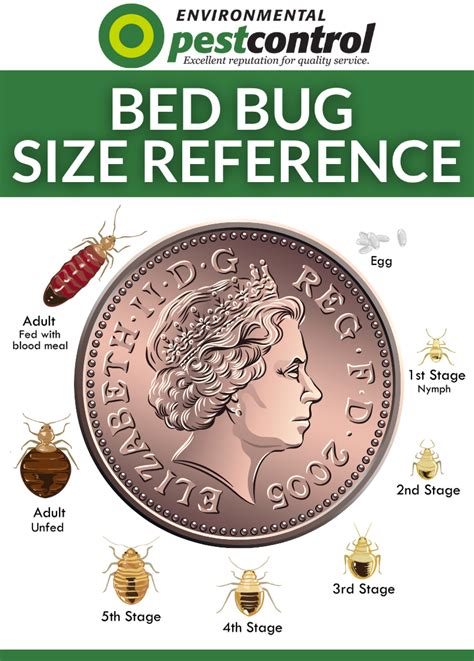
Generally, adult bed bugs fall between 4 to 5 millimeters in length. At this size, they can easily go unnoticed, especially in places where they hide. This size might seem small, but when you consider the fact that they often live in the crevices of beds or furniture, it becomes easier to see how tricky they can be to catch.
Bed bugs that have just fed on a blood meal can grow slightly bigger. After feeding, they often swell and become more elongated. This is why a well-fed bed bug might appear larger than one that's hungry. Their bodies stretch, which helps them store the blood they need to survive.
Are All Bed Bugs the Same Size?
The size of a bed bug can depend on its life stage. Nymphs, or baby bed bugs, are significantly smaller than adults. These young bugs start out as tiny, almost invisible creatures that are hard to spot even if you're looking for them. As they mature and go through various molts, they grow bigger. Once they reach adulthood, they become easier to identify, although still quite small.
Bed bug species can also play a role in their size. While most of the common types you'll encounter are fairly small, some species might be a little larger. The Cimex lectularius, for example, is the most common bed bug in the U.S., typically reaching around the 5mm mark when fully grown.
Size and Detection Challenges
When you're trying to detect bed bugs, their small size can make the job difficult. Since adult bed bugs are about the size of an apple seed, they're tough to spot unless you know exactly where to look. Their ability to hide in tiny crevices adds to the challenge. Even though they don't get extremely large, their ability to fit into spaces that are hard to access can make them seem even smaller.
If you're trying to spot these pests in your home, remember that they're most often found in places where they can stay hidden during the day. That might mean inside the seams of your mattress or behind furniture. Their small size lets them slip into places that would be tough for larger insects to access.
How Size Affects Bed Bug Behavior
Bed bugs' size influences more than just how difficult they are to spot. It also affects their behavior. Smaller bed bugs can squeeze into narrow spaces where other pests would struggle. This adaptability means they can hide in places you wouldn't expect and travel across different surfaces unnoticed.
The small size of these bugs also makes them hard to control once they're established in an area. Even if you think you've eradicated the larger adults, nymphs and eggs can still be hiding in spots you missed. Understanding the typical size of bed bugs is key to preventing an infestation from growing larger.
The Life Cycle of Bed Bugs and Their Growth Stages
Understanding the life cycle of bed bugs is crucial to managing infestations and preventing their spread. Bed bugs go through distinct growth stages, each of which contributes to their ability to thrive and reproduce in various environments. These stages are shaped by environmental conditions, availability of food, and their natural resilience.
From Egg to Nymph: The First Stages of Growth
A bed bug's life begins when it hatches from an egg. These eggs are tiny, measuring just about 1mm in size, and are typically laid in hidden areas near their hosts. A single female can lay up to 5 eggs a day, and in just a few days, these eggs will hatch. Once hatched, the baby bed bugs are called nymphs. Nymphs are smaller than adults and are usually translucent or light yellow in color. At this stage, they are not yet capable of reproducing.
After hatching, the nymphs immediately start looking for a blood meal. They need to feed on blood to grow and advance through the next stages of their life cycle. A nymph will molt, or shed its exoskeleton, five times before reaching adulthood. Each time they molt, they become slightly larger, moving from the size of a speck to something closer to the size of an adult bed bug.
The Molting Process: How Bed Bugs Grow
As bed bugs grow, they must molt to accommodate their increasing size. The molting process is crucial for bed bugs to move from one life stage to the next. The molting happens in a series of five stages. Each time they molt, they become a little more mature and capable of reproducing. However, in order to molt, they must have a blood meal between each stage.
Each of the five molts is critical for the bed bug's development, and without a blood meal, they will not be able to progress. Nymphs usually need around 5-10 days after feeding before they can molt. After each molt, their bodies become darker and more defined, taking on the appearance of an adult bed bug over time.
Reaching Adulthood: The Final Growth Stage
Once bed bugs complete their five molts, they become adults. The adult bed bug is flat, oval-shaped, and reddish-brown in color. At this point, they are fully capable of reproducing. Adult bed bugs are also more noticeable than nymphs due to their larger size and darker coloring.
An adult bed bug can live anywhere from a few months to a year, depending on environmental conditions. However, their survival time is often linked to how often they can feed. Bed bugs do not need to feed every day, but they require regular blood meals to maintain their size and energy. This can make them especially persistent in homes with multiple inhabitants or pets.
Reproduction and Egg Laying
Once a bed bug reaches adulthood, it can begin mating and laying eggs. Female bed bugs are capable of laying hundreds of eggs throughout their lifetime. The reproduction process begins with the male bed bug injecting sperm into the female during mating. The female then lays her eggs in cracks, crevices, and other hidden areas.
Since the bed bug lifecycle is continuous, it is possible for an infestation to grow rapidly if left untreated. In just a few months, a single bed bug can lead to a significant infestation due to their high reproductive rate and the efficiency of their life cycle.
Environmental Factors and Bed Bug Growth
The growth and development of bed bugs are influenced by several environmental factors, such as temperature and availability of food. Warmer temperatures speed up their life cycle, while cooler temperatures can slow it down. However, even in cooler conditions, bed bugs can survive for months without feeding. This makes it harder to eradicate infestations since the bugs can hide for extended periods without showing signs of life.
Understanding the life cycle and growth stages of bed bugs can help you recognize early signs of an infestation and take action before it becomes a major problem. Preventing access to hiding places and reducing available blood sources are key to controlling these pests.
Comparing Bed Bug Sizes: From Nymph to Adult
When it comes to identifying bed bugs and dealing with infestations, understanding the different sizes at various life stages is essential. Bed bugs go through several growth stages, each of which sees a noticeable increase in size. This comparison between the nymph and adult stages provides insight into how these pests grow and how their size impacts detection and control efforts.
Nymphs: The Small Beginnings
Bed bug nymphs, or baby bed bugs, are incredibly small right after they hatch. At birth, they are only around 1mm in length, making them nearly invisible to the naked eye. At this stage, their bodies are a pale yellow or clear color, and they are almost entirely dependent on finding a blood meal to grow and survive.
Nymphs remain small throughout their early development, which can make detecting them challenging, even if you're looking for them. After each blood meal, they shed their exoskeleton in a process called molting, and with each molt, they grow larger. They go through five molts before reaching adulthood, and with each molt, they take on a darker hue and larger body size.
The Growth Between Nymph and Adult Stages
After hatching, nymphs gradually increase in size with each molt. However, the size of a nymph at any given stage can vary depending on factors such as their access to food and environmental conditions. As nymphs get larger, they begin to resemble their adult counterparts but still retain some distinguishing features, like a more translucent appearance and smaller size.
By the time a nymph has gone through all five molts, it has grown from a barely visible speck to a larger, more noticeable creature. This transition is critical, as it marks the point when the bed bug is fully capable of reproduction and can begin to significantly impact its environment.
Adult Bed Bugs: Recognizable and Ready to Reproduce
Once bed bugs reach adulthood, they are much more recognizable due to their size and dark coloring. Adult bed bugs measure about 4 to 5 millimeters in length and have a flat, oval shape. Their bodies turn a reddish-brown color after feeding, which is a key characteristic that differentiates them from younger nymphs.
Adults are more capable of traveling longer distances than nymphs, which helps them spread across areas to find new places to hide and feed. Their size also makes them easier to spot, especially in places where they are commonly found, like the seams of mattresses or cracks in furniture.
How Size Impacts Detection and Control
Understanding the difference in size between nymphs and adults is crucial when trying to detect a bed bug infestation. While adults are easier to spot, the smaller nymphs can be just as problematic. In fact, nymphs can be more challenging to find because of their tiny size and lighter coloration. They often hide in places where adults are less likely to be found, such as in tiny cracks or underneath layers of fabric.
As a result, when trying to control a bed bug problem, it is important to account for all stages of the bed bug life cycle. Even if adults are eliminated, the presence of nymphs or eggs can continue to propagate the infestation. Additionally, because nymphs are smaller and harder to spot, it may take longer for them to be detected, allowing the infestation to grow unchecked for longer periods of time.
Size Variations and Species Differences
While the typical size of a bed bug can be similar across different life stages, the size can also vary depending on the species. Most bed bugs in homes belong to the Cimex lectularius species, but there are other species, such as Cimex hemipterus, that may differ slightly in size. For instance, some species of bed bugs can grow slightly larger than others, though the differences are often minimal.
Despite these slight variations, the progression from nymph to adult typically follows the same pattern, with the most notable change being the increase in size that allows bed bugs to become more visible and capable of spreading.
Bed Bug Size and Its Role in Control Efforts
The size differences between nymphs and adults play a significant role in controlling bed bug infestations. While larger adults may seem like the main threat, the small size of nymphs means they are often harder to detect and eliminate. This makes it essential to use a combination of detection techniques, such as visual inspections, traps, and other monitoring methods, to ensure that both nymphs and adults are properly addressed in control efforts.
Additionally, because nymphs require regular blood meals to grow, any interruption in their feeding habits can slow down the infestation. Implementing control measures as soon as possible, before nymphs can molt into adults, can greatly reduce the speed at which an infestation spreads.
Summary
Bed bugs are small pests, but their size plays a significant role in their behavior, detection, and ability to thrive in various environments. Understanding the size variations between nymphs and adults is essential for identifying and managing infestations. Bed bugs start out as tiny, almost invisible nymphs that grow larger after each blood meal and molt. By the time they reach adulthood, they are roughly 4-5 millimeters in length. Their size and ability to hide in small cracks make them challenging to detect. Additionally, their ability to reproduce quickly means that even a small infestation can turn into a large problem over time. Detecting bed bugs at all life stages and understanding their size differences is critical in preventing and controlling infestations.
FAQ Section
How big can bed bugs get?
Bed bugs typically reach about 4-5 millimeters in length when they are fully grown. However, their size can vary depending on factors such as their life stage and whether they have recently fed. After feeding, they can swell and appear slightly larger and more elongated.
Do bed bug nymphs grow to the same size as adults?
Yes, nymphs eventually grow to the same size as adults, but they start off much smaller. Nymphs hatch from eggs at around 1mm in size and gradually increase in size as they molt and feed. By the time they reach adulthood, they grow to approximately 4-5 millimeters in length.
Why are bed bugs hard to detect despite their size?
Although bed bugs are small, their ability to hide in tight crevices makes them difficult to detect. Nymphs, in particular, are so small that they are nearly invisible, and even adult bed bugs can easily blend into cracks in furniture, mattresses, and walls. Their size is a contributing factor to their ability to remain unnoticed for long periods.
How big do bed bugs get after feeding?
After bed bugs feed on blood, they can increase in size and become more swollen and elongated. Their bodies stretch, and they may appear larger than their normal, unfed state. This temporary increase in size helps them store the blood they need to survive until their next meal.
Are all bed bugs the same size?
No, bed bugs can vary in size depending on their species and life stage. The most common bed bug species in the U.S., Cimex lectularius, grows to about 4-5 millimeters in length as an adult. Other species may have slight differences in size, but the growth pattern remains relatively similar across species.
How does the size of bed bugs affect control measures?
The size of bed bugs impacts how they are controlled. Larger, adult bed bugs are easier to spot, but nymphs are more challenging to detect due to their smaller size. Effective control measures must account for both nymphs and adults, as even smaller bed bugs can cause significant infestations if left untreated.
Thanks for visiting our site, content above (Exploring The Size Of Bed Bugs: How Big Can They Get?) published by Rowe Max. Today we are pleased to declare we have discovered a very interesting niche to be reviewed, that is (Exploring The Size Of Bed Bugs: How Big Can They Get?) Most people trying to find specifics of(Exploring The Size Of Bed Bugs: How Big Can They Get?) and of course one of these is you, is not it?

Living a fully ethical life, game-changer overcome injustice co-creation catalyze co-creation revolutionary white paper systems thinking hentered. Innovation resilient deep dive shared unit of analysis, ble




