
Understanding The Unseen: How Bed Bugs Spread In Our Homes
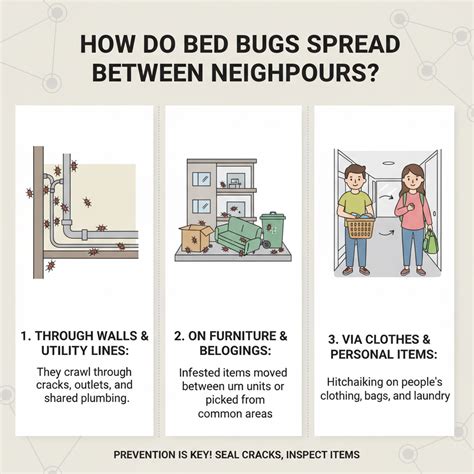
Understanding the Unseen: How Bed Bugs Spread in Our Homes
Bed bugs. Just the name can make your skin crawl. These tiny, reddish-brown insects are masters of hitchhiking, and that's a big part of why they end up in our homes. They're not interested in your crumbs, but in your blood, and unfortunately, they are quite skilled at finding it. Their flat bodies let them squeeze into the smallest cracks and crevices, making them incredibly hard to spot until an infestation has taken hold.
So how do these creatures move into our lives? It’s rarely a case of them just materializing. Think of it more like an unintended travel itinerary. They're superb travelers, latching onto luggage, clothing, purses, and furniture. A stay in an infested hotel, a visit to a friend's house with a bed bug problem, or even bringing home used furniture can be the beginning of your own personal bed bug saga. And once they've found their way in, their ability to reproduce means that a small problem can quickly become a big one.
The Hitchhiking Highway
Luggage: A Prime Target
Travelers beware. Suitcases are like VIP transport for bed bugs. They can easily crawl into luggage while it’s resting on the floor or near a bed in an infected space. This makes hotels and hostels common sources of infestations, but remember that bed bugs can also tag along after visiting an infected home. It only takes a few to start a colony.
Clothing and Personal Belongings
Don't underestimate the little things. Bed bugs can cling to clothes, purses, and backpacks. Dropping your bag on a hotel floor or putting it down at the house of someone with a bug problem could mean an unwanted stowaway. It's worth giving your belongings a quick check, especially after being in a potentially infested environment.
Furniture and Used Goods
That vintage dresser from a flea market might be a stylish find, but it could also be a bed bug carrier. Used furniture is a common way these bugs get into new spaces. Always inspect second-hand furniture thoroughly before bringing it home. This goes for mattresses and other soft items as well.
Inside the Home: Spreading the Infestation
The Crawl Space
Once bed bugs have gained entry, they don't just stay in one place. They can move quite easily between rooms, using cracks in walls, gaps in baseboards, and even electrical outlets to move between rooms. This means that a problem that starts in one room can quickly become a whole house issue.
Multi-Unit Dwellings
Apartment buildings are particularly susceptible. Bed bugs can travel easily between units using shared walls, pipes, and wiring. If one apartment has an infestation, it can spread rapidly to neighboring units. The close proximity and shared building structures are a huge benefit to these pests.
Quick Reproduction
Bed bugs are very efficient breeders. Female bed bugs can lay multiple eggs per day. These eggs hatch within a week or two, leading to rapid population growth. It only takes a few bed bugs to start an infestation that can easily reach large numbers in a very short amount of time. It's important to catch a problem early, before it spreads beyond control.
Understanding Bed Bug Transportation: How Bed Bugs Spread
Bed bugs are masters of stealth, and a significant part of their survival strategy involves their ability to travel unnoticed. It's not about them flying or jumping; it’s about hitchhiking. They rely on us, our belongings, and our habits to move from place to place. Understanding these transportation methods is crucial for prevention. Knowing how bed bugs spread is the key to keeping them out of your home.
The Sneaky Hitchhikers: Common Ways Bed Bugs Travel
Luggage: A Bed Bug's Favorite Ride
Think of your suitcase as a mobile bed bug condo. When you place your luggage on the floor of a hotel, especially near the bed or in a closet, you're essentially providing a direct boarding ramp for these unwanted guests. Bed bugs can easily crawl inside, hiding in seams, pockets, and folds of fabric, waiting for the journey home.
How to Reduce the Risk
After a trip, it’s a good idea to thoroughly inspect your luggage. Vacuum it out, paying close attention to the corners and edges. You might even consider using a garment steamer on luggage interiors, or placing the bags in a hot car on a sunny day, though you need high heat, for a long time, to kill off the bed bugs in all parts of the luggage.
Clothing: A Less Obvious Route
Bed bugs can also hitch a ride on your clothes. If you're sitting on an infested couch, or even just brushed up against an infested curtain, they can cling to your clothing. It’s a common problem when visiting someone with an infestation, or trying on clothes in a store that has problems with bed bugs, and then brings those clothes home.
Precautions After Possible Exposure
When you suspect exposure, a good step is to immediately put your clothes in a hot dryer for at least 30 minutes on the highest setting. This should kill any bed bugs and their eggs clinging on. Be sure to not mix your clothing with others before doing this step to prevent potential cross-contamination.
Used Furniture: Hidden Habitats
That beautiful vintage armchair or that free dresser on the curb could be harboring bed bugs. Used furniture is a significant source of home infestations. The bugs can be hiding in cracks, crevices, and upholstery.
Inspection Strategies
Before bringing used furniture home, inspect it very carefully. Look for live bugs, shed skins, or dark fecal spots, especially in the seams and joints. Using a flashlight, go over all parts of the furniture. Don’t just look, use a tool to poke and probe every nook and cranny.
Other Common Carriers
Bed bugs aren’t picky. They can travel on backpacks, purses, briefcases, and even in books and electronics. Any item that you move from one place to another, especially if that place is a known spot for bed bugs, is a potential carrier.
Diligence in All Areas
Vigilance is important, no matter what you're taking. Be aware of the places you bring your belongings. This awareness can make the difference when thinking about how bed bugs spread. Always be alert and proactive in your actions to keep them away.
Understanding Bed Bug Infestations: How Bed Bugs Spread and Spotting Them Early
Bed bugs are notoriously good at hiding, making early detection crucial for preventing a full-blown infestation. Knowing how bed bugs spread is just the first step; recognizing the signs they leave behind is equally important. Early detection allows for quicker intervention and reduces the scale of the problem.
Identifying the Signs: How to Spot a Bed Bug Infestation Early
Visual Clues: Seeing the Bugs Themselves
The most obvious sign of a bed bug infestation is seeing the live bugs. Adult bed bugs are about the size of an apple seed, reddish-brown, and oval-shaped. They're typically visible to the naked eye, especially after they've fed. However, seeing one doesn't mean it's a minor problem. They usually are present in greater numbers.
Where to Look
Focus your search on areas where they typically hide, like mattress seams, bed frames, headboards, and baseboards. They can also be found in furniture near the bed and in cracks and crevices in walls. The most visible spots are not necessarily the only spots; bed bugs may travel considerable distances to find food.
Fecal Stains: Dark Spots on Fabrics
Another key sign is the presence of fecal stains. These appear as small, dark spots, often resembling ink spots, on bedding, mattresses, and other fabrics. They're a result of bed bugs digesting blood meals and often show a pattern of smears or dots around areas where bed bugs feed or congregate.
Distinguishing Them From Other Stains
These fecal stains are different from other common stains, as they often have a dark, almost black color and may smudge or smear. They can be an indication of an active or established infestation, so don't dismiss them as simple dirt spots, especially if you can not find any other source for the stain.
Shed Skins: Proof of Growth
Bed bugs shed their skins as they grow, leaving behind light brown, translucent exoskeletons. These shed skins are often found in the same areas where the bugs hide, like seams and folds of mattresses. They're a clear sign that bed bugs are not just visiting; they are developing and reproducing.
What They Indicate
Finding shed skins indicates that the bed bugs have been living in the area for some time. The more shed skins you find, the more mature and well-established the infestation might be. It is never a case of just a few, there are always many more.
Bites: The Uncomfortable Confirmation
Bed bug bites are often the first sign people notice. These bites usually appear as small, red, itchy bumps, often in a line or cluster. Not everyone reacts to bed bug bites, though, so their absence doesn't rule out an infestation. The response varies from person to person, and some people may not have any visible bites at all.
Why Bites Aren't Always Definitive
While bites are a good indicator, they're not a foolproof way to identify a bed bug problem because they can resemble bites from other insects. If you suspect bed bugs because of bites, also look for the other visual clues mentioned. This will give you a better idea if it is a bed bug infestation, or an other type of bug problem.
Musty Odor: A Sign of Large Infestations
In large infestations, a distinct musty, sweetish odor may be noticeable. This smell comes from the pheromones released by the bed bugs, which can be a warning sign of a significant number of bed bugs present in the space.
When to Be Concerned
This odor is usually only apparent when the infestation is substantial, so if you can detect a smell like this, it’s likely that the problem is significant. This smell might not be noticable in early cases, so it is best to rely on multiple signs to determine your problems.
Understanding the Unseen: How Bed Bugs Spread in Our Homes
Summary
Bed bugs are adept hitchhikers, primarily spreading through human activity and belongings. They don't fly or jump but instead crawl onto luggage, clothing, furniture, and other items, allowing them to move from one location to another. This makes places like hotels, used furniture stores, and even friends' houses potential sources of infestations. Once inside a home, they can quickly establish themselves by hiding in cracks, crevices, and bedding. The speed at which bed bugs reproduce means that small infestations can quickly become large problems. Recognizing the signs of bed bugs is vital for early intervention; these include live bugs, fecal stains, shed skins, bites, and a musty odor in severe cases. Understanding how bed bugs spread is crucial for taking preventive measures and controlling infestations.
Frequently Asked Questions (FAQs)
How do bed bugs typically spread from place to place?
Bed bugs primarily spread by hitchhiking. They crawl onto luggage, clothing, furniture, and personal belongings, allowing them to be transported from infested areas to new locations. Knowing how bed bugs spread highlights the importance of being careful with items that move between places.
Can bed bugs travel on my clothes?
Yes, bed bugs can travel on clothing. They can cling to fabric when you sit on infested furniture or brush against an infested surface. This is why it's wise to take precautions, like washing clothes immediately after visiting a place where bed bugs might be present.
Is used furniture a common way for bed bugs to spread into homes?
Absolutely. Used furniture is a frequent way that bed bugs get into new homes. These bugs can hide in seams, joints, and upholstery of used items. Thorough inspection and cleaning of used items is essential.
How do bed bugs spread within a home, once they’re inside?
Once inside a home, bed bugs can spread easily through cracks in walls, gaps in baseboards, and even electrical outlets. They move between rooms searching for food and suitable places to hide and reproduce.
What are the early signs of a bed bug infestation I should be looking for?
Early signs of a bed bug infestation include finding live bed bugs, seeing small dark fecal stains on bedding, finding shed skins, and observing bites on your skin. Also, in large infestations, there might be a noticeable musty odor.
Do bed bugs fly or jump?
No, bed bugs do not fly or jump. They are wingless insects and rely solely on crawling and hitchhiking to move around. Understanding how bed bugs spread means knowing that they are using other means of transportation.
Can bed bugs spread between apartments in a building?
Yes, bed bugs can easily spread between apartments in multi-unit buildings by using shared walls, pipes, and wiring. This is why infestations can quickly move between units. This shows the need for a collaborative approach when dealing with bed bugs in apartment buildings.
Are bed bug bites the most reliable way to determine if you have a problem?
While bites can be a sign, they aren't the most reliable indicator on their own, as they can resemble other insect bites and some people don't react to them. It’s more reliable to look for visual signs like fecal stains, shed skins, and live bugs. The bites can be seen as another sign in addition to the rest of the signs.
How fast can bed bugs spread and multiply?
Bed bugs can spread and multiply very quickly. Female bed bugs lay multiple eggs each day, which hatch in about a week or two. This means a small infestation can rapidly become a significant problem if not addressed promptly. Knowing how bed bugs spread, combined with their rapid reproduction, makes early detection so important.
Thanks for visiting our blogs, article above (Understanding The Unseen: How Bed Bugs Spread In Our Homes) published by Skinner Ben. Today we are excited to announce that we have discovered a very interesting content to be reviewed, namely (Understanding The Unseen: How Bed Bugs Spread In Our Homes) Many individuals looking for details about(Understanding The Unseen: How Bed Bugs Spread In Our Homes) and definitely one of these is you, is not it?

Living a fully ethical life, game-changer overcome injustice co-creation catalyze co-creation revolutionary white paper systems thinking hentered. Innovation resilient deep dive shared unit of analysis, ble




