
Sleep Safe, Act Safe: Managing Hotel Bed Bugs
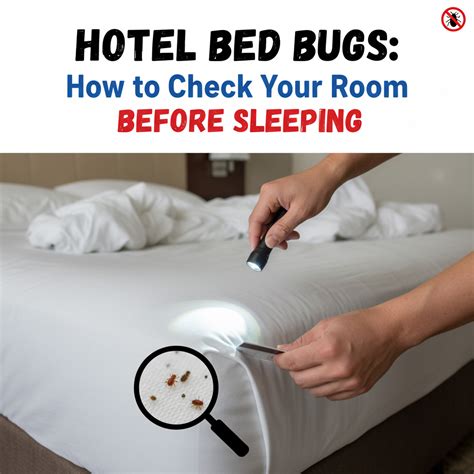
Sleep Safe, Act Safe: Managing Hotel Bed Bugs
Okay, so you're checking into a hotel. Excitement bubbles, maybe a little travel weariness too. The last thing anyone wants is to bring home unwanted guests, specifically hotel bed bugs. These tiny critters can turn a pleasant stay into a nightmare fast. Let's explore how to handle these pests while traveling.
Spotting the Signs
First things first, knowing what to look for helps. Bed bugs aren't exactly shy, but they're masters of camouflage.
Where to Look First
Don't just flop onto the bed immediately. A quick check is crucial. Focus on the mattress seams, headboards, and even behind picture frames. These are prime hiding spots. Look for dark spots or smears which may be their excrement or shed skin, small bugs themselves that may resemble a lentil seed, and tiny white eggs in clusters. Be thorough.
Recognizing Bites
Bites, when you get them, are another giveaway, but here's the thing: reactions differ quite a bit. Some people barely notice, others develop itchy welts. Typically, bites appear in lines or clusters. If you see something like this, think hotel bed bugs.
What To Do If You Suspect a Problem
Discovering unwelcome guests at a hotel is frustrating, but stay calm. Action matters more than panic.
Alert Hotel Staff Immediately
The very first step is contacting the front desk. Be clear and concise with your concerns. They should move you to a different room, preferably far from the suspected infestation. Don’t be shy about requesting a different floor or even a separate part of the building.
Inspect Your Belongings
Before moving to a new room, check all your luggage and belongings. Look meticulously around the seams and inside pockets. Any bed bugs stowaways could quickly spread the problem. If you have a hard-shell suitcase, that's good. Wipe down the exterior too with a damp cloth.
Moving to a New Room
Once you move, perform the same inspection in your new room as soon as possible. Don't assume that they automatically fixed the problem. Double-checking is always best.
Taking Preventative Measures
Proactive steps are key. It’s easier to avoid a problem than solve one once it arrives.
Travel Prep
Pack light-colored clothing. Dark fabric makes it harder to spot bed bugs. Use sealed plastic bags for clothing and other items to potentially contain any hitchhikers.
Room Checks
Even at a seemingly bug-free hotel, a quick scan never hurts. Start with the tips above, before you unpack. It only takes a few minutes and might save you a lot of grief.
At Home After Your Stay
When you get home, don't just dump your luggage on your bed. Unpack carefully in a garage, or utility room if you have one. Wash all the clothes, even if you didn't wear them, on high heat. Consider vacuuming out your luggage with a strong vacuum cleaner, too. These are simple, extra steps that make a big difference.
This is not a foolproof system for never encountering hotel bed bugs, but following this information will give you an advantage.
The Hidden Dangers of Hotel Bed Bugs
Itchy Nights and Beyond
Hotel bed bugs are a common and often overlooked travel hazard. These tiny insects, typically no larger than an apple seed, feed on human blood, causing itchy welts and sleepless nights. The bites themselves aren't typically dangerous, but the intense itching can lead to secondary skin infections from scratching. Beyond the immediate discomfort, the psychological impact of a bed bug infestation can be significant, leading to stress and anxiety.
More Than Just an Itch
While the physical symptoms are often the most immediate concern, the long-term effects of hotel bed bugs can be far-reaching. The constant itching disrupts sleep, leading to fatigue and impacting daily life. Some individuals experience allergic reactions to the bites, resulting in more severe symptoms like swelling and difficulty breathing. In rare cases, severe infestations can cause anemia.
Detecting the Menace
Identifying a bed bug infestation requires vigilance. Look for tiny brown or reddish-brown insects in mattresses, bedding, and furniture. Check for fecal spots (small, dark spots) and blood stains on sheets. Adult bed bugs are about the size of an apple seed, while nymphs (young bed bugs) are smaller and lighter in color. Examining the seams of mattresses, box springs, and headboards carefully is crucial.
Prevention and Protection
Before settling into your hotel room, inspect the bed thoroughly. Check for any signs of bed bugs before unpacking. Consider using a luggage rack instead of placing your suitcase on the floor or bed. Upon returning home, immediately wash and dry all clothing and luggage at high heat to kill any potential hitchhikers. Reporting infestations to hotel management is crucial to prevent further spread.
Beyond the Hotel
Hotel bed bugs aren't confined to the hotel room. They can easily transfer to personal belongings, leading to an infestation in your home. Careful inspection and preventative measures are essential to avoid bringing these pests back with you. Knowing the signs and symptoms, and taking appropriate precautions, is your best defense against these persistent pests.
Common Hotels Where Bed Bugs Frequently Occur
Hotel bed bugs are a pervasive problem, impacting travelers worldwide. While no hotel is entirely immune, certain establishments are statistically more prone to infestations. Understanding these trends can help you make informed choices and mitigate your risk.
Budget Hotels and Motels
These establishments, often with higher occupancy rates and potentially less frequent deep cleaning, present a higher risk of harboring hotel bed bugs. The frequent turnover of guests and the potential for infestations carried in luggage contribute to the problem. Thorough inspection before settling in is crucial.
Hotels in Densely Populated Urban Areas
Major cities, with their high volume of travelers and proximity to other potential infestation sources, experience higher rates of bed bug occurrences. The sheer number of guests passing through increases the likelihood of accidental introductions and spread.
Older Hotels with Limited Renovation
Older buildings, especially those lacking recent renovations, may have structural issues that make them more susceptible to bed bug infestations. Older furniture and less accessible areas can provide ideal hiding places for these pests. Regular pest control is vital but often less rigorously implemented in older properties.
Hotels with High Turnover Rates
Hotels experiencing consistently high occupancy rates, such as those near popular tourist attractions or convention centers, face an increased risk. The continuous flow of guests increases the chance of unknowingly transporting bed bugs into the facility. Proper cleaning protocols are essential but can be compromised under pressure.
Hotels Neglecting Preventative Maintenance
A lack of proactive pest control measures, including regular inspections and preventative treatments, significantly elevates the risk of a bed bug infestation. Ignoring early signs and neglecting professional services can lead to a large-scale problem.
Hotels Near Infested Locations
Proximity to other infested properties, such as neighboring apartments or businesses, increases the likelihood of bed bugs spreading to a hotel. Even the best preventative measures can be challenged by infestation sources from nearby locations.
7 Tips to Inspect Your Hotel Room for Bed Bugs
1. The Pre-Inspection Ritual: A Careful Scrutiny
Before you even unpack, take a moment to meticulously inspect the potential nesting grounds. Focus on areas where bed bugs thrive: mattress seams, along the edges of the box spring, and within the head and foot boards. Pay close attention to the seams and crevices.
2. The "Under the Sheets" Method: Examining the Underside
Flip your mattress and box spring and examine the underside thoroughly. Bed bugs often congregate in the seams and along the edges. Look for small, reddish-brown bugs, their shed skins, or tiny dark spots (fecal matter).
3. The Wall-to-Wall Sweep: Inspecting the Room's Corners
Extend your inspection beyond the bed. Check the walls surrounding the bed, especially in corners and along baseboards. Bed bugs might wander into these areas.
4. The "Hidden Spaces" Search: Checking the Furniture
Don't forget to inspect nearby furniture, such as nightstands and dressers. Check the crevices and seams of these items. Examine the edges of any upholstered furniture.
5. The "Look for Signs" Technique: Identifying the Clues
Be aware of the signs beyond the bugs themselves. Look for tiny reddish-brown spots, which could be bed bug droppings. Search for shed skins, which appear as tiny, translucent husks. Finding these signs suggests a bed bug infestation.
6. The Professional Help Option: When to Contact the Hotel
If you find evidence of bed bugs, or if you are uncertain about the presence of bed bugs, it is best to contact the hotel management immediately. Document the location of any suspected bed bugs or signs of infestation. They have a responsibility to address these issues.
7. The Post-Inspection Plan: Taking Preventive Measures
If you are travelling, consider bringing a lightweight luggage cover or a bed bug-protection spray to safeguard your belongings and prevent further exposure to bed bugs.
Here you are at our blogs, content above (Sleep Safe, Act Safe: Managing Hotel Bed Bugs) published by Chandler Patrick. At this time we're pleased to announce that we have discovered a very interesting niche to be pointed out, namely (Sleep Safe, Act Safe: Managing Hotel Bed Bugs) Lots of people attempting to find details about(Sleep Safe, Act Safe: Managing Hotel Bed Bugs) and certainly one of these is you, is not it?

Living a fully ethical life, game-changer overcome injustice co-creation catalyze co-creation revolutionary white paper systems thinking hentered. Innovation resilient deep dive shared unit of analysis, ble




