
Choosing The Right Mattress Pad For Hospital Beds
Finding the perfect hospital bed mattress pad isn't just about comfort; it's about practicality and hygiene. The material of your hospital bed mattress pad significantly impacts comfort, hygiene, and longevity. The article underscores the significance of a hospital bed mattress pad in enhancing patient comfort, improving hygiene, and contributing to overall well-being
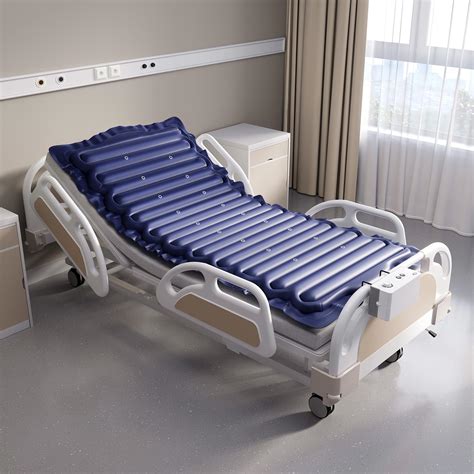
Choosing the Right Mattress Pad for Hospital Beds
Understanding Your Needs
Finding the perfect hospital bed mattress pad isn't just about comfort; it's about practicality and hygiene. Think about the individual using the bed – their size, mobility, and any specific medical needs. A larger person will require a different pad than a smaller one. Similarly, someone with incontinence will need a pad with superior absorbency and perhaps waterproof backing. Consider the material carefully.
Material Matters: A Deep Dive
Waterproof pads offer excellent protection against spills and accidents. This is particularly important for patients prone to incontinence or those receiving medical treatments that might lead to spills. However, breathability is a key factor to avoid overheating. Look for materials that strike a balance. Consider the patient’s comfort level and the potential for skin irritation. Some materials are simply more comfortable than others. A softer, more plush feel can help reduce pressure points and improve sleep quality.
Fabric Choices
Cotton is a popular choice; it's breathable and relatively inexpensive. But, for enhanced protection, consider blends with polyester for durability. Other options, like microfiber, offer superior softness and absorbency but can come at a higher price point. The best material truly depends on your priorities.
Waterproofing Technologies
Don’t just assume that “waterproof” means the same for all pads. Some use thin, plastic-like coatings that might feel crinkly and uncomfortable. Others employ more advanced technologies that create a barrier without sacrificing softness or breathability.
Size and Fit: Getting it Right
Hospital beds come in various sizes. Measure your bed carefully before ordering a pad. A poorly fitting pad will bunch up, creating discomfort and potentially affecting safety. Secure straps or elastic corners ensure a snug fit, preventing shifting during use. Proper sizing is critical for comfort and hygiene.
Additional Features to Consider
Some pads offer pressure relief features, beneficial for patients who are immobile or have pressure sores. These specialized pads often incorporate gel or foam layers to distribute weight evenly. Anti-microbial properties can also help prevent bacterial growth, particularly important in a hospital setting. Think about the longevity of the pad; you want something durable that will withstand frequent cleaning. Consider a pad that’s easily washable and dryable.
Factors to Consider When Selecting a Mattress Pad
Material Selection for Your Hospital Bed Mattress Pad
The material of your hospital bed mattress pad significantly impacts comfort, hygiene, and longevity. Several factors play a role in choosing the right material.
Durability and Washability
Frequent washing is necessary for maintaining hygiene, especially in a hospital setting. Look for durable materials that can withstand repeated cleaning without significant wear and tear. Consider materials that are easily washable and dryable, ideally in a machine. The fabric's resilience to shrinking or fading is also important.
Comfort and Breathability
The patient's comfort is paramount. A breathable material prevents overheating and sweating, crucial for patients who might have limited mobility. Consider the texture; some patients might prefer a softer, plusher feel, while others prefer a firmer surface. The material should be soft against the skin to avoid irritation.
Waterproofing and Protection
For patients prone to incontinence or those receiving treatments that could lead to spills, a waterproof hospital bed mattress pad is essential. However, ensure the waterproofing doesn't compromise breathability or comfort. Consider the type of waterproof backing; some are more comfortable and less noisy than others.
Size and Fit: Ensuring a Secure and Comfortable Fit
The correct size is crucial for both comfort and safety. An ill-fitting pad can bunch up, causing discomfort and potentially posing a safety risk.
Accurate Measurements
Before purchasing, meticulously measure your hospital bed to ensure a precise fit. Consider the depth of your mattress; the pad should fit snugly without gaps or bunching.
Securing the Pad
Look for features like elastic straps or corner bands that securely hold the pad in place. These prevent shifting and maintain a consistent level of comfort and support.
Additional Features to Consider for Your Hospital Bed Mattress Pad
Beyond the basics, several additional features can enhance comfort, hygiene, and overall patient well-being.
Pressure Relief
For patients with limited mobility or those prone to pressure sores, consider a pad with pressure-relieving properties. This might involve specialized foam layers or gel inserts designed to distribute weight evenly.
Antimicrobial Properties
In a hospital setting, hygiene is paramount. A pad with antimicrobial properties can help prevent the growth of bacteria and maintain a cleaner environment.
Cleaning and Maintenance
Ease of cleaning is a practical consideration. Opt for a pad that’s machine washable and easily dryable, ideally without requiring special cleaning solutions. Check the care instructions carefully before purchasing.
Benefits of Using a Mattress Pad for Hospital Beds
Enhanced Patient Comfort and Well-being
Investing in a high-quality hospital bed mattress pad offers significant advantages for both patients and caregivers. Beyond simple comfort, it contributes to a more positive and healing environment.
Pressure Relief and Pain Management
Many hospital bed mattress pads incorporate advanced pressure-relieving technologies. These features, such as memory foam or gel-infused layers, redistribute weight evenly, significantly reducing pressure points and associated pain. This is especially beneficial for patients with limited mobility or those recovering from surgery. The reduction in pressure can improve circulation and promote faster healing.
Temperature Regulation and Breathability
Modern hospital bed mattress pads often prioritize temperature regulation. Breathable materials allow for better airflow, preventing overheating and sweating, common problems for patients confined to bed. Maintaining a comfortable temperature contributes to better sleep quality and overall patient well-being. This is especially critical for patients with conditions that affect temperature regulation.
Improved Hygiene and Infection Control
Maintaining a clean and hygienic environment is paramount in a hospital setting. A hospital bed mattress pad plays a vital role in infection prevention.
Protection Against Spills and Accidents
Waterproof and stain-resistant mattress pads offer crucial protection against spills, incontinence accidents, and other potential contaminants. This feature helps maintain a clean and sanitary sleep surface, reducing the risk of infection and the need for frequent, potentially disruptive, linen changes.
Easy Cleaning and Sanitization
High-quality pads are designed for easy cleaning and sanitization. Many are machine washable and durable enough to withstand frequent washing without losing their effectiveness or comfort. This simplified cleaning process saves time and resources while ensuring a consistently hygienic sleeping environment.
Increased Durability and Longevity
Choosing a premium hospital bed mattress pad translates to a longer lifespan and better value for money.
Resistant to Wear and Tear
Premium materials and robust construction contribute to a pad's durability. A well-made pad can withstand daily use and frequent cleaning without significant deterioration. This longevity reduces the frequency of replacements, saving both time and cost in the long run. The investment in a high-quality pad equates to fewer replacements.
Maintaining its Protective Properties
The protective features of a high-quality pad, such as waterproofing and stain resistance, remain effective over time. Unlike cheaper options that may degrade quickly, a premium pad continues to offer effective protection against spills and accidents for an extended period. This consistent protection is essential for maintaining a hygienic environment.
Summary of "Choosing the Right Mattress Pad for Hospital Beds"
This article guides readers through the process of selecting the right hospital bed mattress pad, emphasizing the importance of considering various factors beyond simple comfort. It covers key aspects such as material selection (highlighting breathability, waterproofing, and durability), proper sizing and fit for secure placement on the hospital bed, and additional features like pressure relief and antimicrobial properties. The article underscores the significance of a hospital bed mattress pad in enhancing patient comfort, improving hygiene, and contributing to overall well-being. Different material options and their advantages are discussed, along with the importance of proper measurements to ensure a good fit. The ultimate goal is to help readers choose a hospital bed mattress pad that meets the specific needs and preferences of the patient while maintaining a clean and safe environment.
FAQ: Choosing the Right Hospital Bed Mattress Pad
Q: What are the most important factors to consider when choosing a hospital bed mattress pad?
A: The most crucial factors include the material (considering breathability, waterproofness, and durability), the size and fit to ensure it stays securely in place, and any additional features needed, such as pressure relief or antimicrobial properties. Ultimately, the best hospital bed mattress pad depends on the individual patient's needs and the hospital's hygiene standards.
Q: How do I determine the correct size hospital bed mattress pad for my needs?
A: Accurately measure your hospital bed's dimensions, including the length, width, and depth of the mattress. This will help ensure the pad fits snugly and doesn't bunch up or shift, which could compromise comfort and safety. Always check the manufacturer's size specifications before purchasing.
Q: What types of materials are best for hospital bed mattress pads?
A: Several materials offer benefits. Waterproof, breathable fabrics like polyurethane-coated cotton blends provide protection against spills while allowing for air circulation. Memory foam or gel-infused pads can offer superior pressure relief. Consider the patient's sensitivity to different materials; some individuals might have allergies or skin sensitivities. Always prioritize materials that are easily washable and durable.
Q: Are there specific features to look for in a hospital bed mattress pad to improve hygiene?
A: Yes, look for features such as waterproof backing to protect against spills and accidents, and antimicrobial properties to inhibit bacterial growth. Easy washability and quick-drying features are also essential for maintaining hygiene in a hospital setting. A hospital bed mattress pad with these features contributes significantly to a safer and cleaner environment for patients.
Q: How often should I replace my hospital bed mattress pad?
A: The frequency of replacement depends on the pad's material, the level of use, and the patient's needs. Regular cleaning is essential. However, if the pad shows signs of significant wear and tear, such as rips, tears, or significant staining that cannot be removed, it's time for replacement. Following the manufacturer's cleaning instructions will help extend the lifespan of your hospital bed mattress pad.
Here you are at our blogs, content above (Choosing The Right Mattress Pad For Hospital Beds) published by Stokes Robert. Today we are excited to announce that we have found a very interesting content to be pointed out, namely (Choosing The Right Mattress Pad For Hospital Beds) Many individuals searching for specifics of(Choosing The Right Mattress Pad For Hospital Beds) and certainly one of them is you, is not it?

Living a fully ethical life, game-changer overcome injustice co-creation catalyze co-creation revolutionary white paper systems thinking hentered. Innovation resilient deep dive shared unit of analysis, ble




