
Home Remedy For Bed Bugs
Sprinkling it around your home, especially in cracks and crevices, can dehydrate and kill bed bugs. Specially designed covers can encase your mattress and box spring, trapping any existing bed bugs inside and preventing new ones from taking hold. A mix of cleaning, natural repellents, and preventative strategies can make your home an inhospitable environment for bed bugs
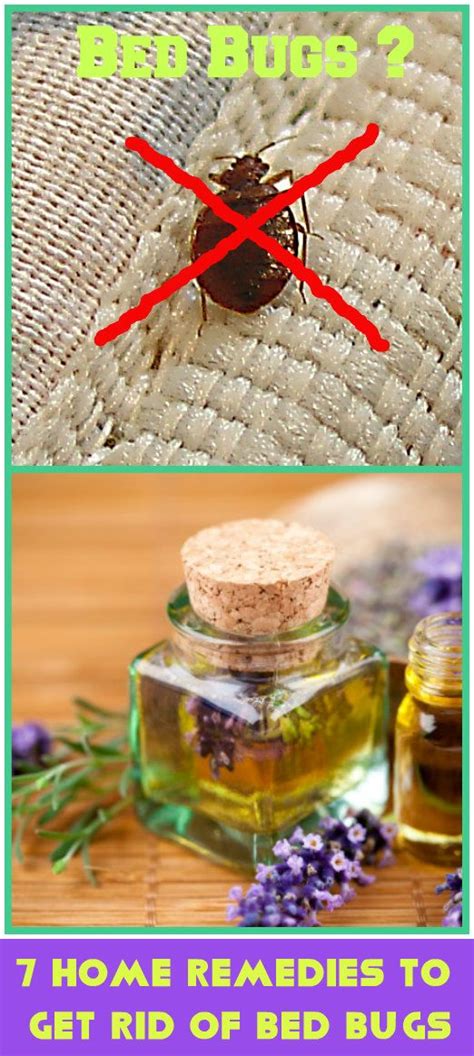
Identifying the Problem
Recognizing the signs of bed bug infestations is essential. Tiny red bites on your skin, small bloodstains on your sheets, or the sight of these pests themselves are telltale signs. Once identified, immediate action can help prevent them from spreading.
Natural Solutions to Control Bed Bugs
Using Diatomaceous Earth
Diatomaceous earth is a fine powder made from fossilized algae. Sprinkling it around your home, especially in cracks and crevices, can dehydrate and kill bed bugs. It's safe for humans and pets when used as directed, making it a trusted option for many households.
Essential Oils for Bed Bug Repellent
Some essential oils, like tea tree oil and lavender oil, are believed to repel bed bugs. Mix a few drops with water and spray around areas where you suspect activity. While this won't eradicate them, it can reduce their presence and offer a pleasant scent.
Baking Soda for Absorption
Baking soda is a common household item said to absorb moisture from bed bugs, leading to their demise. Sprinkle it on mattresses and carpets, let it sit for a few hours, then vacuum thoroughly. This method may require consistent application for effectiveness.
Cleaning and Decluttering
Washing and Heat Treatment
Bed bugs cannot survive high temperatures. Wash all bedding, clothing, and fabrics in hot water, then dry them on the highest heat setting. Items that cannot be washed can often be treated in a dryer.
Vacuuming Regularly
Vacuuming can physically remove bed bugs and their eggs. Pay extra attention to mattresses, furniture seams, and baseboards. Empty the vacuum bag outside immediately after use to prevent reinfestation.
Eliminating Hiding Spots
Reduce clutter to limit the places bed bugs can hide. Sealing cracks in walls and furniture can also help eliminate potential nesting areas.
Preventative Measures
Mattress and Box Spring Covers
Specially designed covers can encase your mattress and box spring, trapping any existing bed bugs inside and preventing new ones from taking hold. These covers also make it easier to spot infestations early.
Regular Inspections
Regularly inspecting your sleeping areas for signs of bed bugs can catch infestations before they spread. Pay close attention to seams, zippers, and corners where they often hide.
Avoid Bringing Them Home
Be cautious when purchasing secondhand furniture or traveling. Inspect items thoroughly and keep luggage off the floor in hotel rooms. Washing and drying clothing after trips can help eliminate any hitchhikers.
Combining Techniques
Combining several methods often yields the best results. A mix of cleaning, natural repellents, and preventative strategies can make your home an inhospitable environment for bed bugs. Consistency and vigilance are key.
Diatomaceous Earth: A Natural Desiccant
Diatomaceous earth works by dehydrating bed bugs when they come into contact with it. Sprinkle it lightly around bed frames, baseboards, and other hiding places. Focus on cracks and gaps where they tend to gather. It's chemical-free and effective when left undisturbed for a few days.
Neem Oil for Persistent Infestations
Neem oil, a natural insecticide with antifungal properties, can disrupt the reproductive cycle of bed bugs. Mix a few drops with water to create a spray for affected areas. Apply it to mattresses, furniture, and cracks. Repeated use ensures better results over time.
Isopropyl Alcohol for Immediate Control
Spraying isopropyl alcohol directly on bed bugs can kill them on contact. Use it in areas where you spot activity, but remember it won’t address hidden eggs. While effective as a quick remedy, this method works best in combination with other treatments.
Baking Soda’s Moisture-Absorbing Power
Baking soda can dry out bed bugs over time. Dust it over carpets and around furniture, focusing on areas where they’re likely to hide. Leave it overnight before vacuuming thoroughly. This method is safe but requires patience and regular application.
Essential Oil Blends as Deterrents
Essential oils like tea tree, peppermint, or eucalyptus can deter bed bugs from settling. Mix several drops with water and spray onto bedding, furniture, or other hotspots. These oils won’t eliminate infestations but can reduce their activity and spread.
Cayenne Pepper and Vinegar Spray
A blend of cayenne pepper, vinegar, and water creates a natural deterrent. Spray it along baseboards, bed frames, and furniture seams to disrupt their movements. The strong smell and acidity make it an unpleasant environment for bed bugs.
Heat Treatments to Eliminate Bugs
Bed bugs cannot tolerate high temperatures. Use steam cleaners on furniture, mattresses, and curtains to kill both bugs and eggs instantly. For smaller items, sealing them in a bag and placing them in direct sunlight for several hours can be equally effective.
Vacuuming and Physical Removal
A powerful vacuum is a vital tool. Focus on seams, cracks, and tight corners where bed bugs thrive. Empty the vacuum bag immediately and dispose of it far from your home to prevent any return.
Consistency is Key
Combining these remedies ensures better control over bed bug infestations. Regular applications, combined with cleaning and vigilance, can protect your home and make it uninhabitable for these pests.
Thanks for visiting our site, article above (Home Remedy For Bed Bugs) published by O'Neill Sean. Hodiernal we are excited to declare that we have discovered an extremely interesting content to be reviewed, that is (Home Remedy For Bed Bugs) Many people looking for details about(Home Remedy For Bed Bugs) and of course one of these is you, is not it?

Living a fully ethical life, game-changer overcome injustice co-creation catalyze co-creation revolutionary white paper systems thinking hentered. Innovation resilient deep dive shared unit of analysis, ble




