
Safe And Effective Home Remedies For Bed Bugs
Have you been waking up with mysterious red bites? Itching and sleepless nights can quickly become unbearable when bed bugs move in. Dealing with these tiny pests can feel overwhelming, but before you reach for harsh chemicals, know there are some gentler paths you can explore. While professional help is often the most reliable solution, many are looking for effective home remedies for bed bugs as a first line of defense. Let's look at what might offer some relief and support until you decide on your next move.
Natural Warfare: Tackling Bed Bugs at Home
Heat Treatment: A Hot Solution
Bed bugs aren't fans of high temperatures. You can use your household dryer to your advantage, running infested bedding or clothing on high heat for at least 30 minutes. Steaming is another effective method to target areas, like mattresses and crevices. The intense heat will kill bed bugs and their eggs on contact, offering a more environmentally friendly approach. Always be careful while working with hot tools.
Cold as Ice: Another Temperature Tactic
If heat isn’t an option, freezing can also work. Place small items, like shoes or toys, in sealed bags inside the freezer. Make sure they stay frozen for a few days. The extreme cold can be just as devastating to these pests as high heat.
The Power of Vacuuming
Regularly and thoroughly vacuuming your mattress, carpets, and furniture is a crucial step. Pay special attention to cracks and crevices where bed bugs often hide. Immediately empty the vacuum cleaner bag afterward outside of your house to prevent any escapees from returning.
Plant-Based Allies
Diatomaceous Earth
Food-grade diatomaceous earth (DE) is a natural powder made from fossilized algae. When bed bugs come into contact with it, their exoskeletons get damaged, leading to dehydration. You can sprinkle DE around baseboards, under furniture, and other suspected areas. Remember to wear a mask when applying it to avoid inhaling the dust.
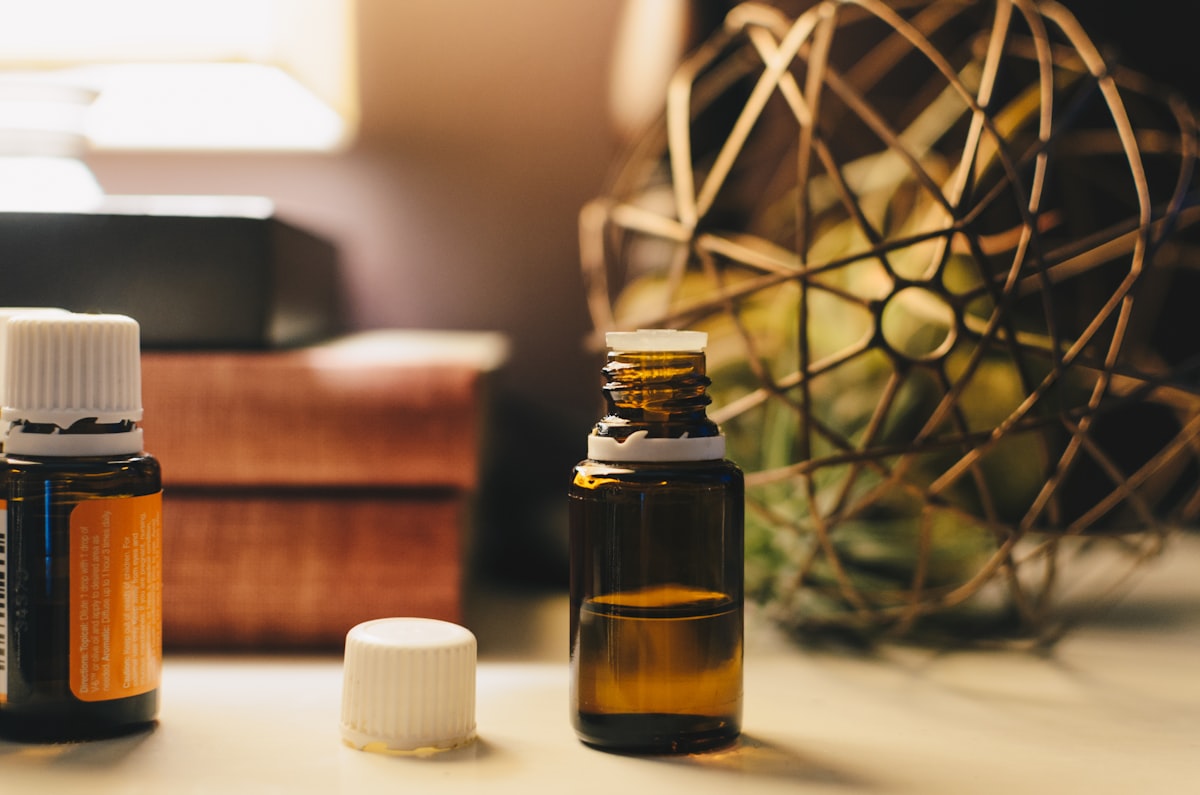
Essential Oils
Certain essential oils, like tea tree, lavender, and peppermint, are known to repel bed bugs. You can create a spray by mixing a few drops of oil with water, and spritz it on mattress seams, furniture, and baseboards. While essential oils won’t eliminate an infestation, they may deter bed bugs from choosing your space as their new home.
Preventing Future Infestations
Vigilant Inspection
Regularly inspect your mattress, bedding, and furniture for any signs of bed bugs. This includes small black spots of fecal matter, shed skins, and of course, the bugs themselves. Early detection is vital to keeping a small issue from getting out of hand.
Barrier Methods
Mattress encasements are a fantastic protective measure. These zip-up covers essentially trap bed bugs inside a mattress while preventing any new ones from getting in. Regularly wash your bedding in hot water to keep a potential infestation at bay. Always check your luggage after any travel, and wash clothes immediately upon return. These simple habits go a long way in prevention.
It's hard to overstate the misery of a bed bug infestation. The itching, the anxiety, the sheer invasion of your personal space - it's enough to make anyone feel desperate for relief. While professional pest control is often the most effective solution, many look for initial home remedies for bed bugs, and that's where natural options like essential oils come in. These concentrated plant extracts offer a gentler way to combat these unwanted houseguests.
10 Natural Essential Oils That Repel Bed Bugs
While no essential oil is a silver bullet, some can be quite effective at disrupting bed bug activity and offering a bit of peace. Think of them as part of an overall strategy to keep these pests at bay.
Tea Tree Oil
This powerful oil is renowned for its antimicrobial and antiseptic properties, but it also has a potent scent that bed bugs dislike. A tea tree oil spray can work as a great deterrent.
Lavender Oil
Lavender is well known for its calming fragrance. Surprisingly, that same scent is bothersome for bed bugs. Spraying lavender oil on bedding may make your space less inviting to them.
Peppermint Oil
The invigorating scent of peppermint is another one that bed bugs tend to avoid. It can be particularly useful for spraying along baseboards and cracks where they might be hiding.
Eucalyptus Oil
Not just a favorite of koalas, eucalyptus oil can help you too. Its strong aroma can repel bed bugs and may also provide some relief from itching associated with bites.
Clove Oil
Clove oil has a very distinct and spicy scent that bed bugs find unpleasant. Use it sparingly as its odor is quite strong.
Lemongrass Oil
With its citrusy and refreshing scent, lemongrass oil acts as a natural repellent. It’s also useful for freshening up areas you’ve treated.
Rosemary Oil
Rosemary oil's woody, herbal scent is often used in aromatherapy. It can also provide some benefit in your battle against bed bugs.
Thyme Oil
Thyme oil has a strong, earthy scent that many pests find off-putting. Use it in a diluted solution to help deter bed bugs.
Cedarwood Oil
Cedarwood oil's warm and woodsy aroma can be used to create a bed bug-repelling spray and potentially disrupt their communication.
Geranium Oil
Geranium oil offers a floral scent that has been suggested to disrupt bed bug activity. It’s a gentler alternative and worth trying if other scents are too intense for your nose.

How to Use Essential Oils
Creating a Spray
Most essential oils need to be diluted in a carrier, like water. A good starting point is about 10-20 drops of essential oil per cup of water. Shake it well and spray on areas where bed bugs are likely to be found, like mattresses, baseboards, and furniture. Always test on a small, hidden area first.
Diffusion
You can also use an essential oil diffuser to distribute the scent throughout a room. This may not be as effective as direct application, but it can contribute to an overall pest-repelling environment.
Safety First
Always use essential oils with caution. They're potent substances and can cause irritation in some individuals. Never apply them directly to the skin without diluting them, and avoid using them around pets, children, and pregnant or nursing mothers without proper advice.
Bed bugs are tenacious pests, and dealing with them often feels like an uphill battle. Before turning to harsh chemicals, many search for home remedies for bed bugs. Luckily, you can create effective repellent sprays using items you may already have in your home. These DIY solutions can be a great first step in managing a bed bug issue.
How to Make a Bed Bug Repellent Spray Using Household Items
The key to an effective homemade spray is choosing the right ingredients and using them correctly. Combining multiple repellents may offer better results.
The Power of Vinegar
White vinegar’s strong acidic nature makes it a great cleaning agent and a potential bed bug deterrent. Its odor isn't pleasant to bed bugs. You can mix equal parts vinegar and water to create a simple spray.
Preparing the Vinegar Spray
Mix equal parts white vinegar and water in a clean spray bottle. Shake it well and apply to areas where bed bugs are suspected, such as along baseboards, in cracks, and on furniture seams.
Rubbing Alcohol as a Bed Bug Fighter
Isopropyl alcohol (rubbing alcohol) is another effective agent. It can kill bed bugs on contact, plus it evaporates quickly. It’s best to use 70% or higher concentration for the most effect.
Using Rubbing Alcohol Safely
Pour rubbing alcohol into a spray bottle. Spray directly onto visible bed bugs, infested furniture, and any area you believe they are hiding. Be mindful that alcohol is flammable and shouldn't be used near open flames or when smoking.
Dish Soap: A Simple Yet Effective Solution
Regular dish soap can disrupt the outer layer of bed bugs causing them to dehydrate. It's best used in a mixture with water.
Making a Dish Soap Spray
Mix 2 tablespoons of dish soap with about a quart of water. Shake gently to combine, then spray onto your mattress, furniture, and other potentially infested areas. Let it sit for a bit before cleaning up.
Combining Ingredients for a Super Repellent
You can boost the effectiveness of your homemade spray by combining ingredients. For example, try mixing a bit of vinegar with a soap solution.
A Combination Recipe
In a spray bottle, mix equal parts of water and vinegar. Then, add about a tablespoon of dish soap. Shake the bottle well before using.
Application Tips
Preparation
Before applying any spray, make sure to vacuum the area thoroughly. This removes bed bugs and also allows the repellent to reach deeper into cracks and crevices.
Testing Before Use
Always test a small, inconspicuous area of the fabric or surface before spraying extensively. This ensures that your spray doesn't cause any discoloration or damage.
Consistent Application
For best results, apply your chosen spray regularly. Daily application for a few days will provide the highest chance of interrupting the bed bugs' life cycle.
Summary
This collection of articles explores various home remedies for bed bugs, offering natural and readily available solutions for managing infestations. We delve into temperature-based methods like heat and freezing, and emphasize the importance of vacuuming. Plant-based options are explored, including the use of diatomaceous earth and specific essential oils known for their repellent properties. We also outline how to create effective DIY repellent sprays using household items such as vinegar, rubbing alcohol, and dish soap. The importance of preventative measures and consistent application of these methods are highlighted to offer a comprehensive guide for those seeking to manage bed bugs at home.
Frequently Asked Questions (FAQ)
Q: Can home remedies for bed bugs completely eliminate an infestation?
A: While some home remedies for bed bugs can be effective in reducing their numbers, a severe infestation might require professional pest control services. These remedies work best for mild infestations or as part of a broader approach.
Q: Which essential oils are most effective as home remedies for bed bugs?
A: Tea tree, lavender, peppermint, eucalyptus, and clove oils are among the essential oils known to repel bed bugs. It's important to dilute them properly before applying.
Q: How does diatomaceous earth work as a home remedy for bed bugs?
A: Food-grade diatomaceous earth is a natural powder that damages the outer layer of bed bugs, causing dehydration and death. It needs to be sprinkled in areas where bed bugs are known to travel and hide.
Q: Can I use rubbing alcohol to kill bed bugs as a home remedy?
A: Yes, isopropyl alcohol (rubbing alcohol) can kill bed bugs on contact. Use a 70% or higher concentration for best results. However, be aware that it is flammable and should be used with caution.
Q: Is a homemade vinegar spray effective as a home remedy for bed bugs?
A: Yes, a spray made from equal parts of white vinegar and water can deter bed bugs due to its acidic nature. It's a good option to use in conjunction with other treatments.
Q: How long do I need to freeze items to kill bed bugs as a home remedy?
A: Items placed in the freezer should remain frozen for several days, at least 3-4 days, to ensure the bed bugs and their eggs are eliminated.
Q: How often should I apply homemade home remedies for bed bugs?
A: Consistent application is key. For most repellent sprays, daily application for several days to a week is recommended, particularly after vacuuming.
Q: What are some preventative measures to avoid bed bug infestations and use fewer home remedies for bed bugs?
A: Regular vacuuming, using mattress encasements, inspecting luggage after travel, and washing bedding in hot water are crucial preventative measures.
Q: Should I use home remedies for bed bugs or call a professional?
A: If your infestation is severe, widespread, or doesn't improve with home remedies, it’s best to consult with a pest control professional for more targeted treatment. These remedies may work to suppress or manage a minor issue.
Q: Are all home remedies for bed bugs safe for pets and children?
A: Not necessarily. Some essential oils and treatments could be harmful to pets or children. Always research the specific ingredients and take appropriate safety measures. It’s often best to keep children and pets away from treated areas until they are completely dry.
Thanks for visiting our site, content above (Safe And Effective Home Remedies For Bed Bugs) published by Williams Mohammad. Today we're delighted to declare that we have discovered a very interesting topic to be pointed out, namely (Safe And Effective Home Remedies For Bed Bugs) Some people attempting to find specifics of(Safe And Effective Home Remedies For Bed Bugs) and certainly one of them is you, is not it?
Gallery for Safe and Effective Home Remedies for Bed Bugs



Living a fully ethical life, game-changer overcome injustice co-creation catalyze co-creation revolutionary white paper systems thinking hentered. Innovation resilient deep dive shared unit of analysis, ble




