
Understanding The Causes And Solutions For A Headache Every Night Before Bed
Your sleep environment might be contributing to those nightly headaches. Even a slight sleep deficit, accumulated over several days, can be enough to trigger a nightly headache. Nightly headaches, particularly those occurring just before sleep, can be incredibly disruptive to your rest and overall well-being
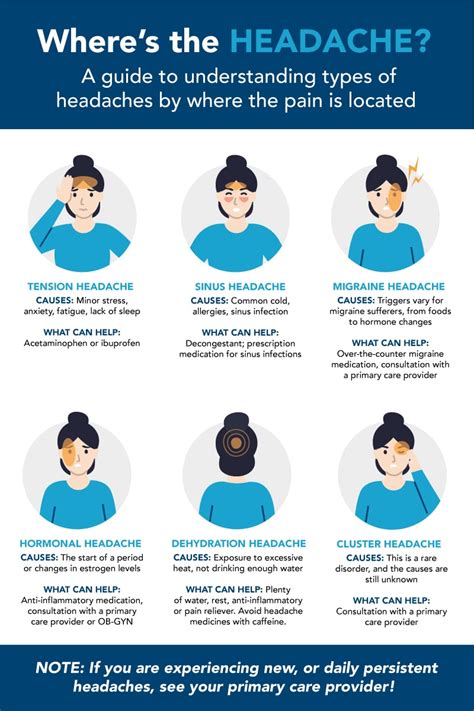
Stress: A Silent Headache Culprit
Stress is a major player in the nightly headache game. Your body holds onto tension all day, and as you wind down, that tension might manifest as a throbbing pain. Think about your day – deadlines, arguments, even small annoyances – they all add up.
Managing Stress for Better Sleep
Yoga and meditation are fantastic tools for releasing that built-up stress. Even a few minutes of deep breathing can make a difference. Regular exercise helps, too, burning off that extra adrenaline. Finding healthy ways to cope with daily pressures is key; otherwise, that tension translates directly into a headache.
Dietary Factors and Their Impact
What you eat and drink throughout the day can significantly impact your evening headache. Caffeine, for instance, is a stimulant, and its effects can linger into the night, leading to headaches. Dehydration is another common trigger; keeping your water intake up throughout the day often helps. Alcohol, particularly before bed, frequently leads to headaches the next day and into the night.
Food Journaling and Hydration
Tracking what you consume can unveil patterns you might not have noticed. You could start a simple food journal, noting everything you eat and drink. Paying close attention to your hydration levels is equally crucial, making sure you're drinking enough water consistently.
Environmental Factors in the Bedroom
Your sleep environment might be contributing to those nightly headaches. A dark, quiet, and cool room promotes better sleep. Conversely, bright lights, excessive noise, or a stuffy room can disrupt sleep and trigger headaches. Consider using blackout curtains or earplugs if needed.
Optimizing Your Sleep Sanctuary
Think about the temperature. A slightly cooler room often helps. A comfortable pillow is also vital; the wrong pillow can put your neck and head in awkward positions, leading to tension headaches. Air quality is another thing to check; some people find that using an air purifier makes a noticeable difference.
Underlying Medical Conditions
Sometimes, a headache every night before bed signals an underlying medical condition, such as sinus issues, eye strain, or even teeth grinding. These conditions can cause pain that intensifies as you lie down. It's crucial to consult a doctor to rule out any potential health problems.
Seeking Professional Guidance
If simple lifestyle changes don't provide relief, seeking medical advice is essential. A doctor can perform tests to diagnose underlying conditions and recommend appropriate treatment. Don't hesitate to seek help; identifying the root cause is the first step towards finding lasting relief.
Identifying the Root Causes of Nightly Headaches
Sleep-Related Issues
- Sleep Apnea: This condition, characterized by interrupted breathing during sleep, can lead to a buildup of carbon dioxide in the bloodstream. This can trigger a headache every night before bed, often described as a dull ache.
- Insomnia: Difficulty falling asleep or staying asleep can cause tension and stress, which can manifest as a headache every night before bed. The lack of proper rest exacerbates this.
- Poor Sleep Hygiene: Inconsistent sleep schedules, exposure to blue light from screens before bed, and uncomfortable sleeping environments can all contribute to disrupted sleep, triggering a headache every night before bed.
Lifestyle and Environmental Factors
- Dehydration: Not drinking enough fluids throughout the day, especially before bed, can lead to dehydration headaches. If you experience a headache every night before bed, consider increasing your water intake.
- Caffeine and Alcohol Consumption: While seemingly relaxing, both caffeine and alcohol can disrupt sleep patterns and contribute to headaches, especially if consumed close to bedtime. A headache every night before bed may be linked to these habits.
- Stress and Anxiety: High levels of stress and anxiety can lead to tension headaches, which are often felt before bed as the body begins to relax. This can result in a headache every night before bed.
- Screen Time: Spending excessive time looking at screens before bed can strain the eyes and disrupt sleep patterns, contributing to a headache every night before bed. The blue light emitted from devices is particularly problematic.
- Diet: Certain foods or additives, such as processed meats, aged cheeses, and artificial sweeteners, can trigger headaches in some individuals. If you have a headache every night before bed, consider keeping a food diary to identify potential triggers.
Underlying Medical Conditions
- Bruxism (Teeth Grinding): Grinding or clenching your teeth during sleep can cause muscle tension and headaches. This can lead to a headache every night before bed, particularly around the temples and jaw.
- Temporomandibular Joint (TMJ) Disorders: Problems with the jaw joint can cause pain that radiates to the head, potentially resulting in a headache every night before bed.
- Sinus Problems: Sinus infections or congestion can cause pressure and pain in the head, often leading to a headache every night before bed that may worsen at night.
- Medication Overuse: Ironically, taking pain medication frequently for headaches can sometimes lead to rebound headaches, resulting in a headache every night before bed.
How Sleep Patterns and Stress Contribute to Bedtime Headaches
The Circadian Rhythm Connection
A consistent sleep schedule aligns with your body's natural circadian rhythm, regulating hormone production, including those impacting pain sensitivity. Disrupting this rhythm, through irregular sleep patterns or jet lag, can trigger headaches. The body's attempt to readjust can lead to tension and, consequently, headaches. This is particularly true if bedtime is inconsistent or significantly delayed.
Sleep Deprivation and Headache Intensity
Lack of sufficient sleep leaves you vulnerable to headaches. Sleep deprivation elevates stress hormones like cortisol, which can constrict blood vessels in the brain and contribute to headache onset. The resulting muscle tension from fatigue further exacerbates the problem. Even a slight sleep deficit, accumulated over several days, can be enough to trigger a nightly headache.
Stress as a Primary Culprit
Stress is intimately linked to "headache every night before bed." The mind-body connection is undeniable. Chronic stress elevates cortisol levels, perpetuating the cycle of vascular constriction and muscle tension. Furthermore, stress often manifests physically as clenched jaws and tightened neck muscles, common headache triggers. Unmanaged stress becomes a significant contributor to the nightly headache cycle.
Stress Management Techniques for Headache Relief
Implementing effective stress management techniques is crucial for breaking the cycle of nightly headaches. Mindfulness meditation, deep breathing exercises, and yoga can help reduce stress hormones and promote relaxation. Regular physical activity also plays a vital role in managing stress and improving sleep quality. A holistic approach, combining these techniques, offers a sustainable solution.
Identifying and Addressing Underlying Sleep Disorders
Underlying sleep disorders, such as insomnia, sleep apnea, and restless legs syndrome, can significantly increase the likelihood of nightly headaches. Addressing these underlying conditions is critical for lasting headache relief. Consulting a sleep specialist can help diagnose and treat any sleep disorders, thereby mitigating their impact on headache frequency. Improved sleep hygiene practices are also vital.
Dietary and Environmental Factors
Certain dietary factors and environmental influences can play a role in nightly headaches. Dehydration, for example, can trigger headaches. Similarly, exposure to bright lights or screen time before bed can interfere with the production of melatonin, a hormone crucial for sleep regulation and potentially headache mitigation.
The Importance of Seeking Professional Help
If you experience "headache every night before bed," consulting a healthcare professional is essential. They can accurately diagnose the underlying cause and recommend appropriate treatment, which might include medication, therapy, or lifestyle modifications. Early intervention can prevent the condition from becoming chronic and significantly improve your quality of life.
Natural Remedies to Relieve Nightly Headaches Before Bed
Understanding Nightly Headaches Before Bed
Nightly headaches, particularly those occurring just before sleep, can be incredibly disruptive to your rest and overall well-being. While a doctor's consultation is essential for persistent or severe issues, natural remedies can often provide soothing relief and offer an additional layer of support. Understanding the potential triggers is key.
Identifying Potential Triggers
Stress, dehydration, caffeine withdrawal, changes in sleep patterns, and even certain foods can contribute to nocturnal headaches. Keeping a headache journal can help identify patterns and pinpoint potential triggers for your specific case.
Dietary Adjustments for Headache Relief
Certain foods can exacerbate headache pain. Reducing or eliminating processed foods, sugary drinks, aged cheeses, and fermented foods from your diet might help.
Hydration Strategies
Dehydration is a common trigger for headaches. Ensure you're drinking enough water throughout the day, and especially in the hours leading up to bedtime. Carrying a water bottle to your bedside might also be helpful.
Relaxation Techniques for Headache Relief
Incorporating relaxation techniques before bed can significantly impact headache severity. Deep breathing exercises, meditation, gentle yoga stretches, and progressive muscle relaxation can help to calm the body and mind.
Essential Oils for Headache Relief
Certain essential oils, like lavender and peppermint, are known for their calming properties and potential to alleviate headaches. Diffusing these oils before bed can create a soothing atmosphere and potentially reduce pain.
Herbal Remedies for Headache Relief
Some herbal remedies, like chamomile tea, can help ease tension and promote relaxation. Incorporating these into your bedtime routine might offer noticeable relief. However, it's crucial to consult with a healthcare professional before using herbal remedies, especially if you have underlying health conditions.
Sleep Hygiene for Nightly Headache Prevention
Ensuring good sleep hygiene plays a significant role in preventing nightly headaches. Establish a consistent sleep schedule, create a relaxing bedtime routine, and ensure your bedroom is dark, quiet, and cool. A comfortable mattress and pillows can also greatly improve sleep quality.
When to Seek Professional Advice
While natural remedies can provide relief, if your nightly headaches are severe, persistent, or accompanied by other symptoms, consult with a healthcare professional immediately. Ignoring severe headaches can have significant health implications.
Here you are at our site, content above (Understanding The Causes And Solutions For A Headache Every Night Before Bed) published by Jenkins Jonathan. Nowadays we're pleased to declare that we have discovered an awfully interesting topic to be pointed out, namely (Understanding The Causes And Solutions For A Headache Every Night Before Bed) Some people attempting to find info about(Understanding The Causes And Solutions For A Headache Every Night Before Bed) and certainly one of these is you, is not it?

Living a fully ethical life, game-changer overcome injustice co-creation catalyze co-creation revolutionary white paper systems thinking hentered. Innovation resilient deep dive shared unit of analysis, ble




