
Weed Warfare: The Ultimate Guide To Choosing The Perfect Garden Bed Cover
Beyond weed control, garden bed covers contribute to improved soil health. Choosing the right cover type depends heavily on your soil type and local climate conditions. Garden bed covers aren't limited to just suppressing weeds and improving soil health
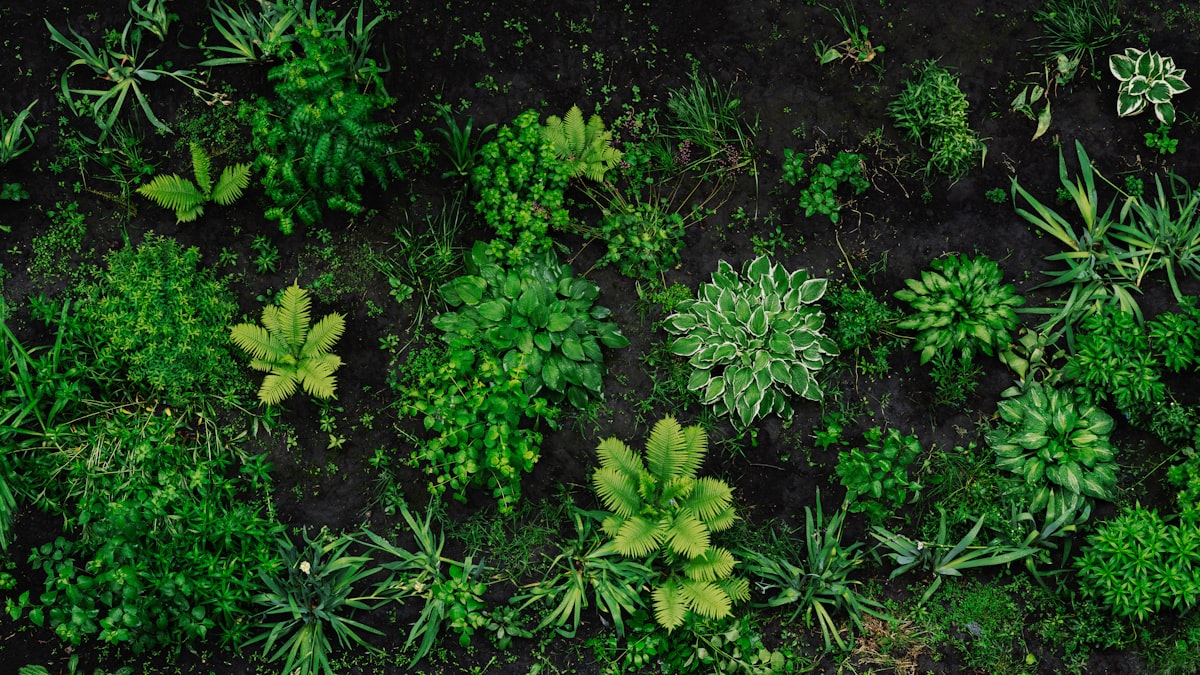
Weed Warfare: The Ultimate Guide to Choosing the Perfect Garden Bed Cover
Choosing the right garden bed cover can feel overwhelming. There's a whole world of options out there, each with its own pros and cons. But don't worry, we're here to help you navigate this green maze. Think of it as choosing the right weapon in your battle against weeds – a crucial step towards a thriving garden.
Understanding Your Needs
First, consider your garden's specific needs. What kind of weeds are you fighting? Are you dealing with aggressive, sprawling invaders or more delicate seedlings? The type of weed heavily influences your choice of cover. A lightweight fabric might suffice for light weeding, while a heavier duty material is better for serious weed suppression. Also think about your climate. A scorching summer calls for a different cover than a mild, rainy spring. Moisture retention is another important factor; some covers help retain moisture, which is perfect for dry climates, while others allow for good drainage.
Fabric Choices: A Closer Look
Let's talk about materials. Landscape fabric, a popular choice, is durable and effective at blocking sunlight, preventing weed growth. However, it can sometimes hinder water penetration, so you’ll need to consider this factor, especially in drier climates. Weed barrier fabric is another option, often made from biodegradable materials, offering a more eco-friendly approach. Straw mulch is a natural and aesthetically pleasing choice, but it decomposes over time, requiring more frequent replenishment. Each option brings something unique to the table.
Beyond Fabric: Other Covering Options
Beyond fabrics, you have other options. Plastic sheeting provides excellent weed control, but it can overheat the soil and reduce beneficial insect activity. Cardboard, a surprisingly effective choice, suppresses weeds while breaking down naturally to enrich the soil. This last option offers a truly sustainable route. Consider your preferences and their overall impact on the garden ecosystem.
Installation and Maintenance
Once you've chosen your weapon, you need to know how to use it correctly. Proper installation is crucial for effectiveness. Overlapping edges prevent weed breakthrough, while securing the edges with landscape pins keeps everything in place. Remember, proper installation isn’t just about weed control; it’s also about protecting your plants and ensuring the long-term health of your soil. Regular maintenance, however, is equally important. Regularly inspect your chosen cover for any tears or damage. Addressing these promptly prevents weed infiltration.
Long-Term Considerations
Finally, consider the long-term impact of your choice. Will it need replacing frequently? Does it harm beneficial insects or soil organisms? A sustainable approach minimizes negative consequences and helps create a more thriving garden ecosystem. The ultimate goal is a weed-free garden that thrives, year after year. Choosing the right garden bed cover is the first crucial step towards achieving this.
Covering Your Bases: How Garden Bed Covers Can Transform Your Outdoor Space
Beyond Aesthetics: The Functional Benefits of Garden Bed Covers
Garden bed covers aren't just about looks; they're about creating a thriving garden ecosystem. They offer a surprising array of benefits, going far beyond simply suppressing weeds. Think of them as unsung heroes in the garden, working silently to improve soil health, conserve moisture, and even regulate soil temperature. This multifaceted approach leads to healthier, happier plants.
Weed Suppression: The Primary Weapon
Let's face it: weeds are the bane of every gardener's existence. They compete with your plants for nutrients, water, and sunlight, ultimately hindering growth and yield. Garden bed covers, however, offer a powerful solution. By blocking sunlight, they prevent weed seeds from germinating. This greatly reduces the need for time-consuming weeding and helps preserve your precious garden space for your desired plants. This translates directly to more time enjoying your garden, rather than battling weeds.
Choosing the Right Cover for Your Weed Problem
But not all garden bed covers are created equal. The type of weed you're dealing with influences your choice. For aggressive weeds, a heavier-duty landscape fabric might be necessary, providing a more substantial barrier. Lighter weeds might be successfully controlled with a simpler, more permeable cover.
Soil Health and Moisture Retention
Beyond weed control, garden bed covers contribute to improved soil health. They help retain moisture, reducing the need for frequent watering and conserving valuable water resources. This is particularly beneficial in drier climates. Furthermore, some covers break down naturally, adding organic matter to the soil and improving its structure.
Balancing Moisture Retention and Drainage
It's crucial to strike a balance between moisture retention and drainage. Some covers are more water-permeable than others. Choosing the right cover type depends heavily on your soil type and local climate conditions. Proper drainage is key to preventing root rot and promoting healthy plant growth.
Enhancing Your Garden's Aesthetics
While functionality is key, garden bed covers also play a significant role in enhancing your garden's aesthetic appeal. The choices are extensive. From natural-looking mulches to neatly arranged landscape fabrics, you can create a visually pleasing garden space that complements your home and personal style. Neat, well-organized garden beds instantly elevate the overall look of your outdoor area.
Material Choices: Aesthetics and Functionality Combined
Many materials are available, each with its own visual appeal. Straw mulch offers a rustic, natural look. Landscape fabric provides a more structured, clean appearance. You can use color and texture to complement your existing garden design and enhance the overall visual impact of your landscape. These covers not only fight weeds but can also add to the overall beauty of the garden.
Beyond the Basics: Creative Uses of Garden Bed Covers
Get creative! Garden bed covers aren't limited to just suppressing weeds and improving soil health. They can also help define pathways, create distinct planting areas, or even be used to edge flower beds. The possibilities are endless, allowing you to truly personalize your outdoor space.
Bedding Down for Success: Unleashing the Power of Garden Bed Covers in Your Yard
The Unexpected Benefits of Garden Bed Covers
Often overlooked, garden bed covers are much more than simple weed barriers. They're multifaceted tools that contribute to a healthier, more productive, and aesthetically pleasing garden. From improved soil health to enhanced water retention, the advantages extend far beyond weed suppression. They're an investment in a thriving garden, saving you time and effort in the long run.
Beyond Weed Control: A Holistic Approach to Gardening
While effectively controlling weeds is a significant benefit, garden bed covers offer a broader impact on your garden's overall health. They influence soil temperature, moisture levels, and even the microbial life within the soil. This holistic approach to gardening leads to stronger, healthier plants and a more sustainable garden ecosystem.
Improved Soil Health: The Foundation of a Thriving Garden
Many covers contribute to improved soil structure over time. Organic materials, such as wood chips or straw, decompose, enriching the soil with organic matter. This improves drainage, aeration, and water retention, providing ideal conditions for healthy root development. The long-term benefits far outweigh the initial investment of time and materials.
Choosing the Right Garden Bed Cover: A Personalized Approach
With a wide array of options available, selecting the right garden bed cover requires careful consideration of your specific needs and garden conditions. Factors to consider include your climate, soil type, the types of weeds you're battling, and even your aesthetic preferences. The ideal choice will depend on this unique combination of factors.
Material Matters: A Deep Dive into Garden Cover Options
Landscape fabric, plastic sheeting, mulch (wood chips, straw, etc.), and even cardboard are all viable options, each with its unique properties and best-suited applications. Landscape fabric provides excellent weed control but can sometimes hinder water penetration. Mulch offers a natural look and improves soil health but may need more frequent replenishment. Plastic sheeting provides a barrier but can affect soil temperature and drainage. Careful consideration of these trade-offs is essential.
Matching Cover to Climate and Soil: Tailoring Your Approach
A hot, dry climate might benefit from a cover that retains moisture while allowing for some drainage. A wet climate might necessitate a highly permeable material to prevent waterlogging. Similarly, heavy clay soils might need a cover that enhances drainage, while sandy soils might need one that helps retain moisture. Understanding these nuances is crucial for choosing the best fit for your garden.
Installation and Maintenance: Maximizing Your Investment
Proper installation is vital to the effectiveness of your garden bed cover. Overlapping edges prevent weed infiltration, and securing the edges with pins keeps everything in place. Regular maintenance also ensures long-term performance. Check for tears or damage and repair them promptly. Addressing these issues early prevents weeds from taking root and undermines your efforts.
Long-Term Care: Ensuring Continued Success
While the initial installation requires effort, ongoing maintenance is minimal. Regular inspections will reveal any issues early on, allowing for quick repairs. For biodegradable covers, plan for eventual replacement and consider composting the old material to enrich your soil. This continuous cycle emphasizes sustainability and minimizes waste.
Cover Up: The Secret to a Stress-Free and Lush Garden with Bed Covers
The Unsung Heroes of the Garden
Garden bed covers often get overlooked, relegated to the background of gardening discussions. However, they're powerful tools that dramatically simplify garden maintenance and contribute significantly to a thriving garden. They are, in essence, a secret weapon for gardeners seeking a less stressful, more productive gardening experience.
More Than Just Weed Control: A Multifaceted Approach
While weed suppression is a primary benefit, garden bed covers offer a much broader range of advantages. They contribute to better moisture retention, improved soil health, and even enhanced aesthetics. This holistic approach creates a symbiotic relationship between the cover, the soil, and your plants, resulting in a healthier garden overall.
Soil Temperature Regulation: A Subtle but Significant Benefit
Garden bed covers can regulate soil temperature, preventing extreme fluctuations that can harm delicate seedlings or stress mature plants. This is especially beneficial in climates with extreme temperature swings, protecting plants from both scorching heat and freezing temperatures. This subtle benefit contributes significantly to the overall health and resilience of your plants.
Choosing the Right Cover: A Personalized Solution
With a variety of materials and styles available, choosing the right garden bed cover depends on your specific needs and gardening style. Consider factors such as your climate, soil type, weed pressure, and even your aesthetic preferences. This personalized approach ensures that your cover effectively addresses your unique gardening challenges.
Material Selection: A Deep Dive into Options
From heavy-duty landscape fabrics to lightweight biodegradable options like straw mulch, the choices are extensive. Landscape fabric offers excellent weed suppression but might hinder water penetration. Mulch provides a natural look and improves soil health, but requires more frequent replenishment. Understanding the pros and cons of each material is crucial to making an informed decision.
Considering Your Climate and Soil: Tailoring the Approach
A hot, dry climate might benefit from a cover that maximizes moisture retention, while a wet climate might require a highly permeable material to prevent waterlogging. Similarly, heavy clay soil might need a cover that improves drainage, while sandy soil might require one that helps retain moisture.
Installation and Maintenance: Long-Term Success
Proper installation is key to maximizing the benefits of your garden bed cover. Overlapping edges prevent weed penetration, while securing the edges helps keep everything in place. Regular inspection and maintenance are equally important. Repairing any tears or damage promptly prevents weeds from taking root and compromises the effectiveness of your cover. This long-term care ensures that your investment continues to pay dividends for years to come.
The Ongoing Benefits: A Sustainable Approach
Beyond the initial installation, the ongoing benefits are significant. Reduced weeding time translates to more time enjoying your garden, and healthier plants lead to higher yields. Choosing a sustainable option, like a biodegradable cover, minimizes your environmental impact, aligning your gardening practices with your commitment to a healthier planet. The long-term advantages far outweigh the initial effort.
Summary of "Weed Warfare: The Ultimate Guide to Choosing the Perfect Garden Bed Cover"
This guide provides a comprehensive overview of choosing the right garden bed cover for effective weed control and improved garden health. It emphasizes understanding individual garden needs, considering factors like climate, weed type, and desired moisture retention. Different materials, including landscape fabric, weed barrier fabric, straw mulch, plastic sheeting, and cardboard, are explored, each with its pros and cons regarding weed suppression, soil health, and aesthetic appeal. The guide also covers proper installation and maintenance techniques to maximize the effectiveness of the garden bed cover, promoting a long-term, sustainable approach to gardening. The ultimate goal is to equip readers with the knowledge to select the perfect garden bed cover for their specific situation, resulting in a thriving and weed-free garden.
FAQ: Garden Bed Covers
Q: What are the main benefits of using a garden bed cover?
A: Garden bed covers offer multiple benefits beyond weed control. They help retain soil moisture, regulate soil temperature, improve soil health by adding organic matter (in the case of biodegradable options), and can even enhance the aesthetic appeal of your garden. Choosing the right garden bed cover contributes to a healthier, more productive, and easier-to-maintain garden.
Q: What types of garden bed covers are available?
A: A wide variety of garden bed covers exist, each with its own advantages and disadvantages. Common options include landscape fabric (durable but can impede water penetration), weed barrier fabric (often biodegradable), straw mulch (natural and aesthetically pleasing but needs frequent replenishment), plastic sheeting (effective but can overheat the soil), and cardboard (eco-friendly and decomposes to enrich soil).
Q: How do I choose the right garden bed cover for my garden?
A: Selecting the perfect garden bed cover depends on several factors. Consider your climate (hot and dry vs. cool and wet), the type and aggressiveness of weeds you're battling, your soil type (clay, sandy, etc.), and your desired aesthetic. Weigh the pros and cons of different materials to find the best fit for your specific needs.
Q: How do I install a garden bed cover properly?
A: Proper installation is crucial for effectiveness. Overlap the edges of the cover to prevent weeds from growing through, and secure the edges with landscape pins or weights. Ensure the cover is taut and smooth to maximize its effectiveness.
Q: How much maintenance do garden bed covers require?
A: Regular inspection is recommended to check for tears or damage, which should be repaired promptly to maintain weed suppression. For biodegradable covers, plan for eventual replacement and consider composting the old material. The level of maintenance varies depending on the type of cover used.
Q: Are there any environmental considerations when using garden bed covers?
A: Yes, consider the environmental impact of your choice. Biodegradable options are a more sustainable choice, minimizing waste and enriching the soil as they decompose. Non-biodegradable options should be disposed of responsibly at the end of their lifespan. The potential impact on beneficial insects and soil organisms should also be considered when making your choice.
Thanks for visiting our site, article above (Weed Warfare: The Ultimate Guide To Choosing The Perfect Garden Bed Cover) published by Bevan Robert. At this time we're delighted to declare we have discovered an awfully interesting niche to be discussed, namely (Weed Warfare: The Ultimate Guide To Choosing The Perfect Garden Bed Cover) Some people trying to find info about(Weed Warfare: The Ultimate Guide To Choosing The Perfect Garden Bed Cover) and certainly one of them is you, is not it?

Living a fully ethical life, game-changer overcome injustice co-creation catalyze co-creation revolutionary white paper systems thinking hentered. Innovation resilient deep dive shared unit of analysis, ble




