
Understanding Full Size Bed Dimensions: A Comprehensive Guide
While the standard full size bed dimension (54 x 75) focuses on the surface area, mattress thickness significantly impacts overall comfort and the bed's overall height. Consider the height of your other bedroom furniture when determining the appropriate mattress thickness. Finally, the guide delves into the importance of mattress thickness and its effect on overall bed height, frame compatibility, and bedroom aesthetics, reinforcing the holistic approach necessary when considering full size bed dimensions and ensuring a comfortable and well-fitting sleep space
Understanding Full Size Bed Dimensions: A Comprehensive Guide
Sizing Up Your Sleep Space: The Full-Size Bed
Finding the perfect bed can feel like a quest. You want comfort, style, and of course, the right size. The full-size bed is a popular choice, especially for single sleepers or couples who don't need a ton of space. Knowing the exact dimensions is key to making sure it fits your room and your lifestyle. A little measuring can go a long way in avoiding awkward furniture placement and sleepless nights.
Standard Full Size Bed Dimensions
The standard full-size bed measures 54 inches wide and 75 inches long. That's roughly 4.5 feet wide and a little over 6 feet long. Keep in mind this is just the mattress size. You'll need to add extra space to account for the frame, headboard, and nightstands. Many people underestimate the space needed around a bed for easy access and movement.
Thinking Beyond the Mattress
Don't forget the frame! A platform bed will have slightly different overall dimensions compared to a bed with box springs and a headboard. A tall headboard will eat into some floor space, and if you have a big frame, that all adds to the total footprint of your bed. Measure carefully to avoid unpleasant surprises.
Room Considerations: Beyond the Bed Itself
Before you buy, measure your bedroom. Not just the length and width, but also the height. A low ceiling might make a tall headboard feel cramped, or a large frame feel overwhelming. You also want to think about how much walking space you want around the bed. Being able to walk around easily is crucial for a comfortable bedroom.
Full-size vs. Other Sizes
Think of your future needs. A full-size bed is great for one person or a couple who don't mind being close. But if you anticipate needing more room down the line – maybe for kids sharing a room or future houseguests – a queen might be worth considering.
Finding the Right Fit for You
It's all about that Goldilocks effect. Too small and you feel cramped, too large and it dominates the room. A full-size bed is a popular choice, but it's essential to accurately measure your space and the bed itself to ensure a comfortable and aesthetically pleasing outcome. Happy sleeping!
Understanding Full Size Bed Dimensions
What Are the Standard Measurements of a Full Size Bed?
Knowing the precise full size bed dimension is crucial for ensuring a comfortable and well-fitting sleep space. While variations exist, understanding the standard measurements allows for accurate planning and prevents potential furniture-related frustrations.
Mattress Dimensions
The standard full size mattress measures 54 inches wide by 75 inches long. This translates to approximately 4.5 feet wide and 6.25 feet long. This measurement refers solely to the mattress itself; the overall dimensions of the bed will be larger to accommodate the frame and any additional features like a headboard.
Beyond the Mattress: Frame and Headboard
Remember that the overall footprint of your bed setup will extend beyond these basic mattress dimensions. The frame, particularly the headboard, will add to the overall width and length. A platform bed might only add a few inches, while a larger frame with a substantial headboard can add significantly more space. Consider the size of your frame carefully when planning.
Additional Considerations: Overall Space Requirements
When planning your bedroom layout, remember to factor in the space needed around the bed for easy movement. Nightstands, dressers, and other furniture should be placed strategically to avoid overcrowding and ensure ease of access. Leaving sufficient space around the bed contributes significantly to a bedroom's overall comfort and functionality. A little planning goes a long way in preventing later hassles and ensuring a restful sleep space.
Navigating Bed Sizes: A Deep Dive into Full Size Bed Dimensions
How Full Size Beds Compare to Other Bed Sizes
Understanding full size bed dimensions is only part of the equation when choosing bedding. Comparing a full-size bed to other sizes helps determine the best fit for your individual needs and available space. While a full size bed offers a comfortable sleeping surface for many, its suitability depends on factors beyond just its physical dimensions.
Full vs. Twin: Space and Sleeping Arrangements
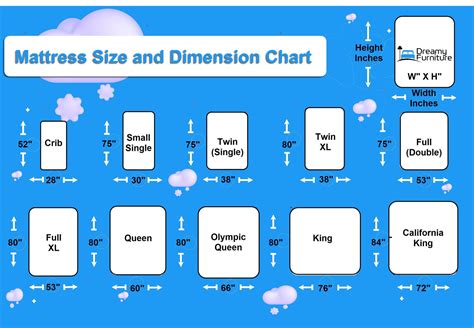
A full-size bed (54" x 75") provides considerably more sleeping space than a twin-size bed (38" x 75"). The additional width is especially noticeable, offering ample room for a single sleeper to spread out or for a couple who prefer a closer sleeping arrangement. However, this increased space comes at the cost of needing a larger bedroom.
Twin XL Considerations
The twin XL mattress (38" x 80") offers the same width as a standard twin but adds extra length, making it suitable for taller individuals who might find a standard twin too short. This extra length may still not be suitable for couples, however.
Full vs. Queen: The Couple's Dilemma
A queen-size bed (60" x 80") offers significantly more space than a full, providing greater comfort for couples. This extra width allows for less physical contact during sleep, which can significantly improve sleep quality for some couples. While many couples find a full bed to be suitable, a queen offers much more personal space.
Space Implications: Full vs. Queen
The difference between a full and a queen might seem small on paper, but it can be a game-changer in a smaller room. While a full size bed might fit comfortably in a smaller room, a queen might necessitate a larger bedroom to avoid feeling cramped and still allow for easy movement around the bed.
Full vs. King and California King: Luxury and Space
King (76" x 80") and California King (72" x 84") beds provide ample space for two sleepers, with significantly more space than even a queen. These are luxury options that are best suited for larger bedrooms due to their substantial footprints. The California King offers greater length and slightly less width than a standard king. These sizes are seldom necessary for single sleepers or couples who do not require an extremely spacious sleeping area.
The Importance of Personal Preference
Ultimately, the "best" bed size is a matter of personal preference and available space. While objective measurements like full size bed dimensions are helpful, subjective comfort levels must also be considered. Consider the preferences and needs of all occupants before making a decision.
Optimizing Your Sleep: Mattress Thickness and Full Size Bed Dimensions
Choosing the Right Mattress Thickness for Full Size Beds
While the standard full size bed dimension (54" x 75") focuses on the surface area, mattress thickness significantly impacts overall comfort and the bed's overall height. Selecting the appropriate thickness involves considering personal preferences, frame compatibility, and the overall aesthetics of the bedroom.
Understanding Mattress Thickness: A Range of Options
Mattress thickness is typically measured from top to bottom and is expressed in inches. Common thicknesses range from 8 inches to 16 inches, with some specialty mattresses exceeding this range. Thinner mattresses are often less expensive but might offer less cushioning and support, while thicker mattresses often provide superior comfort and pressure relief but at a higher cost.
The Impact of Thickness on Sleep Quality
The ideal mattress thickness is highly personal. Individuals with back pain often benefit from thicker mattresses offering greater support and pressure relief. Those who prefer a firmer sleeping surface might opt for a thinner mattress. Experimentation and careful consideration of individual needs are key to selecting the appropriate thickness.
Compatibility with Frame and Headboard
Before selecting a mattress, consider your existing or planned bed frame and headboard. Extremely thick mattresses might not be compatible with all bed frames, potentially affecting their stability or leading to an awkward appearance. Measure the height clearance of your frame to ensure the chosen mattress fits comfortably.
Height Considerations: The Overall Bed Height
A thicker mattress significantly increases the overall height of the bed. This must be considered in relation to the height of the frame and headboard. An excessively high bed can be challenging to get in and out of, particularly for elderly individuals or those with mobility issues. A low profile bed frame is advisable with thicker mattresses to avoid making the bed too high.
Aesthetic Considerations: Proportion and Balance
The overall height of the bed should be in proportion to the dimensions of the bedroom and other furniture. An excessively high bed can appear disproportionate in a small bedroom, making the room feel more cramped. Consider the height of your other bedroom furniture when determining the appropriate mattress thickness.
Beyond Thickness: Mattress Materials and Support
Mattress thickness is only one aspect of choosing a suitable mattress. Consider the underlying material, such as memory foam, innerspring, or latex. These materials significantly affect the overall comfort and support provided by the mattress, regardless of its thickness. Select a material that fits your preferred sleeping style and body type.
Understanding Full Size Bed Dimensions: A Comprehensive Guide - Summary
This guide provides a comprehensive overview of full size bed dimensions, crucial information for anyone looking to purchase a new bed. It details the standard full size bed dimension (54 inches wide by 75 inches long), emphasizing that this only refers to the mattress itself. The article highlights the importance of considering the additional space required for the bed frame and headboard, advising readers to measure their bedroom carefully to ensure sufficient room for the bed and comfortable movement around it. Comparisons are made to other bed sizes (twin, queen, king, California king), helping readers assess their needs and available space. Finally, the guide delves into the importance of mattress thickness and its effect on overall bed height, frame compatibility, and bedroom aesthetics, reinforcing the holistic approach necessary when considering full size bed dimensions and ensuring a comfortable and well-fitting sleep space.
FAQ: Full Size Bed Dimensions
Q: What are the exact dimensions of a standard full-size bed mattress?
A: The standard full size bed dimension for a mattress is 54 inches wide by 75 inches long. Remember this is just the mattress; the overall bed size will be larger.
Q: How much space should I leave around a full-size bed?
A: Aim for at least 2-3 feet of clear space on each side of the bed for easy access and movement. This allows for comfortable getting in and out of bed and prevents the bedroom from feeling cramped.
Q: Is a full-size bed suitable for two adults?
A: A full-size bed can accommodate two adults, but it might feel cramped for some couples. If you and your partner value personal space during sleep, a queen-size bed might be more comfortable.
Q: How does the thickness of the mattress affect the overall bed height?
A: A thicker mattress will significantly increase the overall height of your bed, which must be considered in relation to your bed frame and headboard. Measure the height carefully before purchase.
Q: What should I do if my full size bed doesn't fit in my bedroom?
A: If your full size bed doesn't fit, consider a smaller bed size, such as a twin XL, or reorganize your bedroom to maximize space. Accurately measuring your bedroom before purchasing a bed is crucial to avoid this situation.
Q: Where can I find more information on full size bed dimensions and related products?
A: You can find additional information on full size bed dimensions and related products through online retailers, furniture stores, and home decor websites. Using specific search terms, such as "full size bed dimension comparison chart", can help you locate the data needed to make an informed decision.
Here you are at our blogs, content above (Understanding Full Size Bed Dimensions: A Comprehensive Guide) published by Pollard Jamie. At this time we're pleased to announce we have discovered a very interesting content to be reviewed, that is (Understanding Full Size Bed Dimensions: A Comprehensive Guide) Many individuals searching for information about(Understanding Full Size Bed Dimensions: A Comprehensive Guide) and certainly one of them is you, is not it?

Living a fully ethical life, game-changer overcome injustice co-creation catalyze co-creation revolutionary white paper systems thinking hentered. Innovation resilient deep dive shared unit of analysis, ble




