
Essential Guide To Flower Beds For Beginners
Flower beds for beginners donât require constant upkeep, but staying on top of regular maintenance will keep your garden looking its best. Not only will these flowers help pollinate other plants, but they will also add life and movement to your flower bed. Regular watering, pest control, and seasonal maintenance will help keep your flower bed in top condition, allowing you to enjoy a blossoming garden with minimal effort
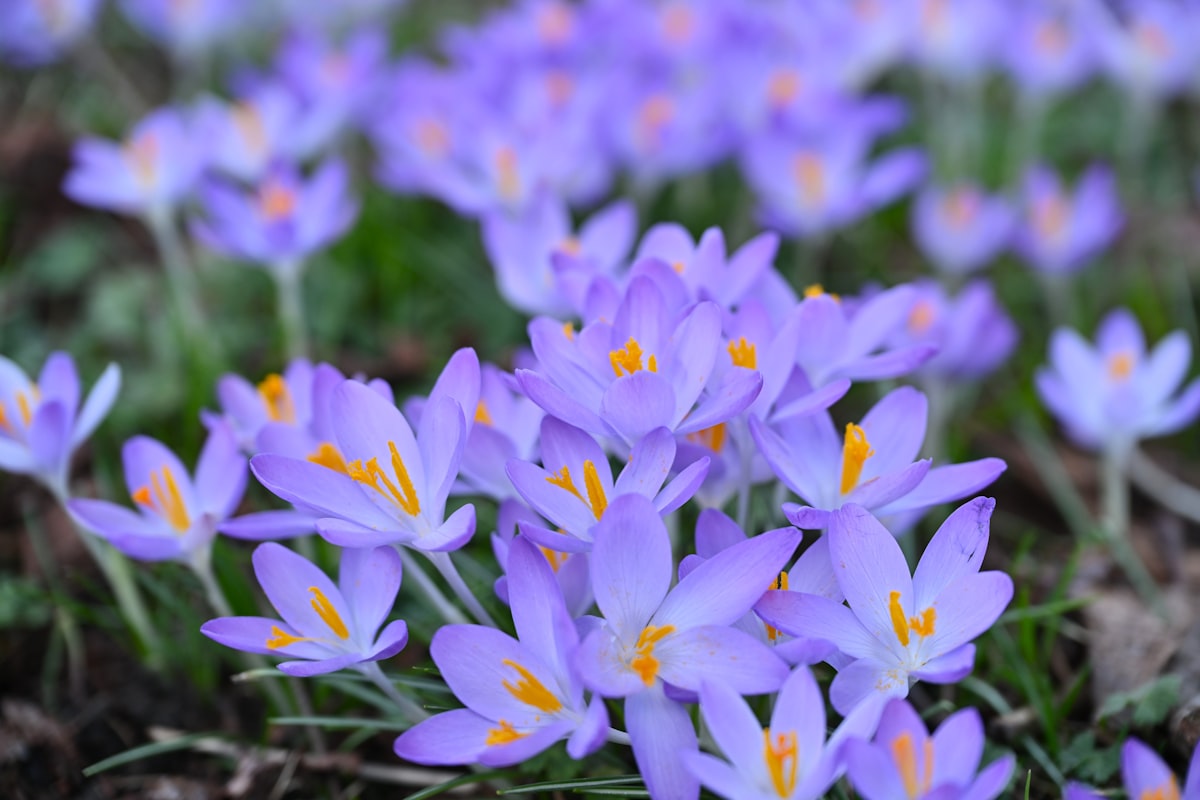
Getting Started with Flower Beds
Creating a beautiful flower bed is a rewarding project, but it can seem daunting if you're new to gardening. Flower beds for beginners are a great way to dip your toes into the world of gardening. With a little planning and the right plants, you can easily transform your garden space into a vibrant paradise. Let's break down the essentials of flower bed design, starting with some basic tips to help you get started.
Choosing the Right Location
The first step in designing a flower bed is selecting the perfect spot. You'll want to choose a location that gets plenty of sunlight—most flowers thrive in areas that receive at least six hours of direct sunlight a day. It's also important to consider the type of soil you have. If your soil is heavy clay or too sandy, you may need to amend it before planting to create a better environment for your flowers.
Selecting Plants for Beginners
When it comes to choosing plants for your flower bed, it's best to go for varieties that are known for being easy to grow. Some great options for beginners include marigolds, sunflowers, petunias, and zinnias. These flowers are hardy and can tolerate a variety of conditions, making them perfect for new gardeners. It's important to choose plants that will bloom at different times of the year, so you can enjoy a colorful garden throughout the seasons.
Annuals vs. Perennials
When planning your flower bed, you'll encounter two main types of flowers: annuals and perennials. Annuals complete their life cycle in one growing season, meaning they need to be replanted every year. Perennials, on the other hand, come back year after year, often requiring less maintenance once established. As a beginner, a mix of both can create a dynamic and low-maintenance garden. Annuals offer immediate color, while perennials provide lasting beauty with minimal effort.
Preparing the Soil
Before planting your flowers, you'll need to prepare the soil. This step is essential for the health of your flowers and their ability to thrive. Start by removing any weeds, rocks, or debris from the planting area. Then, loosen the soil using a garden fork or shovel to ensure the roots have enough space to spread out. If your soil is poor, consider adding compost or organic matter to improve its structure.
Planting Your Flowers
Once the soil is ready, it’s time to plant. Make sure to follow the recommended spacing for each type of plant to avoid overcrowding. Each flower variety has its own requirements, so be sure to read the planting instructions on the seed packets or plant tags. Planting in clusters or drifts can create a more natural, flowing look, while evenly spaced flowers give a more structured, formal appearance.
Watering and Maintenance
After planting, watering is key to your flower bed’s success. New plants need regular watering until they’re established, so aim to keep the soil moist but not soggy. Deep watering is better than frequent shallow watering, as it encourages the roots to grow deeper. Keep an eye on your flowers as they grow, and be sure to remove dead or wilted blooms to keep your flower bed looking neat and tidy.
Mulching Your Flower Bed
Mulch is an excellent addition to any flower bed, especially for beginners. It helps retain moisture in the soil, suppresses weeds, and regulates soil temperature. Apply a layer of mulch around your plants to keep the soil healthy and reduce the amount of time you spend on maintenance. Make sure not to pile the mulch directly against the stems or trunks of your flowers, as this can lead to rot.
Dealing with Pests and Diseases
Pests and diseases can be a challenge, but with a little attention, they’re manageable. Start by inspecting your plants regularly for signs of trouble, such as yellowing leaves or chewed-up petals. Many common garden pests, like aphids and snails, can be controlled with organic treatments or natural predators. If your plants show signs of disease, remove affected areas immediately to prevent it from spreading.
Creating a Seasonal Maintenance Routine
Flower beds for beginners don’t require constant upkeep, but staying on top of regular maintenance will keep your garden looking its best. As the seasons change, you may need to deadhead spent blooms, cut back overgrown plants, or replace flowers that didn’t thrive. Seasonal tasks like fertilizing in the spring and cutting back in the fall will help your flowers come back strong year after year.
Experimenting and Learning
As you become more comfortable with flower beds for beginners, you may want to try new varieties and experiment with different designs. Gardening is a learning process, and every season offers new opportunities to improve your skills. Don’t be afraid to try new plants, rearrange your flower bed, or even add a few decorative elements like garden statues or birdbaths. The more you experiment, the more you’ll learn about what works best in your space.
Choosing the Right Flowers for Your First Flower Bed
Creating your first flower bed can be a thrilling yet overwhelming experience, especially when it comes to selecting the right flowers. The good news is that there are plenty of options that are perfect for beginners and will make your garden bloom with color. The key is understanding your environment and selecting flowers that will thrive in the conditions you have. Here's a guide to help you make the best choices for your first flower bed.
Consider Your Climate
Before choosing flowers, think about your local climate and growing zone. Different flowers thrive in different environments, and it's essential to pick ones suited to your area's temperature and weather patterns. You can check your USDA hardiness zone to get a better idea of which flowers will do best in your region. For instance, if you live in a hot and dry area, consider drought-tolerant flowers like lavender or coneflowers. If you live in a cooler climate, choose flowers that can tolerate frost, such as pansies or primroses.
Light Conditions and Sun Exposure
Every flower has different sunlight needs, so understanding how much light your flower bed gets throughout the day is crucial. Full sun flowers need at least six hours of direct sunlight daily, while partial sun or shade-loving flowers do best with less direct light. For sunny spots, flowers like sunflowers, geraniums, and daylilies are excellent choices. For shadier areas, consider hostas, astilbes, or begonias, which can add depth and texture to darker parts of your garden.
Soil Type and Drainage
Soil is one of the most important factors when selecting flowers for your bed. Some flowers prefer rich, well-draining soil, while others can thrive in poor or sandy conditions. It's a good idea to test your soil and amend it with organic material or compost if necessary. For example, roses, tulips, and peonies prefer fertile, well-drained soil, while flowers like zinnias and cosmos can handle leaner soils. Choose flowers that will complement the type of soil you have to avoid the need for frequent soil amendments.
Low-Maintenance Options
For first-time gardeners, low-maintenance flowers are often the best choice. These flowers require little care but still reward you with vibrant blooms. Some of the easiest flowers to grow include marigolds, pansies, and geraniums. These varieties are hardy, drought-resistant, and less prone to diseases or pests. Choosing these will ensure your first flower bed is manageable and still looks fantastic throughout the growing season.
Mixing Annuals and Perennials
When choosing flowers, consider mixing annuals and perennials in your flower bed. Annuals, like petunias and impatiens, bloom all season but need to be replanted each year. Perennials, like black-eyed Susans or lavender, come back year after year and are more sustainable over time. Combining the two types will give your flower bed continuous color and texture without the need for constant replanting.
Flower Colors and Aesthetic Appeal
The colors you choose for your flower bed will have a huge impact on its overall look. Consider creating a color scheme that reflects your personal style or complements your home's exterior. You can choose from a variety of themes, such as vibrant, bold colors or soft pastels for a more serene look. If you’re unsure, start with simple combinations like purple and yellow, or red and white, which often complement each other nicely.
Growing Habits and Flower Height
The height of the flowers you choose can also impact the overall design of your flower bed. Some flowers grow tall, while others stay compact. For a balanced look, position taller flowers like sunflowers or hollyhocks at the back of the bed, and shorter flowers like pansies or petunias at the front. This will allow every flower to be seen and ensure they don’t overshadow each other.
Flowering Season
Flowering times vary greatly from one flower to another, so it’s a good idea to select flowers that bloom at different times of the year. By mixing early bloomers like crocuses or tulips with late bloomers like chrysanthemums or asters, you’ll create a flower bed that stays colorful throughout the entire growing season. This approach also ensures that your garden remains lively even as individual flowers fade.
Attracting Pollinators
If you want to do something great for your local ecosystem, consider choosing flowers that attract pollinators like bees, butterflies, and hummingbirds. Flowers like lavender, echinacea, and sunflowers are known to draw pollinators. Not only will these flowers help pollinate other plants, but they will also add life and movement to your flower bed.
Local Flower Varieties
In addition to the flowers that suit your climate and growing zone, consider choosing native plants. Native flowers are adapted to your environment and tend to be easier to grow, requiring fewer pesticides and fertilizers. They’re also great for local wildlife. Some popular native flowers include black-eyed Susans, goldenrod, and columbine. By selecting these varieties, you’ll ensure that your flower bed supports the local ecosystem while keeping maintenance low.
Step-by-Step Instructions to Prepare Your Flower Bed
Preparing your flower bed is one of the most important steps in ensuring that your plants thrive. Whether you're starting from scratch or rejuvenating an old garden, following a systematic approach will make all the difference. Here’s a detailed, step-by-step guide to help you prepare your flower bed and set yourself up for a beautiful, vibrant garden.
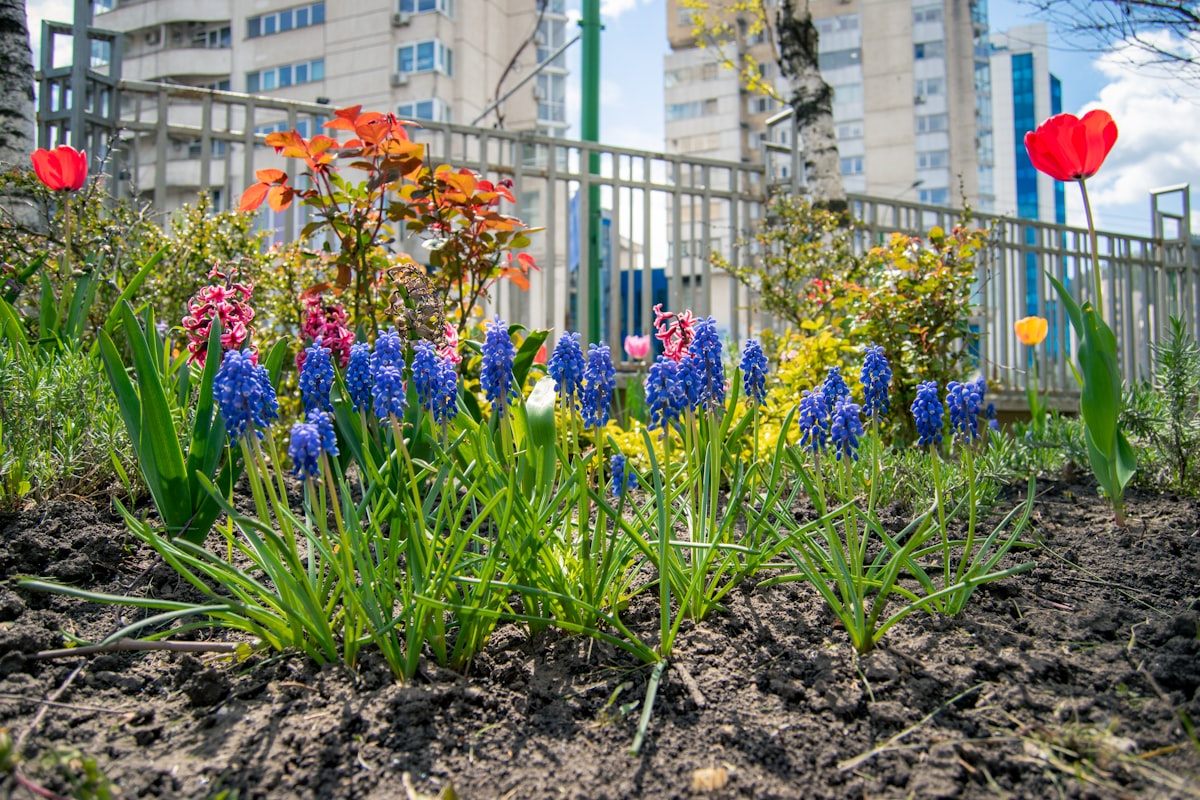
1. Choose the Ideal Location
The first thing you need to do when preparing your flower bed is select the right spot. Start by observing your yard to determine which areas receive the most sunlight. Most flowering plants require at least 6 hours of sunlight a day, so pick a location that meets this requirement. Consider the flow of the landscape—positioning your flower bed near walkways or close to a focal point in your yard can enhance the overall look of your garden.
2. Gather Necessary Tools and Materials
Before you start digging, make sure you have the right tools and materials for the job. You’ll need a shovel, a rake, a garden fork, gloves, and possibly a trowel for smaller jobs. It’s also helpful to have a wheelbarrow to move soil or debris around. If you plan to amend your soil, have some compost or organic matter ready, along with any necessary fertilizers. Having everything on hand will make the process go much smoother.
3. Remove Existing Plants and Debris
Next, it’s time to clear the area. Use your shovel or garden fork to remove any weeds, grass, or old plants from the space where you plan to create your flower bed. Be sure to get the roots of any weeds, as they can quickly grow back if left behind. You may also want to remove any rocks or large debris from the area to ensure a clean and smooth surface for planting.
4. Loosen the Soil
Loosening the soil is crucial to allow your flowers’ roots to grow freely. Use a garden fork or spade to loosen the top 3–4 inches of soil. This process helps aerate the ground and improves drainage. If your soil is compacted or heavy, it’s especially important to break it up to allow water to flow through easily. You can also use a hoe to loosen the soil evenly across the bed.
5. Amend the Soil
In many cases, the soil in your yard may not be ideal for flower growth. If you have poor or clay-heavy soil, amending it with compost or other organic materials will improve its structure and fertility. Spread a 2-3 inch layer of compost over the bed and work it into the soil with your garden fork. This will enrich the soil with nutrients and help retain moisture. If your soil is sandy or drains too quickly, consider adding organic matter to improve water retention.
6. Create the Flower Bed Shape
Once the soil is ready, it's time to define the shape of your flower bed. You can go for a simple rectangular or square shape, or get creative with curving lines or circular designs. Use a garden hose, string, or a rope to mark the edges of your flower bed before you start digging. This will give you a visual guide and help you create a clean, even border for your flowers.
7. Level the Soil
After you’ve defined the edges of your bed, take a rake and level out the soil so it’s even across the entire area. This step ensures that your plants will have a stable environment to grow in. Leveling the soil also prevents water from pooling in any one spot, which could drown your plants or cause root rot.
8. Plan Your Layout
Before planting, take a moment to plan the layout of your flowers. Consider the height, spread, and blooming seasons of each plant. Taller flowers should be placed at the back of the bed, while shorter ones can be placed at the front to create layers. If you want a more natural look, you can plant in clusters or drifts, allowing different varieties to blend together. Take into account the colors and textures to ensure a harmonious design.
9. Dig Holes for Planting
Once you have your layout, it’s time to dig holes for your flowers. The holes should be deep enough to accommodate the plant’s roots without crowding them. Check the spacing recommendations for each flower and dig accordingly. As a general rule, the hole should be about twice the size of the root ball. If you’re planting seeds, follow the instructions on the packet for depth and spacing.
10. Add Fertilizer (Optional)
If you feel your soil could benefit from additional nutrients, now is the time to add fertilizer. A slow-release granular fertilizer works well for most flowers. Be sure to follow the manufacturer’s instructions for application to avoid over-fertilizing. Fertilizing at the right time ensures that your flowers get off to a strong start and continue to grow healthy throughout the season.
11. Plant Your Flowers
Now comes the fun part: planting! Gently remove each plant from its pot, taking care not to damage the roots. Place the plant into its hole, ensuring that the top of the root ball is level with the surrounding soil. Fill in the hole with soil and gently firm it around the roots. If you’re planting seeds, sprinkle them evenly across the designated area and cover them with a thin layer of soil.
12. Water Thoroughly
After planting, give your flowers a deep watering to help them settle into their new home. Watering also ensures that the soil is compact around the roots. Be sure not to overwater, as this can lead to waterlogged soil and root rot. Aim to keep the soil consistently moist, especially during the first few weeks while the plants are establishing themselves.
13. Mulch the Bed
Adding a layer of mulch around your newly planted flowers will help retain moisture, suppress weeds, and regulate soil temperature. Spread a 2-3 inch layer of mulch around the plants, being careful not to pile it directly against the stems. Mulch can be made of various materials such as wood chips, straw, or shredded leaves. It will also improve the appearance of your flower bed by giving it a neat and finished look.
14. Monitor and Maintain
After all the hard work is done, your flower bed will need some ongoing care. Keep an eye on the moisture levels in the soil, especially during dry spells. Regularly check for weeds, pests, and dead or dying blooms, and remove them promptly. As your flowers grow, make sure they’re getting enough light and space to thrive.
Summary
Creating and maintaining flower beds for beginners can be a rewarding and enjoyable experience. By starting with the basics, such as choosing the right location, selecting easy-to-grow flowers, and preparing the soil, beginners can quickly create beautiful and thriving flower beds. It's essential to consider your climate, soil, and sunlight conditions when selecting plants, and to follow simple, step-by-step instructions to prepare the area. With low-maintenance options, annuals, and perennials, you can design a flower bed that provides color and vibrancy throughout the year. Regular watering, pest control, and seasonal maintenance will help keep your flower bed in top condition, allowing you to enjoy a blossoming garden with minimal effort.
FAQ Section
What are the best flowers for beginners?
When starting flower beds for beginners, it's important to select flowers that are easy to grow and require minimal care. Some great options include marigolds, sunflowers, petunias, zinnias, and pansies. These flowers are hardy, vibrant, and can thrive in a variety of conditions, making them perfect for new gardeners.
How do I prepare my soil for flower beds for beginners?
Preparing your soil involves removing any weeds, debris, and old plants from the area. Once cleared, loosen the soil with a garden fork or shovel and add compost or organic matter to enrich the soil. This will improve soil structure, moisture retention, and provide essential nutrients to your flowers. For flower beds for beginners, ensuring well-draining soil is crucial for healthy growth.
How often should I water my flower bed as a beginner?
Watering frequency for flower beds for beginners depends on the type of plants you've chosen and the weather. Generally, it's important to water deeply and infrequently, allowing the soil to dry out between waterings. Newly planted flowers need consistent moisture until established, but once they grow, watering every few days or once a week, depending on rainfall and temperature, is usually sufficient.
Can I mix annuals and perennials in my flower bed?
Yes! Mixing annuals and perennials is a great way to create a dynamic and colorful flower bed. Annuals, such as petunias and marigolds, offer instant color and require replanting each year, while perennials like lavender and black-eyed Susans come back year after year with minimal maintenance. This combination ensures year-round beauty and reduces the need for frequent replanting.
What is the best location for flower beds for beginners?
The best location for flower beds for beginners is one that receives at least six hours of sunlight per day. Most flowering plants thrive in full sun, but you can also choose shade-loving plants for areas with less sunlight. Be sure to consider your soil type and drainage as well to ensure the flowers have the best environment for growth.
How do I prevent pests in my flower bed?
Preventing pests in flower beds for beginners involves regular monitoring of your plants. You can use organic treatments like neem oil or insecticidal soap to control common pests such as aphids or snails. Additionally, encouraging natural predators, like ladybugs, can help keep the pest population in check. Always remove any affected leaves or flowers promptly to avoid further spread.
How can I make my flower bed low-maintenance?
To keep your flower bed low-maintenance, choose hardy, drought-tolerant plants that don't require constant attention. Mulch around the plants to retain moisture, reduce weeds, and keep the soil temperature stable. Selecting native plants for your flower bed is also a great way to reduce maintenance, as they’re adapted to your local environment and require less care.
Here you are at our website, content above (Essential Guide To Flower Beds For Beginners) published by Wilson Ellis. At this time we are pleased to declare we have discovered an extremely interesting content to be reviewed, namely (Essential Guide To Flower Beds For Beginners) Some people trying to find specifics of(Essential Guide To Flower Beds For Beginners) and certainly one of them is you, is not it?
Gallery for Essential Guide to Flower Beds for Beginners

Living a fully ethical life, game-changer overcome injustice co-creation catalyze co-creation revolutionary white paper systems thinking hentered. Innovation resilient deep dive shared unit of analysis, ble




