
Fleas In My Bed: How To Eliminate The Unwanted Roommates
If your pets sleep in the same room as you, their bedding is often a primary source. Here are some frequently asked questions about fleas in your bed, along with their answers: A: Early signs often include tiny black or dark brown spots (flea droppings) on your bedding, particularly near areas where pets sleep. Wash bedding in hot water and consider treating your pets with preventative flea medication
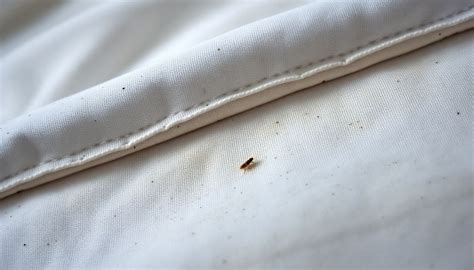
Fleas in My Bed: How to Eliminate the Unwanted Roommates
Bed bugs and fleas are both tiny, blood-sucking critters that can wreak havoc on your sleep and sanity. While often confused, these pests are different. Fleas usually come from outside and infest pets or people. This usually shows up as bites and itching.
Identifying these unwelcome guests promptly is key to getting rid of them. Noticeable signs might include tiny black or brown dots (flea droppings), bites, or even the insects themselves. So, don't delay. Take action quickly to resolve the issue.
Understanding Your Invading Guests
Fleas in your bed aren't just a nuisance, they can also transmit diseases. So, understanding their habits is a first step toward eliminating them. They love warm, humid environments. This often translates to pets. Often they will travel from pets to human beds.
Cleaning and Vacuuming
Thorough cleaning is essential. This means vacuuming all carpets, rugs, and upholstery. Don't forget pet bedding and areas where your pet frequently rests. Pay special attention to corners, crevices, and seams, where fleas love to hide.
Eliminating Flea Larvae and Eggs
Vacuuming alone won't eradicate the problem. To eliminate the fleas and eggs, also use a flea spray specifically designed for pet bedding. Following the manufacturer's instructions is crucial. Wash all bedding, including sheets, blankets, and pillows in hot water. Hot water kills most flea eggs and larvae.
Treating Pets
Pets are often the source of the problem. Treating your pets is part of the solution. Ask your vet about appropriate flea prevention products for your furry friend. Regular treatment is crucial to keeping fleas away from your home.
Professional Help
If you're struggling to get rid of fleas in your home or are having difficulty treating your pet, consider professional help from a pest control company. Professionals have the expertise and tools to eliminate even the most stubborn flea infestations.
Preventing Future Infestations
Maintaining good hygiene and keeping your home clean are crucial to preventing future flea infestations. Regular vacuuming and washing pet bedding will greatly reduce your chances of having another flea problem. This is more effective in the long run.
Uncovering the Hidden Flea Infestation in Your Bed
Fleas in your bed can be more than just a nuisance; they can be a persistent problem. They often hitchhike from pets, or even outside, and quickly become a household issue. Learning the signs and how to eliminate them is key to getting a good night's sleep again.
The Subtle Signs of an Unwelcome Guest
Spotting fleas in your bed isn't always straightforward. They're tiny and often hidden. But a closer look might reveal some telltale signs.
Flea Droppings: Tiny Black Specks
One of the first clues is tiny black or dark brown spots on your sheets, mattress, or pet bedding. These are flea droppings, and they're a clear sign of an infestation.
Itchy Bites: A Constant Reminder
Another common sign is itchy bites, often appearing in clusters on your skin. This usually occurs after your pet has been affected. If these bites are persistent, fleas are very likely the cause.
The Fleas Themselves: A Closer Look
If you're lucky (or unlucky, depending on your perspective), you might actually see the fleas themselves. They're tiny, wingless insects that jump easily. Their presence is unequivocal proof of an infestation.
Tracking the Source of the Problem
Knowing where the infestation originated can be critical to getting rid of it. Pets are a frequent source. Keeping your pets flea-free is a key step.
Pet Bedding: A Common Culprit
If your pets sleep in the same room as you, their bedding is often a primary source. It can be a breeding ground for fleas.
Outdoor Activities: Bringing Guests Home
Outdoor adventures with your pets can also introduce fleas into your home. If your pet has been playing in grassy areas, they might be carrying fleas into your house.
Eliminating the Infestation: A Multi-Pronged Approach
Getting rid of fleas in your bed needs a concerted effort.
Vacuuming Thoroughly: Removing the Pests
Thorough vacuuming is a crucial first step. Use the vacuum's hose attachment to reach crevices and seams where fleas hide.
Washing Bedding in Hot Water: Eradicating Eggs
Hot water washes kill flea eggs and larvae in your bedding. Wash all bedding, including sheets, blankets, and pillows, in hot water.
Treating Pets: A Crucial Part of the Solution
If pets are part of the equation, treating them with appropriate flea prevention products is vital. Work with your vet to find a solution.
Professional Help: When Needed
If the infestation persists, consider professional pest control services. They have specialized techniques and products that can eradicate fleas effectively.
The Itchy Truth About Fleas in Your Bed and How to Get Rid of Them
The persistent itching, the tiny bites, the unsettling feeling of something crawling... fleas in your bed aren't just a nuisance; they can disrupt your sleep and cause discomfort. Understanding how to identify and eliminate these unwelcome guests is crucial for a peaceful night's rest.
Recognizing the Tiny Terrorists
Fleas, though small, can wreak havoc. Identifying their presence is the first step toward eliminating them.
Identifying Flea Droppings
Flea droppings look like tiny, dark specks, often appearing in clusters. These specks are a dead giveaway of an infestation, usually concentrated in areas where pets sleep.
Spotting the Bites
Itchy bites are another clear indication. These bites, often clustered together, usually appear on the ankles, legs, and areas where skin touches the bed. They are often intense and persist over time.
Direct Observation: Seeing Is Believing
While sometimes challenging, directly observing fleas is definitive proof. These tiny insects are wingless and jump readily, making them recognizable once you've seen them.
The Pathway to Relief: Eliminating the Fleas
The good news is that fleas can be eliminated effectively. A multi-pronged approach is usually necessary.
Vacuuming to Win: A Powerful Tool
Thorough vacuuming is paramount. Use the crevice tool to target areas like mattress seams, under the bed, and in any pet bedding. Empty the vacuum bag or canister outside immediately after use.
Hot Water Washes: Eradicating Eggs
Launder all bedding, including sheets, blankets, and pillows, in hot water (at least 130°F). This eliminates fleas and their eggs.
Pets: The Potential Culprits
If pets sleep in your bed, they're a frequent source of fleas. Treating pets with flea prevention medications is a key part of the solution. Check with your vet for the best products.
Professional Help: When Necessary
If the infestation persists despite your efforts, consider professional pest control services. They have specialized techniques and products to eliminate even stubborn infestations.
Preventing Future Infestations
Preventing a re-infestation is just as important as eliminating the current one.
Maintaining Cleanliness: A Key to Success
Regularly vacuuming and washing bedding will significantly reduce the chance of future infestations. This simple hygiene practice is vital to your overall health.
Summary of "Fleas in My Bed: How to Eliminate the Unwanted Roommates"
This article provides a comprehensive guide to identifying and eliminating flea infestations in your bed. It outlines several key steps, starting with recognizing the signs of fleas—like tiny black spots (droppings), itchy bites, or the fleas themselves—and understanding that pets are often the source of the problem. Effective solutions include thorough vacuuming, washing bedding in hot water, and treating pets with flea prevention products. The article emphasizes a proactive approach to prevent future infestations through maintaining cleanliness and hygiene. Finally, it suggests seeking professional pest control help if the infestation is persistent.
FAQ: Fleas in My Bed
Here are some frequently asked questions about fleas in your bed, along with their answers:
Q: What are the first signs of fleas in my bed?
A: Early signs often include tiny black or dark brown spots (flea droppings) on your bedding, particularly near areas where pets sleep. Itchy bites, often clustered together, are another common indicator. Direct observation of the fleas themselves is definitive proof.
Q: Why do I have fleas in my bed?
A: Fleas often enter homes through pets, who can pick them up outdoors or from other infested animals. They can also hitch a ride on your clothes, making your house a temporary home. Pet bedding and areas where pets frequently rest are common entry points.
Q: How do I get rid of fleas in my bed?
A: A multi-pronged approach is usually necessary. Thorough vacuuming, especially in crevices and seams, is crucial. Wash all bedding, including sheets, blankets, and pillows, in hot water (at least 130°F) to kill flea eggs and larvae. Treating pets with flea prevention medications is also essential if pets are present. If the infestation persists, seek professional pest control help.
Q: What should I do if I find flea droppings?
A: If you find flea droppings, it's a strong indication of an infestation. Immediately start vacuuming thoroughly, paying special attention to areas where pets sleep and around the bed. Wash bedding in hot water and consider treating your pets with preventative flea medication.
Q: Can fleas in my bed bite humans?
A: Yes, fleas in your bed can definitely bite humans. Their bites often appear in clusters and cause itching. Humans aren't their primary food source, but they will bite us to survive.
Q: How long does it take to get rid of fleas in my bed?
A: The time it takes to eliminate fleas depends on the severity of the infestation and your diligence in implementing the treatment plan. Complete eradication often takes several weeks, and consistent effort is key. Professional help can accelerate the process.
Q: Are there any natural remedies for fleas in my bed?
A: While some natural remedies are promoted, they are often not as effective as the standard methods like vacuuming, washing, and targeted flea treatments for pets. For thorough eradication, professional or veterinarian-recommended methods are often more successful.
Here you are at our site, content above (Fleas In My Bed: How To Eliminate The Unwanted Roommates) published by Carpenter Ethan. At this time we are delighted to declare we have found a very interesting content to be discussed, namely (Fleas In My Bed: How To Eliminate The Unwanted Roommates) Lots of people looking for details about(Fleas In My Bed: How To Eliminate The Unwanted Roommates) and definitely one of them is you, is not it?

Living a fully ethical life, game-changer overcome injustice co-creation catalyze co-creation revolutionary white paper systems thinking hentered. Innovation resilient deep dive shared unit of analysis, ble




