
Decoding The Difference: Flea Bites Vs Bed Bug Bites
Flea bites and bed bug bites, while both resulting in itchy welts, stem from distinct causes and are triggered by different factors. Bed bug bites, in contrast to flea bites, arise from the parasitic feeding behavior of bed bugs. Flea bites often appear as clusters on lower extremities, while bed bug bites frequently present as linear patterns on exposed skin
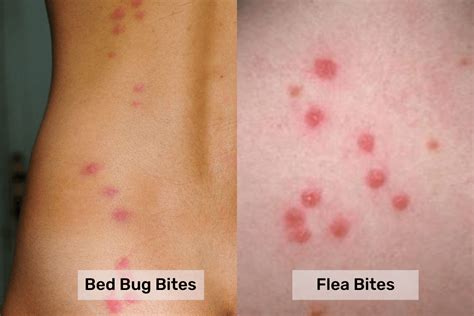
Decoding the Difference: Flea Bites vs Bed Bug Bites
Spotting the Suspects: A Visual Guide
Itching is the common thread, that much is certain. But that relentless scratching could stem from a tiny, hopping vampire or a nocturnal, wingless insect. Identifying the culprit is key to effective treatment. Flea bites often appear in clusters or lines, a telltale sign of their preferred method of feeding – short bursts at various points. Bed bug bites, on the other hand, typically show up in a straight line, a path of misery left behind as the insect feasts. Think of it like this: fleas are quick nippers, bed bugs are more methodical diners.
Location, Location, Location
Where you find the bites offers clues. Flea bites are common on the lower legs and ankles—easy access for those ground-dwelling pests. You might even find them on your pets. Bed bugs, preferring the warmth of your bed, tend to target exposed skin while you sleep. So, check your arms, neck, and shoulders for their handiwork. Think of it as a real-life game of hide-and-seek with tiny, biting villains. Unexpected bites on the face or scalp can point towards bed bugs.
The Itch Factor: Severity and Appearance
The intensity of the itch varies. Some people barely notice flea bites, others experience an intense, persistent reaction. Bed bug bites tend to swell more significantly, sometimes forming a small welt. This doesn’t always happen, though. Reactions to both can range wildly from person to person, depending on individual sensitivities. One person’s mild annoyance could be another’s major skin irritation.
Beyond the Bite: Secondary Infections
Scratching, a very common response, increases the risk of secondary skin infections. Bacteria from your fingers can easily invade broken skin. Keep those nails short, and try to resist the urge to scratch. This is crucial advice for both types of bites, as the consequences of infection are similar.
Tackling the Problem: Treatment and Prevention
Treatment focuses on relieving the itching. Over-the-counter creams and antihistamines can offer welcome relief. For severe reactions, a doctor's visit might be necessary. Prevention, however, is always the best approach. Regular vacuuming, especially in pet areas, helps reduce flea populations. For bed bugs, frequent laundry on high heat, mattress encasements, and potentially professional pest control are essential. The methods are different but the goal remains the same – a bite-free existence.
Professional Help
If you're struggling to identify the culprit or manage the bites, it’s always best to consult a doctor or a pest control professional. They can provide a proper diagnosis and effective treatment plans, giving you peace of mind and a route to relief.
Flea Bites vs Bed Bug Bites: A Comparative Analysis
Identifying the Culprit: Visual Clues and Location
Differentiating flea bites from bed bug bites often hinges on careful observation. Flea bites frequently appear as clusters of small, red bumps, often found on the lower extremities—ankles, legs, and feet—due to fleas’ preference for ground-level access. These bites may be intensely itchy and can sometimes form small, raised welts. In contrast, bed bug bites typically present as a line or cluster of bites, often in a zig-zag pattern. Their location is usually on exposed skin while sleeping, such as the arms, neck, shoulders, and back, though they can also appear on other parts of the body. The bites themselves can be quite varied in appearance, ranging from small, flat red marks to larger, inflamed welts, often surrounded by a pale halo.
Reaction Variability: A Key Distinguishing Factor
Individual reactions to both flea and bed bug bites exhibit considerable variation. While some individuals experience only mild itching and inflammation, others may suffer more severe reactions, including intense itching, significant swelling, or even allergic reactions requiring medical attention. These varied responses complicate diagnosis solely on appearance and symptoms.
Understanding the Biology: Habits and Habitats
Flea bites result from the feeding activity of fleas, small wingless insects that commonly infest pets and sometimes human dwellings. Fleas are highly mobile and jump readily, explaining the dispersed nature of their bites. Their life cycle involves eggs, larvae, pupae, and adult stages, all of which can be found in carpets, bedding, and pet areas. Bed bugs, in comparison, are nocturnal parasitic insects that feed on human blood. Unlike fleas, bed bugs are wingless and move slowly. They typically inhabit mattresses, box springs, furniture, and wall cracks, emerging primarily at night to feed. These key biological differences influence the patterns and locations of bites.
Beyond the Visual: Considering the Context
Understanding the context of the bites significantly aids in accurate identification. Consider the presence of pets, recent travel history, and any observed insects or signs of infestation in the home. The presence of fleas on pets or their bedding often points directly towards flea bites. The discovery of bed bugs or their fecal matter in the bedding or furniture reinforces suspicion of bed bug bites. Combining visual evidence with contextual factors significantly improves diagnostic accuracy.
Management and Treatment Strategies
The management and treatment of both flea and bed bug bites share some common ground. Over-the-counter antihistamines and topical creams can effectively alleviate itching and inflammation. In cases of severe reactions, a doctor’s consultation is essential. However, the long-term management strategies differ significantly. Flea infestations usually require treating pets with appropriate flea medications and thorough cleaning of the home environment. Bed bug infestations, often more complex to resolve, typically involve professional pest control services to effectively eradicate the infestation and prevent recurrence.
Prevention: A Proactive Approach
Prevention is crucial in minimizing the risk of both flea and bed bug bites. Regular vacuuming, keeping pets well-groomed and treated for fleas, and prompt identification and treatment of any infestations are all essential steps. Maintaining a clean home environment, checking luggage carefully after travel, and using protective mattress and box spring encasements are effective measures in preventing bed bug infestations. A proactive and preventative strategy is the most effective approach to long-term avoidance.
Flea Bites vs Bed Bug Bites: A Visual Guide to Identification
Visual Cues: Identifying Flea Bites and Bed Bug Bites
Differentiating between flea bites and bed bug bites can be tricky, as both produce itchy, red welts on the skin. However, a closer look reveals key differences in their appearance and location, offering valuable clues for identification.
Flea Bite Characteristics
Flea bites typically present as small, red bumps, often clustered together or appearing in lines or trails. This is because fleas tend to make multiple quick bites in a short period. The bites themselves are usually relatively small, sometimes less than a few millimeters in diameter. The intense itching associated with flea bites is a hallmark feature, often leading to scratching and potential secondary skin infections. These bites frequently appear on the lower extremities, such as ankles, legs, and feet, as fleas readily access these areas.
Location and Pattern: Crucial Clues
The location of flea bites is an important diagnostic clue. Finding clusters of bites primarily on exposed lower legs and ankles points strongly towards fleas. The scattered, somewhat random appearance of the bites, as opposed to a linear pattern, further reinforces this distinction. While this is generally true, individual reactions and circumstances can lead to variations.
Bed Bug Bite Characteristics
Bed bug bites, in contrast, often present as a series of bites in a straight line or cluster, sometimes described as a “breakfast, lunch, and dinner” pattern. This is due to the bed bug’s feeding habits. The bites themselves can range from small and flat to larger, raised welts, frequently exhibiting a pale halo around the bite. Unlike flea bites, bed bug bites are often found on areas of exposed skin during sleep, such as the arms, neck, face, shoulders, and back.
Linear Patterns: A Bed Bug Signature
The linear or clustered arrangement of bed bug bites is often a distinctive visual marker. Unlike the more random distribution of flea bites, bed bugs tend to feed in a methodical pattern, leaving behind a telltale line or cluster of bites. The location, typically on exposed skin while you sleep, further strengthens the identification of bed bugs as the culprit.
Additional Factors to Consider
Beyond the visual cues, consider the context surrounding the bites. The presence of pets might suggest fleas, while evidence of bed bugs (e.g., fecal spots) in bedding or furniture strengthens the case for bed bugs. Also remember that individual reactions vary, and some people may have more severe or less noticeable reactions to bites.
Flea Bites vs Bed Bug Bites: Understanding the Root Causes
Understanding the Causes and Triggers of Flea and Bed Bug Bites
Flea bites and bed bug bites, while both resulting in itchy welts, stem from distinct causes and are triggered by different factors. Understanding these differences is crucial for effective prevention and treatment.
The Biology of Flea Bites
Flea bites are a direct result of the feeding activity of fleas, small, wingless insects that parasitize mammals, including humans and pets. Fleas are highly mobile, using their powerful legs to jump significant distances. Their primary goal is blood-feeding, piercing the skin to access blood vessels. The saliva injected during this process often causes an allergic reaction in humans, leading to the characteristic itching and inflammation. Flea infestations are common in environments with pets, particularly those with inadequate grooming or pest control. Dirty carpets, cluttered areas, and neglected pet bedding can all serve as breeding grounds for fleas.
Factors Influencing Flea Infestations
Several factors contribute to flea infestations. The presence of pets, especially those spending significant time outdoors, increases the risk significantly. Neglecting regular pet grooming and flea prevention treatments can rapidly escalate a minor issue into a major infestation. Unclean living environments, with accumulated dust, dirt, and debris, provide ideal breeding conditions for fleas, allowing their populations to explode.
The Biology of Bed Bug Bites
Bed bug bites, in contrast to flea bites, arise from the parasitic feeding behavior of bed bugs. These small, wingless insects are nocturnal and feed exclusively on the blood of warm-blooded animals. They are skilled at finding and accessing their hosts, often remaining hidden during the day in crevices, cracks, and bedding. Their feeding involves piercing the skin and injecting saliva, which can cause localized reactions including itching, swelling, and welts. Bed bug infestations can occur in various settings, from homes and hotels to public transportation vehicles. The spread of bed bugs often occurs through travel, as they can easily hitchhike on luggage or clothing.
Factors Contributing to Bed Bug Infestations
Bed bug infestations are often linked to a combination of factors. Travel to areas with known bed bug problems, particularly hotels and motels, significantly raises the risk of introducing these insects into one's home. Lack of proper pest control measures, such as regular inspections and preventative treatments, allows bed bug populations to grow unnoticed. The transfer of infested furniture or bedding also plays a role in spreading infestations.
Individual Reactions: A Crucial Consideration
It's important to note that the intensity of both flea and bed bug bites varies significantly from person to person. Some individuals exhibit only mild reactions, while others develop more severe symptoms, including extensive swelling, intense itching, and allergic reactions. Individual sensitivity to insect saliva plays a major role in these diverse reactions. Pre-existing skin conditions can also influence the severity of the response to bites.
Summary of "Decoding the Difference: Flea Bites vs Bed Bug Bites"
This article explores the key differences between flea bites and bed bug bites, focusing on visual identification, biological factors, and management strategies. It emphasizes that while both cause itchy welts, the appearance, location, and pattern of the bites offer crucial clues for differentiation. Flea bites often appear as clusters on lower extremities, while bed bug bites frequently present as linear patterns on exposed skin. The article delves into the biology of fleas and bed bugs, highlighting their habitats, feeding behaviors, and the factors contributing to infestations. Finally, it outlines treatment options, preventative measures, and when professional intervention is necessary, providing a comprehensive guide to understanding and managing flea bites vs bed bug bites.
Frequently Asked Questions (FAQ)
Q: How can I tell the difference between flea bites and bed bug bites?
A: Flea bites often appear in clusters or lines on the lower legs and ankles, while bed bug bites typically form lines or clusters on exposed skin, particularly on the arms, neck, and shoulders. However, individual reactions vary, so visual identification alone isn't always definitive. Consider the location of the bites and the presence of pets or signs of infestation (fleas on pets, bed bugs or droppings in bedding).
Q: Are flea bites and bed bug bites dangerous?
A: Most flea and bed bug bites cause only mild discomfort and itching. However, severe reactions are possible, including allergic reactions and secondary skin infections from excessive scratching. If you experience significant swelling, intense itching, or signs of infection, consult a doctor.
Q: How do I treat flea and bed bug bites?
A: Over-the-counter hydrocortisone cream or antihistamines can alleviate itching and inflammation. Avoid scratching to minimize the risk of infection. For severe reactions, see a doctor.
Q: How can I prevent flea bites?
A: Regular grooming and flea prevention treatments for pets are crucial. Frequent vacuuming, especially in pet areas, helps eliminate fleas and their eggs. Washing pet bedding frequently in hot water also helps.
Q: How can I prevent bed bug bites?
A: Regularly inspect your mattress, box springs, and bedding for signs of bed bugs. Use mattress encasements to prevent bed bugs from accessing the mattress. Be cautious when traveling and inspect hotel rooms before unpacking. Consider calling professional pest control if an infestation is suspected.
Q: I think I have either fleas or bed bugs – what should I do?
A: If you're unsure whether you're dealing with fleas or bed bugs, or if you're struggling to manage the infestation, consult a doctor or a pest control professional. They can accurately identify the pest and recommend effective treatment and prevention strategies.
Q: Do flea bites and bed bug bites look the same?
A: While both flea bites and bed bug bites can appear as red, itchy bumps, their patterns differ. Flea bites often cluster, while bed bug bites tend to appear in lines. However, individual reactions vary significantly, making visual identification alone sometimes unreliable in the flea bites vs bed bug bites dilemma.
Thanks for visiting our site, article above (Decoding The Difference: Flea Bites Vs Bed Bug Bites) published by Hartley Harley. Hodiernal we're excited to declare we have found an awfully interesting content to be discussed, that is (Decoding The Difference: Flea Bites Vs Bed Bug Bites) Some people searching for information about(Decoding The Difference: Flea Bites Vs Bed Bug Bites) and certainly one of these is you, is not it?

Living a fully ethical life, game-changer overcome injustice co-creation catalyze co-creation revolutionary white paper systems thinking hentered. Innovation resilient deep dive shared unit of analysis, ble




