
Exterminate Bed Bugs: The Ultimate Guide To Getting Rid Of These Pesky Pests
These tools not only help detect an issue early but also prevent bugs from climbing onto your bed. Professionals can spot subtle signs of bed bugs or other pests and provide advice tailored to your home. Spotting these signs early can help you exterminate bed bugs before they spread
Understanding the Bed Bug Problem
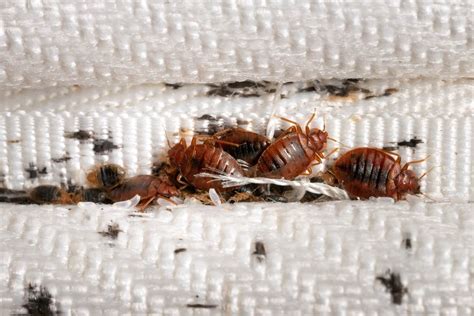
Bed bugs are more than just a nuisance. These tiny, reddish-brown insects are experts at hiding in cracks, crevices, and even your furniture, making them notoriously hard to deal with. They feed on human blood, usually while you're sleeping, leaving behind itchy bites that can be frustrating to deal with. The worst part? Bed bugs can spread rapidly if not dealt with effectively.
You might first notice signs like small blood stains on your sheets or clusters of bites on your skin. Sometimes, a sweet, musty odor can signal an infestation. Ignoring the problem only makes it worse. Early detection is key if you want to exterminate bed bugs before they take over your space.
Why Bed Bugs Are So Hard to Kill
Bed bugs are resilient. They can survive months without feeding and are resistant to many insecticides. Their ability to hide in the tiniest spaces makes them difficult to locate. What’s worse is how fast they reproduce, laying eggs in hidden spots that can hatch in just a couple of weeks.
Many DIY treatments may only work temporarily or miss the problem entirely. If you’re not thorough, you might kill a few bugs but leave eggs or hidden adults behind. That’s why tackling the issue with a well-planned approach is crucial.
Signs You Have a Bed Bug Infestation
Physical Symptoms of Bites
Waking up with red, itchy welts is often the first clue. These bites usually appear in clusters or lines, especially on areas of the body exposed during sleep.
Visible Evidence Around Your Home
Check your mattress seams, headboard, and furniture for small black spots or tiny white eggs. You might also spot live bugs crawling in hidden areas or notice a rusty discoloration from crushed insects.
Step-by-Step Approach to Exterminate Bed Bugs
Step 1: Declutter and Prepare the Area
Clear out items near the infested areas, but be careful not to spread the bugs. Place clothing, linens, and other items in sealed plastic bags for cleaning.
Step 2: Deep Clean Everything
Vacuum every corner, focusing on cracks, mattresses, and baseboards. Use a brush attachment to scrub surfaces where eggs may be hidden. Wash all bedding, clothing, and curtains in hot water, then dry on high heat to kill bugs and eggs.
Step 3: Use Heat Treatments
High temperatures are one of the most effective ways to exterminate bed bugs. Steam cleaners can penetrate deep into mattresses and furniture, killing bugs and eggs on contact.
Step 4: Apply Chemical Treatments Wisely
Insecticides designed for bed bugs can be effective but must be used carefully. Look for products with proven ingredients like pyrethroids, and always follow the label instructions. For severe infestations, professional-grade treatments may be necessary.
Step 5: Monitor and Repeat
Even after a thorough cleaning, keep an eye out for new signs. Use traps or encasements on mattresses to prevent reinfestation and make detection easier.
When to Call the Professionals
If your efforts don’t seem to make a dent or the infestation spreads, it’s time to bring in pest control experts. They have access to specialized tools and treatments that go beyond what’s available to homeowners. A professional inspection can also ensure that no hidden nests are left behind.
Understanding the Bed Bug Infestation: How to Spot the Signs Early
Bed bugs are masters of concealment, often going unnoticed until the infestation is well underway. These pests thrive in human environments, finding their way into homes, hotels, and even public transportation. Early detection is your best weapon to prevent a minor issue from turning into a widespread problem. Knowing what to look for can save time, effort, and money.
Why Early Detection Matters
Bed bugs multiply quickly. A single female can lay hundreds of eggs in her lifetime, and those eggs hatch in about 10 days. Once established, they spread through walls, furniture, and personal belongings. Catching them early minimizes the risk of severe infestations and reduces the resources needed to eliminate them.
Common Hiding Spots to Inspect
Around the Bed
Start with the bed itself. Inspect the seams and folds of your mattress, as well as the crevices of your box spring. Bed bugs often nest close to where their hosts sleep, as it provides easy access to food.
Furniture and Upholstery
Look at chairs, sofas, and other upholstered furniture. Pay special attention to stitching, zippers, and any gaps where the bugs might hide. Even wooden furniture with cracks or joints can become a safe haven for these pests.
Walls, Floors, and Clutter
Check baseboards, wall outlets, and cracks in the flooring. Bed bugs are opportunistic and will use any small space to stay out of sight. Clutter around your home provides even more hiding places, so keeping areas tidy is critical.
Visual Clues That Indicate Infestation
Stains and Spots
Tiny rust-colored or black spots on sheets and mattresses are often the first visible signs. These are bed bug excrement or the result of crushed bugs. If you notice these stains, it’s time to investigate further.
Eggs and Shell Casings
Bed bug eggs are small, white, and oval-shaped, often hidden in clusters. Shell casings from molting nymphs might also be visible in their hiding spots.
Live Bugs
While less common early on, you might spot live bed bugs if the infestation has begun to grow. They’re about the size of an apple seed and are reddish-brown in color.
Behavioral Clues to Watch For
Unexplained Bites
Bed bug bites are typically painless at first but can become itchy and inflamed over time. They often appear in straight lines or clusters, particularly on areas exposed during sleep.
Unusual Odors
In more severe cases, bed bugs can emit a musty, sweet odor. This smell is caused by their pheromones and is more noticeable in confined spaces.
Tools to Aid in Detection
Using tools like a flashlight or magnifying glass can help with detailed inspections. Sticky traps or interceptor cups placed under bed legs can also capture bugs, confirming their presence. Investing in a mattress encasement can make it easier to spot new activity and prevent the bugs from hiding.
What to Do If You Spot the Signs
If you find evidence of bed bugs, don’t wait. Isolate the affected area to prevent the infestation from spreading. Clean thoroughly, treat the area with appropriate methods, and monitor for additional activity. For severe cases, consulting a professional exterminator may be the most effective course of action.
Top Methods for Eradicating Bed Bugs from Your Home
Getting rid of bed bugs requires a strategic and thorough approach. These pests are resilient and can hide in the smallest spaces, making them tough to eliminate. Using a combination of methods is often the most effective way to tackle an infestation. Here’s how to approach the problem step by step.
Start with a Comprehensive Inspection
Before jumping into treatment, locate the infestation. Bed bugs often hide in mattresses, furniture, and cracks in the walls or flooring. Use a flashlight to check seams, crevices, and joints. Pay attention to areas close to where people sleep or lounge, as these are the most common nesting spots.
Effective DIY Methods to Exterminate Bed Bugs
Declutter and Isolate
Clear clutter near the affected areas, but be cautious to avoid spreading bugs to other parts of the home. Seal items in plastic bags, and treat them individually. This step reduces the number of hiding places and makes treatment more manageable.
Wash and Heat-Treat Fabrics
Run bedding, clothing, and curtains through a hot wash cycle, followed by drying on high heat. High temperatures kill both bed bugs and their eggs, making this an essential step. For items that can’t be washed, consider using a heat chamber or sealing them in black plastic bags and placing them in direct sunlight.
Vacuum Thoroughly
Use a vacuum with strong suction to clean mattresses, furniture, carpets, and cracks in walls or flooring. After vacuuming, immediately seal and dispose of the vacuum bag outside to prevent any bugs from escaping.
Steam Treatments
Steam is highly effective for killing bed bugs and their eggs. Use a high-temperature steamer on mattresses, furniture, and other hard-to-reach areas. Move slowly to ensure the heat penetrates deeply into crevices.
Chemical Treatments for Severe Infestations
Over-the-Counter Insecticides
There are many products designed specifically for bed bug control. Choose sprays or powders containing ingredients like pyrethroids or diatomaceous earth. Apply these treatments carefully, focusing on cracks, baseboards, and other hiding spots.
Professional-Grade Solutions
For larger infestations, stronger treatments may be necessary. Professionals often use specialized insecticides that aren’t available to the public. These treatments require precise application to ensure maximum effectiveness.
Advanced Techniques for Persistent Infestations
Encasements
Use mattress and box spring encasements to trap any remaining bugs and prevent them from escaping. These covers also make it easier to spot new infestations.
Cold Treatments
While less common, freezing infested items can also kill bed bugs. Place small items in a freezer at 0°F (-18°C) for several days. This method works best for objects that cannot withstand heat.
Fumigation
In extreme cases, fumigation might be necessary. This process involves sealing the space and using gas to kill bed bugs. It’s expensive but highly effective when other methods fail.
Monitoring After Treatment
Eradicating bed bugs isn’t a one-time effort. Even after successful treatment, monitoring is crucial. Use traps, sticky pads, or interceptors under bed legs to detect any remaining bugs. Regular inspections can help you catch reinfestations early.
When to Call the Professionals
DIY methods can work for smaller infestations, but larger or recurring problems often require expert help. Pest control professionals have access to advanced tools and techniques, including heat treatments and industrial-grade chemicals, to ensure thorough eradication.
Preventing Future Bed Bug Invasions: Expert Tips and Tricks
Once you’ve dealt with a bed bug infestation, the last thing you want is to go through it again. These pests are persistent, but with the right habits and precautions, you can keep them from coming back. Preventing future invasions means staying vigilant and making your home less appealing to bed bugs.
Keep Your Home Clutter-Free
Bed bugs thrive in cluttered environments. Piles of clothes, papers, and other household items create perfect hiding spots. Keeping your living space organized and clutter-free limits their ability to find a place to settle. Regularly declutter areas like under beds, in closets, and around furniture.
Inspect Secondhand Items
Furniture, mattresses, and clothing from thrift stores or garage sales can bring unwanted guests into your home. Always inspect used items carefully before bringing them inside. Look for small black spots, eggs, or live bugs. For fabric items, washing and drying on high heat is a good precaution.
Be Cautious When Traveling
Hotels, motels, and other accommodations are common sources of bed bug infestations. When traveling:
- Inspect the mattress, headboard, and furniture for signs of bugs before unpacking.
- Keep your suitcase off the floor and bed, using a luggage rack instead.
- Seal dirty clothes in plastic bags and wash them immediately after returning home.
Use Mattress and Box Spring Encasements
Invest in high-quality encasements for your mattress and box spring. These covers create a barrier that prevents bed bugs from nesting inside. They’re also helpful for spotting infestations early since they eliminate common hiding places.
Regular Cleaning Habits
Vacuuming regularly is a simple yet effective way to deter bed bugs. Focus on high-traffic areas, baseboards, and upholstered furniture. For extra protection, use a vacuum with a HEPA filter and empty it immediately after use.
Wash bedding and curtains frequently in hot water and dry them on high heat. For items that can’t be washed, consider using a steamer or placing them in the dryer for a heat treatment.
Seal Entry Points and Cracks
Bed bugs can enter your home through the tiniest gaps. Inspect walls, baseboards, and furniture for cracks or holes, and seal them with caulk or another appropriate material. Pay special attention to areas around windows, doors, and electrical outlets.
Monitor Regularly
Stay ahead of potential infestations by monitoring for signs of bed bugs. Use traps or interceptor cups under the legs of beds and furniture to catch any stray bugs. These tools not only help detect an issue early but also prevent bugs from climbing onto your bed.
Educate Yourself and Your Household
Understanding how bed bugs spread is key to preventing them. Share knowledge with everyone in your household so they know what to watch for and how to avoid bringing them home. Awareness can make all the difference in avoiding another infestation.
Work with Professionals for Routine Inspections
Even if you don’t currently have an infestation, scheduling periodic inspections with pest control experts can be a worthwhile investment. Professionals can spot subtle signs of bed bugs or other pests and provide advice tailored to your home.
Adopt Protective Measures in Shared Spaces
If you live in an apartment building or shared housing, bed bugs can spread from neighboring units. Communicate with your property manager or landlord about preventative measures for the entire building. Using door sweeps and sealing gaps between units can help stop bugs from migrating.
Store Items Safely
Keep infrequently used items like seasonal clothing, extra bedding, and decorations in sealed plastic bins or bags. This protects them from potential infestations and makes it easier to inspect for pests when needed.
Summary of the Content
Bed bugs are persistent pests that hide in cracks, crevices, and furniture, feeding on human blood and causing itchy bites. Early detection is essential to prevent widespread infestations, and signs include bite marks, blood stains, and musty odors. To exterminate bed bugs, you need a comprehensive approach: declutter, clean thoroughly, use heat and chemical treatments, and monitor progress. Preventing future invasions involves regular cleaning, inspecting secondhand items, and being cautious when traveling. For severe infestations, professional help is often necessary.
FAQ: Exterminate Bed Bugs
What are the first signs of a bed bug infestation?
The earliest signs include itchy bite marks on your skin, small blood stains on your sheets, black or rust-colored spots (fecal matter) on your mattress or furniture, and sometimes a musty, sweet odor. Spotting these signs early can help you exterminate bed bugs before they spread.
How do I exterminate bed bugs at home?
To exterminate bed bugs at home, start with a thorough inspection to locate the infestation. Clean all bedding, curtains, and clothing with hot water and dry them on high heat. Use a vacuum to clean cracks, crevices, and furniture, and dispose of the vacuum bag immediately. Steam treatments and insecticides designed for bed bugs can be effective. Monitoring and repeating treatments are critical to ensure complete eradication.
Are heat treatments effective for bed bugs?
Yes, heat treatments are one of the most effective ways to exterminate bed bugs. Bed bugs and their eggs die at temperatures above 120°F (49°C). Use a steamer for furniture and mattresses, or consider hiring professionals for whole-room heat treatments.
Can I prevent bed bugs when traveling?
Absolutely. Inspect the mattress and furniture at your accommodation for signs of bed bugs before unpacking. Keep your luggage elevated on a rack, away from the bed and floor. Seal dirty clothes in plastic bags and wash them in hot water immediately after returning home to avoid bringing bed bugs back.
How long does it take to exterminate bed bugs completely?
The time it takes depends on the severity of the infestation and the methods used. Smaller infestations may be resolved in a few weeks with diligent treatment and monitoring. Larger infestations or those requiring professional intervention could take several treatments over a few months.
Are chemical treatments safe to use?
When used according to the manufacturer’s instructions, chemical treatments for bed bugs are generally safe. Be sure to ventilate the treated area and keep children and pets away during and after application. For safer options, consider professional pest control services.
Why should I hire a professional to exterminate bed bugs?
Professionals have access to specialized tools and treatments, such as high-temperature heat treatments and industrial-grade insecticides, which are more effective than DIY methods. They can also thoroughly inspect your home to ensure all hiding spots are addressed, reducing the chances of reinfestation.
What should I do if I see signs of reinfestation?
If you notice signs of bed bugs after treatment, act quickly. Repeat cleaning and heat treatments, use traps or interceptors to monitor activity, and consider consulting a pest control expert. Catching reinfestations early makes them easier to control.
Here you are at our website, article above (Exterminate Bed Bugs: The Ultimate Guide To Getting Rid Of These Pesky Pests) published by Wyatt Bradley. At this time we are pleased to declare we have found an awfully interesting niche to be discussed, that is (Exterminate Bed Bugs: The Ultimate Guide To Getting Rid Of These Pesky Pests) Most people attempting to find details about(Exterminate Bed Bugs: The Ultimate Guide To Getting Rid Of These Pesky Pests) and certainly one of these is you, is not it?

Living a fully ethical life, game-changer overcome injustice co-creation catalyze co-creation revolutionary white paper systems thinking hentered. Innovation resilient deep dive shared unit of analysis, ble




