
The Evolution Of End Of Bed Dressers: A Look Back And A New Era
The end of bed dresser began as a purely practical piece of furniture. For some, itâs about more than being green; itâs about investing in furniture that tells a story or adds warmth to a space. Whether itâs a vintage-inspired model or a sleek, modern piece, the dresser has become a canvas for self-expression
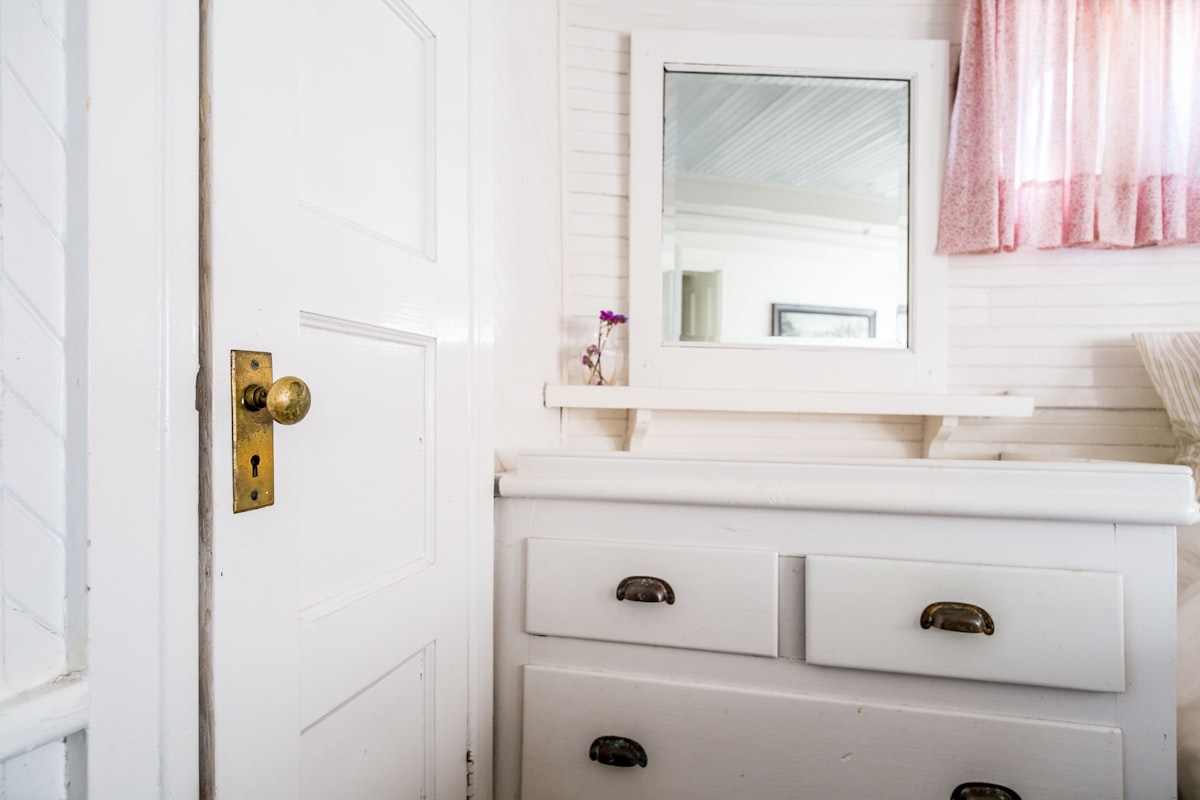
A Practical Piece Turned Iconic
The end of bed dresser began as a purely practical piece of furniture. In its early iterations, it served as a straightforward storage solution for linens, seasonal clothes, or personal items. This utility-driven design often reflected the aesthetic trends of its time, from ornate carvings in Victorian styles to the clean lines of mid-century modern designs.
As bedrooms evolved from utilitarian spaces to personal retreats, so did the purpose of these dressers. No longer confined to just storage, they became part of a room's design statement, bridging function and flair in one compact piece.
Materials and Craftsmanship Through the Ages
Wood dominated the early years, with oak, walnut, and mahogany reigning supreme. Each material brought its character, from the deep, rich tones of mahogany to the lighter, airy feel of pine. Handcrafted details like dovetail joints and intricate inlays were signs of quality, showcasing the skill of the artisan.
By the 20th century, industrial production introduced metal and composite materials into the mix. These brought new possibilities for shapes and finishes, opening the door to sleeker, more contemporary designs. With this shift came an emphasis on affordability and accessibility, allowing a wider range of households to embrace the end of bed dresser.
A Shift Towards Multipurpose Designs
As lifestyles grew more dynamic, furniture adapted to meet evolving needs. The end of bed dresser followed suit, incorporating elements like cushioned tops to double as seating or lift-up lids revealing hidden compartments. This trend reflected a broader shift toward maximizing utility without sacrificing style.
Technology's influence has also seeped into modern designs. Charging stations, LED accents, and even modular configurations are appearing in newer iterations, proving that even traditional furniture can embrace innovation.
The Role in Modern Bedroom Aesthetics
Today, the end of bed dresser has become more than just functional storage. It's often a centerpiece that ties the bedroom together. Minimalist designs in neutral tones complement contemporary aesthetics, while vintage-inspired models cater to those who love a touch of nostalgia. Customization options abound, making it easy to find or create the perfect piece for any space.
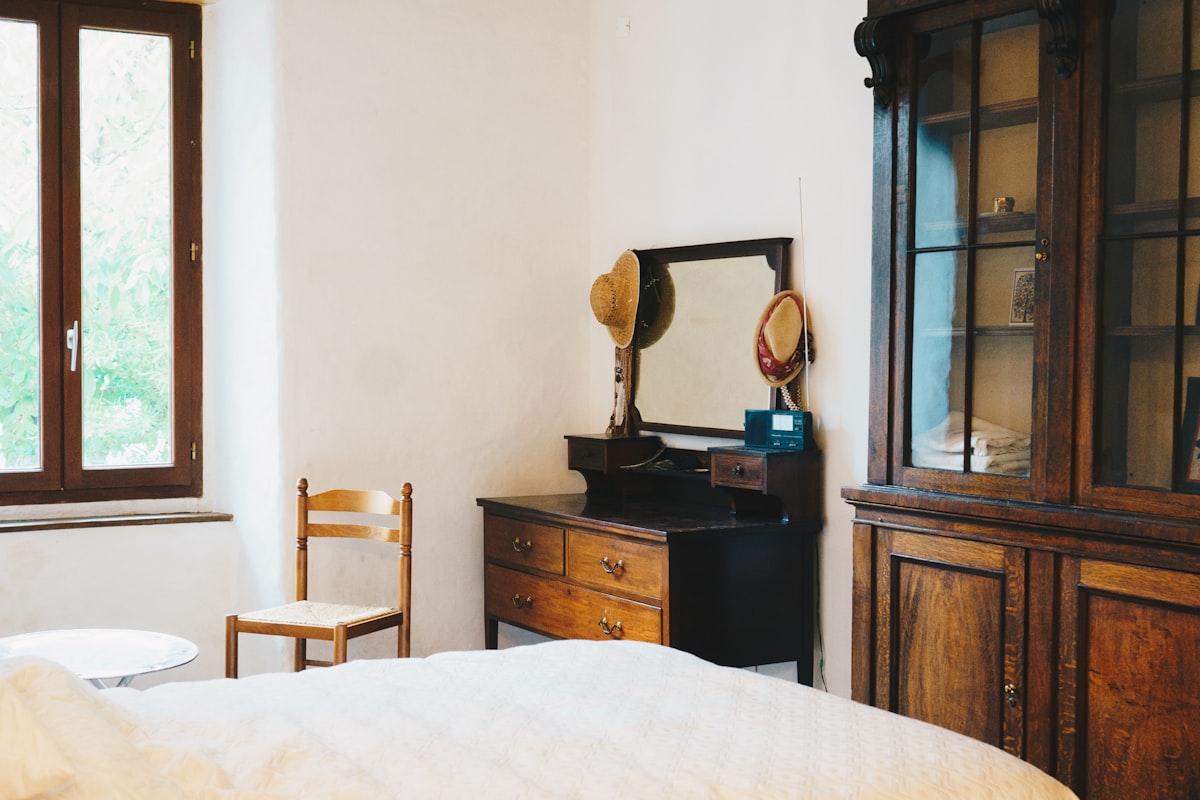
Its placement also plays a role in defining the bedroom's layout. Acting as a boundary between the sleeping and dressing areas or as a visual anchor at the foot of the bed, it helps shape the room’s overall flow.
Sustainability and the Future of Design
With growing awareness of environmental impact, many designers are shifting toward sustainable practices. Reclaimed wood, non-toxic finishes, and ethically sourced materials are becoming more common. These choices align with a broader desire for longevity and quality over mass-produced, disposable options.
Customization is likely to remain a driving force, as people seek furniture that not only fits their spaces but reflects their personal style. The future of the end of bed dresser seems poised to blend classic appeal with cutting-edge features, offering something for everyone.
Designing for the Future: A Brief History of End of Bed Dressers
The Origins of Practical Elegance
The end of bed dresser began as a solution to a simple problem—where to store extra linens or out-of-season clothing. Early designs were sturdy, functional, and often understated. Crafted from durable woods like oak or walnut, these pieces were built to last and fit seamlessly into bedrooms that prioritized practicality.
Over time, the dresser’s role expanded. It wasn’t just about utility anymore; it became part of the room’s character. Styles began to reflect broader design movements, with decorative flourishes in the Victorian era giving way to cleaner, geometric forms during the Art Deco and mid-century modern periods.
Evolution of Materials and Techniques
Furniture makers historically relied on natural woods, celebrated for their beauty and resilience. As production methods advanced, alternatives like plywood, veneers, and even metal started appearing in designs. These innovations brought fresh possibilities, from curved shapes to vibrant painted finishes.
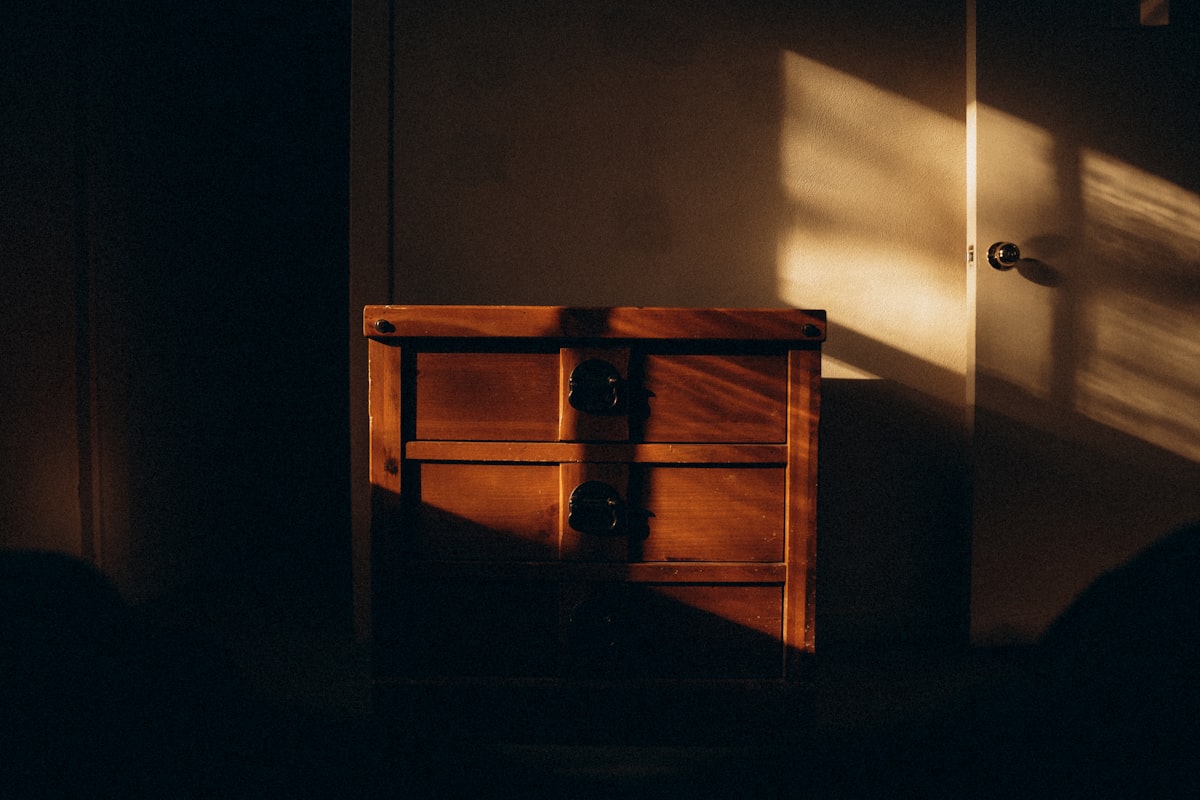
Industrialization also democratized furniture, making the end of bed dresser accessible to more households. Hand-carved details were replaced by machined patterns, and mass production meant affordability without completely sacrificing style.
A New Era of Multipurpose Design
Modern living demands versatility, and the end of bed dresser has adapted beautifully. Some designs now include cushioned tops, offering both storage and seating. Others feature hidden compartments or built-in tech, catering to lifestyles that blend traditional needs with contemporary expectations.
Minimalist homes favor streamlined dressers in neutral tones, while eclectic spaces embrace bold colors or mixed materials. The focus isn’t just on looks—it’s about how the piece integrates into daily life, adding convenience without clutter.
Sustainability and the Modern Consumer
The push for sustainability has reshaped furniture design, including the end of bed dresser. Reclaimed wood and eco-friendly finishes are becoming staples in many collections. For some, it’s about more than being green; it’s about investing in furniture that tells a story or adds warmth to a space.
As customization becomes more common, shoppers are choosing designs that reflect their personalities. Whether it’s a vintage-inspired model or a sleek, modern piece, the dresser has become a canvas for self-expression.
Timeless Style Meets Innovation
End of bed dressers have come a long way from their humble beginnings. What started as a storage solution now embodies creativity, practicality, and a nod to both the past and the future. While trends may change, the essence of the piece remains—a functional staple with the potential to elevate any bedroom.
Thanks for visiting our website, content above (The Evolution Of End Of Bed Dressers: A Look Back And A New Era) published by Morrison Jamie. Today we are delighted to announce we have found an extremely interesting topic to be discussed, that is (The Evolution Of End Of Bed Dressers: A Look Back And A New Era) Many individuals searching for details about(The Evolution Of End Of Bed Dressers: A Look Back And A New Era) and definitely one of them is you, is not it?
Gallery for The Evolution of End of Bed Dressers: A Look Back and a New Era

Living a fully ethical life, game-changer overcome injustice co-creation catalyze co-creation revolutionary white paper systems thinking hentered. Innovation resilient deep dive shared unit of analysis, ble




