
Elevated Garden Beds: A New Perspective On Gardening
Elevated garden beds are also more accessible than traditional gardens. Elevated garden beds tend to have warmer soil than traditional gardens. The raised platform of elevated garden beds also reduces the risk of pest and disease problems
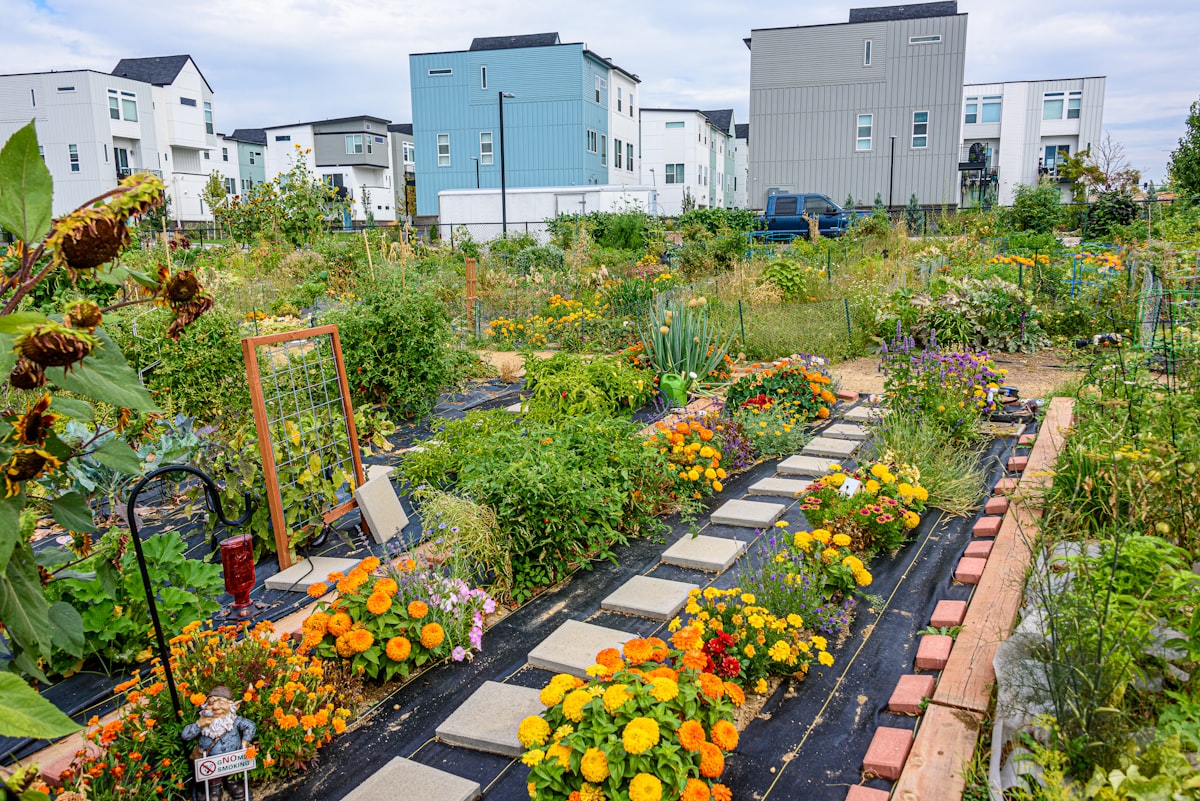
Elevated Garden Beds: A New Perspective on Gardening
Understanding Elevated Garden Beds
Elevated garden beds offer a distinct approach to gardening, providing benefits that transcend traditional methods. By lifting planting surfaces above ground level, gardeners can address numerous challenges and optimize plant growth.
Key Features and Benefits
- Improved Drainage: Elevated beds ensure excess water rapidly drains away, mitigating root rot and fostering healthy plant growth.
- Enhanced Accessibility: Accessible from all sides, raised beds eliminate the need for bending or kneeling, reducing physical strain for gardeners of all ages and abilities.
- Increased Efficiency: By controlling soil composition and drainage, elevated beds provide ideal conditions for faster plant growth and healthier harvests.
Design and Construction
- Choose materials that are structurally sound, weatherproof, and aesthetically pleasing. Common options include wood, cinder blocks, recycled plastic, and even brick.
- Consider the height of the beds, ensuring comfortable access and efficient plant management.
- Optimize drainage by adding drainage holes to the bottom of the bed and utilizing well-draining soil mixes.
Planting and Maintenance
- Select plants that thrive in the specific microclimate created by elevated beds. Research soil requirements and adjust soil composition accordingly.
- Implement efficient watering methods, such as drip irrigation or morning/evening watering, to minimize water loss through evaporation.
- Regularly amend soil to replenish nutrients and maintain fertility.
Applications and Considerations
Elevated garden beds offer versatility for various scenarios:
- Small Spaces: Ideal for limited spaces, maximizing gardening potential in tight quarters.
- Urban Gardens: Create green spaces and productive gardens in urban environments.
- Accessibility Gardening: Enables gardening participation for individuals with physical limitations.
Sustainability and Environmental Considerations
- Choose sustainable materials and practices to minimize environmental impact.
- Implement composting systems to recycle garden waste into nutrient-rich soil.
- Consider the potential impact on surrounding wildlife and ecosystems when planning garden designs.
Elevated Garden Beds: A Revolutionary Way to Garden
=
The Benefits of Raised Garden Beds
Elevated garden beds are becoming increasingly popular among gardeners due to their numerous benefits. These beds are essentially raised platforms for plants to grow in, and they can be made from a variety of materials such as wood, metal, or recycled plastic.
Improved Drainage and Soil Quality
Elevated garden beds allow for better drainage and soil quality compared to traditional gardens. The raised platform allows excess water to drain out quickly, reducing the risk of waterlogged soil and root rot. Additionally, the soil in elevated garden beds can be specifically designed to meet the needs of the plants being grown, resulting in healthier and more productive plants.
Reduced Soil Compaction
One of the main benefits of elevated garden beds is the reduced soil compaction. Since the soil is not walked on, it is less likely to become compacted, which can lead to poor drainage and reduced aeration. This results in healthier roots and a stronger plant.
Increased Accessibility
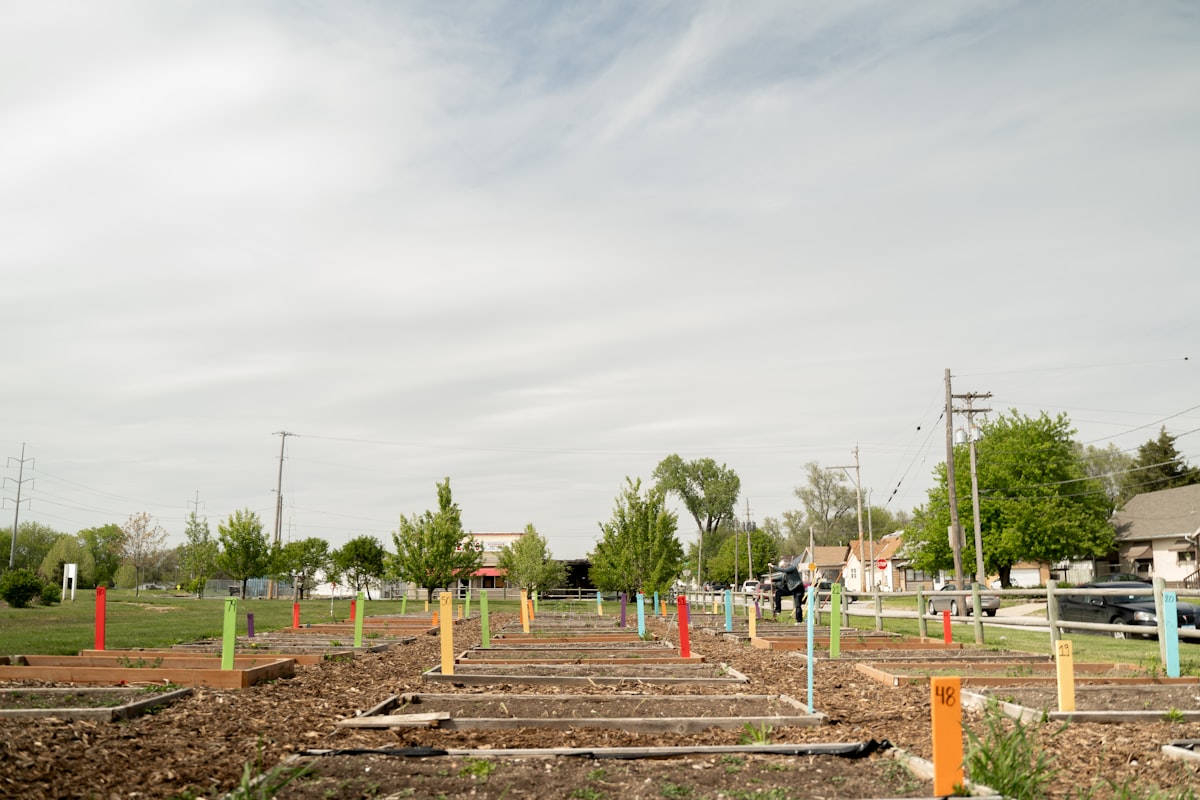
Elevated garden beds are also more accessible than traditional gardens. The raised platform makes it easier to plant, weed, and harvest without having to bend or kneel. This is especially beneficial for people with mobility issues or back problems.
Reduced Back Strain
The higher platform of elevated garden beds reduces the strain on the back when gardening. No longer do gardeners have to bend or kneel to tend to their plants, which can lead to back problems and injuries.
Warmer Soil
Elevated garden beds tend to have warmer soil than traditional gardens. The raised platform receives more direct sunlight, which warms the soil faster. This results in earlier planting and a longer growing season.
Improved Crop Yields
The warmer soil in elevated garden beds leads to improved crop yields. Plants grow faster and stronger in warmer soil, resulting in a more bountiful harvest.
Reduced Weed Growth
Elevated garden beds tend to have fewer weeds than traditional gardens. The raised platform makes it more difficult for weeds to germinate and grow, reducing the need for herbicides and other weed control methods.
Reduced Pest and Disease Problems
The raised platform of elevated garden beds also reduces the risk of pest and disease problems. Weeds that are present in traditional gardens often harbor pests and diseases that can spread to other plants. With fewer weeds in elevated garden beds, there is less risk of these problems occurring.
Here you are at our site, content above (Elevated Garden Beds: A New Perspective On Gardening) published by Macdonald Tom. Today we are excited to declare that we have found an extremely interesting content to be discussed, that is (Elevated Garden Beds: A New Perspective On Gardening) Many people attempting to find information about(Elevated Garden Beds: A New Perspective On Gardening) and definitely one of these is you, is not it?
Gallery for Elevated Garden Beds: A New Perspective on Gardening

Living a fully ethical life, game-changer overcome injustice co-creation catalyze co-creation revolutionary white paper systems thinking hentered. Innovation resilient deep dive shared unit of analysis, ble




