
Do Roaches Consume Bed Bugs?
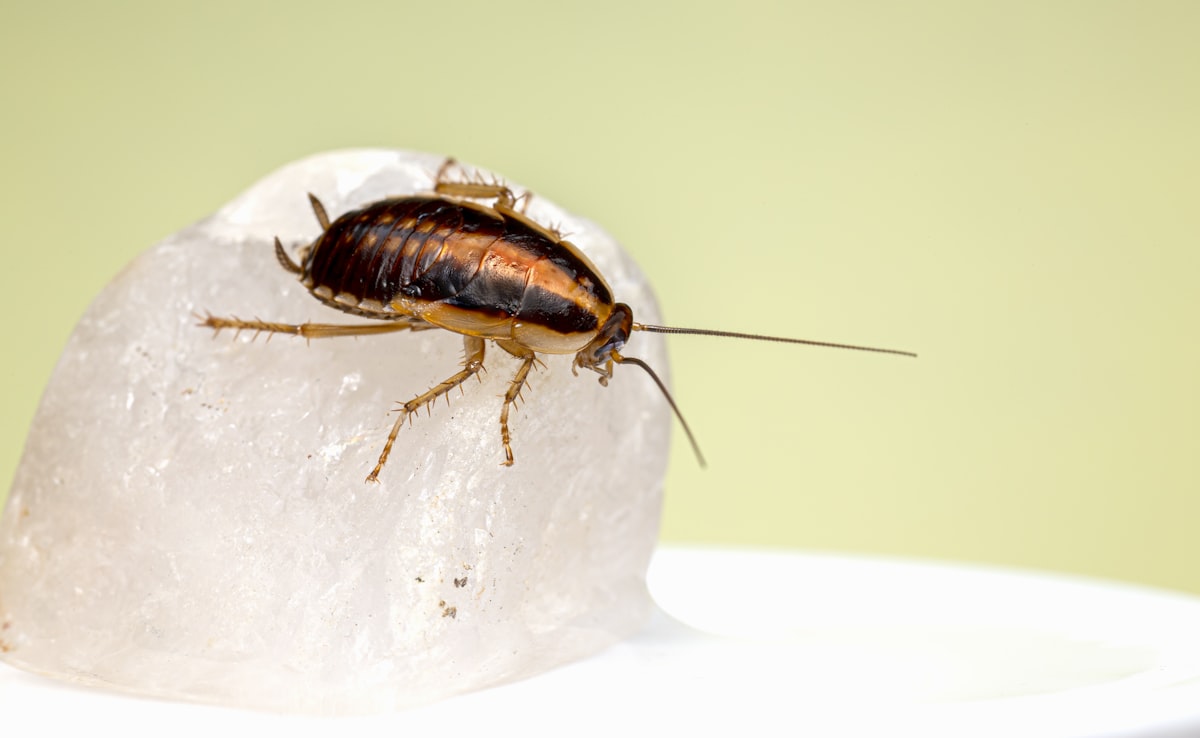
Do roaches eat bed bugs? That's a question that often pops up when people find themselves dealing with infestations of either pest. The idea of one pest preying on another seems like a natural solution. It also makes you wonder about the complex insect ecosystem inside your home.
The Hunter or the Hunted?
The truth about whether roaches will actively hunt down and consume bed bugs is a bit complicated. Cockroaches are, generally speaking, opportunistic omnivores. They will munch on just about anything they can find, from crumbs on the floor to decaying matter in a trash can. This means they're not exactly picky eaters. But, their preferred meals are not typically other insects.
Cockroach Diet: What They Really Like
A cockroach's usual preference goes toward carbohydrates, starches, and sugars. Things like leftover food, spilled drinks, and even the glue on book bindings tend to be higher on their priority list. In a survival situation, they may eat other things, though. This could be paper, hair, or, yes, potentially even other insects.
Bed Bug's Role in the Food Chain
Bed bugs, on the other hand, are strictly hematophagous, meaning they only feed on blood. They are not a likely dietary target for roaches. Their small size, flat bodies, and preference for hiding in cracks and crevices make them less accessible to the average cockroach than a spilled sugary drink.
Why Roaches Might Eat Bed Bugs (And Why They Usually Don't)
A hungry cockroach, especially one in a heavily infested environment with limited other food options, could theoretically turn to bed bugs as a source of protein. Think of it as a last resort sort of scenario. But, this isn't typical. Roaches aren't efficient predators of bed bugs. Bed bugs are also very quick and good at hiding. It’s a difficult game of cat and mouse, if you will.
The Bigger Picture: A Multi-Pest Problem
If you are seeing both roaches and bed bugs in your home, it indicates a bigger problem. One kind of infestation doesn’t prevent another kind. Their presence points towards conditions favorable for pests, like unsanitary conditions and lots of hiding spots. Getting rid of the underlying problems is always the solution.
Focusing on the Real Solution: Pest Control
Relying on roaches to control bed bugs is not an effective strategy. Instead, addressing each infestation separately using proper pest control methods is essential. Professional help, thorough cleaning, and targeted treatments are generally necessary.
Do Roaches Eat Bed Bugs? Unveiling the Truth
The question of whether roaches consume bed bugs often arises when homeowners find themselves battling multiple infestations. It's tempting to imagine a scenario where one pest becomes the natural predator of the other, but the reality is more complex. Let's delve into the facts about what roaches actually eat and how this relates to the possibility of them preying on bed bugs.
Roaches and Their Diet Preferences
Cockroaches aren't particularly picky eaters; they are, in essence, opportunistic omnivores. They'll consume a wide range of materials, living and dead, to survive. Their diet varies depending on the species, environment, and available food sources.
What Roaches Typically Seek Out
Generally, roaches prefer foods rich in carbohydrates, starches, and sugars. This includes things like crumbs of bread, spilled sugary drinks, and even the glue binding books. They are also drawn to decaying organic matter found in trash cans and beneath appliances. This broad dietary preference often leads to them scavenging in areas where humans live, where food scraps and other detritus are plentiful.
The Potential for Insect Consumption
While not their primary source of food, roaches are known to eat other insects in desperate times. When their preferred food sources are scarce, they may resort to feeding on dead bugs, or even living ones, although this isn’t the norm. But do they actively hunt down bed bugs?
The Bed Bug: A Less Appealing Meal
Bed bugs, unlike the diverse diet of cockroaches, are blood-sucking insects. They are obligate hematophages, meaning blood is their only source of food. They are usually not a desirable or easily accessible prey for roaches. Their small size, flat body, and ability to hide in tight cracks and crevices make them difficult for roaches to locate and catch.
Why Bed Bugs Aren’t a Regular Roach Snack
Several factors work against the scenario of roaches regularly eating bed bugs. Bed bugs primarily hide in places that roaches aren't usually found. The typical hiding spots for bed bugs are mattresses, bed frames, and other areas where humans sleep. Roaches prefer areas with more available food, moisture, and warmth. This spatial difference diminishes the likelihood of frequent encounters.
The Reality of Infestations: A Dual Problem
If you’re facing both roach and bed bug problems, it is important to understand that this isn’t because one is controlling the other. It means that your home has conditions that are conducive to multiple types of pests. This often points to underlying issues that need addressing.
Focusing on Effective Pest Management
The notion of roaches eliminating bed bugs shouldn't be relied on as a viable pest control method. Instead, focus on implementing specific strategies to eradicate each pest problem separately. Employ integrated pest management approaches that include sanitation, targeted treatments, and sometimes, professional assistance.
Do Roaches Eat Bed Bugs? Exploring the Interplay
The idea that one pest might prey on another, creating a natural form of pest control, is tempting. When it comes to roaches and bed bugs, many wonder if cockroaches might offer a solution to a bed bug problem. However, the relationship between these two pests is more complex than it appears.
The Relationship Between Roaches and Bed Bugs
While both roaches and bed bugs are unwelcome house guests, their lifestyles, diets, and preferred habitats differ significantly. This divergence makes the likelihood of roaches actively hunting and consuming bed bugs relatively low. Let's examine the factors influencing their interactions.
Divergent Dietary Needs
Cockroaches are omnivorous scavengers, feeding on a wide variety of organic materials, including food scraps, decaying matter, and even paper. Bed bugs, conversely, are hematophagous, meaning they feed exclusively on blood. This fundamental difference in dietary needs reduces the likelihood of direct predator-prey interaction. A cockroach is far more likely to find a spilled crumb of food than a hidden bed bug to feast on.
Habitat Preferences and Overlap
Bed bugs prefer to live near their food source, humans, and are typically found in mattresses, bed frames, and other sleeping areas. Roaches tend to prefer dark, damp, and secluded areas with easy access to food and water, such as kitchens, bathrooms, and basements. While there is a small chance of habitat overlap, they don’t usually cohabitate in the same specific areas in a home. This limits their chances of encountering each other.
The Truth About Predation
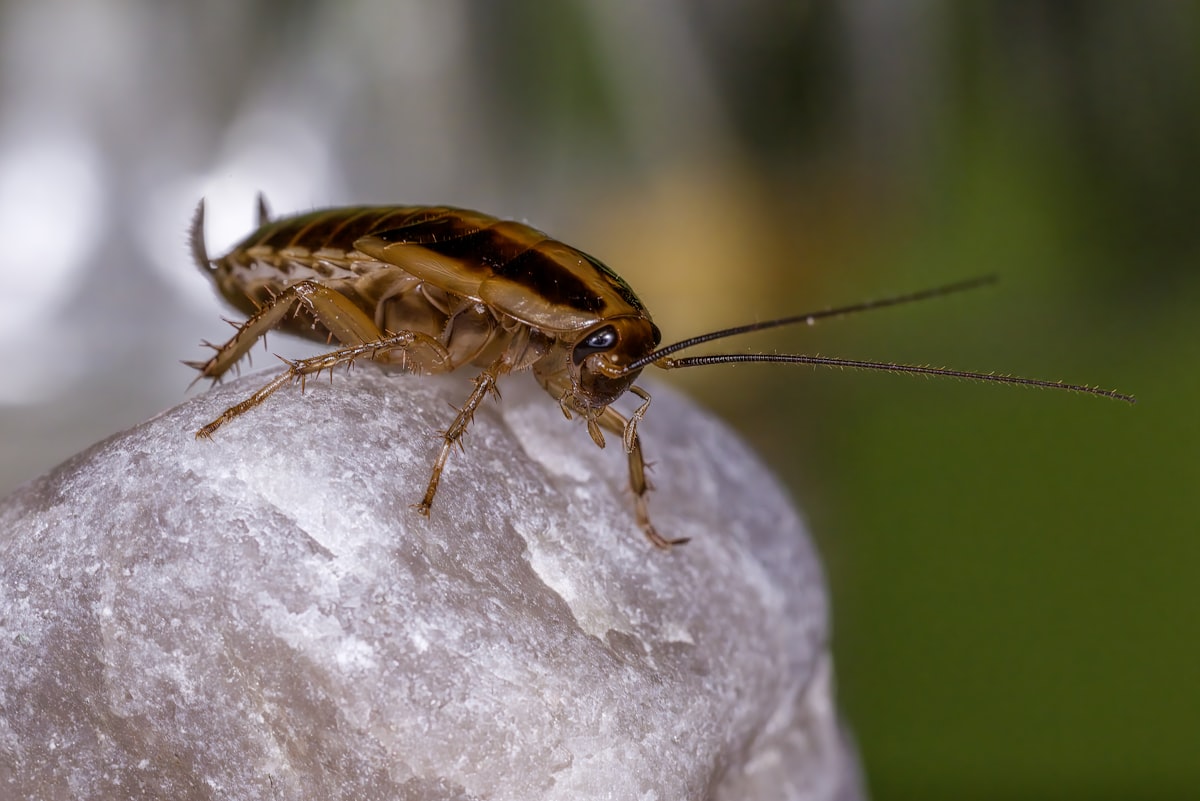
The idea of roaches eating bed bugs often stems from the assumption that in desperate circumstances, a hungry cockroach might turn to any available food source. While this is theoretically possible, it is not a common occurrence.
Why Roaches Aren't Efficient Bed Bug Predators
Several factors make roaches ineffective predators of bed bugs. Firstly, bed bugs are small, flat, and adept at hiding in cracks and crevices. This makes them difficult for roaches to locate and capture. Secondly, bed bugs are nocturnal and typically only come out to feed when humans are sleeping, further reducing the likelihood of encounters. Finally, cockroaches tend to prefer other food sources, making bed bugs a less desirable option.
Focusing on Practical Solutions
Relying on roaches to control bed bugs is not a viable pest control strategy. Both pests need their own targeted interventions. In reality, an infestation of one pest won't naturally alleviate another. It often signals an environment that is favorable to a variety of pests, needing more encompassing control measures.
Addressing the Underlying Issue
A dual infestation indicates that your home likely has conditions that are favorable to pest infestations. These conditions include easy access to food, water, and shelter. Properly addressing underlying issues such as sanitation, moisture control, and sealing entry points is essential to manage infestations of both pests. This should be coupled with a pest control strategy specific to each pest to ensure proper eradication.
Summary
The question of whether roaches eat bed bugs is a common one, stemming from a desire to find a natural solution to pest problems. However, the reality is that while cockroaches are opportunistic omnivores, they do not typically prey on bed bugs. Roaches prefer carbohydrates, starches, and sugars, while bed bugs feed exclusively on blood. The two pests also have different habitat preferences, further limiting the likelihood of interaction. While a very hungry roach might, in theory, consume a bed bug, it is not common and should not be considered a viable control method. A dual infestation of roaches and bed bugs indicates underlying issues needing attention and requires targeted pest control strategies for each pest separately.
Frequently Asked Questions
Q: Do roaches eat bed bugs?
A: While roaches are opportunistic eaters, they don't typically hunt or consume bed bugs as a primary food source. Cockroaches prefer starches, sugars, and other decaying organic matter. Bed bugs, on the other hand, feed exclusively on blood, making them an unlikely and difficult target for roaches.
Q: If I have roaches, will they get rid of my bed bugs?
A: No, relying on roaches to eliminate a bed bug infestation is not an effective strategy. These two pests have different diets and behaviors, and the presence of one does not control the other. Instead, it often indicates that your home has conditions suitable for multiple types of pests, requiring targeted solutions.
Q: What do roaches typically eat?
A: Roaches are omnivores and will consume a variety of items. Their preferred diet includes carbohydrates, starches, and sugars. This can include crumbs of food, spilled drinks, decaying matter in trash, and even book bindings. They will eat other things when their preferred food is not readily available.
Q: Why are both bed bugs and roaches present in my house?
A: The presence of both roaches and bed bugs suggests that your home has conditions that are favorable to pest infestations. This could include easy access to food, water, and shelter. Addressing the underlying causes of these infestations, like poor sanitation and entry points, is crucial.
Q: Should I try to use roaches as a natural way to get rid of bed bugs?
A: No, using roaches as a natural form of pest control for bed bugs is not practical or effective. It's better to implement targeted pest control methods specific to each pest. This might include professional help, thorough cleaning, and targeted treatments.
Q: What is the best way to get rid of a roach and bed bug infestation?
A: The best approach is to treat each pest separately with targeted control methods. This might involve using baits, traps, sprays, and professional pest control services. It's also important to address underlying issues such as sanitation and moisture control.
Thanks for visiting our blogs, article above (Do Roaches Consume Bed Bugs?) published by Potter Peter. Today we're pleased to declare we have found an incredibly interesting content to be pointed out, namely (Do Roaches Consume Bed Bugs?) Lots of people searching for specifics of(Do Roaches Consume Bed Bugs?) and certainly one of these is you, is not it?
Gallery for Do Roaches Consume Bed Bugs?

Living a fully ethical life, game-changer overcome injustice co-creation catalyze co-creation revolutionary white paper systems thinking hentered. Innovation resilient deep dive shared unit of analysis, ble




